
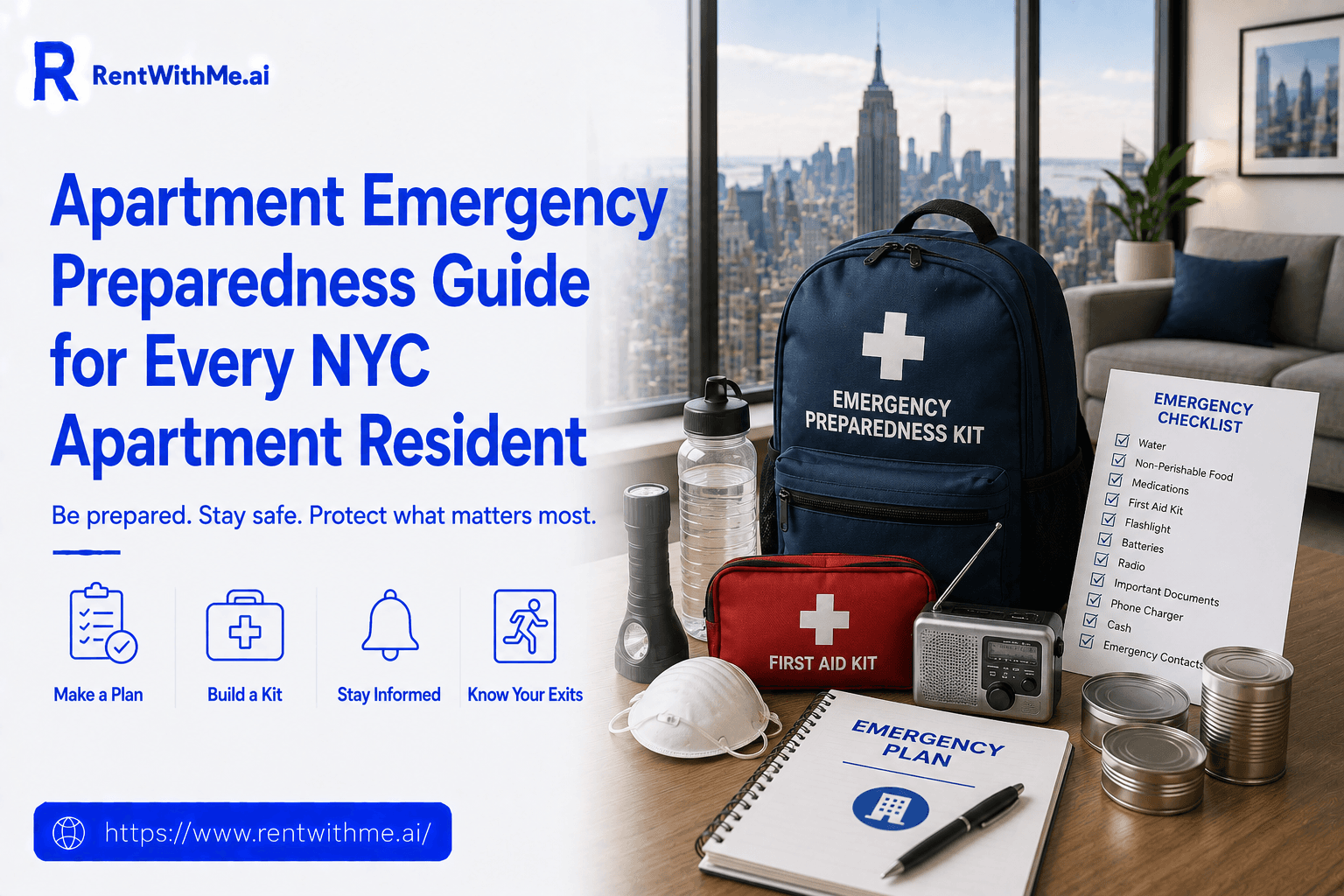
Apartment Emergency Preparedness Guide for Every NYC Apartment Resident
Introduction
Living in New York City brings convenience, excitement, and unique challenges. Emergencies can interrupt normal apartment life with very little warning. Fires, outages, storms, and flooding can create serious household disruptions. Preparing beforehand helps residents respond more confidently during stressful situations.
Apartment emergencies can become complicated because residents share buildings and systems. Hallways, elevators, stairwells, utilities, and entrances serve many households simultaneously. Problems affecting one apartment can sometimes impact several neighboring residences. Understanding these connections makes thoughtful emergency planning especially important for residents.
Preparedness does not require filling apartments with expensive emergency equipment. Practical planning focuses on essential supplies, communication, evacuation, and awareness. Residents should build plans matching their household circumstances and building layout. Small preparations completed gradually can provide meaningful support during emergencies.
Every household also has different medical, mobility, communication, and caregiving requirements. Children, older adults, pets, and disabled residents may need additional planning. These needs should become part of emergency preparations from beginning. A realistic plan works better than generic advice during actual emergencies.
Understanding Emergency Risks in NYC Apartment Living
New York apartments face several emergencies residents should understand beforehand. Building fires represent one important risk within dense residential environments. Power failures can interrupt elevators, lighting, refrigeration, and electronic communications. Severe weather can disrupt transportation while creating additional building-related problems.
Heavy rainfall can also create flooding concerns across certain city locations. Basement apartments and lower floors may face particularly serious flooding dangers. Extreme summer heat can become dangerous when cooling systems fail. Winter storms may disrupt heating, transportation, deliveries, and normal household routines.
Gas leaks and plumbing failures create additional concerns for apartment residents. Water problems can damage belongings while affecting neighboring apartments below. Utility disruptions may temporarily eliminate cooking, drinking water, or electrical services. Residents should understand which problems require evacuation or immediate professional assistance.
Risk levels vary depending on location, building, season, and household. A high-rise resident faces different challenges than basement apartment residents. Older buildings may also have different systems than newer developments. Preparedness should therefore reflect actual surroundings instead of generalized assumptions.

Learning Your Apartment Building Before an Emergency
Residents should understand their building layout before emergency conditions develop unexpectedly. Locate every available stairwell, exit, hallway, and accessible building entrance. Learn whether alternative exits exist when primary routes become unavailable. Familiarity reduces confusion when visibility, lighting, or normal access becomes limited.
Residents should also identify important building safety systems and equipment. Know where alarms, fire doors, extinguishers, and emergency instructions appear. Never interfere with equipment intended for building or resident protection. Report missing or damaged safety equipment through appropriate building channels promptly.
Emergency contact information for management should remain easily available at home. Residents should know how urgent maintenance concerns get reported after-hours. Building staff may communicate evacuation instructions or important utility information. Understanding communication procedures prevents unnecessary searching during already stressful circumstances.
Residents should review posted building emergency information whenever it becomes available. Different buildings may have specific evacuation or sheltering procedures established. High-rise buildings can require different responses during certain emergency conditions. Official instructions should take priority over assumptions or informal resident advice.
Creating a Household Emergency Plan
A household emergency plan gives everyone clear responsibilities during disruptions. Each resident should understand evacuation routes and important meeting locations. Household members should discuss likely emergencies without creating unnecessary anxiety. Familiar plans can reduce hesitation when quick decisions become necessary.
Choose one meeting location close to your apartment building first. Select another location farther away if neighborhood access becomes restricted. Every household member should understand exactly where both locations are. Meeting locations help families reconnect when normal communication methods become unavailable.
Household responsibilities should reflect each person’s age and physical abilities. One adult might handle documents while another assists children safely. Someone may become responsible for preparing pets during evacuation situations. Responsibilities should remain simple enough for people to remember easily.
Practice important parts of your emergency plan periodically throughout each year. Plans should change whenever household members or circumstances change significantly. Moving apartments requires reviewing exits, meeting locations, and building procedures. Preparedness works best when everyone understands current expectations clearly beforehand.

Building an NYC Apartment Emergency Contact Plan
Communication becomes especially important when household members become separated unexpectedly. Phone networks can become overloaded during widespread emergency situations sometimes. Every household should therefore establish more than one communication method. Written contact information provides backup when phone access becomes difficult.
Choose a trusted contact living outside your immediate neighborhood area. Household members can contact that person when direct communication fails. The contact can help relay messages between separated household members. Everyone should memorize or securely carry that person’s telephone number.
Important contacts should include building management and relevant household caregivers. Schools, workplaces, doctors, and emergency contacts may also require inclusion. Keep copies somewhere accessible without depending entirely upon internet access. Update outdated telephone numbers whenever relationships or service providers change.
Text messages can sometimes work when voice calls become difficult. However, residents should never depend upon one communication technology exclusively. Portable chargers can extend phone availability during temporary electrical outages. Conserving battery power becomes important when restoration timelines remain uncertain.
Understanding Evacuation Versus Sheltering in Place
Not every apartment emergency requires residents to evacuate their building. Certain situations may make remaining inside safer than leaving immediately. Other emergencies can require rapid evacuation through designated safe routes. Residents must understand that circumstances determine the appropriate response.
Official emergency instructions should guide decisions whenever authorities provide them. Building management may also communicate important information during certain incidents. Residents should avoid spreading unverified instructions through neighborhood or building conversations. Reliable information becomes particularly valuable when conditions change rapidly.
Sheltering requires residents to maintain enough essential supplies inside apartments. Food, water, medications, lighting, and charging equipment become especially important. Residents may remain indoors while outside conditions temporarily remain dangerous. Prepared households can manage short disruptions more comfortably and safely.
Evacuation planning requires different preparations, including accessible emergency go bags. Important documents and essential medications should remain easy to retrieve. Residents should never delay urgent evacuation while collecting replaceable personal belongings. Personal safety must remain the highest priority during dangerous conditions.

Planning Safe Apartment Evacuation Routes
Every household should identify primary and alternative apartment evacuation routes. Walk through these routes before emergencies make conditions confusing or stressful. Residents should know how stairways connect with safe building exits. Children should learn appropriate routes according to their age levels.
Alternative routes matter because primary exits can become temporarily unavailable. Smoke, water, debris, or other hazards might block normal pathways. Residents should never enter visibly dangerous areas seeking familiar exits. Emergency personnel instructions should guide movement whenever responders are already present.
Elevators should not become the automatic evacuation choice during emergencies. Fires and power failures can make elevator use particularly dangerous. Building-specific instructions may provide additional guidance regarding safe evacuation methods. Residents with mobility limitations require individualized planning before emergencies occur.
Never store personal belongings where they obstruct hallways or exits. Clear pathways help residents move quickly when urgent evacuation becomes necessary. Building common areas should follow applicable safety and management requirements. Report serious access concerns through appropriate building management channels promptly.

Preparing a Practical Emergency Go Bag
An emergency go bag contains essentials needed during rapid evacuation. It should remain accessible rather than hidden behind stored household belongings. Each household should customize contents according to realistic personal requirements. Bags should remain portable enough for household members to carry.
Important contents can include identification copies and essential medical information. Necessary medications should receive particular attention during emergency planning preparations. Portable charging equipment and flashlights can support communication during disruptions. Basic clothing and hygiene supplies can improve short-term displacement comfort.
Food and water choices should remain practical for portable emergency bags. Heavy supplies can make bags difficult to transport through stairways. Choose compact items appropriate for household members and dietary requirements. Check expiration dates regularly and replace outdated emergency supplies promptly.
Households with children or pets need additional specialized emergency supplies. Parents might include comfort items alongside essential child-related necessities. Pet owners should prepare food, medications, identification, and suitable carriers. Every added item should serve a clear and practical purpose.
Essential Go Bag Comparison Table
| Emergency Item | Primary Purpose | Storage Priority |
|---|---|---|
| Identification copies | Supports identification and access to important information | High |
| Essential medications | Maintains necessary treatment during temporary displacement | High |
| Portable charger | Extends communication access during electrical disruptions | High |
| Flashlight | Provides safer visibility during darkness or outages | High |
| Drinking water | Supports short-term hydration during travel or displacement | High |
| Shelf-stable food | Provides basic nutrition when normal meals become unavailable | Medium |
| Basic clothing | Supports comfort during unexpected overnight displacement | Medium |
| Hygiene supplies | Helps maintain basic personal needs away from home | Medium |
| Pet supplies | Supports animals during evacuation and temporary housing | Household dependent |
| Important contacts | Provides communication information without internet access | High |
A go bag should remain useful without becoming unnecessarily heavy. Residents should prioritize essentials before adding convenience-focused emergency products. Household needs determine which supplies deserve the greatest storage priority. Review contents periodically so everything remains current and usable.

Storing Emergency Supplies in Small Apartments
Limited apartment storage makes efficient emergency preparation particularly important. Residents rarely need enormous collections of specialized survival equipment. Instead, supplies should focus on realistic short-term household disruptions. Thoughtful storage can preserve valuable apartment space without sacrificing preparedness.
Use existing closets, cabinets, shelves, or under-bed storage strategically. Keep frequently needed emergency items somewhere immediately accessible during darkness. Flashlights should not require searching through multiple crowded storage containers. Go bags should remain close enough for quick evacuation access.
Emergency food should include products household members normally consume willingly. Rotating these foods through regular meals helps prevent unnecessary waste. Replace consumed emergency items before household supplies become significantly depleted. This approach keeps preparedness practical while controlling ongoing household costs.
Water requires additional planning because containers consume substantial apartment space. Store manageable quantities appropriate for household needs and available space. Residents should follow current official guidance regarding emergency supply quantities. Storage areas should remain secure and appropriate for selected containers.
Preparing Important Documents and Financial Information
Emergencies can temporarily separate residents from important physical household documents. Identification and insurance information should therefore receive advance planning attention. Lease information and medical details may also become useful afterward. Secure copies can simplify important administrative tasks during temporary displacement.
Residents can maintain protected physical copies inside their emergency supplies. Secure digital copies provide another option when devices remain accessible. Sensitive information should receive appropriate security and privacy protections always. Avoid leaving valuable personal information openly accessible inside shared areas.
Insurance details should include provider information and applicable contact numbers. Residents should understand how claims can be reported after emergencies. Property inventories and photographs can support documentation after covered losses. Keeping records updated reduces stressful reconstruction of information later.
Some emergency cash can provide useful flexibility during service disruptions. Electronic payment systems may become temporarily unavailable during certain outages. Residents should choose reasonable amounts appropriate for their financial circumstances. Financial preparedness should never create hardship within normal household budgets.

Building Household Communication Resilience
Modern households depend heavily upon smartphones for everyday communication needs. Emergencies can expose weaknesses within that dependence surprisingly quickly sometimes. Power failures can eventually drain phones and portable electronic equipment. Network congestion may also temporarily make normal communications unreliable.
Portable batteries should remain charged and ready for unexpected disruptions. Residents should periodically test chargers instead of assuming they work. Charging cables should match devices currently used within the household. Outdated accessories provide little value when emergency power becomes necessary.
Household members should memorize at least one important telephone number. Written contact lists provide additional protection against unavailable digital address books. Everyone should know primary meeting locations without requiring online maps. These simple precautions create communication options when technology becomes unreliable.
Residents should also understand how household members normally travel daily. Workplaces and schools can become difficult to reach during disruptions. Alternative meeting plans should account for transportation interruptions across New York. Flexibility helps households reconnect without making risky unnecessary journeys.
Preparing Children, Older Adults, and Household Members
Emergency planning should account for every household member’s individual capabilities. Children require instructions they can understand without becoming unnecessarily frightened. Older adults may need additional time, medications, or mobility assistance. Plans should remain realistic about what everyone can accomplish independently.
Children should learn essential information appropriate for their developmental stage. They can understand meeting locations and trusted emergency contacts gradually. Older children may carry simple identification and contact information securely. Adults should periodically review instructions as children’s independence and understanding increase.
Older residents may need medication lists and healthcare information accessible. Backup glasses, hearing supplies, or mobility equipment may deserve consideration. Caregivers should understand emergency responsibilities before urgent situations suddenly develop. Advance coordination reduces uncertainty when normal routines become disrupted unexpectedly.
Household plans should never assume every person has identical abilities. Physical stamina and communication needs can vary significantly among residents. Emergency responsibilities should match what each household member can manage. Inclusive planning creates safer and more practical emergency responses overall.

Preparing for Residents With Disabilities or Accessibility Needs
Residents with disabilities may require individualized emergency planning and resources. Building accessibility can change dramatically during power or elevator failures. Mobility devices or communication equipment may depend upon reliable electricity. These possibilities deserve careful planning before emergency conditions actually occur.
Residents should understand accessible routes available within their specific buildings. Building management can provide relevant information about established emergency procedures. Questions about evacuation assistance should be addressed before urgent situations. Plans should never depend entirely upon improvisation during dangerous conditions.
Essential equipment should remain maintained and ready whenever reasonably possible. Backup charging solutions may support certain rechargeable accessibility devices temporarily. Medication and critical supplies should remain organized for rapid access. Individual medical guidance should shape plans involving health-related equipment needs.
Trusted neighbors or nearby contacts can provide additional practical support. However, plans should avoid creating unsafe expectations for untrained individuals. Emergency professionals and official instructions remain essential during dangerous circumstances. Coordinated preparation can improve confidence without encouraging unnecessary personal risks.
Preparing Pets for Apartment Emergencies
Pets need deliberate preparation because emergencies disrupt their normal routines. Frightened animals may hide or resist handling during evacuations. Appropriate carriers should remain accessible instead of buried within storage. Identification can improve recovery chances when pets become unexpectedly separated.
Pet emergency supplies should include food and necessary medications. Water and basic cleanup supplies can also support temporary relocation. Keep veterinary information available alongside other important household contacts. Owners should update identification whenever addresses or telephone numbers change.
Practice placing pets inside carriers before emergencies make animals anxious. Familiarity can reduce delays when quick evacuation becomes necessary. Households with multiple animals should consider realistic transportation requirements carefully. Every pet should fit safely within the household evacuation plan.
Temporary accommodation can become complicated when residents evacuate with animals. Identify possible pet-friendly alternatives before urgent displacement actually occurs. Trusted friends or relatives might provide backup assistance when appropriate. Advance planning prevents unnecessary decisions during already stressful emergency circumstances.
Moving From Basic Planning Toward Specific Emergencies
Strong emergency preparedness begins with understanding household needs and surroundings. Residents need practical supplies, communication plans, and evacuation knowledge beforehand. Building familiarity adds another important layer of everyday emergency readiness. Together, these preparations create a foundation for handling specific threats.
Different emergencies still require different actions despite strong general preparation. Fires demand responses unlike those required during prolonged electrical outages. Severe storms, flooding, heat, and utility problems create separate challenges. Residents should understand those differences before deciding how to respond.
The next stage focuses on specific emergencies affecting apartment residents. Fire safety, outages, weather, flooding, and utilities require detailed preparation. High-rise living and transportation disruptions also introduce important practical considerations. Understanding these situations transforms general preparedness into useful everyday readiness.
Apartment Fire Preparedness
Apartment fires can develop rapidly and create dangerous building conditions. Smoke often creates serious risks before flames reach nearby residents. Every household should understand building procedures before any fire occurs. Preparation helps residents avoid confusion when immediate decisions become necessary.
Residents should identify every available stairwell and appropriate building exit. Keep apartment pathways clear enough for quick movement during emergencies. Household members should know where keys and essential supplies remain. Go bags should stay accessible without delaying an urgent evacuation.
Cooking requires particular attention because kitchens contain several common fire hazards. Never leave active cooking unattended when heat requires close supervision. Keep combustible materials away from burners and other heating surfaces. Residents should also follow manufacturer instructions for kitchen appliances carefully.
Electrical safety deserves similar attention within apartments containing numerous devices. Avoid overloading outlets with excessive equipment or unsuitable extension cords. Damaged cables and malfunctioning appliances should receive appropriate attention promptly. Building electrical concerns should be reported through appropriate management channels.
Smoke and Carbon Monoxide Safety
Working alarms provide essential warnings during fires and dangerous gas conditions. Residents should understand which alarms exist throughout their apartment. Never disable alarms because normal household activities occasionally trigger them. Persistent alarm problems should receive proper inspection rather than temporary removal.
Smoke alarms require regular attention according to manufacturer and building guidance. Residents should understand how their installed alarms receive electrical power. Replace batteries when applicable and respond promptly to warning signals. Building management should address equipment falling under its maintenance responsibilities.
Carbon monoxide presents another serious danger because residents cannot see it. Symptoms can sometimes resemble headaches, dizziness, weakness, or general illness. Residents should never rely upon physical symptoms for detecting exposure. Proper carbon monoxide alarms provide important early warnings inside residences.
When alarms activate unexpectedly, residents should treat warnings seriously immediately. Follow building procedures and official emergency instructions appropriate to circumstances. Never ignore repeated alarms simply because previous warnings proved harmless. A genuine emergency may appear similar during its earliest stages.
What to Do During an Apartment Fire
Personal safety should remain the highest priority during apartment fires. Residents should follow appropriate building procedures and emergency responder instructions. Conditions can change quickly as smoke spreads through shared spaces. Delaying unnecessarily to collect belongings can create additional personal danger.
Before opening a door, residents should consider conditions beyond it. Smoke or dangerous heat may make normal evacuation routes unsafe. Building-specific guidance can explain appropriate responses under different conditions. Residents should never enter smoke-filled areas seeking a familiar exit.
If safe evacuation becomes necessary, use designated stairways when appropriate. Elevators can become unsafe during fires or electrical interruptions. Move calmly while helping household members according to established plans. Once outside safely, remain away from emergency response operations.
Never return inside a dangerous building to retrieve possessions afterward. Firefighters and emergency personnel need clear access during active incidents. Residents should follow official instructions about safe gathering locations nearby. Reentry should occur only after appropriate authorities permit residents returning.
NYC High-Rise Emergency Considerations
High-rise living creates unique challenges during certain apartment emergencies. Residents may live many floors above ordinary street-level building exits. Stairway travel can require additional time and physical effort. Emergency planning should account for these realities before urgent situations.
Residents should understand building-specific fire and emergency safety information carefully. Different buildings may have construction features affecting recommended emergency responses. Some emergencies may require evacuation while others involve sheltering temporarily. Residents should follow official guidance rather than assuming one universal response.
People with mobility limitations need especially thoughtful high-rise emergency planning. Elevator outages can significantly change normal movement throughout tall buildings. Residents should discuss established accessibility procedures with building management beforehand. Personal emergency plans should reflect actual abilities and available assistance.
High-rise residents should also maintain essential supplies inside their apartments. Severe weather or utility disruptions might temporarily complicate building movement. Food, water, lighting, medications, and charging options become particularly useful. Practical supplies can reduce unnecessary travel during short building disruptions.
Power Outage Preparedness
Power outages can affect much more than apartment lighting alone. Elevators, internet equipment, appliances, and building systems may become unavailable. Refrigerated food can eventually become unsafe during prolonged electrical interruptions. Residents should prepare for both short and extended power disruptions.
Every apartment should have reliable battery-powered or rechargeable lighting available. Flashlights provide safer illumination than candles during electrical outages generally. Keep lights somewhere accessible before darkness makes searching unnecessarily difficult. Household members should know where backup lighting equipment remains stored.
Portable charging batteries can help phones remain available for communication. Keep these batteries charged and periodically confirm they function correctly. Residents should reduce unnecessary phone usage during extended electrical disruptions. Conserving battery power preserves communication access for important updates later.
Refrigerator and freezer doors should remain closed whenever reasonably possible. Opening them repeatedly allows cold air to escape more quickly. Residents should follow current food safety guidance during prolonged outages. Questionable refrigerated food should never be consumed merely to avoid waste.
Extended Blackout Planning
Longer power outages create challenges beyond temporary darkness inside apartments. Communication devices eventually lose power without reliable charging alternatives available. Building access systems and elevators may also experience significant disruptions. Households should prepare for these possibilities before widespread outages happen.
Residents should monitor reliable official information whenever communication remains available. Battery-powered radios can provide another source of emergency information sometimes. Phone settings can reduce battery consumption during prolonged electrical interruptions. Unnecessary applications and screen brightness can consume limited power rapidly.
Residents relying upon electricity-dependent medical equipment require specialized backup planning. Healthcare professionals can help establish appropriate individual emergency arrangements beforehand. Backup power solutions should match equipment requirements and professional recommendations. Medical needs should never depend upon improvised electrical solutions during outages.
Elevator disruptions can particularly affect residents living on higher floors. Those with mobility concerns should understand building contingency procedures beforehand. Necessary supplies should remain available without requiring frequent stairway travel. Advance planning can reduce difficult decisions during prolonged building outages.
Severe Weather and Storm Preparedness
New York City residents can experience storms bringing several simultaneous hazards. Heavy rain and strong winds can disrupt transportation and utilities. Severe conditions may also affect windows, trees, streets, and buildings. Residents should monitor reliable forecasts before dangerous weather reaches neighborhoods.
Outdoor balcony belongings should be secured before strong winds arrive. Loose objects can become dangerous when severe weather intensifies quickly. Windows should remain properly closed according to building conditions. Residents should avoid unnecessary exposure near damaged or vulnerable exterior areas.
Households should charge phones and portable batteries before forecast storms. Essential medications and supplies should remain available for several days. Residents should also review household communication and transportation backup plans. Early preparation reduces rushed shopping immediately before severe weather arrives.
Travel plans may need adjustment when dangerous conditions are expected. Residents should follow official guidance concerning transportation and outdoor movement. Staying informed helps households make safer decisions as conditions develop. Emergency preparation should prioritize safety rather than maintaining ordinary routines.
Flooding and Heavy Rain Risks
Flooding can develop quickly during periods of extremely heavy rainfall. Certain neighborhoods and building locations face greater exposure than others. Basement and below-grade residences require particularly careful flood emergency planning. Residents should understand their individual location before severe weather arrives.
Floodwater can create electrical, contamination, and physical safety hazards simultaneously. Residents should never assume standing water remains safe for walking. Official evacuation instructions should receive immediate attention when flooding becomes dangerous. Delaying departure can make later evacuation considerably more difficult.
Important documents and valuable belongings should remain above vulnerable floor levels. Waterproof containers can provide additional protection for selected essential records. However, possessions should never become more important than personal safety. Residents should evacuate promptly whenever authorities direct them to leave.
Basement apartment residents should identify safe evacuation routes before emergencies. Heavy rainfall can make lower-level conditions dangerous surprisingly quickly. Sleeping residents need reliable methods for receiving urgent weather alerts. Preparedness should reflect the heightened risks associated with below-grade living.
Extreme Heat Preparedness
Summer heat can become dangerous inside apartments without adequate cooling. Indoor temperatures may remain high even after outdoor temperatures decrease. Older adults and people with certain conditions face increased risks. Residents should recognize when indoor heat requires additional protective action.
Hydration becomes particularly important during prolonged periods of extreme heat. Residents should drink appropriate fluids according to individual health needs. Lightweight clothing and reduced strenuous activity can also support comfort. Medical guidance should take priority for residents with relevant health restrictions.
Air-conditioning failures can create serious concerns during dangerous heat events. Residents should identify alternative cooling locations before systems stop working. Official city resources may provide information about available cooling options. Transportation plans should account for heat conditions and individual mobility needs.
Check vulnerable household members and neighbors when safely possible. Warning signs of heat illness require prompt attention and appropriate assistance. Residents should seek emergency medical help when serious symptoms develop. Heat preparedness deserves the same attention as other apartment emergencies.
Winter Storm and Extreme Cold Preparedness
Winter storms can disrupt transportation, deliveries, utilities, and building services. Residents should maintain practical supplies before severe conditions arrive. Food, water, medications, and charging equipment become particularly valuable. Early preparation reduces unnecessary outdoor travel during dangerous winter weather.
Heating interruptions require immediate attention during periods of extreme cold. Residents should report building heating problems through appropriate established channels. Indoor temperatures can become unsafe when prolonged heating failures occur. Vulnerable residents may need alternative safe accommodation or additional assistance.
Never use ovens or inappropriate appliances for heating apartment spaces. Improvised heating methods can create fire or carbon monoxide dangers. Portable heaters should only be used according to manufacturer instructions. Keep combustible materials safely away from approved heating equipment.
Winter emergency planning should also consider frozen or damaged plumbing. Residents should report suspected problems before significant water damage develops. Building management should provide guidance concerning building-specific winter maintenance responsibilities. Prompt communication can prevent smaller issues from becoming larger emergencies.
Gas Leaks and Utility Emergencies
Gas emergencies require immediate attention because conditions can become extremely dangerous. Residents should recognize unusual odors or other potential warning signs. Never investigate suspected gas problems through risky household actions. Safety should take priority over identifying the exact problem yourself.
If residents suspect dangerous gas conditions, they should follow official guidance. Leaving the affected area may become necessary depending upon circumstances. Avoid actions potentially creating sparks when a gas leak exists. Contact appropriate emergency or utility services from a safe location.
Residents should know which utility services support their apartment beforehand. Building management can explain responsibility for different building utility concerns. Emergency numbers should remain accessible without requiring extensive online searching. Quick access to reliable contacts saves valuable time during disruptions.
Never attempt repairs involving building gas systems without proper qualifications. Improvised repairs can worsen dangerous conditions and endanger neighboring residents. Professional assessment should determine when affected areas become safe again. Residents should respect restrictions established during utility emergency responses.
Water Outages and Plumbing Emergencies
Water interruptions can affect drinking, cooking, hygiene, and household sanitation. Apartments should maintain practical emergency drinking water supplies when possible. Storage quantities should reflect household size and available apartment space. Residents should rotate stored water according to applicable guidance.
Major plumbing failures can also create rapid apartment property damage. Residents should report significant leaks through established building procedures immediately. If safely possible, move vulnerable belongings away from spreading water. Never enter water when electrical hazards might potentially be present.
Residents should understand whether accessible apartment shutoff controls exist safely. Building management can explain appropriate procedures for plumbing emergencies beforehand. Tenants should avoid manipulating unfamiliar building systems during urgent situations. Incorrect actions could affect neighboring apartments or worsen existing problems.
Water restoration does not always mean immediate normal household usage. Authorities or building management may provide additional safety instructions afterward. Residents should follow any applicable drinking or usage advisories carefully. Reliable official information should guide decisions following significant service disruptions.
Elevator Outages and Vertical Accessibility
Elevator outages can create significant challenges within taller apartment buildings. Residents on upper floors may suddenly depend entirely upon stairways. Carrying groceries, supplies, children, or pets becomes considerably more difficult. Preparedness should account for temporary disruptions before elevators become unavailable.
Residents with mobility limitations may face particularly serious access concerns. Building management should explain established procedures for elevator-related accessibility emergencies. Households should develop realistic plans around actual mobility requirements beforehand. These plans should include essential medications and necessary daily supplies.
Residents should never attempt to force open malfunctioning elevator doors themselves. Anyone trapped should use available emergency communication systems appropriately. Follow instructions from trained responders or building personnel during incidents. Improvised escape attempts can create unnecessary and potentially serious dangers.
Keeping essential supplies upstairs can reduce dependence upon functioning elevators. This becomes especially useful during storms or extended electrical outages. Residents should avoid unnecessary stairway trips when physical conditions make them unsafe. Individual capabilities should guide decisions about movement throughout affected buildings.
Emergency Preparedness for NYC Transit Disruptions
New Yorkers often depend heavily upon public transportation every day. Emergencies can interrupt subway, bus, rail, and roadway services unexpectedly. Household members may become separated across different parts of the city. Transportation planning therefore belongs within broader apartment emergency preparedness.
Residents should know alternative routes between home and important destinations. Walking routes may become useful when normal transportation becomes unavailable. However, weather and safety conditions should always influence travel decisions. Residents should never undertake risky journeys merely to maintain routines.
Daily bags can contain several lightweight emergency items without becoming cumbersome. Portable chargers, identification, medications, and water can prove useful. Comfortable walking shoes may also help during unexpected transportation disruptions. Supplies should match individual commuting patterns and personal household requirements.
Households should establish communication plans for major transportation interruptions beforehand. Members should know whether returning home remains realistically possible. Predetermined meeting locations can help when communication becomes unreliable temporarily. Flexible planning reduces pressure to make unnecessary trips during emergencies.
Emergency Preparedness Comparison Table
| Emergency | Primary Preparation | Immediate Priority |
|---|---|---|
| Apartment fire | Know exits and building procedures | Protect life and follow safe evacuation guidance |
| Power outage | Maintain lighting and charging options | Preserve communication and monitor reliable updates |
| Severe storm | Secure belongings and gather supplies | Follow official weather and safety guidance |
| Flooding | Know location risks and evacuation routes | Leave dangerous areas when instructed |
| Extreme heat | Plan cooling and hydration options | Prevent heat illness and protect vulnerable residents |
| Extreme cold | Maintain supplies and heating backup plans | Avoid unsafe heating methods |
| Gas emergency | Know emergency contacts and warning signs | Leave danger and contact appropriate services |
| Water outage | Maintain emergency drinking water | Follow official usage and safety guidance |
| Elevator outage | Prepare accessibility and stairway alternatives | Follow building procedures and avoid unsafe actions |
Different emergencies require different immediate responses despite shared preparation principles. Reliable information remains essential when choosing appropriate household actions. Residents should avoid applying one emergency strategy to every situation. Building procedures and official guidance should shape decisions whenever available.
Helping Neighbors Without Creating Additional Risk
Strong apartment communities can provide valuable support during difficult emergencies. Neighbors may share information or check residents needing additional assistance. Older adults and disabled residents might benefit from responsible nearby support. However, helping others should never require entering obviously dangerous conditions.
Residents can exchange contact information with trusted neighbors before emergencies happen. This connection can become useful during outages or building disruptions. Neighbors might alert each other about important verified building information. Communication should remain accurate rather than spreading rumors or speculation.
Residents should avoid attempting tasks requiring professional emergency response training. Fires, gas leaks, electrical hazards, and flooding can become deadly. Emergency personnel should handle dangerous rescues and technical building problems. Responsible assistance means recognizing personal limitations while supporting others safely.
Community preparedness works best when residents understand shared building realities. Clear hallways and responsible communication benefit everyone living nearby. Reporting hazards promptly can prevent avoidable problems from becoming larger. Thoughtful cooperation strengthens preparedness without replacing professional emergency services.
Transitioning From Emergency Response Toward Recovery
Immediate danger represents only one stage of an apartment emergency. Residents may later face property damage and temporary housing needs. Utilities might remain unavailable even after dangerous conditions have ended. Recovery planning helps households manage these practical challenges more effectively.
Residents should avoid returning to damaged apartments before receiving permission. Structural, electrical, gas, water, or contamination hazards may remain present. Property documentation should occur only when conditions become reasonably safe. Personal belongings should never justify entering an unsafe residence prematurely.
Communication with landlords, building management, and insurers becomes important afterward. Residents may need photographs, receipts, inventories, and written correspondence. Temporary accommodation expenses should also remain carefully documented when applicable. Organized records can make complicated recovery processes easier to manage.
The next stage focuses on what happens after immediate emergencies. It covers damage documentation, temporary displacement, insurance, and safe reentry. Residents will also learn how preparedness should evolve after emergencies. Recovery becomes easier when practical planning continues beyond immediate danger.
What to Do Immediately After an Apartment Emergency
The first recovery priority remains confirming everyone’s immediate personal safety. Household members should account for children, pets, and vulnerable residents. Injuries requiring urgent treatment should receive appropriate medical attention immediately. Property concerns should wait until immediate personal dangers become controlled.
Residents should follow official instructions regarding evacuation and building reentry. Emergency personnel may restrict access because hidden hazards remain present. Damaged electrical systems or gas lines can create continuing dangers. Structural problems may also make apparently stable areas unsafe temporarily.
Do not enter restricted areas simply to inspect damaged possessions. Photographs and insurance documentation can wait until conditions become safe. Residents should respect barriers and instructions established by emergency responders. Personal safety remains more important than documenting replaceable household property.
Once conditions stabilize, begin organizing information about the emergency carefully. Record important dates, instructions, contacts, and building management communications. Keep related documents together for easier reference during recovery. Organization becomes increasingly valuable as multiple recovery responsibilities begin accumulating.
Documenting Apartment Damage Safely
Damage documentation can become important for insurance and management communications. Residents should begin documenting only after authorities permit safe access. Photographs can capture affected rooms and damaged personal belongings clearly. Videos may provide additional context about broader apartment conditions afterward.
Take photographs from several angles whenever doing so remains safe. Capture both wider room views and individual damaged possessions clearly. Avoid moving dangerous debris simply to improve documentation quality. Safety precautions should always remain more important than perfect photographs.
Written inventories can complement photographs when numerous belongings suffer damage. Record item descriptions and approximate purchase information when available. Existing receipts can provide useful supporting information during insurance claims. Previous household inventory records can make this process considerably easier.
Residents should preserve damaged items until receiving appropriate disposal guidance. Some insurers may request inspection or additional documentation before disposal. Dangerous items should receive appropriate safety handling rather than preservation. Ask insurers when uncertain about specific documentation or disposal requirements.
Communicating With Your Landlord or Building Management
Residents should report apartment damage to building management promptly afterward. Written communication can create useful records regarding reported household conditions. Describe visible problems clearly without making unsupported assumptions about causes. Include photographs when appropriate and safe to obtain them.
Ask management about building access and expected repair procedures clearly. Residents may also need information concerning utilities or temporary restrictions. Keep important responses somewhere accessible throughout the entire recovery process. Written records reduce confusion when several conversations happen over time.
Emergency repairs may involve responsibilities belonging to different parties involved. Residents should avoid assuming responsibility without reviewing applicable agreements carefully. Lease documents can provide useful information regarding tenant obligations generally. Questions involving legal responsibilities may require appropriate professional guidance separately.
Building management should also receive updated contact information during displacement. Residents may temporarily stay elsewhere while repairs continue inside apartments. Reliable communication helps tenants receive important building access updates promptly. It also reduces missed notices concerning inspections or restoration work.
Understanding Renters Insurance During Emergencies
Renters insurance can become particularly important after serious apartment emergencies. Personal property coverage may address eligible belongings after covered losses. Policy deductibles and limits influence how qualifying reimbursements ultimately work. Exclusions can also determine whether specific circumstances receive available protection.
Loss-of-use coverage may help residents facing qualifying temporary displacement expenses. Hotel stays and increased living costs can become expensive quickly. Residents should keep detailed receipts throughout any temporary relocation period. Their insurer can explain which documented expenses may potentially qualify.
Personal liability protection may matter when emergencies involve other people. Circumstances determine whether liability coverage becomes relevant to particular incidents. Residents should report potential claims according to insurer requirements promptly. They should avoid making unsupported statements about responsibility during confusion.
Policyholders should contact insurers as soon as reasonably practical afterward. Insurance representatives can explain documentation and claim reporting requirements. Keep claim numbers and representative contact details somewhere organized. Accurate records simplify communication throughout potentially lengthy recovery processes later.
Preparing for Temporary Displacement
Some apartment emergencies require residents to relocate temporarily during repairs. Finding accommodation can become stressful when many households need housing. Preparing possible options beforehand can reduce pressure during urgent displacement. Residents should identify realistic choices appropriate for their household needs.
Hotels may provide immediate accommodation during shorter temporary displacement periods. Friends or relatives might offer another option when circumstances permit. Families with pets should identify accommodations accepting animals beforehand. Accessibility requirements should also shape temporary housing planning from beginning.
Pack essential medications, identification, clothing, chargers, and hygiene supplies first. Children may also need school items and familiar comfort belongings. Remote workers might require essential equipment for continuing employment responsibilities. Keep temporary luggage manageable because housing arrangements may change.
Residents should document additional expenses associated with qualifying emergency displacement. Keep lodging, transportation, meal, and other relevant receipts organized. Insurance coverage depends upon individual policy provisions and circumstances. Residents should confirm reimbursement requirements directly with their insurance providers.
Emergency Preparedness for Renters Without Nearby Family
Many New Yorkers live far from relatives who could help. These residents benefit from developing dependable local support networks beforehand. Trusted friends or neighbors can provide valuable practical assistance sometimes. Emergency planning should identify several contacts rather than one person.
Local contacts might help with pets or temporary transportation needs. They could also exchange verified information during neighborhood disruptions. However, backup plans should not depend entirely upon others’ availability. Emergencies can affect several members of the same network simultaneously.
Residents should identify possible temporary accommodation options before urgent displacement occurs. Keep emergency transportation alternatives in mind when transit becomes disrupted. Maintain sufficient supplies for managing short periods independently when possible. Practical self-sufficiency can reduce pressure on limited emergency support networks.
Out-of-area contacts also remain useful during widespread city emergencies. They can relay messages when household communication becomes temporarily difficult. Residents should provide those contacts with important household information beforehand. Updated communication plans create stronger support during unexpected disruptions.
Protecting Your Apartment When Leaving Temporarily
Urgent evacuation should never become delayed by apartment security concerns. Residents should leave immediately whenever dangerous conditions require rapid evacuation. Doors can be secured only when doing so remains safe. Personal belongings should never justify remaining inside dangerous environments longer.
During planned evacuations, residents may have additional preparation time available. Important documents and necessary medications should receive priority attention. Residents can unplug selected appliances when official guidance recommends doing so. Building instructions should determine any utility-related actions residents undertake.
Windows and doors can receive attention before weather-related evacuations sometimes. However, residents should never perform risky exterior preparations during storms. Balcony items should ideally be secured before dangerous weather arrives. Early preparedness reduces tasks requiring completion during worsening conditions later.
After leaving, residents should monitor reliable official and building information. Avoid returning simply because conditions appear calmer from outside. Hidden hazards may remain even after visible danger has passed. Appropriate authorities should determine when safe reentry becomes possible again.
Returning Home After an Emergency
Returning home requires caution even when apartments appear relatively normal. Emergency damage can leave hazards that residents cannot immediately recognize. Electrical systems and utilities may require professional inspection before usage. Residents should follow reentry instructions from appropriate authorities carefully.
Avoid touching exposed wiring or damaged electrical equipment after emergencies. Standing water can create particularly serious electrical and contamination risks. Gas odors or unusual sounds should receive immediate professional attention. Residents should leave again whenever conditions appear potentially dangerous.
Food safety also deserves attention after prolonged electrical power interruptions. Refrigerated foods can become unsafe when appropriate temperatures disappear. Residents should follow current official food safety recommendations afterward. Never taste questionable food simply to determine whether it remains safe.
Tap water may sometimes require special precautions after major disruptions. Follow official advisories concerning drinking or household water usage carefully. Stored emergency water can remain useful until normal service resumes. Reliable information should guide decisions instead of rumors circulating online.
Replacing and Restocking Emergency Supplies
Every emergency provides useful information about household preparedness weaknesses afterward. Residents should review which supplies proved helpful during the disruption. Identify missing items that created avoidable inconvenience or difficulty. Future preparedness should reflect lessons learned from actual household experience.
Used emergency supplies should receive replacement soon after conditions stabilize. Recharge portable batteries and replace depleted flashlight batteries when necessary. Restock medications according to appropriate prescription and healthcare guidance. Replace damaged go bags or storage containers when needed.
Check expiration dates while reviewing remaining emergency food and water. Older supplies can rotate into normal household consumption when appropriate. This approach reduces waste while maintaining fresh emergency inventory levels. Regular rotation also makes emergency preparation more affordable over time.
Household plans may also require updates following real emergency experiences. A meeting location might prove impractical during transportation disruptions. Communication methods may need additional backup options after network problems. Practical experience should strengthen future planning rather than becoming forgotten.
Maintaining Emergency Food and Water Supplies
Food and water remain fundamental components of household emergency preparedness. Supplies should match household size and realistic individual dietary requirements. Residents should prioritize foods requiring minimal preparation during utility disruptions. Shelf-stable options can provide practical flexibility during apartment emergencies.
Choose foods household members already understand and regularly enjoy eating. Unfamiliar emergency foods can create unnecessary waste and storage problems. Consider dietary restrictions when selecting shelf-stable household emergency supplies. Manual preparation requirements should remain manageable without normal kitchen utilities.
Emergency water requires thoughtful storage inside smaller New York apartments. Containers should remain secure and appropriate for intended storage periods. Residents should follow current official guidance regarding recommended water supplies. Individual health conditions can create different hydration requirements requiring professional guidance.
Food and water supplies should receive periodic expiration and condition checks. Damaged packaging or questionable products should receive appropriate disposal immediately. Replace used items before emergency inventory becomes significantly depleted. Simple rotation keeps supplies practical without creating excessive household waste.
Emergency Preparedness on a Realistic Apartment Budget
Emergency preparedness does not require purchasing expensive specialized survival equipment. Residents can build essential supplies gradually within normal household budgets. Start with items addressing the most important immediate household needs. Food, water, lighting, medications, and communication deserve early priority.
Many useful emergency supplies already exist within ordinary household routines. Flashlights and portable chargers can serve everyday purposes between emergencies. Shelf-stable foods can rotate naturally through regular household meals. Practical multipurpose products often provide better value than specialized gadgets.
Residents should avoid fear-driven purchasing before forecast storms or emergencies. Panic buying can strain budgets while reducing supplies for others. A gradual preparedness routine spreads expenses across several months comfortably. Regular household shopping can include one or two preparedness items.
Affordable preparation should still prioritize quality for critical safety equipment. Residents should choose appropriate products meeting relevant safety requirements. Bargain equipment becomes poor value when it fails during emergencies. Spending decisions should focus on reliability rather than impressive emergency branding.
Seasonal NYC Apartment Preparedness
New York’s changing seasons create different emergency planning priorities annually. Spring can bring heavy rainfall and rapidly changing weather conditions. Residents should review flooding exposure and refresh communication plans accordingly. Emergency supplies should receive inspection before seasonal weather patterns change.
Summer introduces extreme heat alongside storms and electrical demand concerns. Cooling plans become especially important for vulnerable household members. Portable chargers and hydration supplies should remain ready during heat events. Residents should identify appropriate cooling alternatives before dangerous temperatures arrive.
Autumn provides a useful opportunity for comprehensive household preparedness reviews. Residents can inspect winter supplies before colder conditions become established. Heating concerns and severe weather plans should receive renewed attention. Go bags should also receive seasonal clothing updates when appropriate.
Winter preparation should consider snow, cold, heating, and transportation disruptions. Residents should maintain food and essential medication supplies before storms. Safe heating practices deserve particular attention during building heating problems. Seasonal planning keeps preparedness aligned with New York’s changing conditions.
Apartment Emergency Preparedness Checklist
A concise checklist can help residents identify overlooked preparedness gaps. Every household should adapt these items according to individual circumstances.
- Learn primary and alternative building evacuation routes before emergencies occur.
- Maintain accessible emergency contacts and household meeting location information.
- Prepare practical go bags containing essential household evacuation supplies.
- Keep appropriate emergency food and drinking water supplies available.
- Maintain necessary medications and relevant medical information securely accessible.
- Store identification and important documents using protected backup methods.
- Keep flashlights, batteries, portable chargers, and communication equipment ready.
- Include children, pets, older adults, and accessibility needs within plans.
- Understand building procedures for fires, outages, utilities, and evacuations.
- Maintain renters insurance information and updated personal property documentation.
- Review official emergency information sources before dangerous conditions develop.
- Update household plans after moving or experiencing significant household changes.
Completing every item does not guarantee emergencies become easy experiences. Preparedness instead reduces avoidable confusion when ordinary routines suddenly disappear. Residents should address remaining gaps gradually rather than postponing everything. Consistent small improvements can create meaningful household emergency resilience.
Creating a Regular Emergency Preparedness Routine
Preparedness becomes easier when households treat it as routine maintenance. Residents do not need to review every supply constantly. Simple scheduled checks can keep important emergency resources functional. Regular attention prevents expired supplies and outdated information from accumulating.
Monthly checks can focus on batteries and frequently used supplies. Residents can confirm portable chargers remain functional and adequately charged. Medication planning should follow appropriate healthcare and prescription requirements. Flashlights should remain accessible and ready for immediate household use.
Seasonal reviews can address weather-related needs and clothing inside go bags. Contact lists should receive updates whenever important information changes. Families should reconsider meeting locations after school or workplace changes. Pet information and household accessibility needs may also require updates.
Annual reviews should examine the entire household emergency plan comprehensively. Moving requires an immediate review because building procedures change completely. New household members should learn established plans soon after arrival. Preparedness remains useful only when plans reflect current household realities.
Common Apartment Emergency Preparedness Mistakes
Waiting until an emergency begins creates unnecessary pressure and confusion. Stores may become crowded while important supplies become unavailable quickly. Transportation disruptions can make last-minute shopping considerably more difficult. Gradual preparation prevents dependence upon ideal conditions during urgent situations.
Another mistake involves depending entirely upon smartphones and internet access. Batteries eventually fail when electrical service remains unavailable for long. Networks can also become congested during widespread emergency situations. Written contacts and meeting locations provide valuable communication backups.
Residents sometimes prepare supplies while ignoring their actual building layout. Emergency equipment cannot replace knowledge of exits and building procedures. High-rise and basement residents face particularly different emergency challenges. Plans should reflect the specific apartment and surrounding building environment.
Households also frequently overlook pets and individual accessibility requirements. Generic emergency plans rarely address every resident’s actual daily needs. Medications and mobility equipment require thoughtful preparation before disruptions occur. Personalized planning makes household preparedness substantially more useful during emergencies.
Realistic NYC Apartment Emergency Scenarios
Imagine an overnight building fire activates alarms while residents sleep. Household members need immediate access to appropriate exits and essentials. Familiar evacuation routes reduce confusion during an already frightening situation. Go bags should never delay evacuation when immediate danger exists.
Consider an extended neighborhood outage during extremely hot summer weather. Elevators and apartment cooling systems may become unavailable simultaneously. Residents need communication power and realistic alternative cooling arrangements. Vulnerable household members may require earlier relocation to safer conditions.
A severe storm can create another complicated emergency scenario citywide. Transportation may become disrupted while streets experience dangerous flooding conditions. Residents might need to remain inside apartments for extended periods. Food, water, medications, and reliable information become particularly important.
A major plumbing failure creates different but still serious challenges. Water can spread quickly through apartments and neighboring residences below. Residents should report problems while avoiding possible electrical hazards nearby. Documentation and insurance communication may become important after conditions stabilize.
Frequently Asked Questions About NYC Apartment Emergencies
How Much Emergency Water Should Residents Store?
Emergency water needs depend upon household size and individual requirements. Residents should follow current official recommendations for appropriate storage quantities. Medical conditions or pets can increase household water requirements significantly. Limited apartment storage should still prioritize practical emergency drinking supplies.
What Belongs Inside an Apartment Emergency Go Bag?
Go bags should contain essentials supporting safe short-term displacement needs. Identification, medications, chargers, lighting, and basic supplies deserve priority. Household circumstances determine additional clothing, food, or caregiving items needed. Bags should remain portable enough for residents to carry safely.
Where Should Emergency Supplies Remain Stored?
Emergency supplies should remain accessible without creating apartment safety hazards. Go bags should stay near practical evacuation routes when possible. Flashlights need locations residents can reach easily during darkness. Larger supplies can use closets or other suitable household storage.
How Should High-Rise Residents Prepare for Evacuation?
High-rise residents should learn building-specific emergency procedures before incidents happen. They should identify stairways and understand alternative building exit routes. Residents with accessibility needs require individualized emergency planning beforehand. Official instructions should guide evacuation decisions during actual emergency conditions.
What Should Residents Do During Extended Power Outages?
Residents should conserve communication batteries and use safe backup lighting. Refrigerator doors should remain closed to preserve cold temperatures longer. Reliable official information can provide restoration and safety updates. Residents with medical equipment need specialized backup planning beforehand.
How Should Residents Prepare Pets for Emergencies?
Pets need carriers, identification, food, water, and necessary medications. Owners should keep veterinary and emergency contact information readily available. Pet-friendly temporary accommodation options should receive consideration before displacement occurs. Practicing carrier use can reduce evacuation delays during emergencies.
Reliable Emergency Information and Official Alerts
Reliable information becomes essential when emergency conditions change rapidly. Residents should prioritize official city and emergency management communications. Building management can also provide information concerning property-specific conditions. Verified sources reduce confusion caused by rumors and incomplete information.
NYC residents can use official emergency notification resources for updates. Alerts may provide information about weather and significant disruptions. Residents should confirm current enrollment options through official city resources. Notification settings should remain appropriate for household communication preferences.
Social media can spread useful information alongside inaccurate claims simultaneously. Residents should verify important instructions before acting upon unofficial posts. Emergency decisions should rely primarily upon trusted authoritative information sources. Sharing unverified claims can create unnecessary confusion among neighboring residents.
Households should know where reliable information comes from beforehand. Saving appropriate official resources reduces searching during stressful emergency conditions. Battery conservation may also limit unnecessary browsing during extended outages. Prepared residents can access important updates more efficiently when needed.
Building Long-Term Emergency Resilience
Emergency preparedness works best as an ongoing household practice. Supplies alone cannot create complete resilience without planning and awareness. Communication and building knowledge remain equally important preparedness components. Each element supports residents when ordinary systems become temporarily unavailable.
Households should adjust emergency plans as their lives change naturally. New jobs can alter transportation routes and daily meeting locations. New pets or family members introduce additional evacuation requirements. Moving apartments creates entirely new building risks and procedures.
Residents should also learn from smaller disruptions instead of ignoring them. A short outage can reveal missing flashlights or depleted batteries. Transportation problems may expose weaknesses within household communication plans. Correcting these weaknesses strengthens preparation for larger future emergencies.
Preparedness should create practical confidence rather than constant household anxiety. The goal involves making sensible decisions before urgent situations occur. Residents cannot predict every emergency affecting their New York apartments. They can still improve their ability to respond effectively.
Conclusion
Apartment emergency preparedness begins long before alarms or warnings appear. NYC residents face challenges shaped by density and vertical living. Shared utilities and transportation dependence can complicate ordinary emergency responses. Practical preparation helps households manage these challenges more confidently.
Residents should understand their buildings and establish clear household plans. Emergency supplies should address communication, hydration, medication, and temporary displacement. Evacuation routes and meeting locations should remain familiar to everyone. Individual needs should shape every household’s final preparedness approach.
Specific emergencies require different responses and carefully considered safety decisions. Fires, flooding, outages, heat, and utility problems behave differently. Official instructions should always guide residents during rapidly changing dangerous conditions. Reliable information can prevent harmful decisions based upon incorrect assumptions.
Recovery planning deserves the same attention as immediate emergency response. Documentation and insurance information can support residents after serious losses. Temporary housing plans can reduce uncertainty when apartments become uninhabitable. Organized records make complicated recovery responsibilities easier to manage afterward.
Emergency plans should also change alongside household circumstances and locations. Regular reviews keep supplies usable and communication information accurate. Seasonal preparation helps residents anticipate New York’s changing weather risks. Every improvement strengthens the household’s ability to handle unexpected disruptions.
No emergency plan can eliminate every risk apartment residents face. However, preparation can reduce confusion and improve important decision-making considerably. A prepared household knows its options before ordinary routines disappear. That knowledge creates meaningful resilience for everyday New York apartment living.