
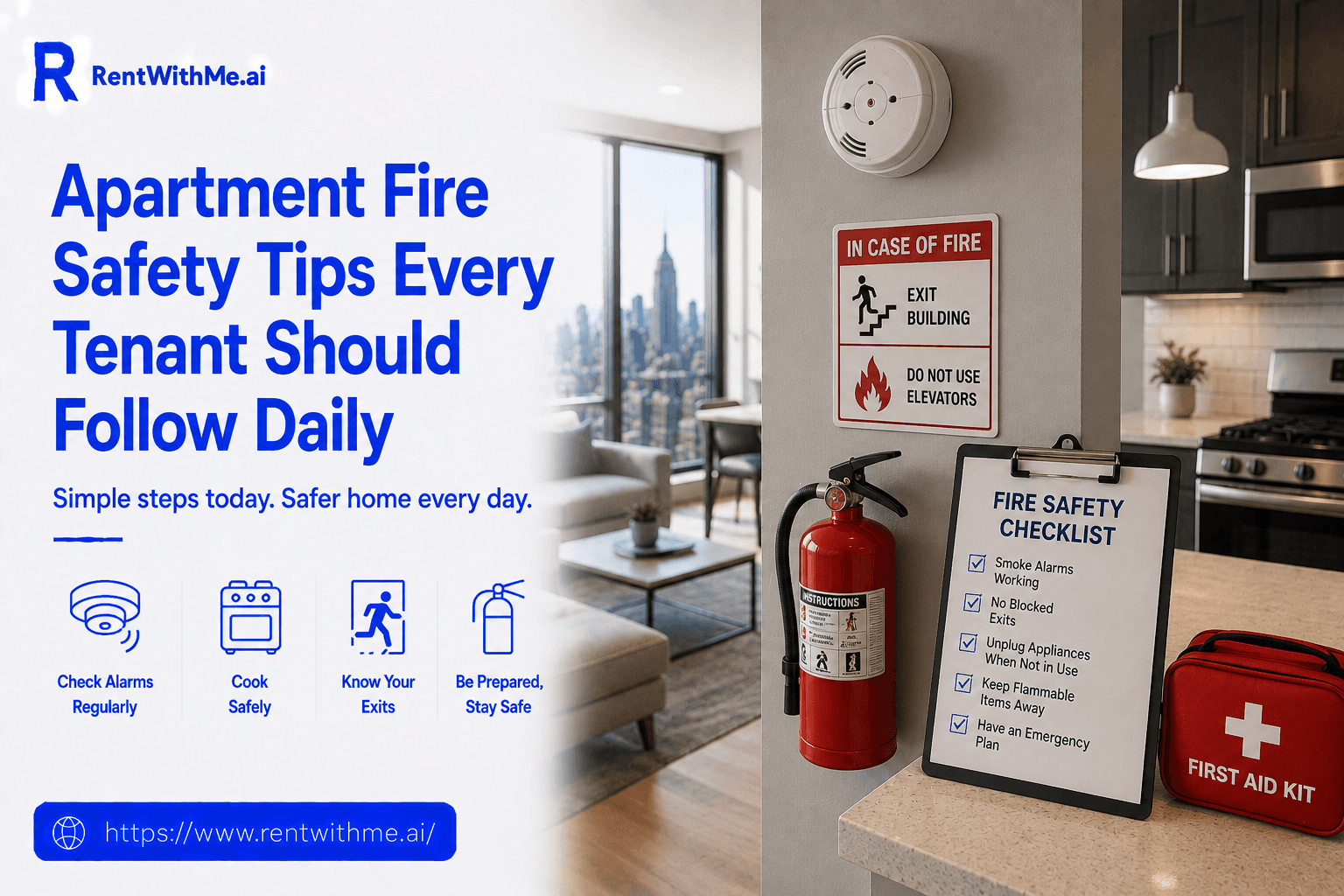
Apartment Fire Safety Tips Every Tenant Should Follow Daily
Introduction
Apartment fire safety should become part of every tenant’s daily routine. Small household habits can prevent dangerous situations from developing unexpectedly. Fires can spread quickly through apartments and shared building spaces. Consistent prevention gives residents valuable protection before emergencies ever begin.
Apartment living creates fire risks different from standalone residential homes. Residents share hallways, walls, utilities, stairways, and building systems daily. A fire beginning elsewhere can still threaten your household significantly. Understanding shared risks encourages tenants to take prevention more seriously.
Good fire safety does not require complicated equipment or constant worry. Simple daily habits can eliminate many preventable household fire hazards. Safe cooking and responsible electrical use make meaningful differences immediately. Clear exits and functioning safety equipment provide additional essential protection.
Every apartment and household has different layouts and individual needs. Families, older adults, pets, and disabled residents require thoughtful preparation. Building procedures can also differ significantly between individual residential properties. Effective fire safety combines prevention with building-specific emergency awareness.
Understanding Apartment Fire Risks
Apartment buildings place many households within relatively compact residential environments. Fire conditions can therefore affect multiple residents beyond one apartment. Smoke can travel through hallways and other shared building spaces. Heat and firefighting activities can also affect neighboring residential units.
Understanding your apartment’s surroundings improves everyday fire prevention decisions significantly. Residents should identify exits, stairwells, alarms, and building safety equipment. Posted emergency instructions deserve careful attention before dangerous situations develop. Familiarity can reduce confusion when immediate decisions become unexpectedly necessary.
Different apartment layouts can create different fire safety considerations too. Smaller apartments may place furniture closer to heating equipment naturally. High-rise residents may depend heavily upon elevators during normal routines. Basement residents can have different evacuation challenges than upper-floor households.
Tenants should also understand responsibilities established by building management procedures. Safety concerns should receive prompt reporting through appropriate management channels. Damaged alarms or blocked common exits deserve immediate professional attention. Shared responsibility helps create safer conditions throughout residential apartment buildings.

The Most Common Apartment Fire Hazards
Many apartment fires begin with ordinary activities residents perform daily. Cooking represents an important area requiring consistent attention and caution. Electrical equipment can also create hazards when damaged or overloaded. Heating devices and open flames introduce additional preventable household risks.
Combustible belongings become dangerous when positioned close to heat sources. Paper and fabrics can ignite when exposed to sufficient heat. Clutter can also obstruct pathways needed during urgent evacuation situations. Organized apartments generally make fire prevention and emergency movement easier.
Smoking materials require careful handling wherever building policies permit smoking. Improperly extinguished materials can ignite furniture or household waste unexpectedly. Candles can create similar risks when residents leave rooms unattended. Safer alternatives can reduce unnecessary exposure to open household flames.
Electronic devices introduce another growing concern within modern apartment households. Phones and laptops require chargers that can become damaged eventually. Rechargeable batteries also require appropriate products and manufacturer-approved handling practices. Residents should stop using equipment showing overheating or visible damage.
Building Daily Fire-Safe Habits
Fire prevention works best when residents develop simple repeatable routines. Daily awareness can identify hazards before those hazards become emergencies. Residents should check cooking equipment after finishing kitchen activities completely. Heating devices and open flames deserve similar attention before leaving.
Electrical cords should remain visible enough for occasional condition checks. Damaged plugs or frayed cables should not remain routinely used. Residents should avoid covering electrical equipment where heat can accumulate. Appropriate ventilation helps many household electronics operate within intended conditions.
Apartment pathways should remain clear enough for emergency movement anytime. Shoes and boxes can create dangerous obstacles during nighttime evacuation. Furniture should not prevent residents from reaching apartment exits quickly. Simple organization supports both everyday convenience and emergency fire safety.
Before sleeping, residents should consider common fire hazards around apartments. Confirm cooking equipment and open flames are safely extinguished completely. Check portable heating equipment according to safe operating instructions carefully. These brief routines can become automatic through consistent daily practice.

Kitchen Fire Safety Every Tenant Should Practice
Kitchens deserve particular attention because cooking frequently involves high temperatures. Residents should remain nearby whenever active cooking requires close supervision. Leaving food unattended can allow minor problems to escalate quickly. Higher-temperature cooking deserves especially focused attention from apartment residents.
Keep towels and paper products away from active cooking surfaces. Food packaging should also remain safely separated from burners and flames. Loose clothing can create hazards when reaching across hot equipment. Organized cooking spaces make these risks considerably easier to control.
Handles should remain positioned to reduce accidental bumps or spills. Stable cookware helps prevent hot liquids from tipping unexpectedly during cooking. Children should remain appropriately separated from dangerous cooking areas whenever possible. Household arrangements should reflect each child’s age and abilities.
Residents should clean accumulated grease from cooking areas regularly too. Grease buildup can increase fire risks around hot kitchen surfaces. Appliance cleaning should always follow appropriate manufacturer instructions and guidance. Clean kitchens support both fire prevention and better everyday maintenance.
Preventing Cooking Fires Before They Start
Cooking fires often develop when attention moves away from active equipment. Phones and household distractions can interrupt important cooking supervision unexpectedly. Residents should remain especially attentive during frying and high-temperature cooking. Turning away briefly can sometimes allow conditions to change quickly.
Oil requires careful temperature control because overheating creates serious hazards. Residents should avoid filling cookware beyond safe practical levels. Wet ingredients can cause hot oil to splash dangerously outward. Appropriate cookware helps control heat and reduce accidental spill risks.
Cooking equipment should remain stable throughout meal preparation whenever possible. Damaged cookware can create unnecessary risks during high-temperature cooking activities. Appliance problems should receive attention before equipment continues regular usage. Never improvise repairs involving electrical or gas cooking systems yourself.
Residents should know how to stop cooking safely when interrupted. Turning equipment off provides better protection than leaving temporarily unattended. Important distractions can wait until cooking conditions become safely controlled. Consistent attention remains one of the strongest kitchen prevention habits.

Understanding Grease Fire Safety
Grease fires require different responses from many ordinary household fires. Adding water can spread burning grease and worsen dangerous conditions. Residents should understand this difference before any cooking emergency occurs. Preparation helps prevent instinctive actions that could increase immediate danger.
Small contained cooking fires may sometimes have appropriate suppression methods. Residents should follow established fire safety guidance for suitable situations. Fire extinguishing equipment should only be used when conditions permit. Personal safety and a clear escape route must remain priorities.
If flames spread rapidly, residents should avoid attempting dangerous suppression. Evacuation can become the safest response when conditions exceed control. Alert emergency services according to appropriate local procedures immediately afterward. Never remain inside simply to protect replaceable household belongings.
Residents should never move burning cookware through their apartment manually. Carrying hot burning grease can spread fire throughout living spaces. It can also cause severe burns during an already dangerous emergency. Prevention and safe response knowledge remain essential around cooking oils.
Electrical Fire Prevention Inside Apartments
Electrical equipment deserves regular attention because apartments contain many devices. Residents frequently use televisions, computers, chargers, lamps, and kitchen appliances. Each device adds electrical demand and potential maintenance considerations. Safe usage begins with equipment remaining in appropriate working condition.
Frayed cords and damaged plugs should receive prompt attention immediately. Residents should discontinue equipment presenting obvious electrical damage or overheating. Unusual burning odors can indicate problems requiring professional evaluation quickly. Sparks or discolored outlets should never become ignored household conditions.
Outlets should not support more equipment than safely intended originally. Overloaded connections can create unnecessary heat and electrical fire hazards. Residents should follow product instructions for power strips and devices. Building electrical concerns should receive qualified professional assessment rather than improvisation.
Electrical cords should not run beneath rugs where damage hides. Furniture can also pinch cords and weaken protective coverings gradually. Cables should remain positioned away from water and excessive heat. Thoughtful cord placement supports safer everyday electrical equipment usage overall.
Extension Cords and Power Strip Safety
Extension cords can provide temporary convenience when used appropriately indoors. However, they should not automatically replace permanent electrical solutions indefinitely. Residents should select products suitable for their intended household applications. Damaged extension cords should immediately leave regular household service entirely.
Power strips also have electrical capacity limits residents should respect. Connecting multiple power strips together can create unsafe arrangements quickly. High-demand appliances may require dedicated outlets according to manufacturer instructions. Residents should never assume every power strip handles every appliance.
Cords should remain uncovered and protected from repeated physical damage. Running cords across walking areas can create additional household hazards. Doors and furniture can damage electrical cords through repeated pressure. Safer placement protects both electrical equipment and household residents.
Persistent outlet shortages may indicate broader apartment electrical needs requiring attention. Residents should discuss appropriate options with building management when necessary. Unqualified electrical modifications can create serious fire and shock hazards. Professional solutions remain safer than complicated extension cord arrangements.

Fire Safety for Chargers and Electronic Devices
Modern apartments contain numerous rechargeable devices operating throughout each day. Phones and laptops frequently remain connected to chargers for hours. Using appropriate charging equipment helps reduce unnecessary electrical and heat risks. Residents should follow manufacturer guidance for their specific electronic devices.
Damaged charging cables should not remain in regular household use. Exposed wires and broken connectors can create electrical safety concerns. Chargers producing unusual heat or odors deserve immediate attention too. Replacing questionable equipment is safer than continuing uncertain daily usage.
Electronic devices need suitable surfaces during charging and normal operation. Soft bedding can trap heat around some electronic equipment significantly. Residents should avoid charging devices where ventilation becomes unnecessarily restricted. Manufacturer instructions provide appropriate guidance for individual product requirements.
Rechargeable batteries showing swelling or physical damage require special caution. Residents should discontinue use and follow appropriate disposal guidance. Damaged batteries should not enter ordinary household trash automatically. Local disposal requirements can provide safer handling options for residents.
Portable Heater Safety
Portable heaters can provide useful warmth but require careful operation. They generate substantial heat within relatively compact household spaces. Curtains and furniture should remain safely separated from heating equipment. Manufacturer clearance requirements should guide placement within individual apartments.
Portable heaters should stand on stable surfaces appropriate for operation. Residents should avoid locations where equipment can tip over easily. Children and pets may require additional supervision around active heaters. Household traffic patterns should influence safe heater placement decisions carefully.
Electrical heaters should follow manufacturer requirements regarding outlet connections strictly. Extension cords may be inappropriate for certain high-demand heating equipment. Residents should never overload outlets while operating portable household heaters. Damaged plugs or cords require immediate discontinuation and proper replacement.
Turn heaters off whenever instructions or circumstances require shutdown. Residents should avoid leaving active heaters unattended for extended periods. Sleeping arrangements should follow manufacturer guidance for safe heater operation. Responsible usage keeps convenient heating from becoming preventable fire risk.

Candle and Open-Flame Safety
Candles can create unnecessary fire risks within compact apartment spaces. Their flames can ignite nearby paper or fabric surprisingly quickly. Curtains and decorations should remain well separated from burning candles. Residents should never place candles near unstable household surfaces either.
Never leave burning candles unattended when leaving a room temporarily. Residents should extinguish flames before sleeping or leaving apartments. Children and pets can accidentally knock candles from surfaces easily. Safe placement requires considering household movement and unexpected accidental contact.
Flameless candles can provide similar atmosphere without exposed household flames. Battery-operated alternatives may suit households with children or pets particularly. They also reduce concerns about forgetting to extinguish candles afterward. Residents seeking decorative lighting should consider these safer alternatives.
Religious or cultural candle use may require thoughtful fire precautions. Flames should remain supervised and safely separated from combustible materials. Appropriate holders should provide stable support throughout the entire usage period. Building policies may also establish relevant requirements residents should follow.
Smoking and Fire Prevention
Smoking materials can create serious fire hazards when handled carelessly. Cigarettes can remain hot enough to ignite combustible household materials. Residents should follow all applicable building smoking rules and restrictions. Building policies may prohibit smoking within apartments or shared areas.
Smoking materials should never remain unattended while they are still burning. Proper extinguishing helps prevent accidental ignition after apparent disposal. Ashtrays should remain stable and suitable for their intended purpose. Household waste should never receive materials that remain potentially hot.
Smoking in bed creates particularly dangerous conditions for apartment residents. Sleep can prevent people from noticing dropped burning materials quickly. Soft furnishings can ignite and produce dangerous smoke within minutes. Avoiding this behavior removes a significant and unnecessary household risk.
Visitors should also understand applicable household and building smoking expectations. Tenants remain responsible for maintaining safe conditions inside their apartments. Clear rules help prevent uncertainty when guests use smoking materials. Prevention becomes easier when household expectations remain consistent for everyone.
Everyday Apartment Fire Hazard Comparison Table
| Fire Hazard | Common Concern | Practical Prevention Habit | Immediate Attention Needed When |
|---|---|---|---|
| Cooking | Unattended heat or overheated grease | Stay nearby and keep cooking areas organized | Flames or uncontrolled smoke appear |
| Electrical cords | Fraying, overheating, or physical damage | Inspect cords and stop using damaged equipment | Sparks, burning odors, or melting appear |
| Power strips | Excessive connected electrical demand | Follow product ratings and avoid daisy-chaining | Equipment becomes unusually hot |
| Chargers | Damaged cables or trapped charging heat | Use appropriate chargers on suitable surfaces | Batteries swell or chargers overheat |
| Portable heaters | Nearby combustible materials | Maintain appropriate clearance and stable placement | Equipment sparks or produces burning odors |
| Candles | Unattended exposed flames | Supervise continuously and consider flameless alternatives | Nearby materials begin overheating |
| Smoking materials | Incomplete extinguishing | Dispose carefully after complete extinguishment | Furniture or waste begins smoking |
| Cluttered exits | Delayed emergency evacuation | Keep pathways and apartment exits unobstructed | Normal exit access becomes restricted |
Recognizing common hazards makes everyday fire prevention considerably more manageable. Most prevention habits require attention rather than expensive specialized equipment. Residents should address unusual heat, smoke, or electrical problems promptly. Ignoring small warning signs can allow preventable hazards to worsen.

Keeping Apartment Exits Clear
Safe evacuation depends upon residents reaching exits without unnecessary obstacles. Apartment pathways should remain reasonably clear during daytime and nighttime. Boxes and furniture should never block primary household exit routes. Clear pathways become especially important when smoke reduces normal visibility.
Residents should consider how quickly everyone could leave while sleeping. Shoes or stored belongings can create dangerous nighttime tripping hazards. Children and older adults may need particularly clear walking routes. Consistent organization improves evacuation access without requiring major household changes.
Apartment doors should remain easily accessible from main living areas. Residents should understand how locks operate during urgent evacuation situations. Household members should never depend entirely upon another person leaving first. Everyone capable should understand how to reach appropriate exits independently.
Common building corridors also require appropriate access and responsible usage. Residents should follow building rules concerning hallway storage and obstructions. Concerns about blocked emergency routes should receive prompt management attention. Clear shared spaces support safer evacuation for every building resident.
Understanding Fire Doors and Building Safety Features
Apartment buildings often contain safety features designed to limit fire spread. Fire doors can help separate areas during dangerous building conditions. Residents should avoid interfering with doors intended for safety purposes. Building-specific instructions can explain how these systems should function properly.
Smoke alarms and sprinkler systems provide additional important protective measures. Residents should never disable or obstruct functioning building safety equipment. Damage or malfunction should receive prompt reporting through proper channels. Qualified personnel should handle repairs involving installed fire protection systems.
Fire extinguishers may exist inside apartments or shared building areas. Residents should know their locations without obstructing access to equipment. Equipment should remain maintained according to applicable building responsibilities. Tenants should report visibly damaged or inaccessible extinguishers when appropriate.
Posted emergency instructions can provide valuable building-specific information for residents. Tenants should read them before an actual emergency develops unexpectedly. High-rise properties may have procedures differing from smaller apartment buildings. Understanding these differences strengthens everyday fire preparedness and response planning.
Preparing for the Response Side of Fire Safety
Daily prevention reduces fire risks but cannot eliminate every possibility. Fires can begin elsewhere and still affect careful apartment residents. Tenants therefore need preparation alongside strong everyday prevention habits. Detection and evacuation planning become essential parts of complete protection.
Smoke alarms provide early warnings when dangerous conditions begin developing nearby. Household members also need clear plans for responding appropriately. Primary and alternative escape routes should become familiar before emergencies. Building-specific procedures should guide decisions during actual fire conditions.
The next stage focuses on detection and emergency fire response. It covers smoke alarms, escape planning, and high-rise considerations carefully. Children and residents needing assistance also require specialized preparation. Combining prevention with practiced response creates stronger apartment fire safety.
Smoke Alarms and Why They Matter
Smoke alarms provide critical warnings when dangerous fire conditions begin developing. Early detection gives residents valuable time for safer emergency decisions. Smoke can spread rapidly throughout apartments and shared building spaces. Working alarms therefore remain essential components of apartment fire protection.
Residents should know where every smoke alarm sits inside apartments. Furniture or decorations should never obstruct installed smoke detection equipment. Tenants should understand alarm sounds before actual emergencies suddenly occur. Familiarity helps residents recognize warnings without wasting valuable response time.
Every alarm activation deserves serious attention until conditions become understood. Residents should never assume alarms represent harmless problems without checking. Previous false alarms do not guarantee future alarms remain harmless. Fire conditions can develop quickly while residents hesitate or investigate.
Building management may maintain certain alarms or interconnected safety systems. Tenants should understand responsibilities applying within their particular residential building. Malfunctioning equipment should receive prompt attention through appropriate reporting channels. Residents should never permanently disable alarms because occasional disturbances become inconvenient.
Maintaining Smoke Alarms Properly
Smoke alarms require regular attention to remain dependable during emergencies. Residents should follow manufacturer guidance and applicable building requirements carefully. Testing schedules may vary depending upon installed alarm designs. Building management can clarify responsibilities for permanently installed safety equipment.
Low battery warnings should never remain ignored for extended periods. Residents should replace applicable batteries using suitable recommended replacements promptly. Some modern alarms contain sealed batteries requiring different maintenance procedures. Tenants should follow instructions provided for their particular alarm models.
Dust or household debris can sometimes interfere with alarm performance. Cleaning should follow manufacturer instructions without damaging sensitive detection components. Residents should never paint over alarms or cover ventilation openings. Decorative modifications can reduce equipment effectiveness when warnings become necessary.
An alarm reaching its recommended replacement age requires appropriate attention. Residents should check applicable manufacturer information regarding expected service life. Building management should handle replacements falling under building maintenance responsibilities. Reliable alarms provide little benefit when residents neglect necessary maintenance.
Understanding Carbon Monoxide Safety
Carbon monoxide creates serious dangers because people cannot detect it naturally. This gas has no reliable visible warning residents can recognize. Exposure can cause headaches, dizziness, weakness, confusion, or nausea. Severe exposure can become life-threatening without prompt appropriate action.
Carbon monoxide alarms provide essential warnings when dangerous concentrations become detected. Residents should understand where these alarms are located inside apartments. Equipment should remain unobstructed and maintained according to appropriate instructions. Never disable alarms because previous warnings seemed inconvenient or unexplained.
Fuel-burning appliances can create carbon monoxide concerns when problems develop. Building heating equipment may also involve combustion depending upon systems. Residents should report unusual appliance conditions through appropriate building channels. Qualified professionals should inspect suspected equipment rather than untrained residents.
When carbon monoxide alarms activate, residents should take warnings seriously. Follow official emergency guidance and leave dangerous areas when directed. Seek appropriate medical assistance whenever symptoms or circumstances require attention. Never reenter restricted spaces until qualified authorities confirm safe conditions.
Creating an Apartment Fire Escape Plan
Every apartment household should establish a clear fire escape plan. Residents need primary and alternative routes from their living spaces. Routes should connect apartment exits with appropriate building evacuation pathways. Familiar planning becomes valuable when smoke or darkness reduces visibility.
Walk through possible evacuation routes before any emergency actually occurs. Identify stairwells and building exits serving your residential floor. Understand whether alternative routes remain available when normal pathways become blocked. Building-specific emergency information should guide household escape planning decisions.
Household members should know where everyone plans to meet outside. Choose a location safely separated from building emergency response activity. A predetermined meeting place helps residents account for household members. It also discourages dangerous attempts to reenter searching for others.
Escape plans should remain simple enough for everyone to remember. Complicated instructions become difficult during stressful and rapidly changing conditions. Assign responsibilities according to household members’ abilities and individual needs. Everyone should understand that personal safety remains the highest priority.
Practicing Your Fire Escape Plan
A fire escape plan becomes more useful through occasional practice. Household members should walk through routes during normal safe conditions. Practice helps identify obstacles that written planning might otherwise overlook. It also builds familiarity without requiring complicated emergency drills regularly.
Children need instructions matching their age and level of understanding. Adults should explain alarms and meeting locations using calm language. Children should know which trusted adults provide guidance during emergencies. Practice should build confidence rather than creating unnecessary household anxiety.
Residents should consider how evacuation changes during nighttime sleeping hours. Darkness and reduced alertness can make familiar apartments feel different. Keep pathways clear and necessary mobility equipment consistently accessible overnight. Household members should understand routes without depending upon normal lighting.
Plans require updates whenever important household circumstances change significantly. New roommates or family members need immediate fire safety orientation. Furniture changes can also affect previously convenient apartment escape routes. Moving apartments requires creating an entirely new evacuation plan promptly.
High-Rise Apartment Fire Safety
High-rise residents face additional challenges during building fire emergencies sometimes. Upper-floor evacuation may require traveling substantial distances through building stairways. Smoke conditions elsewhere can also affect appropriate response decisions significantly. Residents should understand procedures established for their particular high-rise building.
Building construction can influence recommended actions during certain fire situations. Therefore, residents should never assume every high-rise requires identical responses. Posted fire safety information can provide important building-specific emergency guidance. Management should clarify procedures residents do not fully understand beforehand.
High-rise residents should identify every relevant stairwell serving their floor. They should understand how stairways connect with exterior building exits. Residents should avoid storing assumptions based solely upon everyday elevator usage. Emergency conditions can make familiar transportation systems temporarily unavailable or unsafe.
People needing evacuation assistance require especially careful high-rise planning beforehand. Mobility limitations can significantly affect stairway travel during emergency conditions. Residents should discuss applicable procedures with building management before emergencies. Plans should reflect individual capabilities and established building safety arrangements.
Stairwell and Elevator Safety During Fires
Elevators should not become the automatic choice during building fires. Fire or electrical problems can make elevator operation unpredictable sometimes. Smoke can also affect elevator lobbies and surrounding shared areas. Residents should follow building procedures regarding appropriate evacuation transportation methods.
Stairwells often provide important evacuation routes within apartment buildings. Residents should know stairwell locations before smoke reduces normal visibility. Doors leading into stairwells should remain unobstructed and appropriately maintained. Report damaged or blocked safety doors through proper management channels.
During evacuation, residents should move calmly without creating unnecessary congestion. Emergency responders may use stairways while conducting building operations simultaneously. Follow instructions provided by firefighters or other authorized personnel carefully. Never interfere with emergency equipment or professional response activities nearby.
Residents with mobility challenges need realistic alternatives established before emergencies. Building management can explain procedures applicable to accessible evacuation planning. Household members should avoid creating plans requiring unsafe physical assistance. Professional emergency guidance should remain central during dangerous fire conditions.
What to Do When You Discover a Fire
Discovering a fire requires quick decisions focused upon personal safety. Residents should avoid spending valuable time protecting replaceable household belongings. Alert others when doing so does not create additional danger. Emergency services should receive notification through appropriate local procedures promptly.
Small fires can become larger much faster than residents expect. Attempting suppression should never block a clear and safe escape. Residents without appropriate equipment or knowledge should prioritize evacuation instead. Firefighters have specialized training and equipment for dangerous suppression activities.
If evacuation remains safe, household members should follow planned routes. Close doors when appropriate without delaying movement toward safer areas. Residents should proceed toward established meeting locations after leaving buildings. Once outside, remain available for instructions from emergency personnel.
Never return inside because valuable possessions remain within the apartment. Reentry can expose residents to smoke and rapidly changing conditions. Emergency responders should receive information about anyone possibly remaining inside. Personal rescue attempts can create additional victims requiring emergency assistance.
What to Do When a Fire Alarm Activates
Fire alarms should trigger immediate attention rather than casual dismissal. Residents should pause normal activities and evaluate appropriate emergency actions. Building procedures may provide specific instructions regarding alarm responses. These instructions should remain familiar before alarms activate unexpectedly.
Do not waste time collecting unnecessary belongings during possible emergencies. Essential evacuation items should already remain accessible whenever reasonably possible. Residents should focus upon household members and safe movement first. Replaceable possessions should never delay appropriate emergency responses.
Hallway conditions can influence whether particular evacuation routes remain safe. Residents should avoid entering areas containing dangerous smoke or heat. Alternative routes may become necessary depending upon building conditions. Official instructions should guide decisions whenever emergency responders provide them.
After reaching safety, household members should gather at planned locations. Residents should account for everyone without returning inside the building. Notify emergency personnel if someone remains missing or potentially trapped. Accurate information helps responders manage dangerous situations more effectively.
What to Do When Smoke Blocks Your Exit
Smoke can make normal apartment evacuation routes extremely dangerous quickly. Residents should never enter dense smoke seeking familiar building exits. Smoke exposure can reduce visibility and impair breathing within moments. Alternative actions depend upon building conditions and official guidance.
Keep doors between household members and dangerous smoke when appropriate. Residents should communicate their location to emergency services immediately. Follow dispatcher instructions carefully because circumstances can differ significantly. Never improvise risky escape methods without understanding surrounding hazards clearly.
Windows may provide visibility or communication opportunities in some circumstances. However, residents should not attempt dangerous jumps from elevated apartments. Emergency responders need accurate information about apartment location and occupants. Visible signals should follow instructions from emergency personnel when possible.
Remaining calm supports clearer communication during frightening emergency conditions. Household members should stay together when circumstances safely permit this. Children may need reassurance while adults follow professional emergency instructions. Preparation beforehand makes these difficult moments somewhat easier to manage.
Fire Extinguisher Basics for Apartment Residents
Fire extinguishers can help during certain small and contained fires. However, equipment does not replace immediate evacuation when conditions worsen. Residents should understand extinguisher instructions before any emergency actually develops. Learning during an active fire wastes valuable and dangerous time.
Different extinguishers may serve different types of household fire hazards. Residents should understand equipment provided within their particular apartments. Building management can explain installed extinguishers within shared residential areas. Never assume unfamiliar equipment suits every possible apartment fire.
Residents should only consider extinguisher use when escape remains available. Fire conditions should remain small enough for appropriate equipment usage. Smoke or rapidly spreading flames should trigger immediate evacuation instead. Personal safety should always outweigh attempts to prevent property damage.
Extinguishers require appropriate inspection and maintenance to remain dependable. Residents should report damaged or inaccessible building equipment when noticed. Household extinguishers should follow manufacturer guidance regarding maintenance and replacement. Proper equipment knowledge strengthens preparedness without encouraging unnecessary firefighting risks.
Apartment Fire Response Comparison Table
| Fire Situation | Main Concern | Immediate Priority | Important Reminder |
|---|---|---|---|
| Alarm activation | Possible developing fire conditions | Follow building procedures and assess safe response | Never ignore repeated alarms |
| Visible apartment fire | Rapidly spreading heat and smoke | Prioritize evacuation and emergency notification | Do not delay for belongings |
| Smoke-filled hallway | Dangerous smoke exposure | Avoid entering unsafe smoke conditions | Seek alternative guidance immediately |
| Blocked normal exit | Loss of familiar evacuation route | Use safe alternatives when available | Never force movement through dangerous areas |
| High-rise fire | Complex vertical evacuation conditions | Follow building-specific procedures | Elevators may become unsafe |
| Small contained fire | Potential rapid fire growth | Preserve escape access before considering suppression | Leave immediately if conditions worsen |
Different fire conditions can require significantly different resident responses. Building design and fire location can influence appropriate actions considerably. Residents should prioritize official instructions over generalized assumptions during emergencies. Preparedness creates options without replacing professional emergency response guidance.
Fire Safety for Children
Children require fire safety education appropriate for their developmental abilities. Adults should explain alarms without making emergency planning unnecessarily frightening. Simple instructions are easier for children to remember under stress. Repetition can gradually build confidence and useful emergency awareness.
Children should understand that fire alarms require immediate adult attention. They should know household meeting locations outside the apartment building. Older children can learn appropriate emergency contact information when ready. Instructions should remain consistent among adults responsible for household caregiving.
Matches and lighters should remain securely inaccessible to young children. Adults should explain that ignition equipment is never a toy. Curiosity can create dangerous situations when children discover unattended materials. Secure storage provides stronger protection than verbal warnings alone.
During evacuation, adults should have clear responsibilities for younger children. Plans should account for nighttime emergencies when everyone may sleep. Children should never return inside buildings for toys or belongings. Practiced family plans help reinforce this important safety expectation consistently.
Fire Safety for Older Adults
Older adults may require additional preparation for apartment fire emergencies. Mobility limitations can increase the time needed for safe evacuation. Hearing or vision changes may also affect emergency warning recognition. Individual planning should address actual abilities rather than general assumptions.
Mobility aids should remain accessible and positioned for practical emergency use. Residents should avoid storing necessary equipment behind household clutter. Essential medications may belong within accessible emergency preparations when appropriate. Individual healthcare guidance should shape medication-related emergency planning decisions.
Older residents living alone can benefit from trusted local contacts. Neighbors may provide communication support when doing so remains safe. However, emergency plans should not depend entirely upon untrained assistance. Building procedures should address appropriate support for residents needing help.
Smoke alarm accessibility may also require additional consideration for individuals. Specialized alerting equipment can support residents with particular sensory needs. Appropriate professionals can help identify suitable devices when necessary. Fire safety planning should remain personalized and practical for residents.
Fire Safety for Residents With Disabilities
Residents with disabilities deserve individualized fire safety planning before emergencies. Mobility and sensory needs can significantly influence evacuation options available. Communication requirements may also affect receiving and understanding emergency instructions. Plans should reflect each person’s actual daily circumstances carefully.
Residents should discuss building-specific emergency procedures with management beforehand. Ask how elevator outages affect established accessibility evacuation arrangements. Understand which stairways or designated areas apply when appropriate. Clarifying procedures early prevents unnecessary confusion during dangerous fire conditions.
Necessary mobility devices should remain accessible throughout normal household routines. Emergency communication tools should also remain charged and ready. Backup power may require planning for certain essential electronic devices. Professional guidance should support decisions involving specialized medical equipment.
Trusted household members or neighbors can become part of planning. However, assistance expectations should remain realistic and safely achievable. No resident should attempt dangerous rescues without appropriate emergency training. Firefighters should receive accurate information about residents requiring specialized assistance.
Fire Safety for Pets
Pets should become part of household fire planning from beginning. Animals can become frightened and hide when alarms suddenly activate. Accessible carriers can make evacuation faster when conditions safely permit. Identification also helps when pets become separated during emergencies.
Residents should know common hiding places used by household pets. However, searching extensively during dangerous fires can delay evacuation. Personal safety must remain the first priority during rapidly worsening conditions. Emergency responders can receive information about animals potentially remaining inside.
Pet emergency supplies should include necessary medications and identification records. Temporary housing options should consider whether animals can accompany residents. Trusted contacts may provide backup pet care after displacement. Planning beforehand reduces stressful decisions following unexpected building fires.
Never leave burning candles or heating equipment accessible around pets. Curious animals can knock objects over or damage electrical cords. Furniture placement should consider normal pet movement throughout apartment spaces. Everyday prevention protects animals while reducing broader household fire risks.
Fire Safety When Leaving Your Apartment
A simple departure routine can prevent several common apartment hazards. Residents should check cooking equipment before leaving their apartments. Portable heaters and open flames deserve equally careful attention. These checks require little time once they become regular habits.
Cooking burners should remain completely off after food preparation finishes. Residents should confirm ovens are operating only when intentionally required. Candles should always become extinguished before leaving apartments unattended. Smoking materials should receive complete and appropriate extinguishing before disposal.
Residents should check portable heating equipment according to manufacturer guidance. Electronic devices should not remain charging under unsafe conditions. Damaged electrical equipment should stay disconnected until appropriately replaced. Departure routines should focus upon meaningful hazards rather than unnecessary checking.
Apartment doors should close properly when residents leave the building. Fire doors in shared spaces should remain unobstructed and functional. Residents should report damaged safety doors through appropriate building channels. Everyday responsibility supports protection beyond the individual apartment household.
Fire Safety Before Going to Sleep
Nighttime fires can become especially dangerous because residents are sleeping. Smoke alarms therefore provide particularly important protection during overnight hours. Residents should keep alarms operational and avoid obstructing detection equipment. Sleeping areas should also maintain clear routes toward apartment exits.
Before bedtime, check cooking equipment and any remaining open flames. Residents should confirm candles are completely extinguished before sleeping. Portable heaters should follow manufacturer instructions regarding overnight operation carefully. Smoking in bed should never become part of household routines.
Phones and electronic devices require sensible charging arrangements during nighttime. Avoid placing charging equipment where heat becomes unnecessarily trapped. Damaged chargers should never remain connected simply for overnight convenience. Residents should follow manufacturer instructions for safe charging practices consistently.
Keep keys and necessary mobility equipment accessible during nighttime hours. Household members should understand escape routes without relying upon elevators. Children should know which adults provide guidance during emergencies. Simple bedtime precautions strengthen overall apartment fire readiness significantly.
Transitioning From Fire Response Toward Recovery
Fire safety extends beyond preventing flames and escaping immediate danger. Residents may face displacement after even relatively contained building fires. Smoke and water damage can affect apartments without direct burning. Understanding recovery needs makes household fire preparation more complete overall.
Tenants may need to communicate with landlords and insurers afterward. Photographs and property inventories can support important damage documentation efforts. Temporary accommodation may become necessary while apartments undergo repairs. Residents should prepare for these possibilities before needing them unexpectedly.
Safe reentry also requires patience after firefighters complete emergency operations. Hidden electrical or structural hazards can remain inside damaged apartments. Residents should never enter restricted spaces merely to retrieve possessions. Appropriate authorities should determine when building access becomes safe again.
The next stage focuses on recovery after apartment fire emergencies. It covers documentation, insurance, temporary housing, and safe reentry. Daily and monthly safety routines will also receive practical attention. Together, these measures complete a comprehensive apartment fire safety strategy.
What to Do Immediately After an Apartment Fire
The first priority after any apartment fire remains personal safety. Confirm household members reached safe locations away from immediate hazards. Report injuries requiring medical attention to appropriate emergency professionals immediately. Property concerns should wait until everyone remains safely accounted for.
Residents should continue following instructions provided by emergency response personnel. Firefighters may restrict building access after visible flames disappear completely. Smoke and structural damage can leave serious hidden dangers behind. Utility systems may also require professional inspection before normal usage.
Never return inside simply because valuable belongings remain within apartments. Conditions can deteriorate unexpectedly even after initial emergency activity decreases. Firefighters need unobstructed access while completing inspections and suppression operations. Residents should wait until authorized personnel permit safe building reentry.
Household members should gather at their predetermined outdoor meeting location. Confirm everyone remains present without sending anybody back inside searching. Inform firefighters when someone or any household pet remains missing. Accurate information helps responders prioritize appropriate emergency operations more effectively.
Returning to Your Apartment Safely
Returning after an apartment fire requires patience and careful judgment. Authorities should confirm whether residents can safely enter affected areas. Building management may provide additional instructions concerning temporary access restrictions. Residents should follow those directions instead of relying upon appearances.
Fire damage can weaken ceilings, walls, floors, and structural components. Smoke may also conceal hazards residents cannot easily identify visually. Water from firefighting operations can create slippery or unstable conditions. Professional assessments may become necessary before normal apartment occupancy resumes.
Electrical systems deserve particular caution following serious fire or water exposure. Never touch exposed wires or visibly damaged electrical equipment afterward. Standing water can create additional electrical hazards throughout affected spaces. Qualified professionals should determine whether damaged systems remain safe.
Gas odors or unusual sounds should receive immediate professional attention. Residents should leave affected areas whenever potentially dangerous conditions appear. Never attempt repairs involving unfamiliar gas or electrical building systems. Professional evaluation protects residents and neighboring households from additional harm.
Documenting Fire and Smoke Damage
Damage documentation becomes important after residents receive safe apartment access. Photographs should capture affected rooms and individual damaged belongings clearly. Wider images can show relationships between damage and apartment areas. Detailed photographs can document specific personal property conditions more effectively.
Residents should create written inventories describing belongings affected by fire. Include approximate purchase dates and prices whenever information remains available. Receipts or previous photographs can support important insurance documentation afterward. Existing household inventories can make this process considerably easier overall.
Avoid throwing damaged belongings away before receiving insurer guidance whenever practical. Insurance representatives may request additional photographs or item documentation first. Dangerous materials should still receive appropriate professional disposal when necessary. Safety requirements should always outweigh preserving damaged evidence for claims.
Keep documentation organized within one secure physical or digital location. Save claim numbers and important correspondence alongside supporting property records. Organized documentation reduces repeated searching during an already stressful recovery. It also supports clearer conversations with insurers and building management.
Communicating With Your Landlord After a Fire
Tenants should notify landlords or building management promptly after fires. Written communication creates useful records regarding reported apartment damage conditions. Describe visible problems accurately without making unsupported assumptions about responsibility. Include photographs when safe access and circumstances reasonably permit documentation.
Ask management about building access and anticipated repair procedures afterward. Residents may need information about utilities and temporary safety restrictions. Keep important responses and notices together throughout the recovery period. Clear records can prevent misunderstandings when repairs involve multiple parties.
Tenants should also provide updated contact details during temporary displacement. Management may need residents for inspections or repair coordination later. Reliable communication helps tenants receive important building updates without delays. Temporary addresses may become relevant when displacement lasts several weeks.
Lease provisions may address certain responsibilities following significant apartment damage. Residents should review relevant terms without assuming their legal meaning. Complex disputes may require appropriate legal or professional guidance separately. Clear communication remains useful regardless of eventual responsibility determinations.
Renters Insurance After an Apartment Fire
Renters insurance can become valuable when covered fire losses occur. Personal property coverage may address qualifying belongings damaged by fire. Smoke damage may also qualify depending upon individual policy provisions. Coverage limits and deductibles influence potential reimbursement amounts significantly afterward.
Residents should contact their insurance providers reasonably soon after emergencies. Representatives can explain claim procedures and necessary supporting documentation clearly. Policyholders should keep claim numbers and representative information readily available. Written notes can help track important conversations throughout recovery.
Additional living expense coverage may help during qualifying temporary displacement. Covered expenses can include certain increased costs associated with relocation. Residents should preserve receipts for lodging and other relevant expenses. Insurance providers can clarify which documented costs qualify under policies.
Residents should avoid assuming every fire-related expense automatically receives coverage. Policies contain limits, conditions, deductibles, and exclusions affecting claims. Review coverage documents and ask representatives specific questions when uncertain. Understanding policy details beforehand makes post-fire decisions considerably easier.
Temporary Housing After Fire Damage
Apartment fires can make residences temporarily unsuitable for normal occupancy. Even limited fires may produce widespread smoke or water damage. Residents should prepare possible temporary housing options before emergencies happen. Advance planning becomes especially useful for families and pet owners.
Hotels may provide convenient short-term accommodation immediately after displacement occurs. Friends or relatives can sometimes offer another temporary housing option. Longer repairs may require more stable temporary living arrangements eventually. Household circumstances should guide which alternatives remain practical and sustainable.
Pack medications and identification before less essential belongings whenever possible. Clothing and chargers can support basic routines during temporary relocation. Children may need school supplies and familiar personal comfort items. Pet owners should bring necessary food, medications, and identification records.
Keep receipts connected with temporary accommodation and increased living expenses. Transportation and meals may also create additional qualifying expenses sometimes. Insurance policies determine which costs receive reimbursement after covered losses. Residents should confirm requirements before making avoidable expensive assumptions.
Understanding Smoke Damage After Fires
Smoke can damage belongings located far beyond visible flames sometimes. Fine particles can settle across furniture, clothing, walls, and electronics. Odors may remain even after obvious fire debris disappears completely. Professional cleaning may become necessary depending upon contamination severity levels.
Residents should avoid immediately cleaning everything before documenting existing conditions. Photographs can establish how belongings appeared following the fire. Insurance providers may also provide instructions regarding professional cleaning services. Following claim procedures can prevent unnecessary documentation complications later.
Smoke exposure can also create health concerns requiring appropriate caution. Residents should avoid heavily contaminated spaces until professionals provide guidance. People with respiratory vulnerabilities may require additional medical considerations afterward. Individual healthcare questions should receive qualified medical guidance when necessary.
Electronics affected by smoke should receive careful professional assessment beforehand. Turning damaged devices on could create additional electrical hazards unexpectedly. Residents should avoid testing questionable appliances simply to check functionality. Qualified technicians can determine whether equipment remains safe for usage.
Understanding Water Damage After Firefighting
Fire suppression frequently introduces significant water into affected residential spaces. Water can damage flooring, furniture, electronics, walls, and personal belongings. Apartments below fire locations may also experience substantial water intrusion. Damage can therefore extend beyond areas directly touched by flames.
Standing water creates several possible hazards requiring cautious professional assessment. Electrical systems may remain energized or damaged after water exposure. Wet ceilings or floors can also become structurally unstable afterward. Residents should avoid affected areas until appropriate professionals confirm safety.
Document water damage with photographs after receiving safe access permission. Capture affected belongings before moving items whenever reasonably practical. Residents should communicate water damage details to appropriate insurers promptly. Building management should also receive information about continuing leaks or hazards.
Drying and restoration should begin according to professional recommendations afterward. Delayed moisture removal can create additional property and indoor concerns. Residents should avoid attempting unsafe electrical equipment drying or repairs. Appropriate restoration professionals can address significant water-related building damage safely.
Preventing Fires During Apartment Renovations
Renovation projects can temporarily introduce unfamiliar fire hazards into apartments. Construction materials and electrical equipment may increase combustible household clutter. Temporary work arrangements can also change familiar apartment walking routes. Tenants should maintain clear exits throughout renovation activities whenever possible.
Contractors should follow applicable building rules and appropriate safety requirements. Residents should communicate concerns about unsafe practices through proper channels. Electrical work should receive attention from appropriately qualified professionals only. Improvised wiring can create serious risks long after renovations finish.
Paints and other renovation materials require appropriate storage and handling. Residents should follow product instructions concerning heat and ventilation requirements. Combustible materials should remain separated from ignition sources during projects. Unnecessary materials should not accumulate near apartment evacuation pathways either.
Renovations can also affect smoke alarms or other safety equipment. Residents should never permanently disable protective systems during construction activities. Temporary adjustments should follow applicable professional and building procedures carefully. Safety equipment should return to proper operation as required afterward.
Holiday and Seasonal Fire Safety
Seasonal decorations can introduce temporary electrical and open-flame hazards indoors. Decorative lights should receive inspection before returning to household use. Damaged cords or broken connections should not remain in service. Residents should follow manufacturer instructions regarding appropriate decorative equipment usage.
Decorations should remain separated from candles and other heat sources. Paper and fabric decorations can ignite when exposed to flames. Residents should consider flameless alternatives where decorative candles seem desirable. Safer options can provide atmosphere without additional open-flame risks.
Electrical decorations should never overload outlets or unsuitable power strips. Residents should understand product ratings before connecting multiple decorative devices. Extension cords should remain appropriate for their intended indoor applications. Damaged seasonal equipment should receive replacement rather than improvised repairs.
Holiday gatherings can also introduce distractions during active cooking activities. Hosts should maintain kitchen attention despite conversations and arriving guests. Children should remain appropriately separated from hot cooking areas nearby. Festive occasions still require ordinary apartment fire prevention habits consistently.
Moving Into a New Apartment With Fire Safety in Mind
Moving creates an ideal opportunity to establish strong safety habits. Residents should identify exits before unpacking makes apartments feel familiar. Locate building stairwells and understand where they reach street level. Review posted emergency information during the first days after moving.
Tenants should locate smoke and carbon monoxide alarms immediately too. Report missing or visibly damaged equipment through appropriate management channels. Never assume safety systems work simply because equipment appears installed. Understand applicable testing and maintenance responsibilities within the building.
Furniture placement should preserve clear pathways toward apartment exit doors. Avoid positioning large belongings where they restrict emergency movement significantly. Electrical outlets should remain accessible without dangerous extension cord arrangements. Thoughtful initial organization can prevent recurring fire hazards later.
New residents should also learn important building management contact procedures. Know how urgent safety concerns receive attention outside business hours. Household members should review emergency expectations shortly after moving together. Early preparation creates safer routines before emergencies ever become relevant.
Apartment Fire Safety Checklist
A practical checklist helps tenants review essential fire safety habits. Households should adapt these points to their apartment circumstances appropriately.
- Keep cooking areas supervised whenever active heat requires close attention.
- Maintain clear pathways toward apartment doors and building exits daily.
- Stop using damaged electrical cords, chargers, plugs, or appliances immediately.
- Keep portable heaters separated from furniture and combustible household materials.
- Extinguish candles completely before sleeping or leaving apartments unattended.
- Keep smoke and carbon monoxide alarms unobstructed and properly maintained.
- Learn primary and alternative evacuation routes before emergencies actually occur.
- Understand building procedures regarding alarms, stairways, and emergency evacuation requirements.
- Include children, older adults, disabled residents, and pets within planning.
- Maintain accessible emergency contacts and predetermined household meeting locations outside.
- Report damaged fire doors or building safety equipment promptly.
- Review household fire safety plans whenever living circumstances significantly change.
A checklist works only when residents consistently practice its recommendations. Occasional awareness cannot replace reliable everyday household fire prevention habits. Review weak areas gradually and make practical improvements over time. Small changes can significantly strengthen apartment fire safety preparedness overall.
Creating a Daily Fire Safety Routine
Daily fire prevention should feel simple rather than overly complicated. Residents can integrate brief safety checks into existing household routines. Kitchen equipment deserves attention after every cooking activity finishes completely. Open flames and heating devices require similar consistent awareness daily.
Before leaving apartments, residents should confirm obvious heat sources remain safe. Candles should become extinguished and cooking equipment properly switched off. Portable heaters should follow applicable manufacturer shutdown guidance carefully. These actions require seconds once they become established habits.
Charging equipment should also receive regular visual attention during daily usage. Damaged cables or unusual overheating should trigger immediate discontinuation promptly. Electronic devices need suitable surfaces allowing appropriate heat dissipation during charging. Routine observation can reveal problems before serious hazards develop.
Nightly routines should include maintaining accessible exits and clear pathways. Household members should avoid leaving obstacles within primary walking routes. Keys and mobility equipment should remain easy to reach quickly. Consistent organization supports faster movement when alarms activate during sleep.
Creating a Monthly Fire Safety Routine
Monthly reviews provide opportunities to catch slowly developing household hazards. Residents should inspect frequently used electrical cords for visible damage. Power strips and chargers deserve similar attention during these reviews. Equipment showing concerning deterioration should leave regular service immediately.
Smoke alarm maintenance should follow applicable manufacturer and building guidance. Residents can use monthly reviews to confirm equipment remains unobstructed. Any warning signals or malfunctioning alarms deserve prompt attention. Building management should receive reports concerning equipment under its responsibility.
Review apartment escape routes and confirm household pathways remain accessible. Furniture changes can unintentionally restrict previously clear emergency movement routes. New household belongings may also create unexpected obstacles near exits. Regular reviews help residents correct these changes before emergencies.
Household fire plans should remain familiar to everyone living there. Briefly review meeting locations and responsibilities when circumstances have changed. New roommates should learn important fire procedures immediately after arriving. Regular conversation keeps emergency expectations understandable without creating unnecessary anxiety.
Common Apartment Fire Safety Mistakes
One common mistake involves leaving active cooking equipment unattended unnecessarily. Residents sometimes underestimate how rapidly overheated food can ignite nearby. High-temperature cooking requires particularly careful supervision throughout the entire process. Avoiding distractions can eliminate many preventable kitchen fire hazards.
Another mistake involves continuing to use visibly damaged electrical equipment. Frayed cords and overheating chargers should never become normal household conditions. Residents may postpone replacements because equipment continues functioning temporarily. Continued operation can expose households to avoidable electrical fire risks.
Blocked exits create another preventable danger inside crowded apartment spaces. Storage can gradually accumulate near doors and walking pathways. During emergencies, these obstacles can slow residents leaving dangerous conditions. Keeping routes consistently clear requires simple but regular household attention.
Ignoring alarms represents one of the most dangerous possible habits. Repeated false alarms can make residents less responsive over time. Every activation should still receive appropriate attention and evaluation. Genuine fire emergencies may initially appear similar to previous harmless alarms.
Realistic Apartment Fire Scenarios
Imagine cooking oil begins smoking while someone answers their phone. Continued heating can quickly transform a manageable situation into danger. Turning attention back immediately may prevent further dangerous heat buildup. Prevention begins by avoiding distractions during higher-risk cooking activities altogether.
Consider smoke alarms activating during the middle of nighttime sleep. Household members need clear routes without searching for necessary belongings. A practiced meeting location helps everyone account for each other. Familiar planning becomes especially valuable when residents remain tired and confused.
Another scenario involves fire occurring elsewhere inside the apartment building. Your own apartment may initially show no visible fire damage. Building procedures and official instructions should guide appropriate resident actions. Assumptions based solely upon visible conditions can become dangerously misleading.
Smoke could also enter the hallway outside your apartment door. The normal evacuation route may suddenly become unsafe for residents. Entering dense smoke can create severe danger within moments. Emergency services should provide guidance based upon specific building conditions.
Frequently Asked Questions About Apartment Fire Safety
What Should Tenants Do When Fire Alarms Activate?
Tenants should treat every fire alarm as potentially serious initially. Follow building procedures and evaluate appropriate safe emergency actions promptly. Residents should never ignore alarms because previous activations seemed harmless. Official instructions should guide responses during active building emergencies whenever available.
Should Residents Use Elevators During Apartment Fires?
Elevators can become unsafe during fires and related electrical disruptions. Residents should follow their building’s established emergency evacuation procedures carefully. Stairways commonly serve important evacuation functions within residential apartment buildings. Emergency personnel instructions should always take priority during actual incidents.
How Should Tenants Handle Grease Fires?
Residents should never pour water onto burning cooking grease directly. Water can spread burning grease and dramatically worsen dangerous conditions. Small contained fires require appropriate methods and suitable safety equipment. Rapidly spreading flames should trigger evacuation and emergency notification immediately.
What Should Residents Do When Hallways Contain Smoke?
Residents should avoid entering hallways containing dangerous smoke conditions whenever possible. Smoke exposure can impair breathing and visibility extremely quickly indoors. Contact emergency services and clearly communicate your exact apartment location. Follow professional instructions based upon conditions affecting your specific building.
How Often Should Household Fire Plans Receive Review?
Households should review fire plans whenever important circumstances change significantly. Moving apartments requires immediate development of new evacuation planning procedures. Seasonal or annual reviews can also keep information current. Practice helps household members remember routes and meeting locations reliably.
What Should Tenants Do After Fire-Related Displacement?
Residents should prioritize safe temporary accommodation and essential household needs. Contact building management and applicable insurance providers reasonably promptly afterward. Keep photographs, receipts, inventories, and important communications carefully organized. Return only after appropriate authorities confirm building access remains safe.
Building Long-Term Fire Safety Awareness
Strong fire safety develops through repeated ordinary household decisions daily. Residents should avoid treating preparedness as a one-time project. Apartments and household routines naturally change throughout different life stages. Fire safety plans should evolve alongside those changing circumstances.
New furniture can alter pathways previously used for emergency evacuation. Additional electronics can increase electrical demand within household living spaces. Children or pets can introduce entirely different prevention considerations too. Regular awareness helps residents identify these changes before problems develop.
Building conditions can also change through renovations or maintenance work. Residents should pay attention to updated emergency information when provided. Safety concerns involving shared spaces deserve prompt management communication. Responsible tenants contribute to safer conditions throughout entire apartment communities.
Fire prevention should create confidence rather than constant fear or anxiety. Residents cannot eliminate every possible building fire risk completely. They can significantly reduce many preventable hazards through consistent habits. Preparedness also improves decision-making when unavoidable emergencies actually occur.
Final Fire Safety Advice for Apartment Tenants
The strongest apartment fire safety strategy begins with prevention daily. Safe cooking and electrical habits reduce several common household hazards. Responsible heating and candle use provide another important protection layer. Clear exits ensure prevention efforts connect directly with emergency readiness.
Detection provides the next essential layer through properly functioning alarms. Residents should understand warning signals and respond seriously every time. Escape planning ensures households know appropriate actions before stressful emergencies. Building-specific knowledge makes those plans more realistic and useful.
Tenants should also prepare for recovery before fires ever happen. Property inventories and insurance information can simplify difficult post-fire tasks. Temporary housing planning helps households manage unexpected displacement more effectively. Preparation should cover prevention, response, and practical recovery together.
Small routines usually provide greater value than complicated preparedness systems. Checking equipment and maintaining clear pathways requires minimal daily effort. Reporting building safety concerns protects both tenants and surrounding neighbors. Consistency transforms basic fire advice into meaningful household protection.
Conclusion
Apartment fire safety depends upon everyday awareness and consistent prevention. Tenants control many common risks through simple household choices daily. Cooking supervision and electrical maintenance deserve particularly careful ongoing attention. Heating equipment and open flames require equally responsible handling practices.
Working alarms provide essential warning when prevention cannot stop emergencies. Every household should understand evacuation routes and building-specific safety procedures. Meeting locations help residents account for household members after evacuation. Individual plans should include accessibility requirements, children, and household pets.
Fire response decisions should always prioritize people above replaceable belongings. Residents should avoid dangerous suppression attempts when conditions become uncontrolled. Smoke-filled routes and damaged areas require particularly careful emergency judgment. Professional responders should handle situations exceeding safe household capabilities.
Recovery begins only after immediate fire dangers become appropriately controlled. Residents may need documentation, insurance assistance, and temporary accommodation afterward. Safe reentry should wait until appropriate authorities provide necessary clearance. Organized preparation can make difficult recovery responsibilities considerably more manageable.
Fire safety should remain part of normal apartment living habits. Daily checks prevent hazards from becoming accepted household conditions gradually. Monthly reviews can identify equipment or planning problems needing attention. Household changes should always trigger appropriate updates to safety plans.
No tenant can completely control every fire risk nearby. However, consistent preparation can reduce preventable dangers substantially over time. Combining prevention, detection, evacuation, and recovery creates stronger protection overall. These everyday habits help make apartment living safer for everyone.