
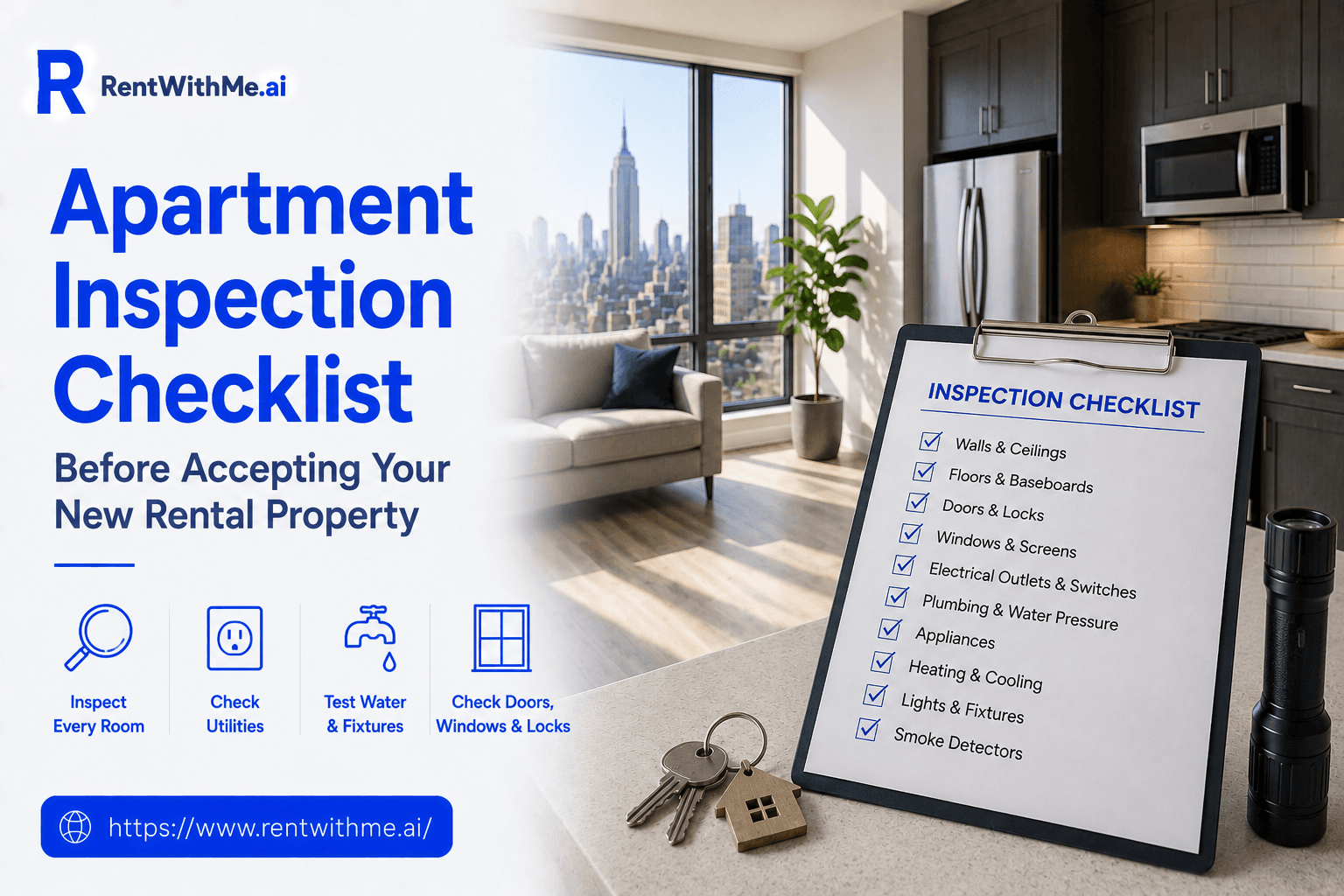
Apartment Inspection Checklist Before Accepting Your New Rental Property
Introduction
Finding the right apartment is exciting, but signing the lease should not be the final step before moving in. One of the most important responsibilities every renter has is thoroughly inspecting the property before officially accepting it. A careful inspection helps identify existing damage, verify that essential systems are working properly, and establish the condition of the apartment before you become responsible for it.
Many tenants are eager to collect the keys and begin unpacking, causing them to rush through the inspection process. Unfortunately, overlooking small problems at move-in can create unnecessary stress later, especially if questions arise about repairs or the apartment’s original condition when it is time to move out.
A detailed inspection protects both the tenant and the landlord by creating a clear record of the property’s condition. It also provides an opportunity to identify maintenance issues before they become larger problems after occupancy begins.
This guide provides a complete apartment inspection checklist to help you evaluate your new rental property with confidence. By following a structured approach before accepting the apartment, you can move into your new home knowing you have completed one of the most important steps in the rental process.
Why Every Apartment Should Be Inspected Before Move-In
An apartment inspection is much more than a quick walkthrough. It gives you the opportunity to verify that the property matches your expectations, confirm that major systems are functioning properly, and document any existing wear or damage before your belongings arrive.
A careful inspection also reduces misunderstandings later. If questions arise regarding the condition of the apartment during your tenancy or after you move out, having accurate documentation from the beginning can be extremely valuable.
Inspecting the property before accepting possession also allows maintenance concerns to be addressed while the apartment is still empty. Completing repairs before move-in is generally much more convenient than requesting service after you have already settled into the home. Perhaps most importantly, a thorough inspection gives you greater confidence that your new apartment is ready for everyday living.

When to Perform Your Apartment Inspection
Timing plays an important role in a successful apartment inspection.
Ideally, inspect the apartment immediately before accepting possession or on the official move-in date while the property is still empty. An unfurnished apartment allows you to examine walls, floors, windows, appliances, and other features without furniture blocking your view. If possible, schedule enough time so you do not feel rushed. A detailed inspection requires patience and careful observation rather than a quick walk through the rooms.
Morning or daytime inspections also provide better natural lighting, making it easier to identify cosmetic issues such as scratches, stains, cracks, or paint imperfections. If the apartment has recently been cleaned or repaired, inspect those areas carefully to ensure everything appears complete before moving in.
What to Bring to a Rental Property Inspection
Arriving prepared makes the inspection much more organized and efficient. Instead of relying on memory, bring a few basic items that allow you to document the apartment carefully as you move from room to room.
Helpful inspection items include:
- A smartphone or camera for photographs.
- A notebook or digital note-taking app.
- A copy of your lease agreement.
- A flashlight for darker areas.
- A phone charger or portable battery.
- A tape measure if needed.
- Basic cleaning wipes for checking certain surfaces.
Photographs should be clear and taken from multiple angles whenever you notice existing wear or damage. Good documentation creates an accurate record of the apartment’s condition before your tenancy begins. Organizing your notes room by room also makes future reference much easier if maintenance questions arise later.

Reviewing the Lease Before Inspecting the Apartment
Before inspecting the apartment, spend a few minutes reviewing your lease agreement. The lease often contains important information regarding move-in procedures, maintenance responsibilities, appliance ownership, parking arrangements, storage areas, and other property-specific details that may affect your inspection.
Understanding these provisions beforehand allows you to focus on the features and responsibilities that apply specifically to your rental. It is also helpful to verify that everything included in the lease matches what you see during the inspection. If the agreement references appliances, parking spaces, storage units, or amenities, confirm that those items are available and appear consistent with your expectations.
Reviewing the lease before beginning the inspection creates a more organized and purposeful walkthrough.
Exterior Inspection Checklist
Although most renters focus on the apartment itself, the exterior deserves attention as well. The outside of the building often provides valuable information about overall property maintenance and management. Take a few minutes to observe the condition of entrances, sidewalks, lighting, parking areas, landscaping, mailboxes, trash collection areas, and shared spaces.
Pay attention to items such as:
- Building entrance condition.
- Exterior lighting.
- Parking accessibility.
- Sidewalk safety.
- Mail and package areas.
- Landscaping and common areas.
While cosmetic imperfections are common, major maintenance concerns may deserve additional attention before accepting the property. Observing the surrounding environment also helps you become familiar with your new home before moving day.

Entryway and General Interior Condition Checklist
Once inside the apartment, begin your inspection with a slow walkthrough before opening cabinets or testing appliances. Look carefully at the overall condition of the walls, ceilings, flooring, trim, doors, and windows. Small details are often easier to notice before furniture and boxes fill the apartment. Pay attention to cleanliness as well. A properly prepared apartment should appear ready for occupancy according to the terms of your lease.
Notice any stains, chipped paint, scratches, dents, cracked tiles, damaged flooring, missing hardware, or other visible conditions. Recording these observations immediately creates an accurate baseline for future reference. Walking through every room without rushing also helps you become familiar with the apartment’s layout before moving in.
Documenting Existing Damage Properly
One of the most valuable parts of any apartment inspection is documenting existing conditions. If you notice damage, wear, or maintenance concerns, record them immediately rather than assuming you will remember them later. Take clear photographs from multiple angles and make written notes describing the location and appearance of each issue. Include close-up images as well as wider photographs showing the surrounding area.
The table below provides examples of common conditions worth documenting during your inspection.
| Area | Examples to Document |
|---|---|
| Walls | Scratches, holes, stains, chipped paint |
| Floors | Scuffs, cracked tiles, damaged flooring |
| Windows | Cracks, broken locks, damaged screens |
| Doors | Dents, sticking hinges, lock issues |
| Cabinets | Loose hardware, scratches, damaged shelves |
| Appliances | Visible dents, cosmetic wear, missing parts |
Keeping organized records from the beginning helps create a reliable reference throughout your tenancy and may prove valuable if questions arise later.

Common Apartment Inspection Mistakes First-Time Renters Make
Many renters unintentionally overlook important details during their first apartment inspection. One common mistake is rushing through the walkthrough because they are excited to move in. Slowing down allows you to notice small issues that might otherwise be missed.
Another frequent mistake is relying only on memory instead of documenting the apartment with photographs and written notes. Even minor cosmetic issues should be recorded if they existed before move-in. Some tenants also focus only on appearance while forgetting to verify that basic features function properly. Doors, windows, locks, lighting, faucets, and appliances deserve the same attention as cosmetic conditions.
Waiting until after furniture has been moved inside to inspect the apartment is another avoidable error. An empty apartment provides the clearest opportunity to evaluate every surface thoroughly.
Benefits of Completing a Thorough Inspection Before Accepting the Property
Investing time in a careful apartment inspection provides lasting benefits throughout your tenancy. A detailed inspection establishes the apartment’s condition before you become responsible for daily occupancy. This documentation creates greater transparency between you and the landlord while reducing the likelihood of misunderstandings later.
Thorough inspections also improve your overall moving experience. Identifying maintenance issues before unpacking allows repairs to be addressed more efficiently and prevents unnecessary disruptions after you have settled into your new home.
Perhaps most importantly, a structured inspection gives you confidence that your apartment has been carefully evaluated before acceptance. Beginning your tenancy with organized records, clear documentation, and a complete understanding of the property’s condition creates a stronger foundation for a positive rental experience.
In the next section, we’ll complete a room-by-room apartment inspection covering the living room, bedrooms, kitchen, and bathrooms, explain how to test electrical, plumbing, HVAC, and appliances, review essential safety and security features, discuss what should be reported before accepting the apartment, and provide practical guidance for ensuring your new rental is fully ready for move-in.

Living Room Inspection Checklist
The living room is often the largest shared space in the apartment, making it an ideal place to begin your detailed inspection. Take your time walking through the room while observing every visible surface. Look beyond cosmetic appearance and confirm that important features function properly.
Inspect the walls for nail holes, stains, cracks, chipped paint, and signs of previous repairs. Examine the ceiling for water stains, peeling paint, or unusual discoloration that may indicate earlier moisture issues.
Walk across the flooring slowly to identify loose boards, cracked tiles, uneven surfaces, excessive wear, or damaged carpeting. Open and close windows to verify they operate smoothly and check that locks function correctly. Turn every light switch on and off while confirming that fixtures work properly. Test electrical outlets using a charger or another small electronic device if appropriate.
Completing a thorough inspection of the living room before unpacking makes it much easier to document any existing conditions.
Bedroom Inspection Checklist
Bedrooms should provide a safe, comfortable, and functional living space. Begin by examining the walls, ceilings, flooring, doors, and windows just as carefully as you inspected the living room. Bedrooms often receive less attention during quick walkthroughs, making it easier to overlook existing cosmetic damage.
Open closet doors and inspect shelving, hanging rods, hardware, and storage areas. Make sure closet doors slide or swing properly without sticking. Verify that every bedroom window opens, closes, and locks securely. Windows should also show no obvious signs of broken seals, damaged frames, or cracked glass.
Finally, check smoke detectors located inside or near bedrooms according to the apartment layout. Confirm they appear properly installed and notify management if anything seems unusual.

Kitchen Inspection Checklist
The kitchen contains many of the apartment’s most frequently used systems and appliances, making careful inspection especially important. Begin by examining countertops, cabinets, drawers, sinks, flooring, backsplashes, and visible plumbing fixtures. Open every cabinet and drawer to verify that hinges, slides, and handles operate smoothly.
Inspect every appliance included with the apartment. Refrigerators, ovens, microwaves, dishwashers, and garbage disposals should appear clean and in good visible condition. Pay attention to signs of leaks beneath the sink, damaged countertops, missing shelves, or loose cabinet hardware. Small issues are much easier to document before you begin storing food and kitchen supplies.
Helpful kitchen inspection items include:
- Cabinets and drawers operate properly.
- Countertops show no major damage.
- Sink and faucet appear in good condition.
- Appliances are clean and operational.
- Flooring shows no major damage.
- Visible plumbing appears free of leaks.
A careful kitchen inspection helps ensure one of the apartment’s busiest areas is ready for everyday use.
Bathroom Inspection Checklist
Bathrooms deserve close attention because even small maintenance concerns can become larger problems if left unnoticed. Start by examining the sink, vanity, mirror, toilet, shower, bathtub, flooring, walls, and ceiling. Look carefully for water stains, cracked tiles, damaged caulking, or signs of previous moisture problems.
Turn on both hot and cold water while observing water pressure and drainage. Flush the toilet and verify that it operates normally. Inspect ventilation fans if present and ensure mirrors, towel bars, and other fixtures appear securely attached.
Take photographs of any cosmetic damage or maintenance concerns before moving personal items into the bathroom.

Windows, Doors, and Flooring Inspection
Although these features appear throughout the apartment, they deserve a dedicated inspection because they affect both comfort and security. Open every window completely before closing and locking it again. Smooth operation is just as important as appearance.
Inspect all doors, including entry doors, bedroom doors, bathroom doors, closets, and balcony access if applicable. Check hinges, locks, handles, weather stripping, and overall alignment. Walk through every room while paying attention to the flooring beneath your feet. Listen for unusual movement or squeaking and observe any scratches, stains, cracks, chipped tiles, or worn carpeting.
The table below summarizes several important areas to inspect.
| Area | What to Verify |
|---|---|
| Windows | Locks, glass condition, smooth operation |
| Entry door | Lock, deadbolt, alignment |
| Interior doors | Hinges, handles, proper closing |
| Hardwood flooring | Scratches, movement, uneven areas |
| Tile flooring | Cracks, loose tiles, grout condition |
| Carpeting | Stains, excessive wear, odors |
Documenting these conditions before accepting the apartment helps establish a clear record of the property’s initial condition.
Electrical, Plumbing, HVAC, and Appliance Testing
Testing major apartment systems before moving in can prevent unexpected surprises during your first week. Turn on every light fixture and test each switch throughout the apartment. Confirm electrical outlets appear secure and function properly where practical.
Run water from every faucet and observe both water pressure and drainage. Watch beneath sinks for visible leaks while the water is running. Operate the heating and cooling system according to the season to verify that it responds appropriately. Allow sufficient time for the system to begin operating before evaluating performance.
Test appliances according to the landlord’s instructions whenever possible. Basic operational checks before move-in are much easier than requesting service after the apartment has been fully occupied.
Safety and Security Features Every Tenant Should Verify
Safety should never be treated as an afterthought during an apartment inspection. Take time to verify that important safety features appear present and functional before accepting possession of the apartment.
Check smoke detectors, carbon monoxide detectors where applicable, entry door locks, window locks, exterior lighting visible from the apartment, and emergency exits accessible from the building. You should also familiarize yourself with the building’s emergency procedures and locate important areas such as stairwells, fire exits, package rooms, mailboxes, and maintenance contact information. Understanding these features helps you feel more comfortable in your new home from the very beginning.
What to Report Before Accepting the Apartment
If you discover any concerns during the inspection, document them before officially accepting the apartment whenever possible.
Communicate maintenance issues promptly using the procedures established by the property manager or landlord. Providing clear written descriptions together with photographs creates a more complete record of the apartment’s condition.
Examples of items commonly reported include:
- Damaged flooring or walls.
- Plumbing leaks or drainage concerns.
- Malfunctioning appliances.
- Broken locks or windows.
- Electrical problems.
- Missing fixtures or hardware.
Reporting these issues early benefits both tenants and landlords by establishing accurate expectations before move-in. After completing your inspection, organize all photographs, notes, inspection forms, and correspondence in one secure location. Maintaining well-organized records throughout your tenancy provides valuable reference material if maintenance questions arise later.
In the final part of this guide, we’ll examine real-life apartment inspection examples, answer frequently asked questions, provide a complete apartment inspection checklist, share expert recommendations for conducting a thorough move-in inspection, discuss common inspection mistakes that may cost tenants money, explain additional ways to protect yourself before accepting a rental property, and conclude with practical advice for moving into your new apartment with confidence.
Real-Life Apartment Inspection Examples
Understanding how apartment inspections work in real situations can help you recognize the importance of taking your time before accepting a rental property. While every apartment is different, these examples demonstrate how careful inspections often prevent future misunderstandings.
The situations below are fictional and intended for educational purposes.
A First-Time Renter Documents Everything
Jessica rented her first apartment after relocating for a new job. Instead of immediately unpacking, she spent nearly an hour inspecting every room. She photographed small scratches on the hardwood floor, chipped paint near the bedroom closet, and a minor crack in a bathroom tile.
She organized the photos with written notes and shared them with the property manager before moving in. Because everything was documented from the beginning, both parties had a clear record of the apartment’s original condition.
A Family Finds a Plumbing Issue Early
Mark and his family completed a detailed inspection before their moving truck arrived. While testing the kitchen sink, they noticed a slow leak beneath the cabinet. Since the apartment was still empty, maintenance repaired the issue before furniture and household supplies were placed inside. The repair took very little time and prevented water damage that could have become much more inconvenient after move-in.
A Remote Worker Tests Every Outlet
Emily worked from home and depended on reliable electrical outlets throughout the apartment.
During her inspection, she tested outlets in every room before arranging furniture. She discovered that one outlet near her planned office space was not functioning properly.
Reporting the issue immediately allowed maintenance to address it before her first workday in the apartment.
A Couple Inspects Before Signing the Move-In Form
David and Rachel carefully walked through their apartment before accepting possession.
Instead of focusing only on cosmetic appearance, they checked locks, windows, appliances, plumbing fixtures, smoke detectors, and HVAC controls. Their organized inspection gave them confidence that the apartment was ready for occupancy.
These examples demonstrate that spending extra time on inspection often prevents unnecessary stress later.
Frequently Asked Questions About Apartment Inspections
Many renters have similar questions before completing a move-in inspection.
Should I inspect the apartment before moving furniture inside?
Yes.
An empty apartment makes it much easier to observe walls, flooring, ceilings, appliances, and other features without belongings blocking your view.
Why should I take photographs?
Photographs create an accurate record of the apartment’s condition before your tenancy begins.
Combining photographs with written notes provides even stronger documentation.
Should I test appliances during the inspection?
Whenever practical, yes.
Verifying that appliances appear to operate properly before move-in helps identify concerns while the apartment is still vacant.
Is cosmetic damage worth documenting?
Absolutely.
Even small scratches, dents, stains, or chipped paint should be documented if they existed before you accepted the apartment.
Should I keep copies of inspection records?
Yes.
Store photographs, inspection forms, emails, maintenance requests, and related documents together with your lease throughout your tenancy.
Complete Apartment Inspection Checklist Before Accepting a Rental
A structured checklist helps ensure important details are not overlooked during your walkthrough.
Use the following checklist before accepting your new apartment.
- Review the lease agreement.
- Bring your inspection supplies.
- Photograph every room.
- Inspect walls, ceilings, and flooring.
- Check windows and door locks.
- Test light switches and outlets.
- Run faucets and inspect plumbing.
- Test appliances.
- Verify heating and cooling operation.
- Check smoke and carbon monoxide detectors if applicable.
- Inspect cabinets and storage areas.
- Document existing cosmetic damage.
- Report maintenance concerns promptly.
- Keep copies of all inspection records.
Completing these steps provides a thorough record of the apartment’s condition before you move in and begin everyday use.
Expert Tips for a Successful Move-In Inspection
A successful inspection depends on patience rather than speed.
Give yourself enough time to examine every room carefully without feeling rushed. Many small issues are only noticed after taking a second look.
Use both photographs and written notes instead of relying on memory alone. Organized documentation creates a much more reliable record than photographs without descriptions.
Inspect the apartment during daylight whenever possible. Natural light makes scratches, stains, dents, and other cosmetic imperfections much easier to identify. If someone accompanies you during the inspection, encourage them to look independently. A second set of eyes often notices details that another person may overlook.
Finally, complete the inspection before arranging furniture or unpacking boxes. Empty rooms provide the clearest opportunity to evaluate the apartment thoroughly.
Common Inspection Mistakes That Can Cost Tenants Money
Many inspection problems result from rushing through the process instead of following a structured approach.
The table below highlights several common mistakes along with better practices.
| Common Mistake | Better Approach |
|---|---|
| Skipping the inspection | Inspect every room before move-in |
| Taking only a few photographs | Document every area thoroughly |
| Ignoring cosmetic damage | Record even small imperfections |
| Forgetting to test appliances | Verify basic operation before occupancy |
| Waiting to report maintenance concerns | Notify management promptly |
| Losing inspection records | Store all documents in one organized location |
Avoiding these mistakes helps reduce misunderstandings and creates stronger documentation throughout your tenancy.
Additional Ways to Protect Yourself Before Moving In
A thorough inspection is only one part of protecting yourself as a tenant. Keep digital and printed copies of your lease, inspection reports, photographs, emails, and maintenance correspondence together in one secure location. Organized records make future communication much easier.
If maintenance concerns are identified before move-in, follow up after repairs are completed to confirm the work has been finished satisfactorily.
It is also beneficial to keep copies of any move-in forms required by the landlord or property manager. Having a complete record of the apartment’s condition from the beginning supports greater transparency throughout your tenancy. Maintaining professional communication and organized documentation helps establish a positive landlord-tenant relationship from day one.
Final Advice Before Accepting Your New Rental Property
Accepting a new apartment is an important decision that deserves careful attention. Take your time during the inspection instead of allowing excitement to rush the process. Every extra minute spent evaluating the apartment can help prevent unnecessary questions later.
Remember that your inspection is not about finding fault with the property. It is about creating an accurate record of its condition before your tenancy begins. Approaching the inspection with patience, organization, and attention to detail allows you to move into your new home with greater confidence and peace of mind.
Conclusion
An apartment inspection is one of the most valuable steps every renter can take before accepting a new rental property. While it may be tempting to focus on moving furniture and unpacking boxes, taking the time to carefully evaluate the apartment first helps establish a clear record of its condition and creates a stronger foundation for a successful tenancy.
A thorough inspection involves much more than checking for cosmetic damage. Reviewing walls, flooring, ceilings, appliances, plumbing, electrical systems, windows, doors, heating and cooling equipment, and safety features provides a complete understanding of the apartment before you become responsible for it. Identifying maintenance concerns early allows repairs to be addressed before they interfere with your daily life.
Documentation is equally important throughout the inspection process. Clear photographs, organized written notes, inspection forms, and communication with the property manager help create an accurate history of the apartment’s condition from the very beginning. These records can become valuable references if maintenance questions or move-out discussions arise in the future.
Preparation also contributes to a smoother move-in experience. Reviewing your lease, bringing the right inspection tools, allowing adequate time for the walkthrough, and completing the inspection before unpacking all help reduce stress while ensuring that important details are not overlooked.
Ultimately, accepting a rental property should be based on careful observation rather than excitement alone. By following a structured apartment inspection checklist, documenting existing conditions, communicating maintenance concerns promptly, and maintaining organized records throughout your tenancy, you can move into your new home with confidence, knowing you have taken the right steps to protect both your interests and your rental experience.