
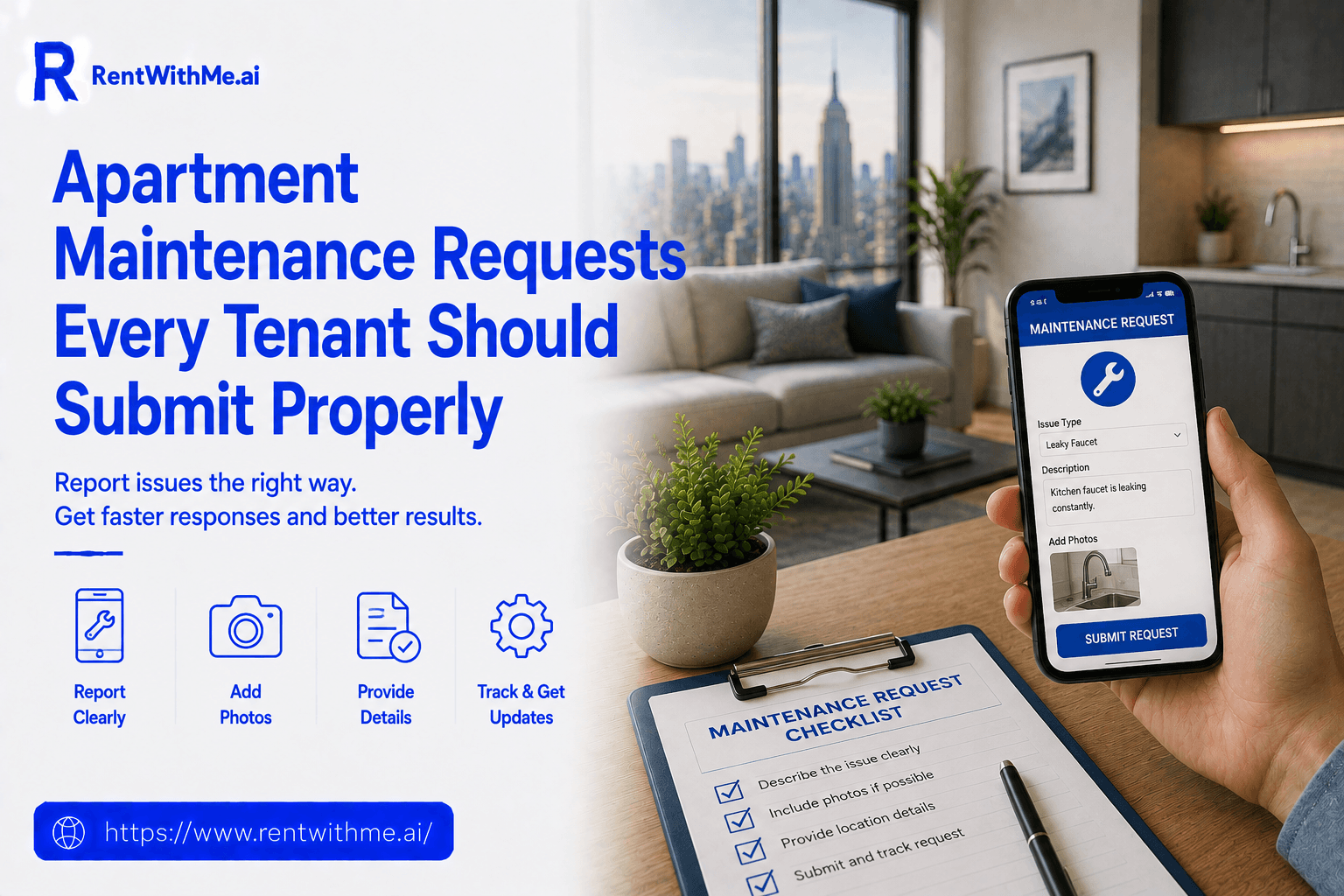
Apartment Maintenance Requests Every Tenant Should Submit Properly
Introduction
Apartment maintenance problems can appear unexpectedly during any renter’s tenancy. Small issues sometimes become expensive problems when residents delay reporting. Prompt communication helps protect apartments, belongings, and comfortable living conditions. Proper reporting also gives maintenance teams clearer information for repairs.
Many tenants understand they should report problems but communicate them poorly. Vague messages can make identifying the actual repair unnecessarily difficult. Missing details may also cause delays or additional maintenance visits. Clear requests help everyone understand what needs attention from beginning.
Proper maintenance reporting involves more than sending one quick message. Tenants should recognize urgency and document important conditions before reporting. They also need appropriate communication channels and useful repair details. These habits create stronger records while supporting more efficient maintenance.
Every building can have different procedures for requesting maintenance assistance. Some properties use online portals while others accept written messages. Emergency reporting procedures can differ from routine repair systems significantly. Learning these procedures early helps tenants respond appropriately when problems develop.
Understanding Apartment Maintenance Responsibilities
Apartment maintenance usually involves responsibilities shared between tenants and landlords. Building systems and provided fixtures commonly require professional maintenance when damaged. Tenants generally remain responsible for reasonable everyday care and cleanliness. Specific obligations depend upon leases and applicable local housing requirements.
Residents should review lease provisions discussing maintenance and repair responsibilities carefully. These sections may explain reporting procedures and tenant maintenance expectations. Building handbooks can provide additional practical instructions for everyday issues. Understanding these documents reduces confusion when something eventually requires attention.
Tenants should avoid assuming every household inconvenience requires landlord maintenance automatically. Replacing ordinary consumable items may sometimes remain a tenant responsibility. However, structural or building-system problems generally deserve appropriate professional attention. When uncertain, residents can ask management before attempting significant repairs.
Landlords and maintenance teams also need reasonable opportunities to address problems. Accurate reporting helps them understand what work might become necessary. Tenants should provide access according to applicable procedures when repairs require entry. Cooperation can make legitimate maintenance work considerably easier to complete.

Why Tenants Should Report Problems Early
Small maintenance problems can worsen considerably when residents ignore warning signs. A minor leak can eventually damage cabinetry, flooring, or walls. Loose hardware can deteriorate until normal operation becomes difficult entirely. Early reporting often allows simpler repairs before additional damage develops.
Water problems particularly demonstrate why prompt maintenance communication matters greatly. Moisture can spread beyond areas residents can easily observe. Personal belongings may also become damaged when leaks continue unnoticed. Quick reporting gives management opportunities to investigate developing conditions earlier.
Electrical or heating problems can also become more serious unexpectedly. Residents should never wait for complete system failure before reporting concerns. Unusual symptoms can provide useful information before equipment stops functioning. Professional evaluation may identify problems while repairs remain more manageable.
Early reporting also creates a clearer timeline when problems recur later. Initial photographs and written requests document when symptoms first appeared. This information can help maintenance teams understand changing conditions more accurately. Good records become particularly valuable when several repair visits become necessary.
Knowing What Qualifies as a Maintenance Request
Maintenance requests generally involve apartment features requiring repair or professional attention. Broken fixtures and malfunctioning building-provided appliances commonly qualify for reporting. Plumbing, electrical, heating, and structural concerns also deserve appropriate communication. Residents should describe conditions rather than guessing complicated technical causes themselves.
Routine housekeeping problems generally remain separate from formal maintenance responsibilities. Tenants should keep apartments reasonably clean through ordinary household care. However, recurring moisture or plumbing problems may require professional investigation. Cleaning alone cannot correct underlying building defects or equipment failures.
Normal wear can sometimes create maintenance needs during longer apartment tenancies. Cabinet hinges may loosen or faucets may begin leaking gradually. Window hardware can also become difficult to operate over time. Reporting developing problems helps prevent minor deterioration from becoming larger repairs.
Accidental damage should still receive appropriate reporting when repairs become necessary. Residents should explain circumstances accurately instead of hiding important information. Responsibility for costs can depend upon leases and specific circumstances. Accurate communication allows management to determine appropriate next repair steps.

Routine, Urgent, and Emergency Maintenance Requests
Not every maintenance problem requires the same response speed or method. Routine issues generally allow scheduling through ordinary building maintenance procedures. Urgent problems need faster attention because conditions could worsen significantly. Emergencies can involve immediate threats requiring specialized emergency responses instead.
A loose cabinet handle usually represents routine maintenance rather than emergencies. A rapidly spreading water leak deserves considerably faster building notification. Strong electrical burning odors can indicate potentially dangerous conditions requiring urgency. Residents should understand these differences before stressful maintenance situations occur.
Building management should provide procedures for urgent and after-hours maintenance reporting. Tenants should save important emergency contact information before needing it. Waiting until nighttime emergencies occur makes finding procedures unnecessarily stressful. New residents should learn reporting options shortly after moving inside.
Some situations may require emergency services rather than maintenance personnel alone. Immediate fires or life-threatening conditions need appropriate emergency professional responses. Residents should prioritize personal safety before protecting apartment property during emergencies. Building management can receive notification afterward when circumstances safely permit.
Maintenance Request Priority Comparison Table
| Maintenance Level | Typical Example | Recommended Tenant Response | Important Consideration |
|---|---|---|---|
| Routine | Loose cabinet hardware | Submit through normal maintenance channels | Provide clear location and description |
| Routine | Slow dripping faucet | Report before the condition worsens | Note whether dripping remains constant |
| Urgent | Significant active water leak | Contact management promptly | Protect belongings without unsafe repairs |
| Urgent | Heating failure during cold conditions | Use designated urgent reporting procedures | Provide temperature information when available |
| Urgent | Electrical burning odor | Report immediately and prioritize safety | Avoid touching questionable electrical equipment |
| Emergency | Active fire or immediate life danger | Contact appropriate emergency services | Personal safety comes before property protection |
Priority depends upon severity and circumstances surrounding each maintenance problem. Building procedures may define specific categories differently from this comparison. Residents should follow applicable emergency instructions provided by their property. When personal safety becomes threatened, appropriate emergency assistance takes priority.

How to Submit a Maintenance Request Properly
Proper maintenance requests should use the building’s designated communication system. Online portals can create convenient written records and reference numbers. Some buildings may instead request emails or management office communication. Tenants should learn preferred methods before maintenance problems actually occur.
Start by identifying the problem and exact affected apartment area. Explain what happens without using unnecessary technical terminology or speculation. Include when the issue started whenever that information remains known. Mention whether the condition appears constant, intermittent, or progressively worsening.
Residents should also explain whether the problem prevents normal apartment usage. For example, mention when refrigerators no longer maintain safe temperatures. Explain whether plumbing fixtures remain completely unusable or partially functional. Practical effects help maintenance teams understand the request’s actual urgency.
Keep confirmation numbers or written acknowledgments after submitting important requests. These records help residents reference previous communication during later follow-ups. Screenshots can preserve portal submissions when systems provide limited histories. Organized records prevent residents from repeatedly explaining the same issue.
Writing a Clear Maintenance Request
A strong maintenance request begins with a specific problem description. Avoid messages stating only that something inside the apartment broke. Maintenance teams need enough information to prepare for likely work. Clear descriptions can sometimes reduce unnecessary diagnostic visits or scheduling delays.
Instead, explain what equipment or fixture is behaving incorrectly currently. Describe the exact room and relevant location within that room. Mention visible symptoms without attempting to diagnose technical causes yourself. Maintenance professionals can determine underlying causes after inspecting the problem.
Timing information can also help workers understand intermittent maintenance problems better. Explain whether symptoms started suddenly or gradually became noticeable. Mention whether conditions occur constantly or only during specific activities. These observations provide useful clues without requiring technical maintenance expertise.
Professional language usually produces clearer communication than frustrated emotional messages. Tenants can communicate urgency firmly while remaining factual and respectful. Describe consequences instead of exaggerating conditions to receive faster attention. Accurate information supports better prioritization by responsible maintenance personnel.

Including Useful Details Without Overexplaining
Useful maintenance requests provide enough context without becoming unnecessarily complicated. Start with the affected fixture and exact apartment location. Then describe observable symptoms and when they generally appear. Include anything important affecting safety or normal apartment functionality.
Water problems may require descriptions of color, location, and frequency. Strange sounds can become easier identifying when tenants describe timing. Unusual odors should receive similar factual descriptions without unsupported conclusions. These details can help technicians arrive better prepared for inspection.
Avoid lengthy histories unrelated to the current maintenance concern itself. Extra information can make essential repair details harder to identify. Focus on observations directly connected with the affected apartment feature. Previous related repairs should receive mention when they provide meaningful context.
Residents should never invent technical explanations to make requests sound knowledgeable. Incorrect diagnoses can sometimes distract from useful observable information. Simply describe what you can actually see, hear, or experience. Maintenance professionals can investigate technical causes using appropriate expertise and equipment.
Using Photos and Videos for Maintenance Requests
Photographs can make many maintenance requests easier to understand initially. Visible leaks or cracks can often receive useful visual documentation. Residents should capture enough surrounding area to establish clear context. Additional close photographs can show specific damage or deterioration more clearly.
Videos become useful when problems involve movement, sounds, or intermittent behavior. A rattling appliance may become easier understanding through short recordings. Flickering equipment can also provide useful visual evidence when safely recorded. Never approach dangerous conditions merely to obtain better maintenance footage.
Images should remain focused upon information maintenance workers genuinely need. Sending numerous nearly identical photographs can make requests unnecessarily cluttered. Choose clear images showing both overall location and relevant details. Label photographs when multiple rooms or fixtures require separate attention.
Documenting changing conditions can also help with recurring maintenance problems. Residents can photograph stains expanding or leaks becoming more significant. Date information provides useful context when deterioration continues between visits. Documentation supports clearer communication without replacing necessary professional inspection.

Reporting Plumbing Problems Properly
Plumbing problems range from minor inconvenience to serious property emergencies. Residents should describe which fixture or pipe appears affected. Mention whether water continues flowing after normal controls become closed. Explain whether nearby areas show visible moisture or additional damage.
A dripping faucet can usually receive routine maintenance reporting initially. However, rapidly leaking plumbing may require much faster communication. Residents should follow building procedures for shutting appropriate fixtures when instructed. Avoid dismantling plumbing components unless specifically authorized and safely capable.
Running toilets deserve reporting when normal troubleshooting does not resolve them. Continuous water flow can waste substantial amounts of building water. Residents should explain whether flushing still works and stops normally. These details help maintenance understand likely symptoms before arriving onsite.
Drainage problems should include information about speed and affected fixtures. Mention whether water drains slowly or remains completely backed up. Multiple affected drains can provide important information for maintenance teams. Avoid using questionable chemical treatments without understanding building maintenance guidance.
Reporting Water Leaks and Moisture Quickly
Water leaks deserve prompt reporting because damage can spread quietly. Even small leaks can affect cabinets, walls, ceilings, or flooring. Moisture may also reach neighboring apartments depending upon building construction. Early notification gives maintenance teams opportunities to limit further damage.
Residents should identify where water first becomes visible whenever possible. Explain whether leaking remains continuous or appears during specific activities. Note changes in water volume without approaching unsafe damaged areas. Photographs can document visible conditions when taking them remains safe.
Move personal belongings away from affected areas when safely practical. Buckets or towels may temporarily limit minor water spreading indoors. However, residents should avoid dangerous repairs involving ceilings or electrical equipment. Building maintenance should investigate underlying causes rather than temporary symptoms.
Ceiling leaks require particular caution because water may collect overhead. Bulging materials can become unstable and potentially fall without warning. Residents should avoid standing beneath visibly damaged ceiling sections unnecessarily. Prompt reporting allows qualified personnel to evaluate potentially hidden water damage.

Reporting Electrical Problems Safely
Electrical maintenance problems require caution because unsafe handling can cause injuries. Residents should never dismantle outlets or electrical fixtures themselves. Burning odors and sparks deserve especially prompt attention from professionals. Personal safety should remain more important than diagnosing equipment failures.
Describe exactly which outlet, switch, or fixture behaves unusually. Mention whether the problem occurs constantly or only occasionally. Explain visible discoloration or unusual sounds when safely observable. Avoid repeatedly testing equipment that already appears potentially unsafe.
If electrical equipment produces smoke, prioritize immediate safety and emergency procedures. Residents should avoid touching questionable devices or exposed electrical components. Follow building instructions and appropriate emergency guidance for dangerous conditions. Maintenance reporting should never delay necessary emergency professional assistance.
Ordinary failures still deserve proper reporting through designated maintenance channels. A nonfunctioning outlet may require professional evaluation despite appearing minor. Residents should mention whether nearby electrical features continue operating normally. These observations can help technicians understand the affected area better.
Reporting Heating Problems
Heating problems can affect comfort and potentially create serious seasonal concerns. Residents should report complete failures through appropriate building procedures promptly. Explain which rooms appear affected and when problems began. Temperature readings can provide useful information when residents have them.
Avoid simply reporting that the apartment feels unusually cold today. Explain whether radiators or vents appear to operate normally. Mention unusual noises or inconsistent heating patterns when safely observable. These details provide technicians with more useful starting information.
Residents should avoid modifying building heating equipment without proper authorization. Improvised heating repairs can create safety risks and additional damage. Portable heating alternatives should follow applicable manufacturer and building safety requirements. Maintenance professionals should address problems involving installed building heating systems.
Recurring heating problems deserve documentation across multiple repair requests carefully. Record dates and approximate conditions when heating becomes unreliable. Previous maintenance visits should receive mention when problems return afterward. This history can help technicians recognize patterns requiring deeper investigation.
Reporting Air Conditioning Problems
Air conditioning responsibilities can vary considerably among different rental buildings. Some apartments include landlord-provided systems maintained by building staff. Others may use tenant-owned equipment with different maintenance responsibilities. Residents should understand applicable lease terms before requesting specific repairs.
When building-provided cooling stops working, describe the symptoms clearly. Explain whether airflow continues while cooling becomes noticeably reduced. Mention unusual noises or odors when those conditions become apparent. Visible leaking should receive prompt reporting before surrounding materials become damaged.
Residents should check ordinary controls without attempting unauthorized equipment repairs themselves. Thermostat settings can sometimes explain apparent cooling problems easily. However, repeated failures or unusual symptoms deserve professional evaluation. Avoid opening mechanical equipment without appropriate knowledge and authorization.
Cooling problems can become particularly important during extremely hot weather. Residents should use designated urgent procedures when circumstances warrant them. Building management can explain available repair scheduling and temporary arrangements. Health-related concerns should receive appropriate professional guidance when necessary.
Reporting Appliance Problems
Landlord-provided appliances can require maintenance throughout normal rental tenancies occasionally. Refrigerators and ovens may develop problems despite reasonable everyday usage. Dishwashers and laundry equipment can also require professional service. Tenants should identify affected appliances and describe specific symptoms accurately.
A refrigerator complaint should explain whether cooling stopped or weakened. Mention unusual noises or leaking when those symptoms remain present. Residents should protect perishable food according to appropriate food safety guidance. Maintenance teams need practical information about the appliance’s current behavior.
Oven problems deserve clear descriptions involving heating or control behavior. Residents should stop using equipment showing potentially dangerous electrical symptoms. Gas odors require immediate attention through appropriate emergency procedures instead. Never continue testing appliances when conditions suggest possible safety hazards.
Dishwasher problems may involve drainage, leaking, or incomplete cleaning cycles. Describe where water appears and when leaking generally occurs. Mention error messages when displays provide them during normal operation. Photographs can help document visible leakage around affected appliance areas.
Residents should avoid arranging unauthorized repairs for building-provided appliances immediately. Management may have preferred technicians or warranty procedures already established. Unauthorized work can complicate responsibility for subsequent appliance damage. Follow building procedures unless circumstances clearly require emergency professional assistance.
Preparing for More Complex Maintenance Situations
Straightforward maintenance requests sometimes become complicated when problems repeatedly return. A repaired leak may reappear several days after maintenance visits. Heating problems can disappear temporarily before becoming noticeable again. These situations make organized documentation increasingly valuable for both parties.
Residents should preserve earlier request numbers and repair communication records. Note when maintenance workers visited and what conditions changed afterward. Photographs can document whether visible symptoms improved or continued developing. Clear histories help avoid restarting explanations with every follow-up request.
Apartment access also becomes more important during complicated repair situations. Maintenance teams may require multiple visits involving different specialized technicians. Residents should understand building procedures for scheduling and authorized entry. Pets and valuable belongings may require preparation before workers arrive.
The next stage involves specific maintenance categories requiring additional communication skills. Bathroom and kitchen problems often involve several overlapping building systems. Doors and windows can create security or weather-related concerns too. Proper follow-up becomes essential when initial repairs cannot fully resolve problems.
Reporting Bathroom Maintenance Problems
Bathrooms combine plumbing, ventilation, fixtures, and moisture within compact spaces. Problems can therefore affect several apartment surfaces surprisingly quickly. Tenants should report unusual changes before significant damage develops further. Clear descriptions help maintenance teams identify the affected bathroom system.
Toilet problems deserve descriptions explaining exactly what happens during normal use. Mention continuous running, weak flushing, leaking, or repeated blockages clearly. Explain whether the toilet remains usable without causing additional problems. Significant overflowing requires faster action because water damage can spread.
Shower and bathtub problems commonly involve drainage, fixtures, or water pressure. Residents should describe whether drains move water slowly or completely stop. Leaking faucets should include information about frequency and approximate severity. Visible moisture outside expected wet areas deserves prompt reporting as well.
Bathroom ventilation problems can contribute to persistent moisture and uncomfortable conditions. Report fans that stop operating or produce unusual sounds. Mention recurring condensation when ventilation appears noticeably ineffective during normal usage. Maintenance can determine whether installed equipment requires inspection or repair.
Reporting Kitchen Maintenance Problems
Kitchen maintenance problems frequently involve plumbing, cabinetry, surfaces, and appliances. Residents should identify which component appears affected before submitting requests. Separating different symptoms helps maintenance teams assign appropriate repair personnel. Clear descriptions become especially useful when several problems appear simultaneously.
Sink leaks should include information about visible water and location. Explain whether moisture appears beneath cabinets or around faucet fixtures. Residents should remove stored belongings from wet cabinetry when practical. Prompt reporting can reduce damage to cabinets and nearby flooring.
Cabinet problems can include loose hinges, doors, handles, or shelving. Describe the affected cabinet location and visible condition accurately. Avoid forcing damaged doors or shelves when additional damage seems possible. Minor hardware problems can usually receive routine maintenance scheduling appropriately.
Countertop damage deserves reporting when cracks or separation become noticeable. Water entering damaged seams can sometimes affect underlying materials eventually. Residents should photograph visible changes when deterioration appears to expand. Maintenance teams can determine whether repairs or further inspection become necessary.
Reporting Doors and Lock Problems
Apartment doors provide privacy, security, and important everyday access control. Lock problems should therefore receive appropriately prompt maintenance attention. Residents should explain whether doors close, latch, and lock normally. Security-related failures may require faster reporting than cosmetic door damage.
A door that sticks occasionally may indicate alignment problems developing. Describe whether difficulty occurs during opening, closing, or locking. Mention visible frame damage or loose hardware when safely observable. Avoid forcing doors when doing so could worsen existing problems.
Broken apartment entrance locks deserve immediate communication through designated building channels. Residents should explain whether locking remains completely or partially possible. Building management can determine appropriate temporary and permanent repair measures. Unauthorized lock replacements may conflict with lease or access requirements.
Interior door problems generally carry different urgency than entrance failures. However, damaged bathroom or bedroom doors can still require repairs. Explain practical effects alongside visible symptoms within maintenance requests. This information helps teams prioritize work according to actual conditions.
Reporting Window Problems
Windows should open, close, and lock according to intended operation. Damaged windows can affect security, ventilation, comfort, and weather protection. Residents should report noticeable functional problems before conditions become worse. Clear descriptions help distinguish hardware issues from frame-related concerns.
A window that refuses closing completely deserves reasonably prompt reporting. Gaps can allow drafts, moisture, or outside conditions indoors. Explain whether locks still engage despite the visible opening. Photographs can show alignment problems more effectively than lengthy descriptions.
Cracked glass requires careful handling because damaged sections may become hazardous. Residents should avoid pressing or manipulating questionable glass surfaces unnecessarily. Report the exact window location and approximate damage extent. Keep household members away when breakage creates immediate injury risks.
Drafts can indicate sealing or alignment problems around certain windows. Mention whether drafts appear constantly or during specific weather conditions. Residents should avoid permanent sealing modifications without appropriate building authorization. Maintenance professionals can determine whether adjustment or repair becomes appropriate.
Reporting Ceiling and Wall Damage
Walls and ceilings can reveal problems occurring elsewhere inside buildings. Stains may indicate moisture even when active leaking remains invisible. Cracks can develop for several reasons requiring different maintenance responses. Residents should document observable conditions without confidently diagnosing underlying causes.
Water stains deserve prompt reporting when they appear unexpectedly overhead. Explain whether discoloration changes after rainfall or plumbing usage. Photographs taken periodically can document expansion or changing appearance clearly. Maintenance can investigate whether moisture remains active behind finished surfaces.
Bubbling or peeling paint can sometimes accompany persistent moisture conditions. Residents should mention dampness or unusual odors when safely observable. Avoid disturbing damaged materials simply to investigate what lies underneath. Professional inspection can determine whether additional building repairs become necessary.
Small cosmetic marks differ from rapidly changing cracks or deterioration. Residents should report significant changes when conditions become increasingly noticeable. Include measurements or nearby landmarks when photographs lack useful scale. Accurate descriptions help maintenance compare conditions across repeated inspections.
Reporting Flooring Problems
Flooring problems can affect appearance, comfort, and safe apartment movement. Loose materials may create tripping concerns requiring maintenance attention. Water-damaged flooring can also indicate an unresolved moisture source nearby. Residents should report both visible damage and related circumstances accurately.
Describe whether flooring feels loose, raised, cracked, or unusually soft. Mention exact locations using nearby rooms, doors, or fixtures clearly. Photographs can capture visible changes when lighting provides enough detail. Avoid repeatedly walking across areas that appear potentially unstable.
Water-related flooring damage should receive prompt reporting alongside possible leaks. Residents should explain when moisture first became noticeable nearby. Protect belongings from wet areas without attempting unauthorized structural repairs. Maintenance teams should evaluate both flooring damage and moisture sources.
Accidental flooring damage should receive honest and straightforward communication too. Explain what happened when circumstances remain relevant to repair planning. Lease terms may influence responsibility for certain repair expenses. Accurate reporting remains preferable to allowing damage to worsen silently.
Reporting Pest Problems Properly
Pest concerns require specific information because activity can vary significantly. Residents should identify where pests appear and approximate frequency observed. Mention whether activity occurs during particular times or locations. Avoid exaggerating sightings because accurate patterns support better treatment planning.
Photographs can help identify pests when capturing them remains practical. Residents should never create unsafe situations merely for documentation purposes. Visible droppings or damage may provide additional useful information sometimes. Maintenance or pest professionals can determine appropriate treatment approaches afterward.
Tenants should follow reasonable preparation instructions before scheduled pest treatments. These instructions might involve food storage or clearing specific areas. Proper preparation helps professionals access locations requiring inspection and treatment. Ask questions when provided instructions seem unclear or difficult following.
Recurring pest activity deserves documentation after initial treatments become completed. Record approximate dates and locations where activity continues afterward. This information helps professionals evaluate whether additional treatment becomes necessary. Consistent communication supports more effective long-term pest management efforts.
Reporting Mold or Suspected Moisture Problems
Visible discoloration or persistent dampness deserves accurate maintenance reporting promptly. Residents should describe what they observe without making unsupported diagnoses. Different materials can develop discoloration for many possible reasons. Maintenance professionals can investigate moisture sources and determine appropriate responses.
Mention whether affected areas feel damp or repeatedly become wet. Explain any nearby leaks, condensation, or plumbing problems previously noticed. Photographs can document visible appearance without disturbing questionable materials. Avoid scraping or opening surfaces merely to inspect deeper conditions.
Recurring moisture should receive attention even after surfaces appear temporarily dry. Hidden sources can sometimes continue affecting surrounding building materials. Residents should document when dampness returns after cleaning or repairs. Maintenance teams can use patterns to investigate potential underlying causes.
Strong odors can also provide relevant information during moisture reporting. Describe where odors seem strongest and when they become noticeable. Avoid claiming specific biological causes without qualified inspection or evidence. Factual observations create clearer maintenance requests and reduce unnecessary confusion.
Reporting Smoke and Carbon Monoxide Alarm Problems
Smoke and carbon monoxide alarms provide important household safety functions. Malfunctioning safety equipment therefore deserves appropriately prompt maintenance attention. Residents should understand building responsibilities and applicable testing procedures beforehand. Never disable warning equipment merely because alarms become inconvenient.
Report alarms that fail testing according to approved device procedures. Repeated unexplained chirping can also indicate equipment requiring attention. Describe which device appears affected and its apartment location. Building maintenance can determine whether batteries or equipment need servicing.
An active emergency warning requires different action from maintenance reporting. Residents should follow applicable emergency procedures when alarms indicate danger. Never assume persistent alarms simply represent equipment malfunctions without evaluation. Personal safety should remain the first priority during potential emergencies.
Residents should avoid covering alarms to prevent unwanted activations during cooking. Instead, report equipment concerns when alarms appear unusually problematic. Building staff can inspect placement or device functionality when appropriate. Functional safety equipment should remain unobstructed throughout normal apartment occupancy.
Reporting Building Common-Area Problems
Tenants often notice maintenance problems beyond their individual apartment doors. Shared hallways, stairways, entrances, and lighting require appropriate maintenance too. Reporting common-area concerns can help protect multiple building residents simultaneously. Provide exact locations because larger properties contain many similar spaces.
A hallway lighting problem should identify the affected floor and area. Stairway problems require particularly clear location descriptions for maintenance teams. Mention whether conditions create obvious movement or visibility concerns. Photographs can provide context when capturing them remains safely possible.
Shared doors should close and operate according to intended building design. Report entrance doors that remain stuck or fail latching properly. Avoid attempting unauthorized repairs to controlled building access equipment yourself. Management should coordinate repairs involving common building security systems.
Common-area leaks also deserve prompt reporting when residents notice them. Water can create slipping hazards or indicate larger building problems. Explain the nearest identifiable location and approximate affected area. Residents should avoid entering restricted spaces to investigate leak sources themselves.
Reporting Elevator Problems
Elevator problems can range from inconvenience to immediate passenger emergencies. Residents should distinguish service issues from situations involving trapped occupants. Building management can handle ordinary malfunction reports through established procedures. Trapped passengers may require designated emergency assistance according to instructions.
Describe unusual elevator behavior as specifically as safely possible. Mention affected floors or doors when those details remain known. Unusual noises or repeated stopping problems can provide helpful context. Avoid repeatedly testing malfunctioning elevators simply to collect additional information.
Residents should use another available route when elevators appear unreliable. Posted building notices may provide instructions during planned service interruptions. Accessibility concerns deserve communication when outages create significant practical difficulties. Management can explain available arrangements according to building circumstances.
Never attempt opening elevator doors or accessing mechanical areas yourself. Specialized systems require trained professionals and appropriate safety procedures. Unauthorized intervention can create serious risks for residents and workers. Report conditions and allow qualified personnel to investigate mechanical problems.
Reporting Security and Access System Problems
Building security equipment requires prompt reporting when normal operation fails. Entrance locks, intercoms, and electronic systems protect shared residential access. Residents should explain exactly which component appears malfunctioning currently. Mention whether the system remains partially functional or completely unavailable.
A lobby door that fails locking deserves particularly prompt attention. Explain whether doors close but locks fail engaging properly. Avoid propping controlled entrances open while waiting for maintenance assistance. Management should determine appropriate temporary access and security arrangements.
Intercom problems should include both calling and unlocking functionality details. Mention whether visitors can hear residents during normal communication. Electronic access problems should identify affected cards or readers appropriately. Never include sensitive access codes within unnecessarily broad maintenance communications.
Security equipment should not receive unauthorized tenant repairs or modifications. Building systems may integrate with broader access management infrastructure. Incorrect changes can affect security for multiple residents simultaneously. Qualified building personnel should handle repairs involving shared access systems.
Maintenance Issue Reporting Comparison Table
| Maintenance Category | Helpful Information | Typical Priority Consideration | Tenant Should Avoid |
|---|---|---|---|
| Plumbing | Leak location, frequency, affected fixture | Faster response for active significant leaks | Dismantling building plumbing |
| Electrical | Affected outlet, symptoms, unusual odors | Urgent when sparks or burning occur | Opening electrical fixtures |
| Heating and cooling | Rooms affected, temperature, system behavior | Weather conditions may increase urgency | Unauthorized mechanical repairs |
| Appliances | Appliance type, symptoms, error messages | Depends upon function and safety concerns | Unauthorized servicing |
| Doors and windows | Location, locking ability, visible damage | Security failures may require faster action | Permanent unauthorized modifications |
| Safety equipment | Device location and observed malfunction | Generally deserves prompt attention | Disabling protective devices |
| Common areas | Exact building location and visible condition | Depends upon safety and access effects | Entering restricted maintenance areas |
Maintenance priorities depend upon severity rather than categories alone generally. A small plumbing drip differs greatly from major flooding conditions. Residents should describe practical consequences alongside the technical category involved. Building procedures should guide appropriate communication methods and response expectations.
Giving Maintenance Workers Apartment Access
Many apartment repairs require workers to enter private living spaces. Tenants should understand building procedures concerning authorized maintenance access. Appointment scheduling may provide residents opportunities to remain present. Other arrangements can permit authorized entry according to applicable requirements.
Residents should provide accurate availability when scheduling necessary repair visits. Missed appointments can delay repairs and complicate maintenance coordination considerably. If schedules change, notify management as early as reasonably possible. Clear communication helps workers use scheduled repair time more efficiently.
Some residents prefer remaining home while maintenance work becomes completed. Others may authorize entry while they remain away temporarily. Building policies and applicable requirements can affect available arrangements. Tenants should understand authorization procedures before granting unsupervised apartment access.
Access instructions should remain clear without sharing unnecessary security information. Explain relevant door procedures only through appropriate management channels. Temporary instructions should receive updates when household circumstances change. Security and maintenance access should remain carefully balanced throughout repairs.
Preparing Your Apartment Before Maintenance Arrives
Preparing affected areas can help maintenance workers begin repairs efficiently. Residents should remove reasonable clutter surrounding fixtures requiring professional attention. Clear pathways reduce delays and improve safe access around workspaces. Personal belongings should move away from likely repair areas beforehand.
Under-sink repairs often require cabinets emptied before workers arrive onsite. Appliance service may require clear space around affected equipment. Window repairs can require moving furniture or decorations temporarily away. Reasonable preparation allows technicians to inspect problems without unnecessary obstacles.
Residents should secure valuable or highly personal belongings before scheduled visits. This practice protects privacy without implying distrust toward maintenance workers. Sensitive documents should also remain away from active repair areas. Organized preparation creates comfortable conditions for residents and workers alike.
Pets require preparation before maintenance workers enter apartment spaces. Animals can become stressed by unfamiliar people or loud equipment. Secure pets according to safe household and building arrangements. Inform management beforehand when workers should know animals remain inside.
Communicating With Maintenance Workers
When residents remain present, brief explanations can clarify reported symptoms. Show workers the affected area and describe what normally happens. Mention patterns that may not appear during the actual visit. Avoid overwhelming technicians with unrelated concerns during scheduled repair appointments.
Residents should avoid insisting upon technical diagnoses without professional expertise. Observable information usually provides more value than assumptions about causes. Explain what changed and when those changes became noticeable. Maintenance professionals can investigate using appropriate knowledge and tools afterward.
Questions about completed work can help residents understand appropriate next steps. Ask whether equipment can receive normal use immediately afterward. Some repairs may require drying, testing, or additional scheduled visits. Understanding these instructions can prevent accidental interference with completed maintenance.
Residents should mention recurring symptoms when previous repairs already occurred. Provide earlier request details when they remain easily available. This history can help workers identify patterns across repeated problems. Clear cooperation supports better diagnosis without directing technical repair decisions.
What to Do When Maintenance Cannot Fix Everything Immediately
Some maintenance problems require multiple visits before complete resolution occurs. Replacement parts may need ordering or specialized technicians sometimes. Workers may perform temporary repairs while permanent solutions remain pending. Residents should understand what work actually became completed during visits.
Ask whether temporary measures require any special household precautions afterward. Residents should understand which symptoms might indicate worsening conditions later. Maintenance teams should explain expected follow-up when additional work becomes necessary. Record important information so household members understand temporary arrangements.
A temporary repair should not automatically close communication about unresolved problems. Residents should continue monitoring affected areas during normal apartment use. Report meaningful changes or deterioration through appropriate building channels. Avoid repeatedly contacting management when conditions remain stable and scheduled.
When repairs affect essential services, residents may need clearer timelines. Ask management about anticipated next steps without demanding unsupported guarantees. Accurate information helps households plan around temporary maintenance disruptions. Professional communication usually produces clearer coordination during complicated repair processes.
Following Up on Maintenance Requests
Follow-up becomes appropriate when requests remain unresolved beyond reasonable expectations. Timing depends upon severity and information provided by management. Urgent problems naturally require faster communication than minor cosmetic concerns. Residents should consider circumstances before deciding when follow-up becomes necessary.
Reference the original maintenance request whenever sending additional communication afterward. Include request numbers or submission dates when those remain available. Explain whether symptoms remain unchanged, improved, or became worse. This structure prevents maintenance teams from treating recurring concerns as unrelated.
Follow-up messages should remain factual even when residents feel frustrated. Describe the unresolved condition and practical effect on apartment usage. Ask about scheduling or expected next steps clearly and professionally. Written communication provides useful records when problems continue over time.
Photographs can support follow-ups when visible conditions noticeably change later. Avoid resending identical documentation unless maintenance teams request it. New evidence should demonstrate developments relevant to repair planning. Organized communication makes recurring maintenance histories easier for everyone understanding.
Handling Recurring Maintenance Problems
Recurring problems often require stronger documentation than isolated maintenance requests. Residents should track when symptoms return after completed repair visits. Record approximate dates and observable changes without excessive unnecessary detail. These records can reveal patterns that occasional observations might miss.
A bathroom ceiling stain returning after repairs deserves renewed reporting. Mention previous visits and explain when discoloration became visible again. Updated photographs can demonstrate whether the affected area changed significantly. Maintenance teams may need broader investigation when surface repairs repeatedly fail.
Recurring appliance failures should receive similar organized documentation from residents. Note whether equipment worked normally immediately after previous repairs. Explain how long improvements lasted before symptoms eventually returned. This timeline helps technicians evaluate whether previous interventions remained effective.
Residents should remain cooperative while preserving accurate repair histories themselves. Repeated problems can become frustrating when temporary fixes repeatedly fail. Professional factual communication keeps attention focused upon unresolved apartment conditions. Strong records also prepare tenants for appropriate escalation when necessary.
The next stage involves managing unresolved requests and longer repair histories. Tenants may need clearer records when ordinary follow-ups remain unsuccessful. Privacy and apartment access also become important during repeated visits. These practices help residents navigate complicated maintenance situations more effectively.
What to Do When Maintenance Requests Receive No Response
Sometimes maintenance requests receive no immediate response from building management. Tenants should first confirm their original request reached management successfully. Online portals may provide confirmation numbers or submission status updates. Emails can also provide useful evidence showing when requests were submitted.
Review the building’s normal maintenance procedures before assuming requests were ignored. Routine repairs may require scheduling based on availability and priority. Urgent problems should generally receive faster attention than cosmetic concerns. Building policies may explain expected communication or scheduling procedures clearly.
When appropriate, send a professional follow-up referencing the original request. Include the submission date and any available reference number clearly. Explain whether the problem remains unchanged or has worsened since. Updated information helps management understand why additional attention becomes necessary.
Residents should avoid submitting numerous duplicate requests within short periods. Repeated submissions can create confusion within maintenance tracking systems unnecessarily. Instead, maintain one clear communication history whenever reasonably possible. Serious worsening conditions should still receive immediate updated reporting appropriately.
Escalating Unresolved Maintenance Problems
Escalation becomes appropriate when significant maintenance problems remain unresolved repeatedly. Tenants should organize earlier requests before contacting higher management levels. Gather confirmation numbers, photographs, emails, and relevant repair records together. Organized documentation makes the ongoing problem considerably easier understanding.
Explain the unresolved condition using specific facts rather than accusations. Mention when reporting began and which repair attempts already occurred. Describe how the problem currently affects normal apartment usage. Clear timelines help management understand why additional action becomes necessary.
Serious problems may require guidance beyond ordinary building management procedures. Applicable options depend upon location, leases, and specific circumstances. Tenants should seek reliable local guidance when significant conditions persist. Avoid assuming general internet advice applies identically within every jurisdiction.
Escalation should remain focused upon obtaining an appropriate repair outcome. Emotional frustration is understandable when repeated requests remain unresolved. However, factual communication usually creates stronger records for everyone involved. Professional messages keep attention centered upon conditions requiring further action.
Keeping Maintenance Request Records
Organized maintenance records can become valuable throughout an entire tenancy. Tenants should save important emails and portal confirmation information. Photographs and videos should remain connected with relevant request dates. Repair appointment details can complete the maintenance history when necessary.
A simple digital folder can organize most maintenance documentation effectively. Separate recurring issues when several apartment problems require ongoing attention. File names can include dates and short descriptions for clarity. Consistent organization prevents important evidence becoming difficult locating later.
Residents should record significant conversations when written confirmation remains unavailable. Note dates and basic information discussed with management representatives. Avoid creating excessive notes about ordinary minor maintenance interactions unnecessarily. Focus records upon information that may matter during future follow-ups.
Documentation does not need to become complicated or overly formal. The goal involves creating an understandable history of reported conditions. Reliable records reduce confusion when staff members or contractors change. They also help tenants remember previous repair timelines more accurately.
Documenting Apartment Conditions Before and After Repairs
Photographs taken before repairs can document visible maintenance conditions clearly. Capture the affected area without disturbing damaged materials or equipment. Wider photographs provide context while closer images show specific deterioration. Include dates through organized file storage whenever reasonably practical.
After repairs, residents can document the completed area for comparison. This practice becomes especially useful when problems previously returned repeatedly. Photographs can show whether stains or visible damage actually changed. However, appearance alone cannot confirm every technical repair became successful.
Residents should monitor normal operation after maintenance work becomes completed. A repaired faucet should stop leaking during ordinary household usage. Heating equipment should provide expected performance according to normal building operation. Report recurring symptoms when they return after reasonable observation.
Avoid testing repaired equipment in ways exceeding ordinary intended operation. Aggressive testing can create new damage or unnecessary safety risks. Follow any instructions maintenance workers provide after completing repairs. Proper observation should confirm improvement without interfering with professional work.
Understanding Maintenance Entry and Privacy
Maintenance access requires balancing necessary repairs with reasonable tenant privacy. Residents should understand building procedures concerning authorized apartment entry beforehand. Lease documents may contain important information about maintenance access requirements. Applicable local rules can also influence notice and entry procedures.
Before scheduled visits, secure sensitive belongings away from repair areas. Financial documents and private items should remain appropriately stored elsewhere. This preparation protects privacy without interfering with necessary maintenance access. Clear pathways also allow technicians to work more efficiently inside.
Tenants should avoid creating obstacles preventing workers from reaching reported problems. A technician cannot repair plumbing hidden behind inaccessible household belongings. Reasonable preparation helps appointments proceed without avoidable scheduling delays. Residents can ask management beforehand about required access space.
When residents authorize entry while away, instructions should remain specific. Avoid sharing unnecessary access information outside approved management channels. Confirm scheduled dates whenever building procedures provide that option. Clear arrangements support both privacy and efficient maintenance coordination.
Maintenance Requests When You Have Pets
Pets can complicate maintenance visits when workers require apartment access. Residents should mention animals when their presence could affect entry. Some workers may have allergies or concerns around unfamiliar animals. Advance information allows everyone to prepare appropriately before scheduled visits.
Secure pets safely before maintenance workers arrive inside the apartment. Closed rooms or appropriate carriers can prevent accidental escapes. Animals may become frightened by tools, strangers, or unfamiliar noises. Proper preparation protects both pets and visiting maintenance personnel.
Do not assume friendly pets will remain comfortable during repair work. Drilling or equipment movement can create unexpected animal reactions. Workers may also need doors opened repeatedly during certain repairs. Secure arrangements reduce risks created by changing work conditions.
After maintenance finishes, inspect areas before allowing pets unrestricted access. Tools or repair materials may temporarily remain within workspaces. Follow worker instructions concerning drying products or treated areas carefully. Pet safety should remain part of normal maintenance visit preparation.
Maintenance Requests While Traveling
Maintenance problems sometimes develop shortly before residents begin extended travel. Important issues should receive reporting before departure whenever possible. Leaving active leaks unattended can allow avoidable damage to worsen. Residents should explain travel timing when it affects repair access.
Management may require authorized apartment entry while residents remain away. Tenants should understand applicable procedures before providing any authorization. Provide reliable contact information for important repair communication during travel. Avoid sharing unnecessary personal travel details beyond practical maintenance needs.
If trusted household contacts become involved, clarify their responsibilities beforehand carefully. They may provide access or communicate with management when necessary. Building procedures should still govern official repair arrangements and entry. Inform management appropriately when another authorized person will assist temporarily.
After returning, residents should confirm whether scheduled repairs became completed. Review the affected area and test normal functionality appropriately. Contact management if reported symptoms remain unresolved after promised work. Travel should not prevent tenants maintaining accurate repair documentation afterward.
Maintenance Requests in Shared Apartments
Shared apartments benefit from coordinated maintenance communication between all roommates. Multiple duplicate requests can confuse building staff and repair histories. Household members should decide who submits each specific maintenance request. Everyone should still understand important scheduled repair information afterward.
The person reporting should gather relevant observations from affected roommates. This approach creates one complete request rather than conflicting descriptions. Roommates can share photographs when different people noticed changing conditions. Consistent information helps maintenance understand the household’s actual experience.
Scheduled entry should also receive communication among everyone living there. Roommates need awareness when maintenance workers may enter shared spaces. Pets and personal belongings might require preparation before scheduled appointments. Clear household communication prevents surprises and unnecessary access complications.
Recurring problems should remain documented within one shared maintenance timeline. Household members can record dates and completed repair visits together. This system prevents important details becoming scattered across individual messages. Coordinated records become particularly useful when roommates have different schedules.
Maintenance Requests After Moving Into a New Apartment
New tenants should inspect apartments carefully shortly after receiving access. Existing problems deserve prompt documentation before normal occupancy changes conditions. Report repair needs through established maintenance channels whenever appropriate. Move-in documentation should remain separate from ordinary maintenance communication when possible.
Photographs can document preexisting damage before furniture blocks certain areas. Residents should capture visible conditions clearly without exaggerating minor imperfections. Date organization can establish when particular damage was first observed. These records can reduce confusion regarding responsibility during later tenancy stages.
Maintenance requests should identify which move-in conditions require actual repairs. Cosmetic observations may belong within separate condition documentation instead. A leaking faucet needs different treatment than minor wall scuffing. Clear distinctions help management prioritize genuine repair needs more effectively.
New residents should also learn emergency and routine reporting procedures immediately. Waiting for problems to occur can create unnecessary confusion later. Save relevant contact information somewhere accessible to household members. Early preparation makes future maintenance communication faster and more organized.
Maintenance Requests Before Moving Out
Tenants should continue reporting legitimate maintenance concerns before moving away. Building-related problems can worsen even during final occupancy weeks. Active leaks or electrical concerns still deserve appropriate prompt reporting. Moving plans should not become reasons for ignoring significant conditions.
Avoid attempting unauthorized repairs simply to improve move-out appearances quickly. Poor repairs can create additional damage or complicate property inspections. Follow lease requirements concerning tenant responsibilities before departure instead. Professional maintenance should handle building systems requiring qualified repair work.
Residents should preserve documentation concerning previously reported unresolved conditions carefully. Earlier photographs and messages can establish maintenance histories when necessary. Move-out records should accurately distinguish existing issues from new damage. Organized documentation supports clearer communication during final apartment inspections.
Return keys and access devices according to established building procedures. Maintenance concerns should receive final communication through appropriate channels separately. Avoid assuming key return automatically communicates unresolved repair conditions. Written records provide clearer information about remaining maintenance concerns.
Avoiding Common Maintenance Request Mistakes
Several common mistakes can make apartment maintenance communication unnecessarily difficult. Avoiding them helps tenants create clearer repair histories from beginning.
- Waiting too long before reporting leaks or significant equipment problems.
- Writing vague messages without identifying affected rooms or specific fixtures.
- Attempting unauthorized plumbing, electrical, or structural repairs before reporting.
- Sending repeated duplicate requests without referencing earlier maintenance communication.
- Failing to photograph visible damage when documentation could become useful.
- Forgetting confirmation numbers, repair dates, or important management responses afterward.
- Preventing reasonable access because affected areas remain blocked by belongings.
- Ignoring recurring symptoms because previous maintenance temporarily improved conditions.
Good maintenance communication does not require technical knowledge from tenants. Residents mainly need accurate observations and timely reporting through proper channels. Avoiding these mistakes can make repair coordination considerably more efficient. Strong documentation also becomes valuable when maintenance problems repeatedly return.
Communicating Professionally During Maintenance Disputes
Maintenance disputes can become frustrating when residents experience ongoing unresolved problems. Professional communication remains valuable even when frustration becomes completely understandable. Written messages should describe conditions and previous repair attempts accurately. Avoid personal attacks that distract from the maintenance problem itself.
State what remains unresolved and how conditions currently affect residents. Include dates or reference numbers supporting the maintenance timeline clearly. Ask for specific next steps instead of sending general complaints. Focused questions encourage management to provide more useful responses.
Avoid making unsupported claims about technical causes or legal responsibilities. Those questions can require qualified professional or local legal guidance. Residents should document observable facts and communications they actually received. Accurate records generally remain stronger than assumptions during disagreements.
When serious conditions continue, tenants may seek appropriate outside guidance. Local requirements can vary substantially between different housing jurisdictions. Reliable local resources can explain available options for specific circumstances. Professional communication should continue while residents pursue appropriate additional information.
Apartment Maintenance Request Checklist
A simple checklist can make maintenance reporting faster and more consistent. Residents can adapt these steps according to building-specific procedures.
- Identify the affected fixture, appliance, room, or building area.
- Determine whether conditions appear routine, urgent, or potentially dangerous.
- Photograph visible damage when documentation can be obtained safely.
- Describe symptoms without guessing technical causes beyond observable evidence.
- Submit requests through the building’s designated maintenance communication channel.
- Save confirmation numbers, messages, photographs, and relevant appointment details.
- Prepare reasonable access before scheduled maintenance workers arrive onsite.
- Follow up professionally when problems remain unresolved or return afterward.
These steps create a practical maintenance record without unnecessary complexity. They also help technicians understand conditions before reaching the apartment. Consistency becomes particularly useful when several repair visits become necessary. Residents can follow similar procedures throughout their entire rental tenancy.
Creating a Simple Maintenance Tracking System
Maintenance tracking can remain simple while still providing useful documentation. A spreadsheet or digital note can record important request information. Include submission dates, affected areas, and available reference numbers. Add scheduled appointments and completion dates when those become known.
Photographs should remain organized using dates and understandable file names. Group images according to individual maintenance issues whenever practical. This organization makes recurring problems easier comparing across longer periods. Residents can quickly locate documentation when management requests additional information.
Keep short notes concerning significant outcomes from maintenance visits afterward. Record whether repairs appeared complete or required additional follow-up. Avoid lengthy descriptions when a few factual sentences provide clarity. The system should remain easy enough for consistent everyday use.
Shared households can maintain one tracking record accessible to roommates. This approach prevents duplicate submissions and conflicting repair histories. Household members can update scheduled access information when circumstances change. A shared system creates continuity despite different work and personal schedules.
Understanding Preventive Maintenance as a Tenant
Tenants can support apartment maintenance without becoming responsible for professional repairs. Preventive habits often involve noticing changes and reporting them promptly. Small warning signs can reveal equipment beginning to malfunction gradually. Early communication gives maintenance opportunities to address problems before failure.
Residents should use apartment fixtures according to normal intended purposes. Manufacturer instructions may apply to certain provided appliances or equipment. Avoid misuse that can create preventable damage requiring unnecessary repairs. Reasonable everyday care supports longer service life for apartment features.
Regular observation does not require formal inspections by individual tenants. Simply notice dripping faucets, loose hardware, or unusual appliance behavior. Report meaningful changes before conditions become significantly more difficult. Everyday awareness forms an important part of responsible rental occupancy.
Preventive maintenance should never encourage unsafe do-it-yourself repair attempts. Electrical and structural systems require appropriate professional expertise generally. Tenants should follow building instructions regarding maintenance responsibilities and reporting. Responsible observation remains different from performing unauthorized technical work.
Realistic Apartment Maintenance Request Scenarios
A slowly leaking kitchen sink might initially appear relatively harmless. However, moisture beneath cabinetry can gradually damage surrounding materials. The tenant should photograph visible moisture and report symptoms promptly. Mentioning when leaking occurs helps maintenance investigate possible causes efficiently.
Imagine heating stops working properly during unusually cold weather conditions. The resident should document apartment temperature when reasonably available. Reporting should follow designated urgent procedures provided by building management. Describing affected rooms gives technicians useful information before arriving onsite.
Suppose an electrical outlet begins producing unusual sounds during usage. Residents should stop unnecessary interaction with questionable electrical equipment immediately. Report the exact outlet location and observable symptoms promptly. Potentially dangerous conditions may require urgent professional evaluation or assistance.
Consider a bathroom ceiling stain returning after previous repair work. The tenant should reference earlier maintenance requests and repair dates. New photographs can demonstrate how visible conditions changed afterward. This information helps management recognize the problem as recurring rather than new.
A broken building entrance lock creates concerns beyond one apartment. Residents should report the exact entrance and observed malfunction promptly. Avoid attempting unauthorized repairs or leaving doors intentionally propped open. Building management should coordinate appropriate repairs for shared security equipment.
Frequently Asked Questions About Apartment Maintenance Requests
How Quickly Should Tenants Report Apartment Maintenance Problems?
Significant maintenance problems should receive reporting as soon as practical. Water leaks and safety concerns generally deserve particularly prompt attention. Minor cosmetic issues may follow normal routine maintenance procedures instead. Residents should use building-specific guidance when determining appropriate reporting urgency.
Should Maintenance Requests Always Be Submitted in Writing?
Written requests provide useful records and reduce communication misunderstandings later. Online portals and emails can document submission dates automatically. Emergencies may require faster telephone or designated reporting methods initially. Written follow-up can document important information afterward when appropriate.
What Details Should Tenants Include Within Repair Requests?
Include the affected location and a clear description of symptoms. Explain when problems started and whether conditions remain intermittent. Mention safety concerns or major effects upon normal apartment usage. Photographs can provide additional context when visible conditions remain safely documentable.
Should Tenants Take Photographs Before Maintenance Arrives?
Photographs can document visible conditions before repair work begins onsite. They become particularly useful for leaks or recurring visible damage. Residents should never risk personal safety merely for better photographs. Documentation should support maintenance reporting rather than delay urgent assistance.
What Should Tenants Do When Repairs Remain Incomplete?
Residents should follow up using earlier request details and documentation. Explain which symptoms remain after previous maintenance work became completed. Ask management about appropriate next steps or additional scheduled repairs. Keep communication factual and organized when several visits become necessary.
When Does a Maintenance Problem Become an Emergency?
Emergencies generally involve immediate threats to people or serious property. Active fires and other life-threatening situations require appropriate emergency assistance. Building definitions and reporting procedures can vary by property. Personal safety should always take priority over ordinary maintenance communication.
Building Better Tenant and Maintenance Communication
Strong maintenance communication benefits both residents and building management teams. Tenants provide valuable information because they observe apartments every day. Maintenance professionals contribute technical expertise needed for proper repair decisions. Clear communication helps connect those two perspectives more effectively.
Residents should describe problems accurately without minimizing or exaggerating conditions. Maintenance teams need practical information for scheduling and preparation purposes. Photographs and timelines can provide additional context when genuinely useful. Focused requests reduce unnecessary confusion before repair appointments begin.
Tenants should also communicate scheduling limitations as early as possible. Maintenance teams often coordinate multiple apartments and specialized contractors simultaneously. Reasonable flexibility can help necessary repairs become completed more efficiently. Management should likewise provide useful updates when schedules significantly change.
Respectful communication does not require tenants ignoring legitimate unresolved concerns. Residents can remain persistent while keeping messages professional and factual. Referencing documentation makes repeated follow-ups clearer and more productive. Cooperation works best when expectations and responsibilities remain clearly communicated.
Developing Better Long-Term Apartment Maintenance Habits
Good maintenance habits become easier when residents practice them consistently. Notice changes in fixtures and appliances during ordinary household routines. Report significant concerns before waiting for complete equipment failure. Small observations can prevent larger disruptions when communicated appropriately early.
Keep maintenance contact information easily accessible throughout the entire tenancy. Household members should understand routine and urgent reporting procedures. New roommates can learn these systems soon after moving inside. Shared knowledge prevents delays when the usual reporting person remains unavailable.
Review maintenance records occasionally to identify recurring apartment problems clearly. Several requests involving the same fixture may reveal useful patterns. Mention these patterns during future communication when they remain relevant. Organized histories can support more informed professional maintenance investigations.
Residents should also follow reasonable care instructions for repaired equipment. Maintenance workers may provide guidance preventing repeated avoidable problems afterward. Ask questions when instructions remain unclear before technicians leave. Responsible usage helps completed repairs remain effective for longer periods.
Final Advice for Submitting Apartment Maintenance Requests Properly
Proper maintenance reporting starts with recognizing problems and acting promptly. Residents should identify symptoms without attempting complicated technical diagnoses themselves. Clear descriptions help maintenance teams prepare for appropriate inspection work. Early communication can also reduce avoidable property damage significantly.
Use designated building channels whenever submitting routine maintenance requests initially. Save written confirmations and relevant photographs for important repair issues. Provide reasonable access while protecting pets and private belongings. These habits create smoother experiences for both tenants and technicians.
Recurring problems require stronger documentation and consistent professional follow-up communication. Reference earlier requests rather than treating repeated symptoms as unrelated. Explain what changed after previous repairs and when problems returned. Clear timelines can help maintenance teams identify deeper underlying issues.
Safety should always remain more important than ordinary repair procedures. Potentially dangerous conditions may require urgent or emergency professional assistance. Tenants should avoid unsafe electrical, plumbing, or structural repair attempts. Qualified professionals should handle work requiring specialized knowledge and equipment.
Conclusion
Apartment maintenance requests work best when tenants communicate problems properly. Prompt reporting gives building teams opportunities to address developing issues. Clear descriptions help workers understand what requires inspection or repair. Organized communication also reduces confusion during repeated maintenance visits.
Documentation provides valuable support when maintenance concerns continue over time. Photographs and request numbers create understandable histories for recurring problems. Residents should preserve important messages without making recordkeeping unnecessarily complicated. Simple organized systems usually provide enough information for effective follow-up.
Tenants should also understand the difference between maintenance and emergencies. Routine problems can follow normal building procedures and scheduling practices. Urgent conditions deserve faster reporting through designated management channels. Immediate dangers require personal safety measures and appropriate emergency assistance.
Successful maintenance depends upon cooperation between residents and responsible building professionals. Tenants contribute timely observations while technicians provide necessary repair expertise. Respectful communication helps both sides understand expectations and next steps. Professional follow-up remains appropriate whenever legitimate problems continue unresolved.
Ultimately, proper reporting protects apartments and supports comfortable everyday living. Small maintenance concerns should not remain ignored until damage expands. Residents who communicate clearly can make repair processes more manageable. Consistent maintenance habits support safer, better-maintained rental homes throughout tenancy.