
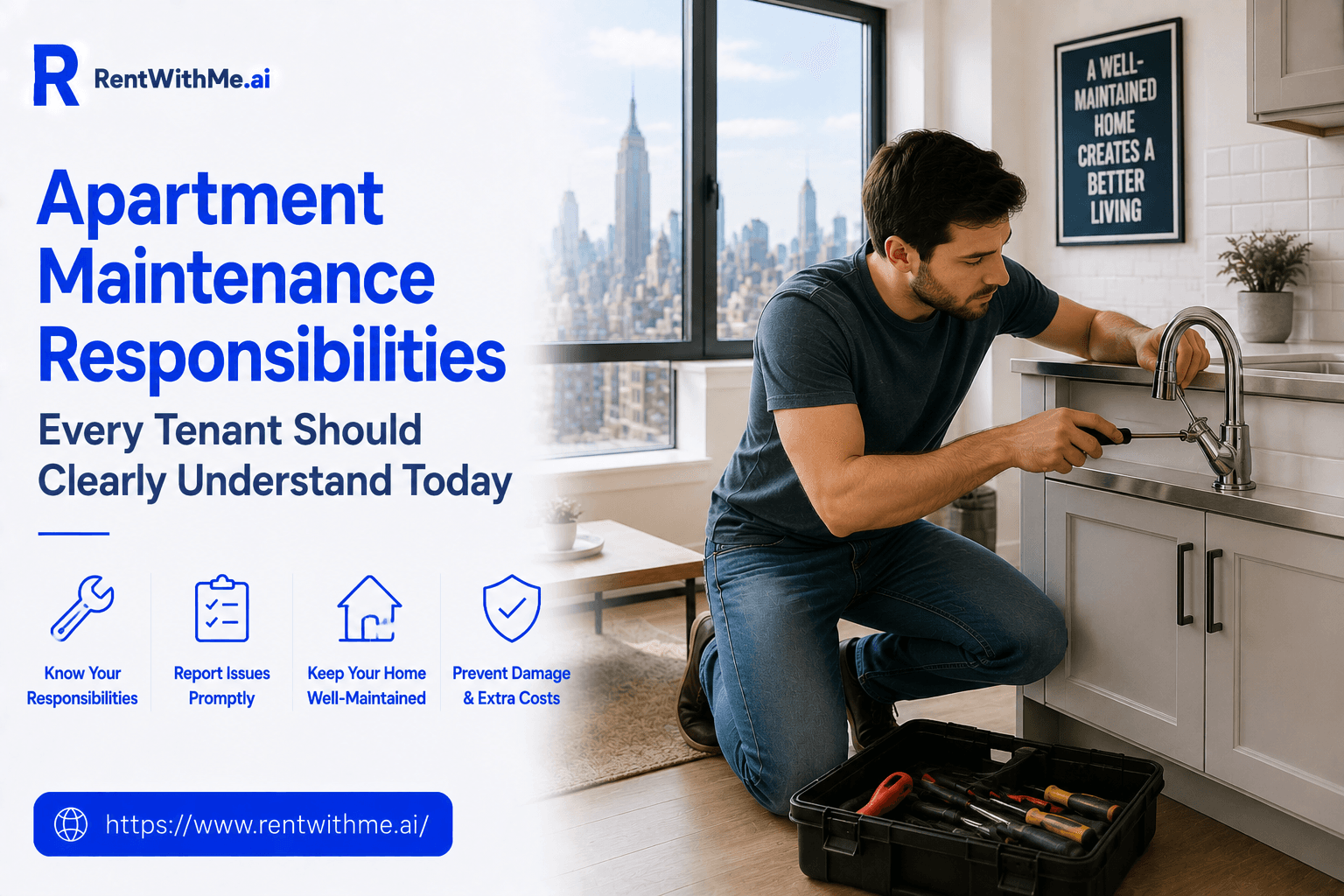
Apartment Maintenance Responsibilities Every Tenant Should Clearly Understand Today
Introduction
Moving into an apartment comes with more than paying rent and decorating your new home. Every tenant also shares responsibility for maintaining the property and helping keep it in good condition throughout the lease. Understanding these responsibilities from the beginning can help prevent misunderstandings, reduce unnecessary repair costs, and create a more positive rental experience.
Many first-time renters assume that every maintenance issue automatically becomes the landlord’s responsibility. In reality, maintenance duties are often shared between the landlord and the tenant, with each party having specific obligations outlined in the lease agreement.
Knowing what you should handle personally, when to report a problem, and how to communicate maintenance concerns properly can make apartment living much less stressful. It also helps protect the property while ensuring small issues do not become larger and more expensive problems.
This guide explains the maintenance responsibilities every apartment tenant should clearly understand. By learning these expectations early, you can care for your rental home responsibly while building a positive relationship with your landlord or property manager.
Why Understanding Apartment Maintenance Responsibilities Matters
Understanding maintenance responsibilities benefits both tenants and landlords.
When everyone understands their role, repairs are often handled more efficiently, communication improves, and the apartment remains in better condition throughout the lease. Clear expectations also reduce confusion when maintenance issues arise.
Ignoring small problems can sometimes allow them to develop into larger concerns. A dripping faucet, loose cabinet hinge, or minor plumbing issue may appear insignificant at first but can become more complicated if left unreported.
Responsible maintenance also contributes to a safer and more comfortable living environment. A well-maintained apartment is generally more enjoyable to live in and easier to care for over time.
Perhaps most importantly, understanding your responsibilities helps you fulfill your lease obligations while protecting the condition of your home.

Reviewing Your Lease Before Handling Maintenance Issues
Your lease agreement should always be your first source of information regarding maintenance responsibilities.
Every rental agreement contains specific terms that explain which repairs and maintenance tasks belong to the tenant and which are handled by the landlord or property manager. These responsibilities may vary depending on the property and local requirements.
Before submitting maintenance requests or attempting repairs yourself, review the relevant sections of your lease carefully. Understanding these provisions helps ensure you follow the correct procedures.
Pay particular attention to information regarding maintenance reporting, emergency repairs, appliance responsibilities, inspections, and property modifications.
If any section seems unclear, request clarification before taking action. Asking questions early helps avoid misunderstandings later.
Understanding the Difference Between Tenant and Landlord Responsibilities
One of the most important aspects of apartment living is recognizing that maintenance responsibilities are usually shared.
Landlords are generally responsible for maintaining the rental property according to applicable laws and the lease agreement, while tenants are typically expected to care for the apartment responsibly during everyday use.
Although the exact responsibilities vary, tenants are commonly expected to keep the apartment reasonably clean, report maintenance concerns promptly, operate appliances properly, and avoid unnecessary damage.
Landlords or property managers generally coordinate larger maintenance work, building systems, structural components, and repairs identified through the appropriate reporting process.
Understanding these shared responsibilities encourages better communication and helps both parties work together to maintain the property.

Everyday Maintenance Tasks Tenants Are Commonly Responsible For
Many routine maintenance responsibilities involve simple daily habits rather than technical repairs. Keeping your apartment clean, using appliances properly, disposing of trash appropriately, and preventing unnecessary damage all contribute to maintaining the property’s condition throughout your tenancy.
Common day-to-day responsibilities often include:
- Keeping living areas reasonably clean.
- Replacing household consumables where appropriate.
- Using appliances according to their instructions.
- Preventing unnecessary damage.
- Reporting maintenance concerns promptly.
- Following building policies for trash and recycling.
Completing these everyday tasks consistently helps reduce wear on the apartment while creating a more pleasant living environment.
Good daily habits often prevent larger maintenance problems from developing later.
Why Reporting Maintenance Problems Early Is Important
One of the most valuable responsibilities a tenant has is reporting maintenance concerns as soon as they are discovered.
Small issues are generally easier to address than larger problems that develop over time. Prompt communication allows property management to evaluate concerns before additional damage occurs. For example, a small plumbing leak, damaged weather stripping, unusual appliance noise, or loose handrail may seem minor initially but could become more significant if ignored.
Reporting problems early also demonstrates that you are taking reasonable care of the apartment and fulfilling your responsibilities as a tenant. Whenever possible, communicate maintenance concerns through the reporting method established by your landlord or property manager.

Keeping Your Apartment Clean to Prevent Maintenance Issues
Routine cleaning is one of the simplest ways to reduce maintenance concerns throughout your lease.
A clean apartment allows you to notice small issues much sooner than a cluttered or neglected space. Dust, moisture, food debris, and accumulated dirt can sometimes contribute to unnecessary wear on surfaces and household fixtures.
Develop a regular cleaning schedule that includes kitchens, bathrooms, flooring, appliances, windows, and frequently used living areas. Consistent cleaning also makes move-out preparation much easier later.
Pay particular attention to areas where moisture commonly collects, such as sinks, showers, and kitchen countertops. Keeping these spaces clean helps preserve the apartment’s overall condition. Simple preventive care often reduces the likelihood of larger maintenance issues developing over time.
Documenting Maintenance Requests and Communication
Maintaining organized records is an important part of responsible apartment living. Whenever you submit a maintenance request, keep copies of emails, online requests, text messages, or other written communication. Good documentation provides a clear record of when concerns were reported.
It is also helpful to photograph visible maintenance issues before repairs begin. These images create an accurate record of the apartment’s condition at the time the problem was discovered.
The table below outlines several records tenants should consider keeping.
| Record | Why It Is Helpful |
|---|---|
| Maintenance requests | Documents when problems were reported |
| Email correspondence | Provides communication history |
| Repair confirmations | Confirms completed maintenance |
| Photographs | Records visible apartment conditions |
| Inspection reports | Tracks property condition over time |
| Lease agreement | Clarifies maintenance responsibilities |
Keeping these records organized can simplify future conversations regarding apartment maintenance.

Common Maintenance Responsibility Misunderstandings
Many maintenance problems begin with misunderstandings rather than intentional neglect.
One common misconception is believing every repair should be handled personally. Attempting repairs without permission may create additional complications depending on the lease agreement.
Another misunderstanding is waiting too long before reporting maintenance concerns. Some tenants assume small issues are not worth mentioning, only to discover they become much larger over time.
Some renters also forget to review the lease before responding to maintenance situations. Since responsibilities differ between properties, relying on assumptions instead of written agreements may lead to confusion. Understanding these common misunderstandings helps tenants make more informed decisions throughout their lease.
Benefits of Being a Responsible Tenant
Responsible apartment maintenance provides benefits throughout your tenancy. Keeping the apartment clean, reporting concerns promptly, documenting communication, and following lease requirements contribute to a smoother rental experience for everyone involved.
Good maintenance habits also make inspections, maintenance visits, and eventual move-out preparation much easier. A well-maintained apartment generally requires less last-minute work when the lease comes to an end.
Perhaps most importantly, responsible tenants help preserve the condition of the property while demonstrating respect for their home and the rental agreement they accepted.
In the next section, we’ll explain how to submit maintenance requests properly, distinguish between emergency and non-emergency repairs, review room-by-room maintenance responsibilities, discuss seasonal apartment care, explore ways to prevent damage through routine maintenance, prepare for landlord inspections, manage maintenance while away from home, and organize maintenance records for the duration of your lease.
How to Submit Maintenance Requests Properly
Knowing how to report maintenance concerns is just as important as recognizing when a repair is needed.
Most landlords and property management companies have established procedures for submitting maintenance requests. Following those procedures helps ensure your request reaches the appropriate team and can be tracked throughout the repair process.
When reporting an issue, provide clear and accurate information. Include the location of the problem, a brief description of what you observed, when you first noticed it, and whether the issue appears to be getting worse.
If possible, attach photographs that clearly show the condition. Visual documentation often helps maintenance staff understand the issue before arriving at your apartment.
After submitting the request, keep a copy of the confirmation email, service ticket, or online request for your records.

Understanding Emergency vs. Non-Emergency Repairs
Not every maintenance concern requires immediate attention.
Understanding the difference between emergency and non-emergency repairs helps tenants communicate appropriately and allows property management to prioritize urgent situations.
Emergency maintenance generally involves situations that could immediately affect health, safety, or the habitability of the apartment. Non-emergency issues are important but usually allow time for normal scheduling.
If you are ever uncertain whether a situation qualifies as an emergency, review your lease or follow the emergency contact procedures provided by your landlord or property manager.
Providing accurate information allows maintenance teams to respond more effectively while ensuring genuinely urgent situations receive immediate attention.
Room-by-Room Maintenance Responsibilities
Each area of your apartment requires regular attention throughout your tenancy. Rather than waiting until problems develop, inspect your apartment periodically and address small concerns before they become larger issues.
In the kitchen, keep countertops, sinks, appliances, and cabinets clean while monitoring for leaks or unusual appliance performance. Bathrooms should be cleaned regularly to reduce moisture buildup. Check faucets, drains, toilets, mirrors, and ventilation areas as part of your normal cleaning routine.
Living rooms and bedrooms benefit from routine vacuuming or sweeping, dusting, and periodic inspection of windows, doors, flooring, and lighting fixtures.
Closets, storage areas, balconies where applicable, and entryways should also be checked regularly to ensure they remain clean and free of unnecessary clutter. Developing a room-by-room maintenance routine makes apartment care much more manageable throughout the lease.

Seasonal Apartment Maintenance Tips
Apartment maintenance needs often change throughout the year.Seasonal weather may affect heating, cooling, humidity, ventilation, and other aspects of apartment living. Paying attention to these seasonal changes helps maintain a comfortable home.
During warmer months, monitor cooling systems, window screens, and indoor ventilation. In colder seasons, pay attention to heating performance, window drafts, and moisture levels inside the apartment.
Helpful seasonal reminders include:
- Inspect windows and doors periodically.
- Keep air vents unobstructed.
- Monitor indoor humidity.
- Clean around heating and cooling vents.
- Watch for seasonal condensation.
Adapting your maintenance routine throughout the year helps preserve both comfort and the overall condition of your apartment.
Preventing Damage Through Routine Care
Preventive maintenance is often much easier than repairing avoidable damage. Simple daily habits help reduce unnecessary wear throughout your apartment while extending the life of fixtures, appliances, and finishes.
Avoid placing excessive weight on shelving, use appliances according to manufacturer instructions, wipe up spills promptly, and avoid allowing moisture to remain on surfaces for extended periods.
Regularly inspecting your apartment also allows you to notice changes before they become larger concerns. Small leaks, loose hardware, or unusual appliance performance are generally easier to address when identified early.
Consistent preventive care supports a cleaner, safer, and more comfortable living environment.
Preparing for Landlord or Property Inspections
Many rental properties conduct periodic inspections according to the lease agreement and applicable laws.
Preparing for these visits does not require major renovations. Instead, focus on maintaining a clean, organized apartment while ensuring maintenance concerns have already been reported appropriately.
Before an inspection, walk through every room and verify that routine cleaning has been completed. Remove unnecessary clutter and ensure important areas remain accessible if maintenance personnel need to inspect equipment or fixtures.
If you have previously reported maintenance issues, keep copies of your communication available for reference if necessary.
Viewing inspections as an opportunity to review your apartment’s condition helps make the process much less stressful.

Handling Maintenance During Long Vacations
If you plan to be away from your apartment for an extended period, taking a few precautions can help reduce maintenance concerns while you are gone.
Before leaving, clean the apartment, remove perishable food where appropriate, empty trash containers, and verify that windows and doors are properly secured.
If your building recommends specific procedures for extended absences, follow those guidelines carefully. Some properties may request emergency contact information while tenants are away.
You should also notify the appropriate person if your lease or building policies require advance notice for extended absences.
Preparing your apartment before traveling helps reduce the likelihood of returning to avoidable maintenance issues.
Keeping Maintenance Records Organized
Good recordkeeping remains valuable throughout your tenancy.
Maintain a dedicated folder containing maintenance requests, repair confirmations, inspection reports, photographs, lease documents, and important correspondence with your landlord or property manager.
The table below outlines several records that tenants commonly keep.
| Record | Purpose |
|---|---|
| Maintenance request confirmations | Documents reported issues |
| Repair completion notices | Records completed maintenance |
| Apartment photographs | Documents property condition |
| Inspection reports | Tracks apartment condition over time |
| Lease agreement | Clarifies maintenance responsibilities |
| Communication history | Provides reference for future discussions |
Organized records make future maintenance conversations much easier and provide useful documentation throughout your lease.
In the final part of this guide, we’ll explore real-life apartment maintenance examples, answer frequently asked questions about tenant responsibilities, provide a complete apartment maintenance checklist, share expert recommendations for keeping your rental in excellent condition, discuss common maintenance mistakes tenants should avoid, explain additional ways to protect your apartment during your lease, and conclude with practical advice for becoming a responsible and proactive tenant.
Real-Life Apartment Maintenance Examples
Understanding how maintenance responsibilities apply in everyday situations helps tenants make better decisions throughout their lease. While every apartment and lease agreement is different, these examples illustrate how proactive maintenance often prevents larger problems.
The situations below are fictional and provided for educational purposes.
A Tenant Reports a Small Leak Immediately
Sarah noticed a small amount of water collecting beneath her kitchen sink.
Instead of ignoring it, she photographed the area and submitted a maintenance request the same day. Because the issue was reported early, it was resolved before additional moisture affected the cabinet.
Her quick response prevented what could have become a much larger repair.
A First-Time Renter Keeps Excellent Records
Michael had never rented an apartment before.
He saved every maintenance request, repair confirmation, inspection report, and email related to his apartment in one digital folder. Whenever questions arose, he could quickly reference previous communication.
Staying organized made the entire rental experience much smoother.
A Family Follows a Seasonal Maintenance Routine
Daniel and his family developed a simple routine for checking their apartment every season.
They inspected windows, monitored heating and cooling performance, cleaned vents, and looked for any visible maintenance concerns. These regular inspections helped them identify small issues before they became larger problems.
Routine attention kept their apartment comfortable throughout the year.
A Remote Worker Performs Monthly Apartment Checks
Emily worked from home and spent most of her day in the apartment.
Once each month, she walked through every room checking appliances, plumbing fixtures, lighting, windows, and flooring. This simple habit helped her identify minor maintenance concerns early and report them promptly.
Her apartment remained in excellent condition throughout her lease.
These examples demonstrate that responsible maintenance is usually built on consistency rather than complicated repairs.
Frequently Asked Questions About Tenant Maintenance Responsibilities
Many renters have similar questions regarding apartment maintenance.
Should I read my lease before reporting maintenance?
Yes.
Your lease explains maintenance responsibilities, reporting procedures, inspection policies, and other important information that should guide your actions.
Why should I report small maintenance problems?
Small concerns can sometimes become larger repairs if they remain unaddressed.
Prompt reporting helps property management evaluate and resolve issues more efficiently.
Should I keep copies of maintenance requests?
Absolutely.
Maintaining organized records creates a clear history of reported concerns and completed repairs throughout your tenancy.
How often should I inspect my apartment?
Performing a simple visual inspection every month helps you notice changes before they become more significant.
Routine observation supports better apartment maintenance throughout your lease.
Should I photograph maintenance issues?
Yes.
Clear photographs help document the apartment’s condition and may improve communication when submitting maintenance requests.
Complete Apartment Maintenance Responsibility Checklist
A structured checklist makes apartment maintenance much easier to manage throughout your tenancy.
Use this checklist as part of your regular apartment care routine.
- Review your lease regularly.
- Keep the apartment reasonably clean.
- Inspect every room periodically.
- Report maintenance concerns promptly.
- Photograph visible maintenance issues.
- Keep appliances clean and use them properly.
- Monitor plumbing fixtures for leaks.
- Check windows and doors regularly.
- Organize maintenance records.
- Prepare for scheduled inspections.
- Follow building maintenance policies.
- Complete seasonal apartment checks.
- Communicate professionally with property management.
- Maintain copies of repair confirmations.
- Review your apartment before move-out.
Following these steps consistently helps preserve the condition of your rental home and supports a positive tenancy.
Expert Tips for Maintaining Your Rental Apartment
Successful apartment maintenance depends on regular attention rather than occasional major cleaning projects.
Develop a simple routine that includes weekly cleaning, monthly inspections, and seasonal maintenance reviews. Smaller tasks completed consistently are often much easier than addressing multiple neglected issues later.
Learn where important apartment systems are located, including electrical panels, water shutoff information if applicable, smoke detectors, and HVAC controls. Becoming familiar with these features helps you respond more effectively if questions arise.
Treat appliances and fixtures carefully by following their operating instructions and avoiding unnecessary wear. Responsible daily habits often extend the useful life of apartment equipment.
Finally, maintain respectful communication with your landlord or property manager. Prompt, professional communication contributes to faster maintenance coordination and a stronger landlord-tenant relationship.
Common Maintenance Mistakes That Can Lead to Problems
Many maintenance concerns result from simple oversights rather than intentional neglect.
The table below highlights common mistakes together with better maintenance practices.
| Common Mistake | Better Practice |
|---|---|
| Ignoring small maintenance issues | Report concerns as soon as they are noticed |
| Waiting until inspections to identify problems | Perform regular apartment walkthroughs |
| Misplacing maintenance records | Keep organized digital and printed copies |
| Assuming responsibilities without reading the lease | Review lease requirements carefully |
| Using appliances improperly | Follow manufacturer recommendations |
| Allowing clutter to hide maintenance concerns | Keep the apartment clean and organized |
Avoiding these common mistakes helps tenants maintain their apartments more effectively while reducing unnecessary complications during the lease.
Additional Ways to Protect Your Apartment Throughout Your Lease
Apartment maintenance involves more than responding to repairs.
Develop habits that help preserve the apartment every day. Clean spills promptly, avoid excessive moisture buildup, use furniture pads where appropriate, and maintain adequate ventilation throughout the home.
Monitor areas that commonly experience wear, such as kitchens, bathrooms, entryways, and windows. Regular observation helps you recognize gradual changes before they become significant maintenance concerns.
Keep emergency contact information and maintenance procedures easily accessible. Knowing who to contact and how to report issues saves valuable time if unexpected situations occur.
Maintaining your apartment responsibly also makes move-out preparation significantly easier because the property has been cared for consistently throughout your tenancy.
Final Advice for Being a Responsible Tenant
Being a responsible tenant is not about performing complicated repairs.
Instead, it means understanding your lease, caring for the apartment responsibly, reporting maintenance concerns promptly, and maintaining organized communication throughout your tenancy.
Small habits practiced consistently often have the greatest impact. Routine cleaning, periodic inspections, careful use of appliances, and good documentation all contribute to a well-maintained apartment.
Remember that maintaining your rental home benefits both you and the property owner. A clean, well-cared-for apartment creates a safer, more comfortable place to live while helping ensure a smoother rental experience from move-in through move-out.
Conclusion
Understanding apartment maintenance responsibilities is one of the most important aspects of becoming a successful tenant. While landlords and property managers are generally responsible for maintaining the property’s overall condition according to the lease and applicable laws, tenants also play an essential role in preserving the apartment through responsible daily care and timely communication.
The foundation of good apartment maintenance begins with reading and understanding the lease agreement. Knowing which responsibilities belong to the tenant and which are handled by property management helps eliminate confusion and allows maintenance concerns to be addressed through the proper procedures. Reviewing the lease before responding to maintenance issues is always a wise first step.
Consistent daily habits also make a meaningful difference throughout the lease. Keeping the apartment clean, inspecting rooms regularly, operating appliances properly, monitoring plumbing fixtures, and reporting concerns as soon as they are noticed all contribute to preventing small issues from becoming more serious. Preventive care often saves both time and inconvenience.
Organization is equally valuable during your tenancy. Maintaining records of maintenance requests, inspection reports, repair confirmations, photographs, and important communication provides a clear history of apartment maintenance from move-in through move-out. These records support better communication and make future reference much easier.
Ultimately, responsible apartment maintenance is built on preparation, consistency, and communication. By understanding your lease, following routine maintenance practices, documenting concerns, and working cooperatively with your landlord or property manager, you can enjoy a cleaner, safer, and more comfortable apartment while helping protect the property throughout your entire tenancy.