
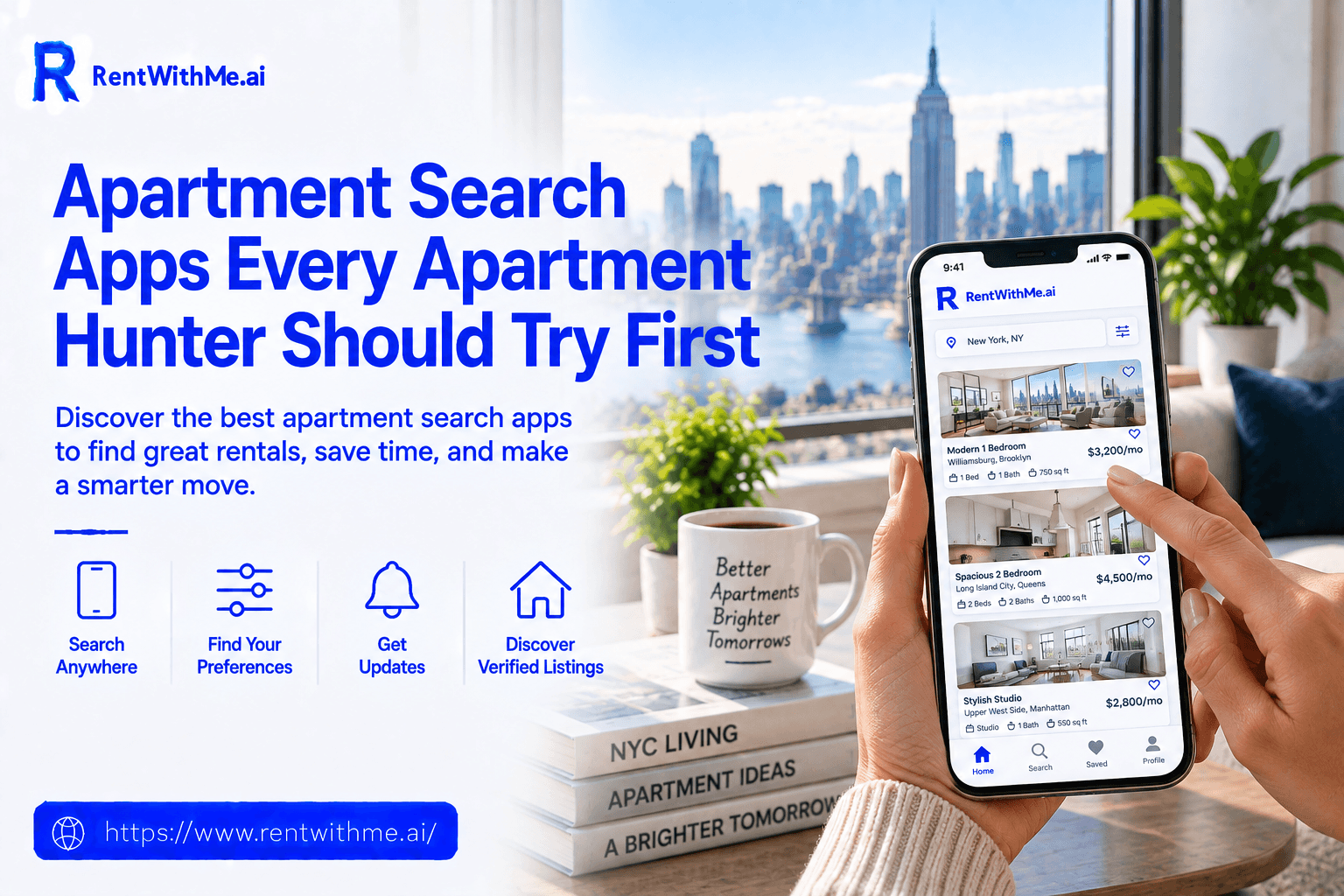
Apartment Search Apps Every Apartment Hunter Should Try First
Introduction
Apartment hunting has changed dramatically as mobile technology becomes increasingly useful. Renters can now discover available homes wherever their daily routines take them. Apartment search apps make that convenience possible without requiring constant desktop research.
The best apps provide more than endless collections of attractive listings. Useful filters, maps, alerts, and saving features make searching considerably easier. These tools can help renters focus attention on genuinely realistic housing opportunities.
However, convenience can create problems when renters begin browsing without clear priorities. Endless scrolling often produces confusion rather than better apartment decisions. A successful search requires purposeful technology use alongside thoughtful personal judgment.
Apartment apps should simplify discovery while supporting research and organized comparison. They cannot replace direct verification, property tours, or careful financial planning. Understanding these boundaries helps renters use mobile search tools more effectively.
Understand What Apartment Search Apps Actually Do
Apartment search apps primarily connect renters with available housing opportunities online. They organize property information into searchable databases with convenient mobile interfaces. Renters can explore neighborhoods, prices, photographs, and apartment features efficiently.
Most rental apps include filters designed to reduce irrelevant search results. Common options involve rent, bedrooms, bathrooms, location, and property features. These controls help transform large inventories into more manageable selections.
Saving tools allow promising apartments to remain accessible for later review. Alerts can notify renters when properties matching selected criteria appear. These features reduce repetitive searching during active apartment hunting periods.
Some apps also provide communication tools for contacting property representatives directly. Others offer maps, recommendations, or personalized matching features. Understanding available tools helps renters decide which applications deserve regular attention.

Start With Your Apartment Search Priorities
Downloading apartment apps should not become the first planning step. Establish your housing priorities before configuring searches across multiple platforms. Clear requirements make every app feature considerably more useful afterward.
Start with a comfortable monthly rental budget reflecting your broader finances. Consider how utilities and transportation could affect complete housing affordability. Your preferred rental amount should remain below any firm maximum.
Next, choose locations supporting work, education, errands, and personal routines. Consider nearby neighborhoods when they provide similar transportation or lifestyle benefits. Geographic flexibility can reveal better value without sacrificing everyday convenience.
Finally, identify essential apartment requirements and your realistic move-in timeframe. Keep optional preferences separate from features affecting household functionality. These priorities will shape filters, alerts, recommendations, and later apartment comparisons.
Choose Apps Based on Your Actual Search Needs
Different apartment apps can support different stages of rental searching. General marketplaces usually offer broad inventories across many locations and property types. They work particularly well when renters begin exploring available market options.
Location-focused apps may provide stronger coverage within specific rental markets. Specialized platforms can serve particular property categories or renter requirements. Their narrower focus sometimes produces more relevant results for certain searches.
Brokerage and property-management applications can provide another valuable inventory source. Their available properties may represent portfolios managed by particular organizations. These tools become useful when renters already prefer certain buildings or areas.
AI-powered apartment tools can help match listings with renter preferences. Their value depends on available inventory and how effectively preferences get interpreted. Recommendations should support your judgment rather than replace established housing priorities.
Apartment Search App Comparison Table
| App Type | Best Use | Common Features | Main Advantage | Possible Limitation | Ideal Search Stage |
|---|---|---|---|---|---|
| General rental marketplace | Broad apartment discovery | Filters, maps, alerts, favorites | Large searchable inventory | Results can become overwhelming | Early and active searching |
| Location-focused rental app | Searching specific markets | Local filters, maps, listings | More focused geographic relevance | Limited coverage elsewhere | Neighborhood research |
| Brokerage application | Finding represented rentals | Listings, contacts, saved properties | Direct access to represented inventory | Limited brokerage coverage | Active searching |
| Property-management application | Exploring managed properties | Availability, building details, contacts | Useful property-specific information | Smaller overall inventory | Shortlisting |
| AI-powered matching app | Personalized apartment discovery | Matching, recommendations, preference tools | Reduces irrelevant browsing | Recommendations still need evaluation | Active searching |
| Specialized rental platform | Targeted housing discovery | Niche filters and listings | Stronger relevance for specific needs | Smaller overall selection | Focused searching |
Use this comparison to identify app categories supporting your particular search. Most renters do not need every available application. Several complementary tools usually provide enough inventory without creating excessive duplication.
Your preferred combination can change as your apartment search progresses. Broad discovery tools may become less important after neighborhoods become established. More focused resources then help research serious candidates and specific properties.

Use Search Filters Without Hiding Good Apartments
Filters are among the most valuable features within apartment search applications. They reduce enormous inventories into properties matching your realistic requirements. However, overly aggressive filtering can accidentally hide worthwhile rental opportunities.
Start with criteria that strongly influence whether an apartment remains suitable. Budget, location, bedrooms, and essential accessibility requirements usually deserve priority. Add other filters only when missing features would create genuine problems.
Optional amenities should rarely control your earliest search results completely. A rooftop or lounge might improve enjoyment without affecting daily functionality. Leaving these filters flexible can reveal stronger apartments within your budget.
Review your filters whenever search results become unexpectedly limited or repetitive. One unnecessary requirement may remove many otherwise suitable apartments. Thoughtful adjustments can expand choices without abandoning essential housing priorities.
Set a Comfortable Maximum Rent Before Searching
Apartment apps make exceeding your intended budget surprisingly easy during browsing. Properties slightly above your range can begin looking increasingly reasonable. Establishing firm financial boundaries beforehand protects against gradual budget creep.
Separate your preferred rent from your absolute comfortable monthly maximum. Most search results should remain around your preferred spending level. The maximum should function as a boundary rather than your target.
Remember that monthly rent represents only one recurring housing expense. Utilities, internet, transportation, laundry, and parking may increase total costs. These expenses can vary considerably between otherwise similar rental properties.
Use app price filters to protect your broader financial plan consistently. Attractive photographs should never redefine affordability during an emotional search. Financial comfort remains valuable long after initial apartment excitement disappears.

Search Multiple Neighborhoods Strategically
Many renters begin searching within one preferred neighborhood or district. That approach works when budget and inventory support realistic options. However, nearby alternatives can sometimes provide considerably stronger rental value.
Add neighborhoods offering similar transportation connections and everyday conveniences. A slightly different location may provide more space for comparable rent. Another area might offer stronger transit despite greater geographic distance.
Map-based app searches can make nearby alternatives easier to discover. Explore surrounding areas instead of repeatedly searching identical neighborhood boundaries. Small geographic flexibility can substantially increase suitable rental inventory.
Do not expand your search randomly simply to produce more listings. Every selected neighborhood should support your actual routines reasonably well. Strategic flexibility works better than broad searching without practical direction.
Use Map-Based Apartment Search Features
Map views reveal information that ordinary listing feeds often hide. They show where available apartments sit relative to neighborhood boundaries. This helps renters compare location patterns before opening individual property pages.
Use maps to identify apartments near transportation and frequent destinations. Grocery stores, parks, pharmacies, or workplaces may influence neighborhood convenience. Location context often explains why similar apartments carry different rental prices.
Zoom beyond the immediate property block when evaluating serious listings. Look at surrounding streets and connections with nearby neighborhoods. Broader context can reveal practical alternatives overlooked through list-based searching.
Remember that map placement alone cannot establish complete neighborhood suitability. Walking conditions and daily experiences still require deeper research. Map features should guide exploration rather than become final location evidence.

Use Saved Searches to Reduce Repetitive Browsing
Saved searches can eliminate repetitive filter setup during active apartment hunting. Create them around realistic combinations of budget, location, and requirements. Focused searches make regular app reviews faster and more consistent.
Avoid creating numerous saved searches differing by insignificant filter changes. Too many versions can produce overlapping results and unnecessary confusion. Keep only searches representing genuinely different apartment strategies or locations.
Review saved criteria when your understanding of the market improves. You may discover that certain neighborhoods require additional budget flexibility. Another area might provide stronger inventory within your preferred range.
Adjust one important search variable whenever possible during these refinements. This makes the effect of each change easier to understand. Purposeful saved searches transform repeated browsing into a more structured routine.
Turn On Listing Alerts Carefully
Listing alerts can help renters discover new apartments without constant refreshing. They become particularly useful when suitable inventory receives strong renter attention. Fast awareness can provide more time for verification and communication.
Create alerts around search combinations that consistently produce realistic properties. Notifications should reflect your budget, locations, and essential apartment requirements. Broad alerts often generate distracting listings with little practical value.
Avoid enabling notifications for every minor variation of your searches. Repeated alerts can make meaningful opportunities easier to overlook. Notification overload can also create unnecessary pressure throughout apartment hunting.
Review alert performance after several days of active searching. Remove alerts consistently producing irrelevant or unaffordable properties. Strong notifications should reduce browsing effort rather than increase digital clutter.

Save and Organize Promising Apartments
Favorite features make it easy to collect interesting rental properties quickly. Unfortunately, enormous saved lists can become nearly as confusing as search results. Save apartments only when they deserve meaningful additional consideration.
Create a simple standard for deciding which listings deserve saving. Properties should generally fit budget, location, timing, and essential requirements. Attractive apartments failing major priorities rarely belong within serious shortlists.
Remove unavailable or clearly unsuitable properties as your search progresses. Keeping outdated listings creates clutter and weakens meaningful comparisons. A smaller active shortlist makes follow-up considerably easier.
Separate strong candidates from listings requiring additional information whenever possible. Record important unanswered questions outside the app when necessary. Organization becomes increasingly valuable when several similar properties compete for attention.
Read Full Listings Inside Apartment Apps
Search result cards usually reveal only a property’s most basic information. Open serious listings and read their complete descriptions carefully. Important details may appear beyond the initial price and photograph.
Review information involving availability, lease timing, utilities, and building features. Look for conditions that could change affordability or household suitability. Missing information should become questions for direct verification later.
Study any available floor plans alongside the written property description. Floor plans can reveal room relationships that photographs obscure. They also help renters imagine furniture placement and everyday movement.
Avoid saving properties based only on attractive search result previews. Complete listing review takes longer but prevents unnecessary follow-up. Strong apartment searches prioritize relevant information over rapid scrolling.

Evaluate Listing Photos Beyond Appearance
Apartment photography can make rental listings appealing within seconds. Professional lighting and wide-angle lenses can emphasize space and brightness. Renters should study photographs for practical information beyond visual presentation.
Look for whether every important room appears within the listing gallery. Missing bedrooms or bathrooms may deserve questions before scheduling tours. Repeated photographs can sometimes make galleries appear more comprehensive than reality.
Compare window placement and room relationships across multiple photographs carefully. This can help you understand whether images support the stated layout. Floor plans become particularly useful when visual relationships remain difficult interpreting.
Pay attention to storage, appliances, flooring, and visible property condition. Attractive furniture may disappear before your tenancy begins. Focus on permanent features rather than temporary staging or decorative styling.
Check Listing Freshness Before Becoming Interested
Rental listings can remain visible even when their status changes. Check update information whenever apartment applications display relevant timing details. Recent activity can provide useful context during initial evaluation.
Freshness does not guarantee that an apartment remains currently available. Strong listings can receive applications shortly after appearing online. Current availability therefore deserves confirmation before serious travel or application preparation.
Older listings should not automatically receive rejection based solely on age. Some apartments remain available longer for ordinary market reasons. However, older information should encourage timely verification before emotional investment.
Track when promising listings first enter your active search system. Repeatedly unchanged properties may deserve additional questions about availability. Listing age should guide verification rather than become automatic judgment.
Avoid Endless Scrolling Through Apartment Apps
Apartment apps can encourage browsing long after useful searching has ended. Infinite feeds make another listing always feel potentially better. This behavior can consume substantial time without improving rental decisions.
Set focused periods for reviewing new listings and updating saved properties. Use established filters rather than browsing unrelated apartments for entertainment. Purposeful sessions make search progress easier to measure.
Reject clearly unsuitable listings quickly once important incompatibilities become obvious. There is little value in repeatedly reconsidering unaffordable apartments. Strong search habits preserve attention for realistic housing opportunities.
Every serious listing should eventually receive a clear next action. Save it, verify it, contact someone, schedule appropriately, or reject it. Action-oriented searching prevents apps from becoming endless digital catalogs.
Build an Apartment App Search Tracker
A separate tracker can connect information gathered across multiple rental applications. Record property details, app sources, rents, locations, and availability. Include contacts, verification status, and tour progress for serious candidates.
Spreadsheets work particularly well because they support consistent property comparisons. Simple notes can also succeed when renters update them regularly. Choose a system that remains easy during busy searching periods.
Mark which information came directly from the apartment search application. Separate those details from information later confirmed through property representatives. This distinction prevents unverified claims from appearing equally reliable.
Update the tracker whenever listings disappear or important information changes. Remove properties that no longer deserve consideration after verification. Organized records create continuity across different apps and search sessions.

Prepare to Verify Listings Outside the App
Apartment apps should eventually produce a manageable group of serious properties. At that point, discovery should shift toward verification and deeper research. Continuing endless browsing can distract from stronger existing candidates.
Compare duplicate listings across your selected apps whenever possible. Note differences involving rent, availability, photographs, or important features. Meaningful inconsistencies should become questions for direct property communication.
Identify which apartments remain realistic after reviewing complete available information. Strong candidates should fit budget, timing, location, and essential requirements. Those properties deserve further verification before scheduling tours or applications.
Part Two will examine how renters can verify app information effectively. It will connect listings with maps, costs, communication, and property tours. That process turns convenient mobile discovery into more reliable apartment decisions.
Compare Listings Across Multiple Apartment Search Apps
Using several apartment apps can reveal properties unavailable through individual platforms. Different applications may receive rental information from separate listing sources. This variation makes cross-platform searching useful during serious apartment hunting.
Duplicate properties can also provide valuable opportunities for comparing listing information. Check whether advertised rent remains consistent across different rental applications. Compare availability dates, photographs, descriptions, and important apartment features.
Differences do not necessarily indicate inaccurate or suspicious rental information. One application may simply receive property updates earlier than another. However, meaningful inconsistencies should encourage direct verification before further action.
Keep duplicate listings connected within your apartment search tracking system. Recording each source makes later comparison considerably easier and clearer. This habit prevents conflicting information from becoming accidentally mixed together.
Verify Important Listing Information Before Touring
Apartment tours require time, transportation, and sometimes complicated scheduling arrangements. Verify essential information before investing those resources in property visits. Basic confirmation can eliminate apartments that no longer meet requirements.
Start by confirming current monthly rent and actual apartment availability. Ask whether advertised pricing includes temporary concessions or special conditions. Understanding pricing structure prevents misleading affordability comparisons between competing apartments.
Move-in timing deserves equal attention before arranging any property tour. Confirm that availability reasonably matches your existing housing commitments. An excellent apartment provides little value when timing remains fundamentally incompatible.
Finally, verify essential features capable of determining household suitability. Accessibility, pets, laundry, parking, or elevators may require confirmation. Important requirements should never depend entirely on application filters.
Use Direct Property Sources Alongside Apartment Apps
Apartment apps provide excellent discovery tools but rarely answer every question. Direct property sources can add stronger context around serious rental candidates. These resources become increasingly valuable as your shortlist becomes smaller.
Property-management websites may display current units across buildings they operate. Building websites can provide amenity information and legitimate contact details. Brokerage sources may offer additional information about represented rental properties.
Compare these direct sources against details shown within apartment applications. Matching information can increase confidence before you schedule property tours. Significant differences should become specific questions for appropriate representatives.
Remember that direct websites can also contain information requiring confirmation. No online source should automatically replace current communication about availability. Use multiple sources together rather than treating one as infallible.
Apartment Listing Verification Table
| Property Detail | App Information | Second Source | Direct Confirmation | Verification Status | Required Next Step |
|---|---|---|---|---|---|
| Monthly rent | Recorded from app | Compare another source | Confirm current amount | Pending or confirmed | Clarify differences |
| Availability | Listed date | Check property source | Confirm current status | Pending or confirmed | Schedule tour |
| Move-in timing | Advertised date | Compare direct website | Confirm workable date | Pending or confirmed | Review timeline |
| Bedrooms and bathrooms | App details | Compare floor plan | Confirm actual layout | Pending or confirmed | Review suitability |
| Pet policy | Filter or description | Check property policies | Confirm restrictions | Pending or confirmed | Ask representative |
| Laundry | Listed amenity | Review building details | Confirm location and access | Pending or confirmed | Evaluate convenience |
| Parking | Listed feature | Check property information | Confirm availability and cost | Pending or confirmed | Compare expenses |
| Accessibility | App filter | Review building information | Confirm required access | Pending or confirmed | Evaluate suitability |
Use this table when important information appears across several rental sources. It separates initial app information from details receiving stronger confirmation. That distinction helps renters recognize which questions still require answers.
Update verification statuses immediately after receiving reliable property information. Consistent records prevent older app details from overriding newer confirmations. This process becomes especially useful when several apartments remain competitive.
Use Mapping Apps to Research Apartment Locations
Rental apps often include maps showing where available apartments appear geographically. Dedicated mapping tools can provide additional neighborhood context afterward. Together, these resources help renters understand location beyond neighborhood names.
Check nearby grocery stores, pharmacies, parks, and other frequent destinations. Everyday convenience can strongly influence satisfaction after moving into an apartment. Small distances become meaningful when renters repeat them several times weekly.
Transportation access deserves particularly careful review during location research. Identify nearby stations, stops, and realistic walking routes. An apartment near transportation geographically may still require inconvenient street access.
Look beyond the immediate block when comparing neighborhood practicality. Nearby commercial areas or transportation connections may improve everyday convenience substantially. Mapping research helps determine which properties genuinely deserve physical visits.
Research Realistic Commutes From Saved Apartments
Commute quality can transform an attractive apartment into an impractical choice. Estimate complete travel time before becoming emotionally invested in properties. Include walking, waiting, transfers, and final destination access.
Check travel conditions during periods resembling your actual working schedule. Midday estimates may differ significantly from peak commuting conditions. Realistic timing creates more useful comparisons between apartment locations.
Review alternative routes whenever dependable transportation remains especially important. Service disruptions can make backup options valuable during everyday travel. Apartments with several reasonable routes may provide greater long-term flexibility.
Compare commute quality alongside rent rather than treating them independently. A cheaper apartment can create higher transportation costs and longer travel. Practical housing value includes both financial and daily time considerations.
Compare Complete Monthly Costs Between Apartments
Monthly rent remains important, but complete housing costs provide better comparisons. Apartments can create different recurring expenses despite similar advertised rental prices. These differences deserve attention before deciding which property provides stronger value.
Estimate utilities, internet, transportation, laundry, and parking when applicable. Add other predictable expenses directly connected with occupying each property. Use identical cost categories when comparing serious rental candidates.
A higher-rent apartment might reduce transportation or laundry expenses substantially. Another property may appear affordable until additional monthly costs accumulate. Complete calculations reveal differences hidden behind attractive advertised pricing.
Keep these estimates realistic rather than attempting impossible financial precision. The objective involves understanding meaningful differences between available apartments. Updated confirmed information should replace earlier estimates whenever it becomes available.
Use App Recommendations Without Following Them Blindly
Many apartment apps recommend properties based on searches and saved listings. These suggestions can uncover apartments renters might otherwise overlook. However, recommendations should never override established household requirements automatically.
Review every suggested apartment using the same standards as manual discoveries. Check affordability, location, timing, and essential features before saving it. Attractive recommendations still require independent evaluation and eventual verification.
Recommendation systems may emphasize similarities that matter little personally. An apartment could resemble saved properties while failing important requirements. Technology recognizes patterns but cannot completely understand every household tradeoff.
Use recommendations as additional discovery channels rather than decision-making authorities. Helpful suggestions expand possibilities without controlling your final shortlist. Your practical priorities should remain stronger than algorithmic enthusiasm.
Understand AI-Powered Apartment Matching
AI-powered matching can make apartment discovery more focused and personalized. These tools may interpret renter preferences beyond basic filter combinations. They can help reduce time spent reviewing obviously unsuitable properties.
Some matching systems consider location, budget, features, and lifestyle preferences together. This broader approach can surface apartments overlooked through rigid filters. Personalized discovery becomes particularly useful when renters have several interacting priorities.
However, matching quality depends on available inventory and provided information. Recommendations cannot guarantee current availability or complete property suitability. Every promising match still deserves careful review and independent confirmation.
Treat artificial intelligence as a search assistant rather than final judge. Strong matching should make discovery more efficient and relevant. Renters should retain control over tradeoffs involving money and lifestyle.
Use Favorite and Shortlist Features Strategically
Favorite buttons make saving interesting apartments almost effortless during browsing. That convenience can quickly create enormous collections of weak candidates. A useful shortlist should remain selective enough for meaningful comparison.
Save properties only when they pass your most important requirements. Budget, location, availability, and essential features should receive early consideration. Attractive apartments failing major criteria usually create unnecessary shortlist clutter.
Review favorites regularly and remove apartments that become unavailable or unsuitable. Keep stronger candidates clearly distinguishable from uncertain possibilities. This makes direct communication and tour scheduling much easier.
Do not treat saving an apartment as meaningful search progress alone. Every saved property should eventually receive another practical action. Verification, contact, touring, comparison, or removal should follow serious interest.
Contact Property Representatives Through Apps Carefully
In-app messaging can make initial property communication fast and convenient. Use these tools to ask focused questions about serious listings. Clear communication usually produces more useful responses than broad inquiries.
Identify the apartment clearly and mention your realistic move-in timeframe. Ask about unresolved details capable of affecting your decision. Current rent and availability often deserve confirmation during initial contact.
Keep records of important answers received through application messaging systems. Add meaningful information to your separate apartment search tracker. This protects useful details when conversations become scattered across several platforms.
Avoid sharing unnecessary sensitive information during basic listing inquiries. Formal applications may eventually require financial or identity documentation. Initial property questions usually need considerably less personal information.
Use Apartment Tours to Test App Information
Apartment tours provide information that mobile applications cannot fully communicate. They reveal physical space, condition, noise, light, and building atmosphere. Use every visit to test expectations created through online listings.
Compare the actual layout against photographs and available floor plans. Notice whether rooms feel appropriately sized for your household. Wide-angle photographs can create impressions that differ considerably from reality.
Check essential features that influenced your decision to schedule the tour. Confirm laundry arrangements, storage, accessibility, or other important requirements. Practical details deserve greater attention than decorative staging during visits.
Observe common areas and immediate surroundings before leaving the property. Building access and street conditions can affect everyday experience significantly. These observations complete information that apartment apps cannot reliably provide.
Document Apartment Tours Immediately
Several apartment tours can become difficult remembering after busy search days. Record your observations soon after leaving each property. Immediate notes preserve details before similar apartments begin blending together.
Write down important strengths, concerns, and unanswered questions from visits. Compare these observations with information originally presented inside the app. Meaningful differences should receive clarification before applications begin.
Photographs can support memory when property rules permit taking them. Focus on practical details that might influence later comparisons. Avoid collecting unnecessary images that provide little decision-making value.
Keep tour notes within the same tracking system used earlier. Connecting digital research with firsthand observations creates stronger property records. This continuity makes final apartment comparisons more reliable and organized.
Use Reviews and Ratings With Proper Context
Reviews can provide additional context about buildings or management experiences. Repeated themes may reveal questions worth investigating during apartment research. However, individual reviews rarely provide complete or universally applicable evidence.
Look for patterns appearing across several detailed and reasonably current comments. Maintenance or communication concerns may deserve additional verification when repeatedly mentioned. Isolated complaints should receive proportionate rather than automatic importance.
Positive reviews also require thoughtful interpretation before influencing major decisions. Different renters can value completely different aspects of apartment living. Your household priorities should remain central throughout review research.
Use reviews to generate better questions rather than final conclusions. Direct observation and reliable property information deserve greater decision-making weight. Supplemental opinions become useful when interpreted within broader evidence.
Recognize Common Warning Signs Within Rental Apps
Some app listings contain information that deserves stronger verification before proceeding. Important missing details can make accurate apartment evaluation unnecessarily difficult. Unexplained differences across duplicate listings also deserve closer attention.
Be cautious when communication becomes unusually pressured before basic verification occurs. Competitive rental markets can move quickly without eliminating reasonable safeguards. Legitimate urgency should not prevent renters from asking important questions.
Unclear property contacts can also complicate confidence during apartment searches. Verify who represents the property before sharing sensitive documents. Significant communication changes should receive clarification rather than convenient assumptions.
Warning signs do not automatically prove that listings are illegitimate. They indicate situations where stronger verification becomes especially important. Thoughtful caution protects renters without encouraging unnecessary suspicion toward every listing.
Protect Your Personal Information When Using Rental Apps
Apartment applications can eventually require significant personal and financial information. Early listing conversations generally require far less sensitive documentation. Understanding this difference helps renters protect information throughout their searches.
Avoid sending identification or financial records simply to confirm availability. Ask why particular information is necessary when requests seem premature. Formal application stages should use appropriate and verified submission channels.
Confirm the representative and property connection before providing sensitive documents. Check whether application instructions match legitimate property information already gathered. Unexpected changes deserve verification before any confidential submission occurs.
Maintain organized records showing where important documents were provided. This becomes especially valuable when applying to several apartments simultaneously. Careful information management supports efficient searching without sacrificing reasonable privacy.
Turn App Research Into a Verified Shortlist
A useful apartment shortlist should contain more than visually appealing properties. Each serious candidate should satisfy your most important practical requirements. Verification should gradually replace assumptions collected during initial app browsing.
Remove listings that become stale, unavailable, or clearly unsuitable. Confirm important information for properties remaining under serious consideration. Current rent and workable timing deserve particular attention before applications.
Compare complete costs, transportation, essential features, and tour observations consistently. Strong candidates should perform reasonably across several important categories. One impressive amenity should not outweigh multiple serious disadvantages.
Once your shortlist contains verified candidates, searching enters another stage. Part Three will connect app research with applications and lease review. That transition turns mobile discovery into confident final rental decisions.
Move From Apartment Apps Into the Application Process
A verified shortlist signals that apartment discovery should become more action-oriented. Your strongest candidates now deserve focused preparation rather than additional scrolling. Review each property carefully before beginning any formal rental application.
Confirm that preferred apartments remain available before preparing substantial application materials. Rental inventory can change quickly during competitive searching periods. Current confirmation prevents wasted effort on properties no longer accepting applications.
Review your budget, location, commute, and essential requirements one final time. Strong applications should target apartments you would genuinely accept. Applying indiscriminately can create unnecessary stress and complicated decision-making afterward.
Keep several realistic backup apartments available whenever market conditions remain competitive. Your preferred property may receive another qualified applicant first. Good alternatives preserve flexibility without forcing rushed compromises later.
Verify Application Channels Before Sharing Documents
Formal rental applications can require sensitive personal and financial information. Verify where documents should be submitted before sending anything confidential. Application convenience should never replace reasonable information security practices.
Confirm that instructions come from a legitimate property representative or organization. Compare contact information with sources already verified during earlier research. Unexpected communication changes deserve clarification before documents leave your control.
Ask which documents are genuinely required for the specific application process. Avoid providing additional sensitive records without understanding their purpose. Organized preparation allows faster submission without encouraging unnecessary information sharing.
Keep records showing when and where important application materials were submitted. These records become valuable when several applications remain active simultaneously. They also help maintain organization throughout complicated rental searches.
Understand Where Apartment Apps Stop Being Useful
Apartment apps provide their greatest value during discovery and initial comparison. Their usefulness becomes more limited once serious property decisions begin. Direct verification eventually matters more than another round of app browsing.
A listing cannot completely communicate room proportions or physical property condition. Photographs cannot reliably demonstrate everyday noise or actual natural lighting. Property tours therefore provide information unavailable through ordinary mobile interfaces.
Direct representatives can clarify questions that platform descriptions leave unresolved. Written rental documents eventually provide important terms governing the tenancy. These sources should gradually receive greater attention than original listings.
Knowing when to leave the app prevents unnecessary searching from continuing. Strong candidates deserve evaluation rather than endless competition with hypothetical alternatives. Progress requires moving from discovery toward increasingly reliable information.
Final Apartment App Comparison Table
| Property | App Source | Advertised Rent | Confirmed Rent | Availability | Essential Features | Tour Result | Application Status |
|---|---|---|---|---|---|---|---|
| Apartment A | General marketplace | Recorded | Confirmed | Available | Confirmed | Strong candidate | Ready to apply |
| Apartment B | AI matching app | Recorded | Confirmed | Available | Confirmed | Suitable | Comparing options |
| Apartment C | Management app | Recorded | Updated | Available | One question remaining | Positive | Follow-up required |
| Apartment D | Brokerage app | Recorded | Unconfirmed | Uncertain | Partially confirmed | Not completed | Verification needed |
| Apartment E | Specialized platform | Recorded | Confirmed | Available later | Confirmed | Strong candidate | Timing review needed |
Use this table after several apps produce multiple promising rental candidates. Replace example statuses with information collected during your actual apartment search. Consistent categories make important differences considerably easier to compare.
Prioritize confirmed information over attractive presentation when evaluating final candidates. Unknown details should remain clearly marked until reliable answers become available. Organized comparison protects renters from making decisions using incomplete assumptions.
Review Written Rental Terms Before Committing
Written rental terms deserve careful attention before any final housing commitment. They contain information that apartment applications cannot fully represent. Marketing descriptions should never substitute for reviewing actual rental documents.
Confirm monthly rent and important payment responsibilities within written agreements. Compare these amounts against information verified earlier during your search. Meaningful differences should receive clarification before you proceed further.
Review lease dates carefully because timing affects your relocation planning. Confirm that expected move-in arrangements match the written documentation. Even small timing differences can create practical or financial complications.
Check responsibilities involving utilities, pets, maintenance, and other important household matters. Written terms should support expectations developed during earlier apartment research. Ask appropriate questions whenever important conditions remain unclear.
Avoid Common Apartment Search App Mistakes
Downloading too many rental apps can create more confusion than opportunity. Repeated listings eventually consume time without expanding meaningful apartment choices. Keep applications that consistently contribute useful inventory or research features.
Saving every attractive apartment creates another common problem for renters. Large favorite collections make serious candidates harder to identify. Apply your established requirements before adding properties to active shortlists.
Filters can also create false confidence when renters trust them completely. Platform information may remain incomplete or categorized differently across properties. Essential features still deserve confirmation before major decisions.
Another mistake involves applying before important property information receives verification. Competitive markets encourage speed, but preparation creates safer efficiency. Fast decisions work better when reliable information already supports them.
Avoid Notification and Search Overload
Rental notifications become counterproductive when every alert demands immediate attention. Too many notifications can make genuinely relevant listings easier missing. Focus alerts around search combinations producing realistic apartment opportunities.
Remove notifications connected with outdated priorities or rejected neighborhoods. Adjust price ranges only when financial circumstances genuinely justify changes. Alert settings should evolve alongside your increasingly informed rental search.
Schedule purposeful periods for reviewing listings instead of checking constantly. This habit protects attention while maintaining regular market awareness. Strong search routines can remain responsive without becoming emotionally exhausting.
Consider removing apps that contribute nothing beyond repeated duplicate listings. Fewer productive tools can provide stronger organization than numerous applications. Search efficiency depends on relevance rather than maximum digital coverage.
Know Which App Features Provide the Most Value
Not every apartment app feature deserves equal attention during searching. Search filters provide immediate value by removing clearly unsuitable properties. Map views add geographic context that ordinary listing feeds cannot provide.
Saved searches reduce repeated work when renters monitor consistent criteria. Alerts provide timely awareness when relevant new properties become available. Favorites help organize promising listings when used with reasonable selectivity.
Communication features can simplify initial contact with legitimate property representatives. Personalized matching may reveal apartments overlooked through rigid search filters. Each feature becomes valuable when connected with a clear search purpose.
Avoid using features simply because applications make them available prominently. Choose tools that solve genuine problems within your rental process. Purposeful technology use produces better results than feature-heavy browsing.
Know Which Listing Details Always Need Confirmation
Current rent should receive confirmation before renters make financial decisions. Advertised pricing may change or involve concessions requiring additional explanation. Never build final affordability calculations around uncertain promotional numbers.
Availability also requires confirmation because apartment inventory can change rapidly. An active app listing may not reflect recent application activity. Verify current status before investing heavily in one property.
Move-in dates deserve confirmation when existing housing commitments limit flexibility. Essential features should receive similar attention whenever household functionality depends upon them. Filters alone cannot guarantee every property detail remains accurate.
Recurring costs and application requirements can influence final decisions substantially. Ask direct questions whenever important financial information remains unclear. Confirmation transforms attractive app listings into dependable decision-making information.
Decide When an App Listing Deserves Fast Action
Some apartment listings deserve quick attention after passing careful initial screening. Strong candidates should remain comfortably affordable within your established budget. Their locations should also support realistic daily transportation requirements.
Essential features should receive confirmation before urgency drives significant commitments. Workable availability must also align with your intended moving timeframe. These conditions create stronger reasons for pursuing properties promptly.
Clear communication and legitimate application instructions provide additional confidence. Renters should understand appropriate next steps before submitting sensitive documentation. Fast action should follow preparation rather than replace careful verification.
Respond efficiently when a verified apartment strongly matches established priorities. Preparation allows renters to move quickly without abandoning sensible standards. The goal remains informed speed rather than impulsive rental decisions.
Realistic Apartment Search App Scenarios
A first-time renter might begin by downloading numerous rental applications immediately. Within days, duplicate listings could make every platform feel identical. Selecting several productive apps would create a clearer search process.
That renter could use one broad marketplace for general property discovery. Another specialized application might provide more focused rental recommendations. A mapping tool could then support neighborhood and transportation research.
Consider another renter whose daily commute strongly influences apartment suitability. Map views might identify properties near several transportation routes. Realistic commute research could then eliminate locations creating difficult daily travel.
A pet owner faces another situation where app filters become helpful. Pet-friendly filters can quickly reduce obviously unsuitable rental properties. However, direct confirmation should clarify specific restrictions before serious property visits.
Busy renters can benefit significantly from saved searches and notifications. Focused alerts reduce the need for constant manual browsing. Carefully configured recommendations can also reveal relevant apartments during limited searching time.
These examples show why no single feature solves every rental challenge. Effective searching combines different tools according to practical renter priorities. Apps work best when each feature serves a deliberate purpose.
Frequently Asked Questions About Apartment Search Apps
Which Apartment Search Apps Should Renters Try First?
Start with applications offering strong inventory within your preferred rental market. Add specialized tools when they support particular locations or requirements. AI-powered matching can also improve discovery for renters with detailed preferences.
Avoid choosing apps solely because they appear popular or feature-heavy. The strongest applications consistently produce properties matching your realistic requirements. Search usefulness matters more than downloading every available rental platform.
Should Renters Use Multiple Apartment Apps?
Using several apartment apps can broaden available rental inventory considerably. Different platforms may receive properties from different listing sources. Multiple apps also make duplicate listing comparisons easier during verification.
However, excessive applications can create repeated alerts and confusing information. Choose a manageable group serving different useful search purposes. Several complementary tools generally work better than numerous overlapping applications.
Are Apartment Listings Inside Apps Always Current?
Apartment listings can become outdated even within well-designed rental applications. Availability sometimes changes faster than platforms receive updated property information. Pricing or move-in dates can also change during active marketing.
Treat app information as a valuable starting point for verification. Confirm important details before arranging significant travel or submitting applications. Current communication provides stronger evidence than an unchanged listing screen.
How Useful Are Apartment Search Alerts?
Search alerts can become extremely useful during competitive rental searches. They notify renters when new properties match selected search criteria. This reduces the need for constant manual application refreshing.
Their usefulness depends heavily on how carefully criteria receive configuration. Broad alerts often create irrelevant notifications and unnecessary digital clutter. Focused alerts should save time while highlighting genuinely suitable opportunities.
Can AI Apartment Matching Improve Rental Searches?
AI matching can help renters discover properties beyond traditional filter combinations. It may connect multiple preferences when recommending potentially suitable apartments. This can reduce repetitive review of clearly irrelevant rental inventory.
However, AI recommendations still require independent renter evaluation and verification. Matching technology cannot determine every personal tradeoff or property condition. Use artificial intelligence to support decisions rather than control them.
When Should Renters Contact Properties Directly?
Contact properties after initial screening confirms meaningful potential rental suitability. Budget, location, timing, and essential requirements should already appear workable. This prevents unnecessary communication about clearly unsuitable apartment listings.
Direct contact becomes particularly important when information appears incomplete or inconsistent. Ask questions capable of changing whether you pursue the apartment. Focused verification makes later touring and applications considerably more efficient.
Complete Apartment Search App Checklist
- Establish your comfortable rental budget before configuring apartment search applications.
- Choose realistic neighborhoods supporting transportation and everyday household routines.
- Select several complementary apps rather than downloading every available platform.
- Configure essential filters before adding optional apartment amenity preferences.
- Create focused saved searches for genuinely different rental search strategies.
- Enable useful alerts without generating excessive overlapping property notifications.
- Save only apartments meeting your most important practical requirements.
- Read complete descriptions before becoming seriously interested in attractive listings.
- Compare duplicate listings across applications when important information appears inconsistent.
- Verify current rent and availability before scheduling time-consuming property tours.
- Research transportation and neighborhood convenience using reliable mapping resources.
- Record apartment information within one consistent external tracking system.
- Document property tours immediately before important observations become difficult remembering.
- Verify application channels before sharing sensitive personal or financial documents.
- Review written rental terms carefully before making final housing commitments.
Use this checklist throughout discovery, verification, touring, and application stages. Each completed action should move your search toward stronger information. Organized progress matters more than accumulating endless saved apartment listings.
Return to these fundamentals whenever app searching begins feeling overwhelming. Budget and essential requirements should remain stronger than recommendations. Clear priorities keep technology focused on helping rather than distracting renters.
Final Advice for Using Apartment Search Apps Successfully
Apartment apps work best when renters use them with clear intentions. Begin with priorities rather than allowing available inventory to shape expectations. Your budget and household requirements should guide every search configuration.
Combine complementary app features instead of depending upon one search method. Filters narrow inventory while maps provide valuable geographic context. Alerts and saved searches reduce repeated work during active searching.
Personalized recommendations can expand discovery without replacing independent renter judgment. Evaluate suggested properties using the same standards as manual discoveries. Technology should broaden possibilities without weakening established priorities.
Move serious candidates beyond the application environment when appropriate. Verify information directly and inspect properties whenever practical. Strong rental decisions require evidence that mobile interfaces cannot completely provide.
Protect your attention as carefully as you protect your budget. Endless scrolling can make good apartments seem insufficient unnecessarily. Focused searching makes realistic opportunities easier to recognize and pursue.
Conclusion
Apartment search apps have made rental discovery faster and more accessible. Renters can now explore housing opportunities from almost anywhere conveniently. That accessibility creates significant advantages when technology receives purposeful direction.
The strongest applications provide useful filters, maps, alerts, and organizational features. These tools reduce repetitive work and help renters identify relevant properties. Personalized matching can make discovery even more focused for certain households.
However, apartment apps should never become substitutes for thoughtful planning. Renters still need realistic budgets and clearly defined household priorities. Without those foundations, convenient technology can simply accelerate unfocused browsing.
Using several complementary apps can broaden inventory without creating unnecessary dependence. Cross-platform comparisons also reveal differences requiring additional verification. A manageable collection usually provides better organization than excessive downloading.
Search filters deserve careful configuration because every restriction affects visible inventory. Essential requirements should receive priority while optional preferences remain flexible. Balanced filters preserve relevant choices without creating overwhelming search results.
Map tools provide valuable context around transportation and neighborhood convenience. Saved searches reduce repetitive setup while alerts improve timely discovery. Favorite features help organize candidates when renters maintain selective shortlists.
AI-powered matching adds another useful layer to modern apartment searching. Recommendations can identify properties renters might otherwise overlook through traditional filters. Still, every suggested apartment deserves independent evaluation before serious consideration.
Verification becomes increasingly important once promising properties enter your shortlist. Confirm rent, availability, timing, and essential features before major commitments. Direct information gradually becomes more valuable than original app descriptions.
Property tours then test expectations created during digital apartment research. Actual layouts and conditions can differ from online impressions significantly. Firsthand observations provide context that photographs and filters cannot completely capture.
Finally, written rental terms deserve careful review before completing housing decisions. Apartment apps may begin the journey, but they cannot finish it. Strong renters combine digital convenience with verification, organization, and personal judgment.
Apartment search technology works best when it saves meaningful time. It should help renters discover stronger options without creating unnecessary confusion. Used thoughtfully, these apps can make apartment hunting considerably more manageable.