
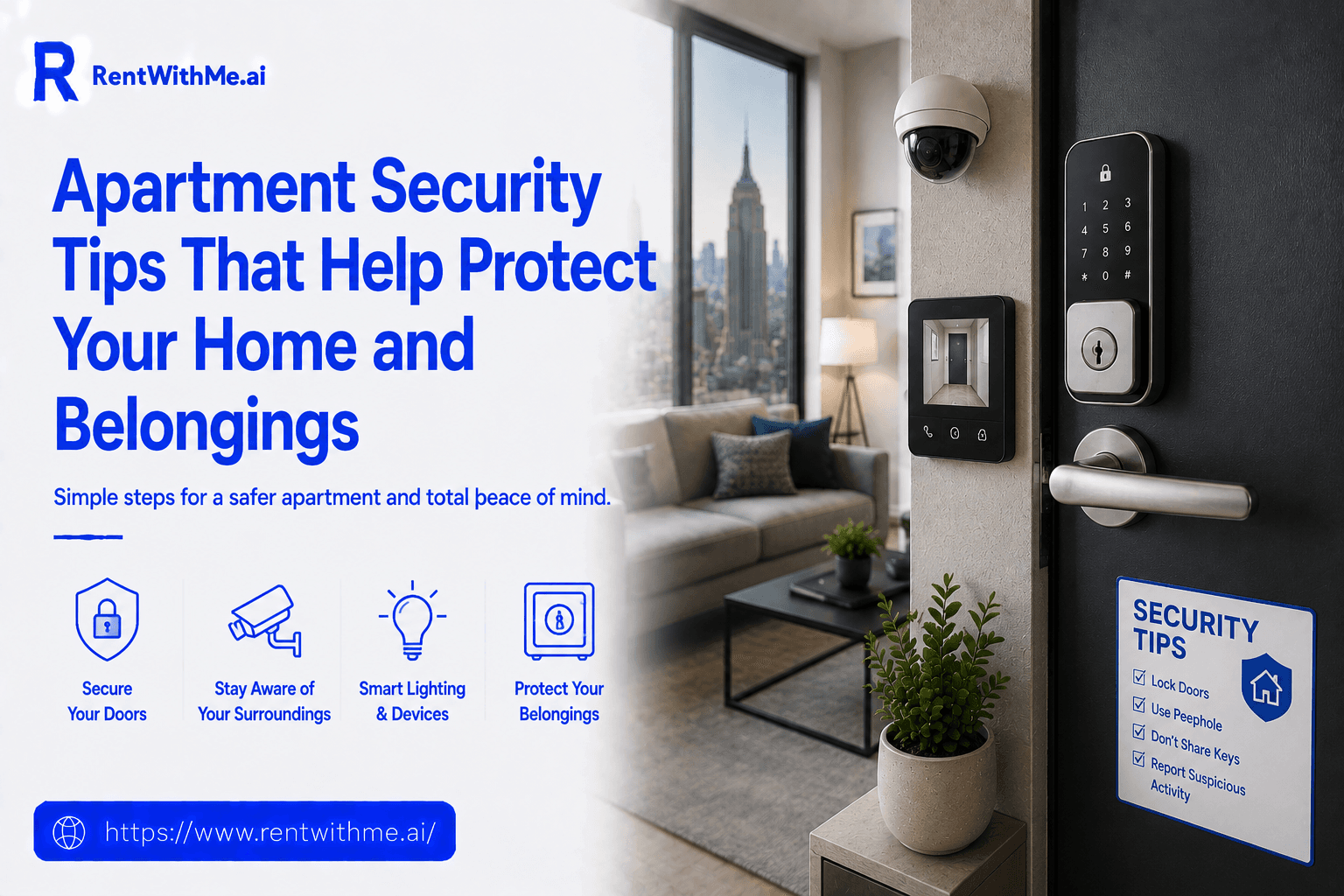
Apartment Security Tips That Help Protect Your Home and Belongings
Introduction
Apartment security begins with small decisions tenants make every day. Strong habits can reduce common risks without complicating everyday apartment living. Doors, windows, keys, and shared entrances all deserve regular attention. Simple awareness often provides meaningful protection against preventable security problems.
Renters sometimes assume building security automatically protects every individual apartment. Controlled entrances certainly help, but they cannot eliminate every vulnerability. Residents still need reliable habits protecting their personal living spaces. Personal responsibility and building protections work most effectively when combined.
Security should provide confidence rather than creating constant fear or suspicion. Most renters need practical precautions addressing realistic everyday security concerns. Expensive equipment cannot compensate for consistently careless household security habits. Thoughtful routines often deliver stronger protection than complicated security products.
Every apartment building also presents different layouts and access arrangements. High-rises have different concerns than smaller walk-up residential properties. Ground-floor apartments may require additional attention around accessible windows nearby. Effective security should always reflect the renter’s actual living environment.
Understanding Apartment Security Risks
Apartment buildings create security challenges through shared access and movement. Residents regularly encounter neighbors, visitors, workers, couriers, and service providers. Shared entrances can therefore experience considerable traffic throughout each day. This activity makes responsible access control especially important for everyone.
Building security provides an important first layer of residential protection. However, apartment-level security remains necessary even inside controlled-access buildings. Someone entering the building may still reach individual apartment doors. Tenants should therefore avoid depending entirely upon lobby security systems.
Shared hallways and elevators can also create privacy concerns sometimes. Residents should remain aware without treating unfamiliar people as threats. Suspicious circumstances deserve appropriate reporting rather than unnecessary personal confrontation. Balanced awareness supports security while maintaining respectful community relationships.
Apartment location can influence which vulnerabilities deserve greater attention. Ground-floor windows may provide easier exterior access than upper floors. Fire escapes or balconies can create additional accessible entry considerations. Residents should evaluate their actual surroundings instead of following generic advice.

Assessing Your Apartment’s Current Security
A useful security review begins with every possible apartment entry. Examine the front door and accessible windows for obvious problems. Balcony entrances and sliding doors should receive similar careful attention. Look for damaged hardware or components that no longer close properly.
Test locks using normal operation without attempting unnecessary force or modifications. Doors should close securely without requiring unusual pushing or adjustments. Windows should latch appropriately according to their intended design and function. Problems should receive prompt attention through appropriate building management channels.
Residents should also review visibility around apartment entrances when relevant. Poorly functioning hallway lighting can make entrances less comfortable and secure. Report failed building lights or access systems through established procedures. Common-area improvements generally require management rather than individual tenant modifications.
Security assessments should distinguish meaningful vulnerabilities from minor cosmetic concerns. A broken lock deserves faster attention than outdated decorative hardware. Prioritizing actual access problems helps residents focus resources more effectively. Practical security improvements should address realistic risks before optional convenience features.
Making Your Front Door More Secure
The apartment entrance represents the household’s most important controlled access point. Residents should therefore keep doors properly locked whenever appropriate. A strong building entrance cannot compensate for an unsecured apartment. Consistent locking remains among the simplest effective security habits available.
Check whether your apartment door closes completely without sticking unexpectedly. Misaligned doors can prevent locks from engaging as designed properly. Loose hardware may also weaken otherwise functional locking mechanisms over time. Report significant problems instead of accepting unreliable operation as normal.
Door frames deserve attention because locks depend upon surrounding structures. Visible damage around locks or frames should receive professional assessment. Residents should avoid unauthorized structural modifications to rental apartment doors. Building management can explain permitted repairs or security improvements when needed.
Door viewers can help residents identify visitors before opening doors. Intercom systems provide another useful identification layer when buildings offer them. Residents should use available features rather than opening doors automatically. Unknown visitors should explain their purpose before receiving apartment access.

Understanding Apartment Locks
Apartment locks vary depending upon building age and door construction. Residents may encounter deadbolts and other building-approved locking mechanisms. Every installed lock should operate smoothly and engage reliably during usage. Difficulty locking doors deserves attention before the mechanism completely fails.
Tenants should understand which locks building management maintains or controls. Lease terms may restrict unauthorized replacement or modification of hardware. Residents should request permission before installing permanent security equipment themselves. Proper coordination prevents security improvements from creating lease or access problems.
Locks showing visible damage should receive prompt inspection and appropriate repair. Loose cylinders or unreliable mechanisms can compromise normal apartment security. Residents should never postpone reporting problems simply because doors still close. Small mechanical issues can eventually become complete locking failures unexpectedly.
Tenants should also understand emergency access requirements within their buildings. Management may require authorized access under specific legitimate circumstances sometimes. Security modifications should never prevent lawful emergency entry when genuinely necessary. Appropriate locks balance everyday protection with building safety requirements.
Protecting Apartment Keys
Keys deserve careful handling because they provide direct apartment access. Residents should know who currently possesses authorized household key copies. Unnecessary duplicates can create uncertainty about apartment access over time. Household members should avoid casually lending keys to other people.
Avoid attaching detailed apartment information directly to personal key sets. Lost keys become more concerning when they reveal exact addresses. Residents should also avoid leaving keys unattended within shared spaces. Consistent storage habits reduce the likelihood of accidental key loss.
Temporary key sharing should remain limited to people residents genuinely trust. Contractors or service providers may have building-specific access arrangements already. Residents should avoid creating additional permanent copies without understanding policies. Building management can clarify applicable rules concerning duplicate apartment keys.
Lost keys should receive prompt attention instead of casual dismissal. Consider where keys disappeared and whether identifying information accompanied them. Contact building management when lock changes or replacements become appropriate. Quick action can reduce uncertainty following potentially compromised apartment access.

Smart Locks and Keyless Entry Systems
Smart locks can offer convenience through digital or keyless apartment access. Some systems allow residents to manage temporary access more easily. Others provide notifications or records concerning certain entry activities. However, convenience alone does not automatically create stronger security.
Rental apartments can restrict permanent changes to existing door hardware. Tenants should confirm building approval before installing smart locking systems. Unauthorized modifications could create maintenance or emergency access complications later. Written permission provides useful clarity before purchasing permanent security equipment.
Smart locks also depend upon batteries, software, or connected technologies. Residents should understand what happens when batteries become completely depleted. Backup access methods should remain available for unexpected technical problems. Product security updates should receive attention throughout the device’s useful life.
Digital access credentials deserve protection just like physical apartment keys. Residents should avoid sharing codes casually with unnecessary people. Former guests should lose temporary access when that access ends. Strong account security can help protect internet-connected locking systems effectively.
Securing Apartment Windows
Windows provide ventilation and natural light throughout many apartment homes. Accessible windows can also become potential security entry points sometimes. Residents should confirm windows close completely and lock as intended. Damaged latches or frames should receive appropriate maintenance attention promptly.
Ground-floor apartments often require additional awareness around exterior-facing windows nearby. Fire escape access can create similar considerations on higher floors. Residents should avoid leaving accessible windows unsecured when apartments remain empty. Everyday habits should reflect each window’s actual accessibility and location.
Window security improvements must never interfere with required emergency escape functions. Tenants should avoid permanent modifications without understanding building requirements first. Building management can address damaged locks or approved security improvements. Safety and security should support each other rather than conflict.
Curtains or blinds can also reduce unnecessary visibility into apartments. Valuable electronics should not remain prominently displayed beside accessible windows. Privacy measures can make household routines and possessions less visible. Residents should balance privacy with comfortable natural lighting and ventilation.

Balcony and Fire Escape Security
Balconies can provide enjoyable outdoor space while introducing security considerations. Balcony doors should close and lock correctly whenever appropriate. Residents should report damaged latches or frames through management channels. Exterior accessibility depends significantly upon building design and surrounding structures.
Fire escapes require particularly careful treatment because emergency access remains essential. Residents should never block fire escapes with permanent security measures. Storage should also follow building rules and applicable safety requirements. Security improvements cannot compromise emergency evacuation routes or firefighter access.
Windows opening onto fire escapes should receive regular lock condition checks. Residents should remain particularly attentive when leaving apartments for extended periods. However, emergency requirements should remain central when considering additional security measures. Building management can explain appropriate options for specific window designs.
Balcony furniture should not unintentionally provide easier access where relevant. Residents should consider how exterior belongings interact with surrounding structures. This concern varies significantly between different apartment layouts and buildings. Practical assessments should focus upon realistic accessibility rather than unlikely scenarios.
Sliding Door Security
Some apartments include sliding doors opening toward balconies or terraces. These doors should move smoothly while locking securely when closed. Worn tracks or damaged locks can weaken normal security performance. Residents should report significant mechanical problems before they worsen further.
Sliding doors require complete closure before locking mechanisms engage correctly. Dirt or damaged tracks can sometimes prevent proper alignment. Routine cleaning may help maintain normal movement when manufacturer guidance permits. Structural or locking problems should receive professional attention when necessary.
Residents may consider renter-friendly supplemental security devices when appropriately permitted. Any added measure should remain compatible with emergency exit requirements. Tenants should confirm building rules before making permanent door modifications. Security additions should never create dangerous obstacles during urgent evacuation.
Glass doors can also expose valuable belongings to exterior visibility. Curtains or blinds provide useful privacy when residents desire it. Avoid positioning expensive items prominently beside easily visible exterior doors. Simple privacy choices can complement physical security without changing hardware.
Apartment Entry Point Security Comparison Table
| Entry Point | Common Vulnerability | Practical Tenant Response | Management Attention Needed When |
|---|---|---|---|
| Front door | Damaged locks or loose hardware | Lock consistently and check normal operation | Locks or frames become unreliable |
| Standard window | Broken or weak latch | Close and lock accessible windows appropriately | Latches or frames become damaged |
| Sliding door | Poor alignment or worn lock | Confirm complete closure before locking | Tracks or locking mechanisms fail |
| Balcony entrance | Unsecured exterior-facing door | Lock appropriately and maintain privacy | Door hardware becomes unreliable |
| Fire escape window | Exterior accessibility | Maintain functional locks without blocking emergency access | Window locks or frames become damaged |
Different entry points require different security approaches within rental apartments. Residents should prioritize functional locks and responsible daily security habits. Permanent modifications should respect building policies and emergency safety requirements. Management should address structural problems beyond normal tenant maintenance responsibilities.

Protecting Your Apartment From Unauthorized Entry
Consistent locking habits remain fundamental for preventing unauthorized apartment access. Residents should lock doors even during relatively short absences outside. Brief trips can still leave unsecured apartments unnecessarily vulnerable. Security routines should remain consistent instead of depending upon convenience.
Many residents also prefer keeping apartment doors locked while home. This habit prevents unexpected entry when someone misunderstands apartment access. It also provides additional control before residents interact with visitors. Household members should agree upon consistent locking expectations together.
Windows and balcony doors deserve attention before leaving apartments unattended. Accessible openings should remain secured according to appropriate household circumstances. Residents should include these checks within simple departure routines. Repetition makes security habits easier to maintain without constant thought.
Never hide spare keys in obvious locations around apartment entrances. Shared hallways provide little privacy for predictable hiding places. A trusted person may offer a more controlled backup option. Building-approved access alternatives can also reduce reliance upon hidden keys.
Building Entrance and Lobby Security
A controlled building entrance protects residents only when used responsibly. Residents should avoid holding secured doors for unknown individuals automatically. Courtesy should not require bypassing established building access procedures. Visitors can use intercoms or other authorized entry methods instead.
Tailgating occurs when someone enters behind an authorized building resident. Residents do not need to confront unfamiliar individuals aggressively themselves. However, they can avoid intentionally granting access without proper verification. Suspicious access concerns should receive appropriate building management attention afterward.
Entrance doors should close and latch properly after residents enter. Malfunctioning doors can weaken security for every household inside buildings. Report doors that remain open because locks or closers fail. Management should address common-area access systems through appropriate maintenance procedures.
Lobby security also depends upon responsible handling of keys and credentials. Residents should not leave access cards unattended within shared areas. Lost building credentials deserve prompt reporting through established management procedures. Quick reporting can help management determine whether access changes become necessary.

Intercom and Buzzer Security
Intercom systems help residents verify visitors before granting building access. Residents should ask unknown callers to identify themselves clearly first. Automatic buzzing defeats much of the system’s intended security benefit. Verification requires only moments but provides meaningful access control.
Delivery drivers may contact apartments while carrying legitimate household packages. Residents should still confirm expected deliveries before granting building access. Building procedures may provide designated delivery areas or staffed reception. Using established systems reduces unnecessary access throughout residential floors.
Unexpected callers claiming maintenance work deserve appropriate verification before entry. Residents can contact building management when service visits seem uncertain. Legitimate workers should generally follow established building access procedures anyway. Verification protects residents without requiring unnecessary confrontation with visitors.
Children should never become responsible for buzzing unknown visitors inside. Adults should establish clear household expectations regarding building access systems. Older children can learn appropriate procedures according to their maturity. Consistent rules prevent confusion when unexpected callers request entry.
Elevator, Stairwell, and Hallway Awareness
Shared spaces naturally contain unfamiliar people throughout apartment buildings daily. Residents should remain attentive without assuming every stranger poses danger. Normal awareness can help identify broken doors or unusual access issues. Concerns should receive appropriate reporting rather than risky personal investigation.
Avoid displaying keys or sensitive information unnecessarily within common areas. Residents should also protect access codes from casual observation nearby. Conversations about extended travel can reveal unnecessary household information publicly. Basic privacy habits reduce avoidable exposure within shared residential environments.
Stairwells should remain properly accessible for emergency and ordinary building use. Damaged doors or lighting should receive prompt management attention. Residents should avoid entering restricted building areas without legitimate reasons. Building security works best when residents respect established access boundaries.
When something genuinely feels unsafe, residents should prioritize personal safety first. Moving toward populated or secure areas may become appropriate. Building staff or authorities can handle serious security concerns when necessary. Tenants should avoid confrontations that could unnecessarily escalate uncertain situations.

Building Everyday Security Habits
Effective apartment security becomes easier when routines remain simple consistently. Residents should lock doors and secure appropriate windows before leaving. Keys and building credentials should stay within controlled personal possession. Visitors should receive access only after residents understand their purpose.
Returning home also deserves basic awareness within shared building spaces. Residents should notice whether controlled entrances close properly behind them. Apartment doors should lock after residents enter according to household preferences. Any damaged security equipment should receive appropriate reporting without delay.
Household members should follow similar security practices whenever reasonably possible. One person’s careless access habits can weaken everyone’s protective routines. Roommates should discuss keys, guests, deliveries, and building entry expectations. Clear expectations reduce misunderstandings while strengthening everyday household security.
Physical entry security provides only one part of complete protection. Valuable belongings and personal information also require thoughtful safeguards indoors. Packages and digital security introduce additional modern apartment concerns too. These areas form the next layer of practical apartment protection.
Protecting Valuable Belongings Inside Your Apartment
Apartment security also means protecting possessions after someone enters legitimately. Valuable belongings should remain stored thoughtfully instead of unnecessarily displayed. Electronics and jewelry can attract attention when easily visible outside. Simple placement decisions can reduce unnecessary exposure without affecting daily convenience.
Residents should avoid keeping expensive belongings beside accessible apartment windows. Curtains and blinds can provide additional privacy when residents desire. Important documents deserve secure storage away from ordinary household clutter. Organized storage also makes valuable belongings easier to inventory accurately.
Security does not require hiding every possession throughout your apartment constantly. Instead, prioritize items that would become difficult or expensive replacing. Jewelry, identification documents, electronics, and financial records deserve particular consideration. Everyday belongings can remain accessible while higher-value possessions receive additional protection.
Household members should understand where important belongings remain securely stored. However, storage details should not become widely shared with visitors. Limiting unnecessary information provides another practical layer of household protection. Discretion remains simple but useful within shared apartment environments.
Creating a Home Inventory
A home inventory documents belongings before theft or damage occurs. Residents should record valuable items throughout their apartments systematically. Photographs can show condition, appearance, and distinguishing features clearly. Receipts and serial numbers can provide additional useful ownership documentation.
Electronics deserve particular attention because manufacturers commonly provide serial numbers. Photograph labels when doing so remains practical and safe. Jewelry and specialty items may require purchase records or appraisals. Insurance providers can explain documentation requirements for higher-value possessions specifically.
Home inventories should remain updated whenever significant new purchases occur. Waiting until losses happen makes accurate documentation considerably more difficult. Residents can review inventories periodically without making the process burdensome. A simple organized record provides meaningful preparation for unexpected incidents.
Inventory copies should remain protected from the same incident documented. Secure digital storage can provide convenient access after apartment emergencies. Physical copies may also remain useful when stored appropriately elsewhere. Choose storage methods balancing accessibility, privacy, and reliable long-term availability.
Using a Safe Inside a Rental Apartment
A household safe can protect selected smaller valuables and documents. Safes vary significantly in construction, security features, and intended purpose. Residents should understand what protection their chosen safe actually provides. Marketing claims should never replace careful evaluation of realistic household needs.
Important identification documents may benefit from more controlled household storage. Jewelry and certain financial records can also receive additional protection. However, extremely valuable property may require specialized security or insurance. Household safes should complement broader security rather than replace it.
Renters should consider installation requirements before purchasing larger permanent safes. Anchoring equipment may require landlord approval or structural modifications. Portable safes avoid some installation concerns but create different limitations. Tenants should choose options compatible with their leases and apartments.
Safe access information should remain limited to appropriate household members. Codes should avoid easily guessed combinations connected with personal information. Keys should remain stored separately from the safe whenever practical. Residents should also update access arrangements when household circumstances change.
Renters Insurance and Property Protection
Physical apartment security cannot prevent every possible property loss. Renters insurance can provide financial protection for qualifying covered events. Security measures and insurance therefore serve different but complementary purposes. Residents should understand both instead of relying entirely upon either.
Personal property coverage may help replace belongings after covered theft. Policy limits determine how much protection applies across household possessions. Certain valuable categories may have specific coverage limitations or requirements. Residents should review policies carefully instead of assuming unlimited protection.
Deductibles also influence the practical value of smaller insurance claims. A deductible represents the policyholder’s responsibility before applicable reimbursement begins. Coverage terms can differ considerably between insurance companies and policies. Questions should receive clarification directly from qualified insurance representatives.
Home inventories can support insurance claims after qualifying property losses. Photographs and receipts may provide valuable evidence of ownership. Keeping policy details accessible can also simplify stressful claim procedures. Preparation becomes most valuable before residents actually experience a loss.
Protecting Packages and Deliveries
Package deliveries create unique security concerns within modern apartment buildings. Parcels may remain unattended inside lobbies or shared delivery areas. Visible packages can become attractive targets when access remains uncontrolled. Residents should understand how their building normally handles incoming deliveries.
Buildings may provide package rooms, lockers, reception desks, or attendants. Residents should use secure delivery systems whenever those options exist. Building procedures can reduce parcels remaining exposed within busy lobbies. New tenants should learn available delivery arrangements soon after moving.
Delivery tracking helps residents anticipate when important packages should arrive. Prompt collection reduces time parcels remain unattended within common areas. Notifications can help residents coordinate pickup around daily work schedules. Household members can share responsibilities when appropriate and mutually agreed.
Expensive purchases deserve additional planning before residents complete online orders. Signature requirements may provide useful protection for certain valuable deliveries. Alternative pickup locations can also reduce exposure when residents remain unavailable. Delivery options should reflect item value and building security conditions.
Preventing Package Theft
Package theft prevention begins before deliveries reach apartment buildings. Residents should choose secure delivery instructions whenever retailers provide options. Tracking information can help identify expected arrival windows more accurately. Prompt retrieval remains one of the simplest protective measures available.
Secure lockers can provide useful protection when buildings offer them. Staffed reception areas may provide another controlled package handling option. Residents should follow established procedures instead of requesting unsecured placements. Consistent delivery practices make package management easier for entire households.
Neighbors or trusted household members can sometimes retrieve important deliveries. Residents should coordinate these arrangements before packages actually arrive. Avoid asking unfamiliar residents to manage expensive or sensitive shipments. Trust should remain central whenever someone handles personal property temporarily.
Missing packages should receive prompt investigation through appropriate available channels. Confirm delivery information before assuming a package was stolen. Building management may have records concerning package locations or handling. Retailers and carriers may also provide applicable reporting procedures afterward.
Mailbox and Personal Mail Security
Personal mail can contain financial and identifying information requiring protection. Residents should collect mailbox contents regularly instead of allowing accumulation. Overflowing mail can also indicate extended absence from apartments. Consistent collection supports both privacy and general household security.
Mailbox keys should receive the same careful handling as apartment keys. Lost keys deserve attention through appropriate building or postal procedures. Residents should avoid leaving sensitive mail unattended within shared building areas. Secure handling reduces unnecessary exposure of private personal information.
Important documents should move from mailboxes into secure household storage promptly. Financial statements and identification correspondence deserve particular privacy attention. Unwanted sensitive paperwork should receive appropriate secure disposal when possible. Ordinary household trash may expose information residents intended to protect.
Unexpected missing mail can deserve investigation depending upon its importance. Residents should verify expected delivery details before drawing conclusions. Building management can address concerns involving building-controlled mailbox equipment appropriately. Relevant postal services can handle issues within their responsibilities.
Protecting Personal Information Inside Your Apartment
Apartment security includes protecting information alongside physical household possessions. Identity documents should remain stored away from casual visitor access. Financial paperwork also deserves controlled storage rather than open household display. These precautions reduce unnecessary exposure during ordinary social interactions.
Old documents containing sensitive information should receive thoughtful disposal methods. Shredding may provide useful protection for appropriate confidential paperwork. Residents should follow applicable disposal requirements for specialized documents when relevant. Digital copies should also remain protected through appropriate account security.
Visitors do not need access to private household financial information. Residents should avoid leaving sensitive documents visible during maintenance visits. Temporary organization can protect privacy without treating legitimate workers suspiciously. Simple preparation keeps confidential information away from unnecessary observation.
Passwords or security codes should never remain visibly displayed nearby. Written access information deserves secure storage if residents keep copies. Shared households should establish appropriate boundaries around personal financial records. Respectful privacy practices can strengthen security for every resident involved.
Apartment Security While Working From Home
Working from home changes how residents interact with apartment security daily. Deliveries and visitors may arrive while professional responsibilities demand attention. Residents should still verify unexpected callers before opening apartment doors. Being physically home does not eliminate ordinary access control needs.
Work computers can contain confidential business or personal information inside. Devices should remain protected when visitors or contractors enter apartments. Screen locking provides simple protection when residents step away temporarily. Employers may also establish specific security requirements for remote workers.
Documents connected with work should remain organized and appropriately protected. Sensitive paperwork should not remain openly visible during unrelated visits. Secure disposal may become necessary for confidential printed materials afterward. Residents should follow employer policies concerning professional information and equipment.
Video meetings can unintentionally reveal details about apartment interiors sometimes. Residents should consider backgrounds containing valuable possessions or private information. Virtual backgrounds can provide additional privacy when appropriate and permitted. Digital awareness complements traditional physical apartment security practices effectively.
Security for Roommates and Shared Apartments
Shared apartments require clear communication about security expectations among residents. Every roommate may have different habits involving visitors and apartment keys. Discussing expectations early can prevent misunderstandings and avoidable security vulnerabilities. Household rules should remain reasonable and respectful toward everyone’s privacy.
Roommates should know which people possess authorized apartment key copies. Temporary guests should not automatically receive permanent household access credentials. Access arrangements should reflect trust and mutually agreed household expectations. Building rules may also affect permissible key duplication or sharing.
Private bedrooms may require additional boundaries within shared living arrangements. Residents should discuss appropriate storage for valuable personal belongings separately. Shared spaces should remain secure without creating unnecessary suspicion between roommates. Clear expectations often prevent conflict better than complicated security measures.
When roommates move away, household access arrangements deserve immediate review. Returned keys and credentials should receive appropriate confirmation whenever possible. Building management may need involvement when access becomes potentially compromised. Updating arrangements promptly reduces uncertainty for remaining apartment residents.
Security When Hosting Guests
Guests should feel welcome without weakening normal household security routines. Residents should know who enters apartments during gatherings or visits. Keys and access credentials should remain controlled throughout social occasions. Temporary convenience should not create unnecessary long-term security vulnerabilities afterward.
Avoid leaving valuable belongings unnecessarily exposed during larger gatherings indoors. Personal documents should remain securely stored away from shared spaces. Residents should also consider closing private rooms when appropriate. These measures protect privacy without creating an uncomfortable atmosphere for guests.
Guests should understand relevant building access procedures before arriving whenever possible. Residents can provide instructions without sharing permanent security credentials unnecessarily. Temporary access codes should expire when visits finish where supported. Building entrances should continue functioning normally despite household social events.
Overnight visitors may require additional consideration around keys and entry. Residents should provide only the access genuinely needed for visits. Permanent copies should not become the default solution for convenience. Thoughtful temporary arrangements preserve security while accommodating trusted guests comfortably.
Apartment Security for Children
Children need simple security rules matching their age and maturity. Young children should never open apartment doors for unknown visitors. They should also avoid granting building access through intercom systems. Adults should explain these rules calmly without creating unnecessary fear.
Children should know which trusted adults may enter the apartment. However, unexpected visitors should still receive appropriate adult verification first. Simple household rules become easier when adults apply them consistently. Repetition helps children remember expectations during unfamiliar situations.
Keys can create security concerns when older children carry them. Children should understand why keys require careful handling outside apartments. Avoid attaching detailed addresses or apartment information directly to keychains. Lost keys should receive immediate reporting to responsible household adults.
Security education should never interfere with emergency safety knowledge either. Children must understand how to leave apartments during genuine emergencies. Locked doors should remain operable according to appropriate safety requirements. Household planning should balance security with reliable emergency evacuation access.
Apartment Security for Older Adults
Older adults may benefit from simple and predictable security procedures. Complicated technology can become frustrating when systems require frequent troubleshooting. Security improvements should match individual comfort levels and actual abilities. Familiar reliable systems may provide stronger protection than unnecessary complexity.
Unexpected visitors deserve verification before receiving apartment or building access. Residents should avoid feeling pressured by urgent claims from strangers. Building management can verify maintenance visits when uncertainty exists beforehand. Trusted contacts can also help evaluate suspicious requests when appropriate.
Phone scams can sometimes accompany attempts involving apartment access. Residents should avoid sharing entry codes or personal information unnecessarily. Legitimate organizations should tolerate reasonable verification before receiving sensitive information. Pressure should increase caution rather than encourage immediate compliance.
Trusted family members or contacts may support security planning appropriately. However, access should remain limited according to genuine household needs. Emergency contact information should stay accessible when assistance becomes necessary. Security planning works best when independence and practical support remain balanced.
Apartment Security Technology
Technology can strengthen apartment security when addressing genuine household needs. Cameras and sensors can provide notifications about certain activities. Smart locks may improve access management for some apartment households. However, technology cannot replace consistent locking and visitor verification habits.
Door sensors can notify residents when monitored entrances become opened. Motion sensors may provide alerts when movement occurs inside apartments. Cameras can document certain areas when installed and operated appropriately. Each technology provides different benefits rather than complete security independently.
Residents should consider reliability before purchasing complicated connected security systems. Battery maintenance and internet availability can affect device performance significantly. Subscription costs may also continue long after initial equipment purchases. Products should solve actual problems rather than merely adding technology.
Rental restrictions remain important when installing physical security devices permanently. Drilling or wiring may require permission from building management. Wireless renter-friendly products can reduce modification requirements in some apartments. Tenants should still confirm relevant building policies before installing equipment.
Comparing Common Apartment Security Devices
| Security Device | Primary Benefit | Important Limitation | Renter Consideration |
|---|---|---|---|
| Smart lock | Flexible digital access management | Depends on batteries or technology | May require landlord approval |
| Door sensor | Alerts when monitored doors open | Does not physically prevent entry | Usually needs reliable connectivity |
| Security camera | Provides visual monitoring and recordings | Creates privacy responsibilities | Placement must respect building rules |
| Motion sensor | Detects movement within monitored areas | Can produce unwanted alerts | Positioning affects usefulness significantly |
| Personal alarm | Provides portable emergency attention signal | Does not secure apartment entrances | Requires accessible everyday placement |
Security devices should support existing habits rather than replace them. Residents should choose equipment addressing specific vulnerabilities within their apartments. Privacy and building rules should influence installation decisions carefully. Simple technology often works better than unnecessarily complicated security arrangements.
Camera Privacy and Responsible Use
Security cameras can provide useful monitoring inside certain apartment areas. However, residents should consider privacy before installing recording equipment anywhere. Cameras should not intrude upon areas where others expect privacy. Shared living arrangements require especially careful communication about recording devices.
Building hallways and common areas may involve additional privacy considerations. Tenants should confirm applicable building rules before recording shared spaces. Laws and regulations can also affect audio or video recording. Residents should seek appropriate guidance when legal requirements remain unclear.
Camera accounts require strong passwords and appropriate digital security practices. Default passwords should receive replacement whenever products permit account changes. Multifactor authentication can provide additional protection when services support it. Unauthorized account access could undermine the privacy cameras should protect.
Recorded footage also deserves responsible storage and access management practices. Residents should understand whether recordings remain local or cloud-based. Old footage should follow retention settings matching actual household needs. Security technology should not create unnecessary long-term privacy exposure.
Wi-Fi and Smart Home Security
Connected apartment security devices depend heavily upon secure digital networks. Weak account protection can create vulnerabilities around otherwise useful technology. Residents should protect wireless networks using strong appropriate security settings. Router software should receive updates according to manufacturer guidance.
Smart locks and cameras should use unique account passwords whenever possible. Reusing passwords across multiple services can increase consequences after breaches. Password managers can help residents maintain stronger unique credentials conveniently. Multifactor authentication adds another useful protection layer when available.
Residents should remove former household members from connected security accounts promptly. Old access permissions can remain forgotten after roommates move away. Review authorized users periodically within security applications and services. Digital access deserves the same attention as physical apartment keys.
Unused smart devices should not remain connected without clear purpose. Every additional connected product creates another account requiring proper maintenance. Residents should disable unnecessary features that provide little practical value. Simpler connected environments can become easier to secure consistently.
Security When Leaving for Work or Daily Activities
Departure routines should include several quick apartment security checks daily. Lock the primary apartment door before leaving the building. Secure accessible windows and balcony doors according to household circumstances. Keep keys and access credentials safely within personal possession afterward.
Avoid leaving expensive belongings prominently visible through accessible windows outside. Curtains can provide privacy when residents prefer limiting interior visibility. Laptops and smaller valuables can remain away from obvious sightlines. These adjustments require little effort before ordinary daily departures.
Residents should avoid announcing predictable absence patterns to unnecessary people. Casual conversations can reveal work schedules more widely than intended. Social media posts can also expose routines when shared publicly. Privacy around schedules provides another subtle layer of apartment security.
Household members should coordinate access when returning at different times. Avoid leaving doors unlocked simply because someone arrives shortly afterward. Each authorized resident should use appropriate keys or access credentials. Consistent locking eliminates uncertainty created by changing daily schedules.
Preparing Security Before Extended Travel
Extended travel creates different security considerations than ordinary daily absences. Apartments may remain empty for several days or weeks continuously. Residents should therefore plan packages, mail, lighting, and access beforehand. Preparation can reduce obvious signs that nobody remains home.
Mail should not accumulate visibly during prolonged travel whenever avoidable. Residents can use appropriate holding or collection arrangements when available. Trusted contacts may also help with certain household responsibilities. Access should remain limited to people residents genuinely trust completely.
Expected packages deserve attention before departure because deliveries can accumulate. Residents should delay shipments or select secure alternatives whenever possible. Package lockers can provide useful protection depending upon building arrangements. Avoid leaving expensive deliveries unattended throughout extended travel periods.
Travel plans should not become unnecessarily public through social media. Real-time vacation posts can reveal that apartments remain temporarily empty. Residents can share photographs later when privacy concerns become reduced. Digital discretion supports physical apartment security during extended absences.
Before leaving, residents should perform one deliberate security review together. Confirm doors and appropriate windows remain securely closed and locked. Check important belongings and ensure necessary devices remain safely configured. This preparation creates the foundation for stronger vacation security practices.
Making Your Apartment Look Occupied While Away
An empty-looking apartment can sometimes attract unnecessary attention from outsiders. Thoughtful preparation can make prolonged absences considerably less obvious externally. Residents should focus on realistic routines rather than elaborate deception. Simple measures usually provide better security than complicated automated arrangements.
Lighting can help create normal household appearances during extended absences. Timers can operate selected lamps during typical evening hours automatically. Residents should avoid leaving every interior light continuously illuminated. Constant lighting can appear unusual while also wasting unnecessary electricity.
Curtains and blinds should remain positioned naturally before residents leave. Completely changing their usual appearance can sometimes signal prolonged absence. Valuable belongings should remain away from easily visible exterior sightlines. Privacy should reduce exposure without making apartments appear unusually closed.
Deliveries and mail also reveal whether residents remain actively present. Accumulating packages can clearly indicate nobody has collected them recently. Residents should arrange secure collection or temporary delivery alternatives beforehand. Trusted contacts can help when building arrangements make collection difficult.
Vacation Security for Apartment Residents
Vacation planning should include apartment security alongside transportation and packing. Residents should complete a deliberate security review before departure day. Rushed last-minute checks can overlook doors, windows, or valuable belongings. Preparing earlier makes final departure considerably calmer and more reliable.
Apartment doors should remain properly locked throughout extended household absences. Accessible windows and balcony doors deserve similar attention before leaving. Residents should confirm each entry point operates normally before travel. Maintenance concerns should receive attention well before scheduled departure dates.
Trusted contacts can provide useful support during longer periods away. They might collect mail or respond to genuine building concerns. However, residents should share apartment access only when genuinely necessary. Keys and codes should remain controlled even among familiar people.
Avoid publicly sharing detailed travel schedules before returning home safely. Social media can reveal when apartments remain temporarily unoccupied. Residents should consider delaying vacation photographs until trips conclude. Privacy around travel plans creates another simple security protection layer.
Moving Into a New Apartment Securely
Moving day provides an excellent opportunity for evaluating apartment security. New residents should inspect doors and windows before becoming settled. Confirm installed locks operate properly under normal everyday conditions. Report obvious defects promptly through appropriate building management procedures.
Residents should learn how building entrances and access systems function. Understand whether visitors use intercoms, attendants, codes, or electronic credentials. Ask management how replacement access devices receive authorized issuance. Knowing these procedures reduces confusion during future access problems.
Previous occupancy can create questions regarding existing apartment key control. Tenants should ask management about applicable lock and key procedures. Building policies may determine whether locks receive replacement between residents. Avoid unauthorized hardware changes without understanding lease requirements first.
Moving boxes can temporarily obstruct apartment pathways and security equipment. Residents should keep entrance doors and important windows easily accessible. Valuable belongings should not remain unattended within shared building spaces. Organized moving practices protect possessions while maintaining emergency access routes.
Security When Moving Out
Moving out creates security concerns because belongings travel between locations. Residents should keep valuable items under controlled supervision whenever possible. Identification documents and financial records deserve particularly careful handling. Important possessions should not remain unattended within hallways or sidewalks.
Keys and access credentials should receive proper return according to procedures. Residents should confirm which devices building management expects returned afterward. Avoid leaving keys inside apartments unless management specifically requests that. Written confirmation can help document completed access credential returns appropriately.
Old paperwork should not remain abandoned inside departing apartment spaces. Documents containing personal information deserve secure removal or disposal. Digital devices should also leave with residents rather than movers unnecessarily. Sensitive belongings benefit from direct personal handling during relocation.
Residents should confirm apartment doors remain secured during repeated moving trips. Propped doors can create temporary access opportunities for unknown individuals. Building entrances should follow established moving and security procedures throughout. Convenience should not unnecessarily weaken security for neighboring residents.
What to Do After Losing Apartment Keys
Lost apartment keys deserve timely attention because access becomes uncertain. Residents should first consider where keys were probably misplaced. Retracing recent movements can sometimes locate them without further action. However, potentially stolen keys require more cautious security consideration afterward.
Determine whether lost keys contained information identifying your apartment address. Identifiable keys can create greater concern than anonymous individual keys. Residents should contact building management when access might become compromised. Management can explain available lock or credential replacement procedures.
Electronic building credentials may require prompt deactivation after becoming lost. Residents should report missing cards or fobs through proper channels. Digital deactivation can prevent continued use of compromised access devices. Replacement procedures vary according to individual building access systems.
Household members should review who retains other authorized key copies afterward. This review can reveal unnecessary duplicates needing better management. Avoid creating multiple replacement copies without understanding applicable building policies. Controlled key distribution remains fundamental for dependable apartment security.
What to Do After a Break-In
Returning home to possible break-in signs requires immediate personal caution. A damaged door or window can indicate unauthorized entry occurred. Residents should avoid entering when someone might still remain inside. Move toward safety and contact appropriate authorities when necessary.
Do not begin cleaning or reorganizing the apartment immediately afterward. Disturbed belongings may contain information useful during official investigations. Residents should follow instructions from responding authorities regarding apartment access. Safety and evidence preservation should take priority over immediate cleanup.
After authorities permit access, residents can assess visible property losses carefully. Avoid touching damaged areas unnecessarily before documentation becomes completed. Photograph entry damage and disturbed belongings when safely possible. These records may support insurance and building management communications afterward.
Residents should contact trusted household members after reaching safe conditions. Roommates should avoid returning unknowingly while uncertainty remains unresolved. Clear communication prevents additional household members entering potentially unsafe situations. Building management should also receive appropriate notification about damaged access points.
Documenting Theft or Property Damage
Accurate documentation helps residents understand losses following security incidents. Begin with photographs showing damaged doors, windows, or locking equipment. Wider photographs can establish overall conditions within affected apartment areas. Detailed images can capture specific damage to individual belongings.
Create an organized list of property believed missing or damaged. Include brands and identifying details whenever that information remains available. Purchase receipts can support ownership and approximate value documentation afterward. Home inventory records become particularly useful during this stressful process.
Serial numbers can help identify certain electronics and valuable household equipment. Residents should provide requested information through appropriate official reporting processes. Avoid exaggerating losses because accurate records support more reliable claims. Documentation should remain factual even when exact values remain uncertain.
Store incident records together for easier reference throughout recovery efforts. Police information and insurance correspondence may become important later. Building management communications should remain organized within the same records. Centralized documentation reduces confusion when several organizations request similar information.
Communicating With Your Landlord After a Security Incident
Landlords or building managers should learn about damaged security equipment promptly. Broken locks and doors can leave apartments vulnerable after incidents. Written reporting creates useful documentation regarding conditions requiring repair. Include photographs when appropriate and safely available for management review.
Describe security problems clearly without making unsupported conclusions about responsibility. Explain whether doors, windows, or building entrances sustained visible damage. Ask when urgent repairs can receive appropriate professional attention. Temporary security arrangements may become necessary while permanent repairs proceed.
Residents should preserve important messages exchanged throughout the repair process. Dates and responses can help track unresolved security concerns accurately. Follow up when essential repairs remain incomplete beyond reasonable expectations. Appropriate local guidance may clarify responsibilities when serious disputes develop.
Common-area problems should also receive management attention after incidents. Damaged lobby doors can affect security throughout entire residential buildings. Access systems may require professional inspection when compromise becomes suspected. Prompt repairs help restore protection for residents beyond affected apartments.
Renters Insurance After Theft
Renters insurance may help with qualifying losses following covered theft. Coverage depends upon individual policy terms, limits, and exclusions. Residents should contact insurers for specific information about their policies. Never assume every stolen item automatically receives full replacement reimbursement.
Insurance representatives can explain necessary claim documentation and reporting requirements. Police reports may become relevant depending upon circumstances and policies. Home inventories and photographs can support documentation of missing belongings. Receipts provide additional evidence when they remain available afterward.
Certain valuable belongings may have special coverage limits within policies. Jewelry and collectibles can sometimes require additional coverage arrangements beforehand. Residents should review these categories before experiencing unexpected property losses. Appropriate insurance professionals can explain available coverage options more precisely.
Deductibles also affect whether smaller theft claims provide meaningful reimbursement. Residents should understand their deductible before deciding appropriate claim actions. Keep claim numbers and correspondence organized throughout insurance communications. Accurate records simplify follow-up questions during the claims process.
Improving Security After an Incident
A security incident often reveals vulnerabilities residents previously overlooked completely. Review how unauthorized access may have occurred when information exists. Damaged hardware obviously deserves immediate repair through appropriate responsible parties. Behavioral habits may also require thoughtful adjustments following incidents.
Residents should avoid reacting by purchasing every available security product. Fear can encourage expensive measures providing limited practical protection. Focus first upon confirmed weaknesses involving doors, windows, or access. Targeted improvements generally provide stronger value than random security equipment.
Household routines deserve review alongside physical apartment security measures afterward. Perhaps doors remained unlocked or access credentials became widely shared. Correcting these habits can strengthen protection without permanent apartment modifications. Security works best when technology and behavior support each other.
Building-level vulnerabilities should receive appropriate management attention as well. Residents cannot personally repair controlled entrances or shared access systems. Document recurring concerns and report them through established management channels. Broader building security sometimes requires coordinated professional improvements beyond apartments.
Apartment Security Checklist
A concise checklist helps residents identify important security responsibilities regularly. Households should adapt these practices to their particular apartment arrangements.
- Lock apartment doors consistently during absences and appropriate household routines.
- Confirm accessible windows and balcony entrances close and lock properly.
- Report damaged doors, locks, lighting, or building entrances promptly.
- Keep apartment keys and building credentials carefully controlled always.
- Verify unfamiliar visitors before granting apartment or building access.
- Retrieve packages promptly or use secure delivery alternatives whenever available.
- Keep sensitive documents and valuable belongings away from unnecessary visibility.
- Maintain updated photographs and records for important household property.
- Protect smart security accounts using strong unique authentication practices.
- Review access permissions whenever roommates or regular household arrangements change.
- Prepare mail, packages, lighting, and contacts before extended travel.
- Avoid security modifications that obstruct required emergency evacuation routes.
Security checklists work best when residents review them periodically together. Most recommendations involve habits rather than expensive specialized equipment purchases. Correcting small vulnerabilities can strengthen overall apartment protection significantly. Consistency remains more valuable than occasional intensive security efforts alone.
Creating a Daily Apartment Security Routine
Daily apartment security should become simple enough for automatic repetition. Residents should lock appropriate entry points before leaving home. Keys and access devices should remain within controlled personal possession. Valuable belongings should avoid unnecessarily visible positions near exterior windows.
Visitors deserve reasonable verification before apartment doors become opened. Residents should use door viewers or intercom systems when available. Unexpected service workers can receive verification through building management first. These steps provide useful protection without requiring confrontational behavior.
Returning home should include ensuring apartment doors lock appropriately afterward. Residents should notice whether building entrances close normally behind them. Malfunctioning common doors deserve reporting instead of becoming accepted conditions. Repeated awareness can identify security problems before they become routine.
Household members should communicate unusual access changes with each other promptly. Lost keys or temporary visitors can affect everyone’s security expectations. Shared understanding prevents one resident unknowingly weakening another person’s precautions. Clear communication remains especially valuable within roommate households.
Creating a Monthly Security Review
Monthly reviews can identify gradually developing security problems inside apartments. Residents should test doors and windows using normal operating methods. Locks should engage smoothly without requiring unusual pressure or manipulation. Hardware problems deserve attention before complete mechanical failure occurs.
Review key distribution and digital access permissions during these checks. Former visitors should not retain unnecessary temporary access indefinitely afterward. Smart security applications may contain outdated authorized user accounts. Removing unnecessary permissions helps maintain clearer control over apartment access.
Residents can also review security cameras and sensors when installed. Confirm batteries and connectivity remain functional according to manufacturer guidance. Software updates should receive attention when products require them. Equipment cannot provide useful protection when maintenance becomes consistently neglected.
Monthly reviews also provide opportunities for updating property inventories gradually. Add important purchases and remove belongings no longer owned. Store new receipts or serial numbers with existing records. Small regular updates prevent inventories becoming outdated and difficult rebuilding later.
Common Apartment Security Mistakes
Many tenants mistakenly assume locked building entrances provide complete protection. Shared buildings experience visitors and service personnel throughout ordinary days. Individual apartment doors therefore remain important security boundaries regardless. Residents should continue using apartment locks even inside controlled buildings.
Leaving doors unlocked during brief errands creates another unnecessary vulnerability. Residents may assume short absences provide little opportunity for problems. Consistent locking removes uncertainty without creating meaningful inconvenience. Security habits work better when residents avoid making frequent exceptions.
Sharing access credentials too casually can weaken otherwise strong security arrangements. Building codes and apartment keys should remain limited appropriately. Temporary access should end whenever legitimate temporary needs conclude. Digital systems make revoking permissions easier when configured properly.
Ignoring damaged locks can allow small problems to become serious. Residents sometimes tolerate unreliable hardware because doors remain temporarily usable. Prompt reporting supports repairs before security becomes significantly compromised. Building maintenance should address applicable structural and locking problems professionally.
Avoiding Security Advice That Creates New Safety Problems
Security improvements should never create dangerous barriers during emergency evacuation. Residents need reliable ways to leave apartments during fires. Permanent barricades can interfere with emergency movement or authorized access. Safety requirements should remain central when evaluating additional security products.
Rental agreements may also restrict structural modifications within apartment units. Drilling doors or replacing locks can require landlord permission first. Unauthorized changes may create maintenance and lease complications unnecessarily. Residents should confirm requirements before installing permanent physical security measures.
More security equipment does not automatically produce safer apartment living. Complicated systems can become difficult to maintain consistently over time. Residents should prioritize dependable measures addressing clearly identified vulnerabilities. Simple solutions often outperform elaborate products that residents eventually ignore.
Security advice should also remain proportionate to realistic household circumstances. Constant suspicion can make apartment living unnecessarily stressful or uncomfortable. Practical awareness provides protection without requiring residents to fear neighbors. Strong security should support confidence alongside normal community living.
Realistic Apartment Security Scenarios
Imagine someone unfamiliar asks you to hold the building entrance. They claim they are visiting another resident somewhere upstairs. Courtesy does not require bypassing established access control procedures. Allow visitors to contact their intended residents through proper systems.
Another situation involves a package disappearing from your building lobby. First confirm carrier tracking and designated delivery location information. Building staff may know whether packages received temporary relocation. Reporting should follow applicable carrier or retailer procedures when necessary.
Consider realizing your apartment keys disappeared during the afternoon commute. Determine whether those keys contain information identifying your residential address. Contact building management if unauthorized access becomes a realistic concern. Electronic credentials should receive prompt deactivation when applicable and possible.
A more serious scenario involves returning to a damaged apartment door. Residents should avoid entering when unauthorized occupants might remain inside. Move somewhere safe and contact appropriate authorities for assistance. Property inspection should wait until personal safety becomes reasonably established.
Frequently Asked Questions About Apartment Security
Should Apartment Doors Remain Locked While Residents Are Home?
Many residents prefer keeping apartment doors locked while staying home. This practice provides control before unexpected visitors can enter directly. Household members should establish routines fitting their circumstances and building. Emergency exit functionality should always remain properly maintained and accessible.
Are Smart Locks Suitable for Rental Apartments?
Smart locks can provide useful access management for some renters. Suitability depends upon door compatibility and applicable building policies. Permanent hardware changes may require landlord or management approval beforehand. Residents should also consider batteries, cybersecurity, and backup access options.
What Should Tenants Do When Building Entrances Stop Locking?
Residents should report malfunctioning controlled entrances to building management promptly. Provide clear information about doors or access systems affected. Avoid attempting unauthorized repairs involving shared building security equipment yourself. Serious ongoing concerns may require appropriate additional professional guidance afterward.
How Can Renters Protect Packages in Shared Buildings?
Secure lockers or staffed delivery areas can reduce package exposure. Tracking notifications help residents collect deliveries shortly after arrival. Alternative pickup locations may suit expensive or particularly important shipments. Building-specific delivery systems should receive priority whenever they remain available.
Should Tenants Install Security Cameras?
Cameras can provide useful monitoring when installed and operated responsibly. Residents should consider privacy and building requirements before installation. Placement should avoid inappropriate recording of private or restricted spaces. Connected cameras also require strong account and network security practices.
What Should Renters Do After Discovering a Possible Break-In?
Residents should prioritize personal safety before inspecting potential property losses. Avoid entering when someone might still remain inside apartments. Contact appropriate authorities and follow instructions regarding further access. Document damage only after conditions become safe for residents.
Building Long-Term Apartment Security Awareness
Long-term apartment security develops through consistent practical household habits. Residents should periodically reconsider security as their circumstances naturally change. New roommates or schedules can alter existing access arrangements significantly. Security practices should evolve alongside these ordinary household changes.
Technology also changes how residents manage apartment access and privacy. Smart devices can provide useful convenience but require ongoing maintenance. Accounts and passwords deserve updates when authorized users change. Digital security should remain integrated with physical household protection practices.
Building conditions can change through renovations or management system upgrades. Residents should learn new access procedures whenever systems receive updates. Old credentials should receive disposal or return according to instructions. Understanding current procedures prevents confusion while maintaining appropriate building security.
Residents should communicate legitimate shared security concerns without spreading unnecessary fear. Broken entrances and lighting deserve factual reports through management channels. Neighbors can support responsible access practices within common building spaces. Community awareness becomes valuable when paired with respectful personal boundaries.
Final Apartment Security Advice for Renters
Effective apartment security does not require transforming homes into fortresses. Reliable locks and thoughtful access habits provide strong foundations. Residents should protect keys and verify visitors before granting access. These simple actions address several common apartment security vulnerabilities directly.
Belongings also deserve protection through privacy and organized documentation practices. Home inventories can support recovery after unexpected qualifying property losses. Renters insurance adds financial protection beyond physical security measures alone. Valuable documents should remain securely stored and appropriately protected.
Technology can strengthen security when residents choose devices intentionally. Cameras and smart locks should address genuine household requirements. Strong digital account protection should accompany every connected security product. Residents should avoid purchasing equipment without understanding maintenance responsibilities first.
Security must always remain compatible with emergency safety and building rules. Doors and windows should never receive dangerous unauthorized barricades. Permanent modifications should follow applicable lease and management requirements carefully. Practical security strengthens protection without creating different household hazards.
Conclusion
Apartment security works best as a collection of consistent habits. Locking doors and protecting keys provide essential everyday foundations. Window security and responsible building access add additional protection layers. Together, these measures reduce many common preventable apartment security vulnerabilities.
Protecting belongings requires more than simply preventing unauthorized apartment entry. Residents should store valuables thoughtfully and maintain useful property records. Package and mail security deserve attention within shared residential buildings. Personal information should receive the same protection as physical possessions.
Technology can improve security without replacing basic household awareness completely. Smart locks and cameras provide benefits when appropriately implemented. Secure passwords and controlled permissions protect connected systems from misuse. Every device should address a realistic need within the apartment.
Preparation also helps residents respond effectively when security incidents occur. Lost keys and break-ins require calm and organized responses. Documentation supports communication with authorities, management, and insurance providers afterward. Residents should prioritize personal safety before inspecting or recovering belongings.
Apartment security should create confidence rather than constant worry daily. Regular reviews help residents identify vulnerabilities before problems become serious. Household changes should trigger appropriate updates to keys and permissions. Simple consistent improvements usually provide the strongest long-term protection.
A secure apartment depends upon awareness, preparation, and responsible daily behavior. Tenants cannot control every risk surrounding their residential buildings. However, practical precautions can meaningfully protect homes and valuable belongings. Consistent security habits make everyday apartment living safer and more comfortable.