
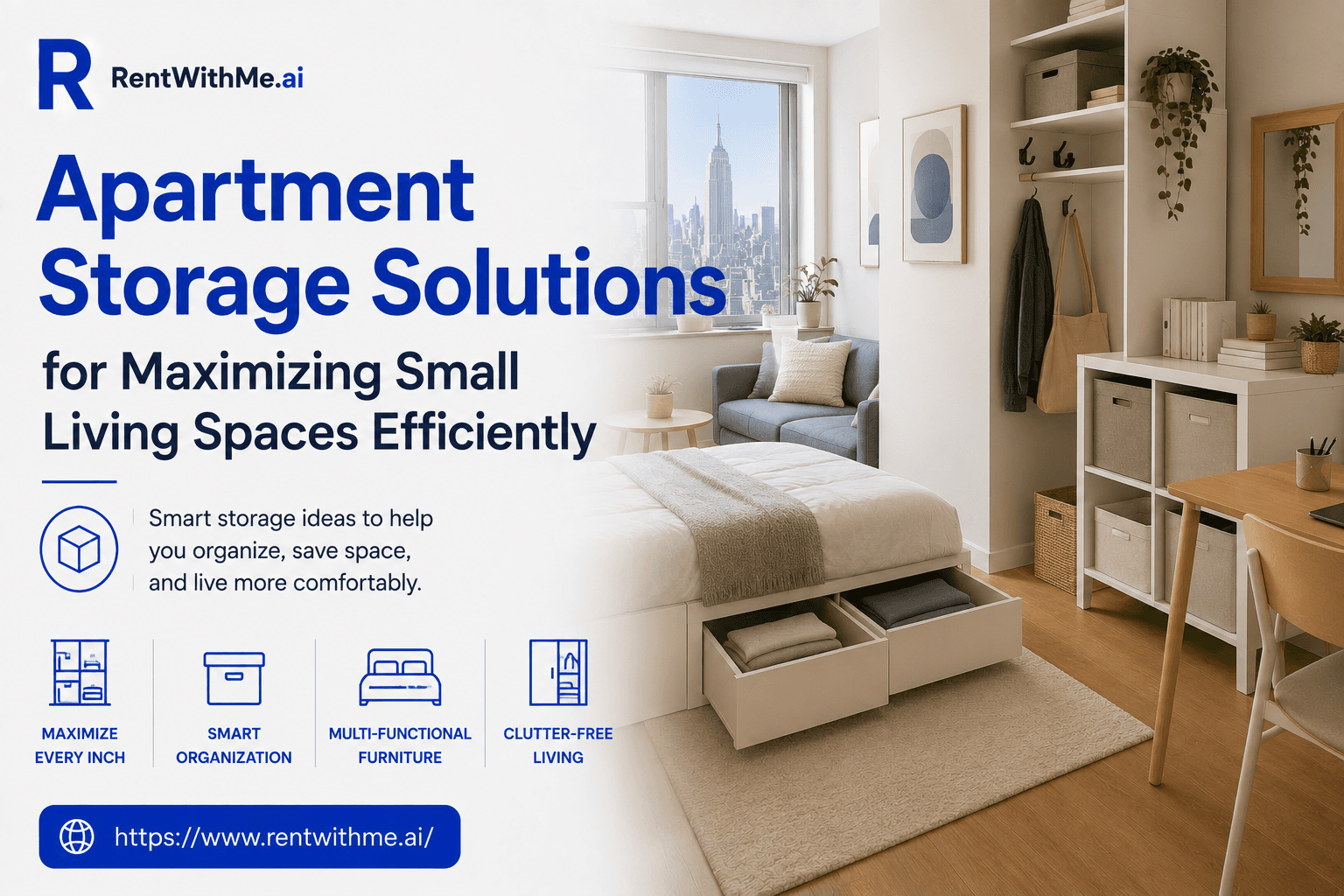
Apartment Storage Solutions for Maximizing Small Living Spaces Efficiently
Introduction
Living in a small apartment does not automatically mean living with clutter. The real challenge is learning how to use limited square footage intelligently so everyday belongings remain accessible without making the home feel crowded.
In many compact apartments, storage problems are not caused by a complete lack of space. They come from poor use of vertical areas, inefficient furniture, underused closets, oversized possessions, and storage systems that do not match daily routines.
The solution is not always to buy more bins, shelves, and organizers. Adding storage products without first understanding what you own can simply create a more organized version of the same clutter.
A better approach begins with evaluating belongings, identifying underused areas, and assigning storage based on frequency of use. Once that foundation is in place, furniture, closets, walls, under-bed areas, entryways, and other overlooked spaces can begin working much harder.
For renters in New York City and other space-conscious markets, this type of planning can make a noticeable difference in everyday comfort. A well-organized studio or one-bedroom can feel far more functional than a larger apartment filled with poorly stored belongings.
The goal is not to hide everything from sight. It is to create a home where possessions have logical places, surfaces stay reasonably clear, and stored items are easy to retrieve when needed.

Why Small Apartments Need a Storage Strategy, Not Just More Containers
When storage feels limited, the natural reaction is often to buy containers.
A few bins become several baskets. Then drawer organizers, rolling carts, shelves, and boxes begin appearing throughout the apartment.
These products can be useful, but they are tools rather than solutions.
If you have not decided what deserves storage, where it should live, and how frequently it needs to be accessed, containers may simply move clutter from one surface to another.
A strategy begins with three questions. What do you own? How often do you use it? Where can it live without interfering with normal life? Once those questions are answered, storage products become much easier to select.
Storage Should Support Everyday Routines
A storage system is successful only when it makes the apartment easier to live in.
If you use a coffee maker every morning, storing it in a difficult upper cabinet may keep the counter visually clean but make the kitchen frustrating.
If you wear the same few coats throughout winter, those coats should be easy to reach. Meanwhile, luggage used twice per year can occupy a less accessible space. This principle sounds obvious, yet many apartments are organized in the opposite way.
Prime storage areas become filled with rarely used belongings while daily essentials remain stacked on chairs, counters, or floors. Storage priority should follow usage.

Accessibility Matters as Much as Capacity
A closet may technically hold more items when every available inch is completely filled. However, maximum capacity does not automatically mean the storage system functions efficiently.
If reaching one box requires removing several others, the storage arrangement becomes inconvenient. Over time, frequently used items may stop returning to their proper places because access feels difficult.
Effective storage should balance available capacity with practical accessibility for everyday use. Rarely used belongings can be packed more tightly, while daily items need easier access.
Assessing What You Own Before Adding Storage
Before purchasing organizers, walk through the apartment and review the belongings you already own. Avoid trying to reorganize everything at once because that can make the process overwhelming.
Start by observing the areas that repeatedly become cluttered or difficult to manage. Check crowded closets, kitchen cabinets, under-bed storage, bathroom areas, entryways, and miscellaneous drawers.
These spaces usually reveal where the apartment’s current storage system is not working effectively. Understanding those problem areas first makes it easier to choose practical storage improvements later.
Identify Repeating Clutter
Clutter that repeatedly returns to the same location can reveal important storage problems. If bags constantly collect near the entrance, the entryway may need a better storage system.
If mail repeatedly lands on the kitchen counter, create a designated location for paperwork. If clothing regularly piles on a chair, the bedroom storage routine may be too inconvenient.
Instead of blaming yourself for not putting items away, examine whether they have logical homes. Good storage systems work with natural habits and make everyday organization easier to maintain.

Create a Basic Belonging Inventory
You do not need a detailed spreadsheet that lists every object inside your apartment. Instead, create broad categories that make your belongings easier to review and manage.
These categories may include clothing, shoes, books, cookware, food, paperwork, electronics, cleaning products, tools, hobbies, seasonal items, linens, luggage, and sentimental belongings. Then consider which categories currently occupy the greatest amount of available storage space.
This simple overview helps identify where storage improvements will have the greatest overall impact. A better shoe system will not solve congestion if clothing and stored boxes create most problems.
Decluttering by Frequency of Use, Size, and Actual Value
Storage becomes easier to manage when there are fewer unnecessary belongings competing for limited space. Decluttering does not require adopting an extreme minimalist lifestyle or removing everything you rarely use.
Instead, it means becoming more selective about which possessions deserve valuable space inside the apartment. In a small home, every large object carries an opportunity cost because it occupies space another purpose could use.
A rarely used piece of furniture takes up floor space that could serve daily needs. Similarly, boxes untouched for years occupy storage that could better support everyday living.

Use Frequency as the First Filter
Start by considering when you last used each item and how often you need it. Daily and weekly belongings are usually easy to justify, while seasonal items may also deserve space.
The difficult decisions involve belongings unused for years but kept for possible future needs. Be realistic about whether those items are genuinely useful or simply occupying limited storage space.
Keeping a rarely used item can still make sense when its value justifies the space. The goal is not removing everything uncommon, but making thoughtful decisions about available storage.
Consider Replacement Cost
Frequency should not be the only factor when deciding whether something deserves storage space. Some rarely used belongings may be expensive, valuable, or particularly difficult to replace.
A quality tool used only twice yearly may still justify keeping valuable storage space. However, a large inexpensive item untouched for years may be harder to justify keeping.
Consider the ongoing cost of storing an item compared with replacing it when needed. This becomes especially important when you are considering paying for off-site storage later.

Separate Sentimental Value From General Clutter
Sentimental belongings deserve thoughtful consideration because their importance extends beyond ordinary practical value. Avoid forcing emotional decisions simply because you want to clear additional shelf space.
Instead, separate genuinely meaningful keepsakes from objects retained because you never decided about them. A carefully preserved collection can be easier to appreciate and protect than several unorganized boxes.
Give sentimental belongings their own storage category instead of mixing them with ordinary household goods. This separation keeps meaningful possessions organized while preventing general clutter from becoming emotionally difficult to manage.
Mapping Available Storage Space Room by Room
After reviewing your belongings, evaluate the apartment itself and identify its available storage opportunities. Walk through each room and examine both existing storage areas and unused potential space.
Look vertically as well as horizontally because many compact homes have considerable unused wall height. Closets may also contain valuable empty areas above hanging rods or beneath shorter clothing.
Under-bed areas, narrow corners, door backs, and furniture interiors can provide additional storage capacity. Identifying these overlooked spaces helps you understand the apartment’s potential before adding new storage solutions.

Measure Before Buying Organizers
One of the easiest ways to waste money is purchasing storage products using visual estimates. Measure each available space carefully, including its width, depth, height, shelves, and interior dimensions.
Check clearance beneath the bed and measure closet openings before choosing containers or organizers. A container only two inches too deep can prevent a closet door from closing properly.
Similarly, a shelf that looks perfect online may block switches or extend into walkways. Accurate measurements help protect your available space while preventing unnecessary spending on unsuitable organizers.
Consider Movement Through the Apartment
Storage should improve organization without interfering with natural walking paths throughout the apartment. Small rooms quickly become uncomfortable when shelves, carts, or cabinets restrict everyday movement.
Stand inside each room and observe how people naturally move between furniture and doorways. Keep pathways clear and avoid placing storage where doors require sufficient space to swing.
Frequently used drawers and cabinets should also have enough clearance to open completely. Additional storage provides little value when it makes the apartment more difficult to navigate.
Use Vertical Space Without Making Rooms Feel Crowded
Vertical storage is one of the most effective solutions available within a small apartment. Walls can hold books, kitchen supplies, clothing accessories, decorative items, and other everyday belongings.
However, covering every wall from floor to ceiling can make smaller rooms feel visually crowded. Use vertical storage selectively where it improves function without overwhelming the surrounding living space.
Leaving some open wall areas helps the room maintain a more comfortable visual balance. The goal is increasing useful storage without making every available surface feel completely occupied.
Tall Shelving Can Outperform Wide Furniture
A tall, narrow bookshelf may provide more storage than a short, wide cabinet using additional floor space. This approach works particularly well within bedrooms, living rooms, and compact home office areas.
Choose furniture proportions that complement the room while making effective use of available height. Tall storage can draw attention upward while using vertical areas that might otherwise remain wasted.
However, tall furniture must remain stable and should follow manufacturer recommendations for proper anchoring. Before making modifications, also consider any installation restrictions or requirements included within your lease.
Use High Shelves for Low-Frequency Items
Higher storage areas work best for belongings that you only need occasionally throughout the year. Seasonal decorations, extra bedding, luggage accessories, archived files, and similar items fit these spaces well.
Keep everyday belongings at comfortable heights where they remain easy to reach and return. Avoid creating storage systems that require using a step stool during normal daily routines.
Vertical organization becomes more practical when storage height reflects how frequently each item gets used. Reserve convenient areas for daily essentials and higher spaces for belongings requiring less frequent access.

Avoid Visual Overload
Open shelving keeps stored belongings visible, which can create an attractive and accessible display. It works particularly well for books, selected decor, and neatly arranged storage containers.
However, open shelves can quickly create visual clutter when they contain many unrelated belongings. Combine open and closed storage so practical miscellaneous items remain hidden behind doors or drawers.
Display belongings that benefit from visibility while keeping less attractive household items neatly concealed. This balance provides useful storage without making a small apartment appear unnecessarily crowded.
Choosing Multifunctional Furniture With Built-In Storage
Furniture occupies considerable floor space, making multifunctional pieces especially valuable in smaller apartments. Beds with drawers, storage ottomans, lift-top coffee tables, and storage benches can serve multiple purposes.
Choose multifunctional furniture that would remain useful even without its additional storage compartments. Avoid purchasing oversized furniture simply because it provides more hidden space for your belongings.
Every piece should fit comfortably within the room while supporting its intended everyday purpose. Built-in storage becomes valuable only when the furniture itself works well within your layout.
Storage Beds
Beds occupy substantial bedroom floor space, making the area underneath valuable for additional storage. Some frames include built-in drawers, while others lift upward to reveal larger storage compartments.
Simpler frames may provide enough clearance for separate containers placed conveniently underneath the bed. Each option works differently depending on your bedroom layout and available surrounding clearance.
Built-in drawers require enough side space to open, while lift-up beds may offer greater capacity. Choose the design according to your room configuration and the belongings requiring storage.
Storage Ottomans
Storage ottomans work especially well because they combine seating, footrest space, and hidden storage. Some can also provide an occasional table surface when their design supports that purpose.
They are useful for throws, games, electronics accessories, and other belongings needed near seating. Assign the interior a specific category rather than allowing it to become miscellaneous storage.
A defined purpose makes the compartment easier to organize and maintain over time. This simple approach prevents hidden storage from becoming another cluttered area inside the apartment.
Benches With Storage
An entryway storage bench can combine convenient seating with organized space for shoes or accessories. Similarly, a bedroom bench may provide useful storage for extra bedding or seasonal linens.
This type of furniture can address two practical needs without requiring multiple separate pieces. However, measure carefully before adding a bench to a narrow entryway or compact bedroom.
An entry bench should never restrict movement or make entering the apartment unnecessarily difficult. Multifunctional furniture provides the greatest value when its dimensions remain appropriate for the available space.
Lift-Top Coffee Tables
A lift-top coffee table provides hidden storage while creating an occasional dining or work surface. This versatility can be particularly helpful in studios where one room supports several daily activities.
However, consider whether the lifting mechanism actually matches how you normally use the living area. If you rarely work or eat from the sofa, simpler storage furniture may function better.
Choose furniture features based on genuine everyday needs rather than novelty or additional mechanisms. Practical furniture should make the apartment easier to use without introducing unnecessary complexity.
Maximizing Under-Bed Storage
Under-bed storage can provide considerable capacity without changing the visible arrangement of your bedroom. It works especially well for seasonal clothing, extra linens, shoes, luggage, and occasional belongings.
Begin by measuring the available clearance before purchasing containers or planning the storage arrangement. Choose containers that fit comfortably rather than models that barely slide beneath the bed.
You should be able to retrieve stored belongings without lifting the bed or moving furniture. Easy access keeps under-bed storage functional instead of turning it into forgotten hidden space.
Use Shallow Containers for Easy Access
Low, wide containers often work effectively because they remain easy to retrieve from underneath beds. Clear containers make contents visible, while opaque options provide a cleaner appearance when partly exposed.
Labels can make either container style easier to identify and maintain over time. Avoid combining too many unrelated categories inside one container simply because additional space remains.
A container labeled “Winter Accessories” provides clearer organization than one labeled only “Miscellaneous.” Specific categories make stored belongings easier to locate without searching through several unrelated items.
Consider Fabric Storage for Soft Items
Soft zippered storage bags can work effectively for clothing, blankets, linens, and similar belongings. Their flexible construction may fit unusual spaces more easily than rigid plastic storage containers.
However, fabric storage offers less protection from pressure and may be more difficult to stack. Choose containers according to the belongings being stored and the protection they actually require.
Valuable or delicate belongings may need stronger containers that provide greater structural protection during storage. The container should match both the available space and the sensitivity of its contents.
Do Not Overfill the Area
Using under-bed storage effectively does not require packing every available inch with stored belongings. Leave sufficient room for ventilation while keeping containers reasonably easy to remove and replace.
Containers wedged tightly beneath furniture can make accessing even simple belongings unnecessarily frustrating. Storage should reduce everyday effort rather than making retrieval and organization more difficult.
The goal is keeping belongings manageable and accessible instead of simply hiding them from view. A slightly less crowded system often remains considerably easier to maintain over time.
Improving Closet Capacity With Better Interior Organization
Closets often contain considerably more potential storage capacity than renters initially realize. A single hanging rod and shelf may leave substantial unused areas throughout the closet interior.
Begin by emptying and measuring the closet before purchasing additional organizers or storage accessories. Consider how much hanging space you genuinely need based on your existing clothing collection.
Then identify opportunities for additional shelves, drawers, baskets, shoe storage, or another hanging level. Better interior organization can increase functionality without requiring additional bedroom or hallway floor space.
Double Hanging Space Where Appropriate
A second hanging rod can significantly increase capacity when most clothing includes shorter garments. Shirts, jackets, skirts, and folded pants generally require less vertical space than longer clothing.
Long coats and dresses still require a dedicated section with full-length hanging clearance. Divide the closet into zones rather than forcing every garment into one storage configuration.
Use one section for longer clothing and another section for practical double hanging. This arrangement uses vertical closet space efficiently while keeping different garment lengths properly accommodated.
Use Upper Shelves Intentionally
Upper closet shelves work particularly well for seasonal belongings and items used only occasionally. Store similar categories together so retrieving specific belongings remains straightforward when they are eventually needed.
Use clearly labeled containers whenever the contents cannot be easily identified from the outside. Avoid creating rows of identical boxes without labels because finding belongings becomes unnecessarily difficult.
You should be able to locate stored items without opening every container on the shelf. Intentional organization keeps less accessible storage useful rather than allowing it to become forgotten clutter.
Add Closet Drawers When Floor Space Allows
A compact drawer unit can transform unused closet floor space into practical organized storage. It may even reduce the need for a separate dresser occupying valuable bedroom floor area.
Use drawers for folded clothing, accessories, workout gear, and other smaller personal belongings. Measure the closet depth and available width carefully before selecting any drawer unit.
The drawers must open completely without hitting closet doors or interfering with hanging clothing. Proper measurements ensure the additional storage improves functionality instead of creating another accessibility problem.
Organize Shoes Based on Frequency
Keep frequently worn shoes easily accessible while storing seasonal or occasional pairs in less convenient areas. Avoid designing the entire closet around a large shoe collection containing many rarely worn pairs.
Review your collection first and determine which shoes genuinely deserve convenient everyday storage space. Then choose racks, shelves, boxes, or hanging systems according to the remaining collection.
Organizing shoes according to frequency prevents occasional footwear from occupying the most valuable closet areas. It also makes everyday routines easier because regularly used pairs remain readily accessible.
Use Matching Hangers for Efficiency
Uniform slim hangers can improve spacing while making a compact closet appear more visually organized. They are not essential, but consistent dimensions can reduce unnecessary gaps between hanging garments.
Choose hangers strong enough to support heavier clothing without bending or losing their shape. The primary goal should remain consistent spacing and practical support rather than appearance alone.
Avoid purchasing a large hanger set before determining how many pieces you actually require. Buying according to your existing wardrobe prevents unnecessary products from consuming additional closet space.
Making Entryways Work Harder With Compact Storage
Apartment entrances often become clutter zones because several everyday belongings arrive there simultaneously. Shoes, bags, mail, umbrellas, coats, keys, and deliveries can quickly overwhelm a compact entryway.
Identify what normally enters the apartment with you and create convenient storage nearby. Giving those belongings designated locations reduces their movement toward counters, dining tables, chairs, and floors.
A deliberate entryway system should support everyday habits without making the entrance feel crowded. Simple storage placed strategically near the door can prevent clutter from spreading throughout the apartment.
Create a Key and Essentials Zone
A small tray, drawer, shelf, or wall-mounted organizer can hold keys and everyday essentials. Keep this system simple enough that using it requires almost no additional effort.
Complicated storage involving several compartments may discourage you from returning items to their assigned locations. The most practical entryway system allows belongings to be stored immediately after arriving home.
Place frequently carried essentials where they remain convenient without covering valuable surfaces with loose belongings. A consistent landing area also makes important items easier to locate before leaving.
Manage Shoes Without Blocking the Door
A narrow shoe cabinet, compact rack, or storage bench can keep everyday footwear organized. Limit entryway shoe storage primarily to pairs that household members wear on a regular basis.
Seasonal and occasional shoes can remain elsewhere instead of permanently occupying valuable entrance space. This prevents the entryway from gradually becoming an overcrowded storage area for footwear.
Maintain enough clearance for doors to open fully and people to enter comfortably. Shoe storage should support the entrance rather than interfering with its primary function and movement.
Provide a Place for Bags
Bags frequently end up on dining chairs or floors when no dedicated storage location exists. Hooks, shelves, or a designated closet section can provide a simple alternative.
Avoid placing excessive weight on wall hooks or mounting hardware beyond their intended capacity. Heavy bags may require stronger mounting support or an appropriate floor-based storage solution.
Renters should use mounting methods permitted by their lease and suitable for existing wall surfaces. The storage method should remain convenient while protecting both belongings and the apartment itself.
Creating Hidden Storage in Living Rooms
Living rooms frequently support several activities, including relaxing, entertaining, working, reading, and sometimes dining. Because these functions share limited space, visible clutter can make smaller rooms feel crowded quickly.
Hidden storage keeps practical belongings nearby without allowing them to dominate the room visually. Furniture with concealed compartments can provide convenient access while maintaining a cleaner overall appearance.
Use hidden storage primarily for belongings needed within the living room but not constantly displayed. This approach reduces visual noise without moving frequently used items inconveniently far from their normal activities.
Use Closed Media Storage
Open television consoles often collect remotes, controllers, cables, game accessories, and miscellaneous electronic equipment. Cabinets with drawers or doors can conceal these belongings while keeping them reasonably accessible.
Plan cable management alongside storage so cords remain organized instead of gathering behind furniture. Avoid placing electronics or power supplies inside sealed compartments without appropriate ventilation.
Always follow manufacturer requirements regarding ventilation, placement, and safe operation of electronic equipment. Good storage should improve organization without creating unnecessary overheating or electrical safety concerns.
Store Blankets Near Seating
Blankets and throws are useful living room essentials, but their bulky size can create clutter. Keep them near seating inside a storage ottoman, basket, or suitable closed cabinet.
Choose one primary location rather than distributing several blankets across every available chair or sofa. Too many visible textiles can make a compact living room appear crowded despite being organized.
Rotate seasonal blankets when appropriate instead of keeping every textile accessible throughout the entire year. This approach maintains convenience while reducing unnecessary volume within the main living space.
Control Remote Controls and Accessories
Small electronic accessories can create significant visual clutter when they remain scattered throughout living areas. Give remotes, controllers, charging cables, and headphones a designated drawer, basket, or container.
Keep frequently used accessories near the television or seating area where they are naturally needed. Store less frequently used cables elsewhere and label them when their purpose is not immediately obvious.
Review spare cables periodically and remove obsolete items rather than keeping everything indefinitely. A simple category-based system keeps electronic accessories accessible without allowing them to accumulate unnecessarily.
Organizing Books, Media, and Everyday Electronics Efficiently
Books can occupy substantial space quickly, particularly when collections continue growing inside compact apartments. If books are important to you, dedicate appropriate storage instead of creating scattered stacks.
Tall shelving generally uses floor space more efficiently than several separate short bookcases. Decide which books deserve convenient access and which can occupy less prominent storage areas.
Sentimental, archived, or rarely referenced books may not require prime living room shelf space. Organizing the collection by actual use can preserve accessibility while reducing unnecessary visual congestion.
Arrange Books by Use Rather Than Appearance Alone
An attractive bookshelf provides limited practical value when finding a particular book becomes unnecessarily difficult. Organize books according to a system that naturally makes sense for your reading habits.
You might arrange them by subject, author, frequency of use, or another straightforward category. Avoid overfilling shelves because tightly packed books become difficult to remove and return properly.
Books are also heavy, so follow shelf weight limits and keep furniture appropriately stable. Functional organization should support both accessibility and the safe use of your shelving system.
Create a Charging Station
Phones, tablets, headphones, watches, and other devices can create constant cable clutter around apartments. Establish one or two charging locations where frequently used devices can remain organized together.
A drawer with cable access or compact desktop organizer may help contain devices and cords. Choose a solution that keeps charging convenient without spreading cables across several household surfaces.
Avoid overloading electrical outlets or power strips and follow the ratings of electrical products. An effective charging station should improve organization while remaining practical and safe for everyday use.
Label Less-Used Cables
Label spare cables when their purpose may become difficult to remember after several months. Simple descriptions such as “Monitor,” “Camera,” or “Old Laptop Adapter” can prevent repeated guessing.
Store labeled cables in small bags, divided compartments, or another simple organized storage system. Coiling them loosely can help prevent tangles without requiring complicated cable management.
Avoid keeping dozens of unidentified cords together inside one large miscellaneous storage box. That approach may hide clutter temporarily, but it does not create meaningful organization.
Using Wall-Mounted Storage Without Overloading the Room
Walls provide useful storage opportunities without consuming additional floor area within compact apartments. Floating shelves, hooks, pegboards, rails, and mounted cabinets can all provide practical capacity.
Renters should first review lease and building requirements before installing anything requiring holes or anchors. Some mounting methods may damage paint or other surfaces when installed or eventually removed.
Do not assume every product marketed as renter-friendly will work safely on every wall surface. Choose storage based on actual mounting requirements, intended weight, and permitted apartment modifications.
Use Shelves Where They Solve a Real Problem
Every added shelf should solve a specific storage problem rather than simply fill empty wall space. A shelf above a desk might hold office supplies without occupying valuable desktop space.
Kitchen shelves may hold frequently used supplies where installation is appropriate and permitted. Similarly, an entryway shelf can provide convenient storage for bags, accessories, or everyday essentials.
Avoid installing open shelves simply because unused wall space happens to be available. Wall storage contributes to visual density, so use it strategically where functionality clearly improves.
Hooks Can Free Valuable Surface Space
Hooks can move lightweight belongings away from countertops, chairs, and other useful household surfaces. They work particularly well for hats, towels, accessories, and smaller lightweight bags.
Choose mounting hardware that suits both the wall material and the intended object weight. Never place heavy belongings on temporary adhesive hooks beyond the manufacturer’s stated capacity.
Appropriate hook placement can use narrow wall areas where furniture would never fit comfortably. However, installation should protect your belongings and prevent avoidable damage to rental surfaces.
Pegboards and Modular Systems
Pegboards can provide flexible storage in offices, kitchens, craft spaces, and hobby areas. Their adjustable layouts allow storage arrangements to change when your belongings or routines evolve.
This flexibility is particularly useful in smaller apartments where one wall may support several categories. However, covering the entire pegboard with unrelated objects can create unnecessary visual clutter.
Group similar belongings together and leave some open space between heavily used storage areas. An edited arrangement maintains flexibility without making the wall appear chaotic or excessively crowded.
Common Small-Apartment Storage Mistakes to Avoid
One of the most common mistakes is purchasing organizers before reducing unnecessary belongings. Containers do not decrease how much property you own because they only rearrange existing possessions.
Declutter first and determine which belongings genuinely deserve space within your apartment. Then purchase organizers based on the remaining items and the storage areas actually available.
This order prevents unnecessary spending while ensuring organizers solve genuine storage problems rather than conceal excess belongings. Storage products should support organization after decisions about what to keep have already been made.
Using Every Visible Surface for Storage
Small apartments still need some visually open space to remain comfortable and functional. Covering every wall, shelf, tabletop, and cabinet top can make rooms feel noticeably smaller.
Leave portions of important surfaces clear rather than maximizing storage everywhere simply because space exists. Negative space creates a calmer appearance and preserves flexibility for ordinary household activities.
Storage capacity should remain one consideration rather than becoming the apartment’s only design priority. A balanced room combines useful storage with enough open areas for comfortable everyday living.
Choosing Oversized Storage Furniture
Large cabinets may provide considerable capacity, but they can easily dominate compact living spaces. Consider both storage volume and floor impact before selecting substantial furniture for smaller rooms.
Sometimes two strategically positioned smaller pieces can provide better accessibility and flexibility than one oversized cabinet. In other situations, a tall narrow unit may outperform wide furniture using more floor area.
Choose storage furniture according to the proportions and movement requirements of the room itself. The best option should accommodate belongings without making the surrounding space uncomfortable or visually overwhelmed.
Storing Daily Items Too Far Away
Belongings used every day should remain within easy reach whenever the apartment layout allows. Coffee supplies should not occupy the highest shelf if you retrieve them every morning.
Similarly, daily shoes should not remain buried beneath seasonal belongings or difficult storage containers. Work equipment should also remain accessible without requiring furniture movement or complicated unpacking.
Storage systems become frustrating when frequently used items consistently require unnecessary effort to retrieve. Organize primarily by frequency so convenient locations support the belongings you use most often.
Using Too Many Tiny Organizers
Small containers and drawer dividers can help organize belongings, but excessive compartmentalization creates additional maintenance. Every small category does not necessarily require its own individual container or designated compartment.
Group related belongings in broader categories that remain easy to understand and maintain consistently. One drawer for everyday charging accessories may work better than several miniature containers.
The system should remain simple enough to reset quickly after normal daily use. If putting belongings away feels unnecessarily complicated, reduce the number of categories and organizers.
Ignoring Future Purchases
A storage system filled completely to capacity provides little flexibility when household needs eventually change. New belongings arrive, seasonal items rotate, and everyday supplies naturally fluctuate throughout the year.
Leave some available room instead of designing closets and cabinets around perfect maximum capacity. You do not need large empty areas, but modest flexibility makes organization easier to maintain.
A storage system that functions only when nothing changes will eventually become difficult to manage. Sustainable organization should accommodate reasonable changes without requiring a complete redesign each time.
Forgetting to Measure
Visual estimates can lead to expensive mistakes when organizers do not fit their intended locations. Measure closets, shelves, under-bed clearance, and available wall areas before purchasing storage products.
Compare those measurements carefully with actual product dimensions, including width, height, and especially depth. A container may fit the available width while extending too far into a walkway.
Accurate measurements are among the simplest ways to prevent unsuitable purchases and wasted storage space. Measuring first also helps identify which organizer sizes can use the available area most efficiently.
Creating Storage That Is Difficult to Maintain
An apartment can return to clutter quickly when its organization system requires excessive daily effort. Design storage for ordinary routines rather than expecting perfect organization during every busy day.
Frequently used belongings need straightforward locations that make returning them almost effortless after use. Rarely used items can tolerate storage areas requiring additional steps or less convenient access.
The easier your storage system is to reset, the more consistently it will remain organized. If several steps are required for simple tasks, consider simplifying the arrangement before clutter returns.
Building a More Functional Storage Foundation
By this stage, the apartment should begin functioning more effectively around your belongings and routines. You have reviewed possessions, removed unnecessary items, mapped available space, and considered usage frequency.
Vertical areas can provide additional capacity without overwhelming rooms, while multifunctional furniture supports several needs. Under-bed areas, closets, entryways, living rooms, and walls can now contribute more intentionally.
The next stage focuses on spaces where organization requires more detailed decisions and specialized storage. Kitchens, bathrooms, bedrooms, offices, seasonal belongings, and shared areas each present different practical challenges.
Maximizing Kitchen Cabinet and Pantry Storage
Small apartment kitchens can be difficult because many categories compete for limited storage space. Cookware, dishes, food, appliances, utensils, and cleaning products all require convenient and practical locations.
Organize the kitchen around how you actually prepare meals and use the available space. Frequently used equipment deserves accessible storage, while specialty appliances can occupy higher or deeper cabinets.
Avoid maximizing cabinet capacity so aggressively that retrieving one pan requires removing several other belongings. A functional kitchen prioritizes convenient access alongside efficient use of every available storage area.
Create Storage Zones Around Kitchen Activities
Organize kitchen belongings according to activities instead of placing everything wherever available space happens to remain. Keep everyday dishes near serving areas and cookware reasonably close to the stove.
Frequently used preparation tools should remain near your primary workspace whenever the layout allows. Food containers, baking ingredients, and coffee supplies can each occupy their own practical storage zones.
This approach reduces unnecessary movement and makes returning belongings easier after cooking or cleaning. Each category has a logical destination, helping the kitchen remain organized with less ongoing effort.
Improve Cabinet Shelf Efficiency
Many kitchen cabinets contain large unused vertical gaps between shelves that reduce practical storage capacity. Adjustable shelves can often be repositioned to make better use of available interior height.
When shelves remain fixed, removable risers may create another level for dishes, cups, or cans. Measure cabinet interiors carefully before purchasing inserts or other organization products.
Pay particular attention to cabinet depth because organizers must allow doors to close completely. A product that fits the width but interferes with closure does not improve storage.
Use Deep Cabinets Carefully
Deep cabinets can provide generous storage, but smaller belongings often disappear behind items stored forward. Keep frequently used products near the front and reserve deeper areas for occasional belongings.
Removable bins can transform deep shelves into accessible categories that can be pulled forward together. For example, one container can hold baking supplies instead of scattering them throughout the cabinet.
Avoid combining unrelated products inside the same bin simply because additional room remains available. Clear categories make deep storage easier to access and maintain consistently over time.
Make Lower Cabinets Easier to Access
Lower cabinets become difficult to use when cookware, lids, and appliances are stacked without organization. Group similar pieces together and avoid creating unnecessarily tall stacks of pots or pans.
Frequently used cookware should remain accessible instead of sitting underneath several rarely used kitchen pieces. Lid organizers, removable racks, and suitable pull-out products can improve accessibility where dimensions allow.
Choose organizers according to the actual cabinet measurements rather than purchasing complete systems prematurely. The most effective solution should match your available space and normal cooking habits.
Reduce Unnecessary Kitchen Duplicates
Compact kitchens rarely benefit from keeping excessive duplicates of cookware, tools, or food containers. You may not need several similar pans or multiple sets of nearly identical measuring utensils.
Keep enough equipment to support your normal household cooking and food preparation routine comfortably. Remove broken containers, unmatched lids, and specialty gadgets that have remained unused for several years.
Every kitchen item occupies limited cabinet or drawer space that could support something more useful. Reviewing duplicates can create meaningful capacity without requiring additional organizers or storage furniture.
Organizing Small Refrigerators, Freezers, and Food Zones
Refrigerator organization is another important form of space management within compact apartment kitchens. Overfilled shelves make food difficult to see, potentially increasing waste and unnecessary duplicate purchases.
A more visible arrangement helps you understand which ingredients are available before purchasing additional groceries. Avoid filling the refrigerator with organizers unless individual containers solve a clear functional problem.
Storage containers themselves consume valuable refrigerator space, so use them selectively for scattered smaller items. The goal should remain improved visibility and accessibility rather than creating an overly complicated system.
Group Similar Foods
Create broad food categories that reflect your actual eating habits and normal household routines. You might group breakfast ingredients, leftovers, or frequently used meal-preparation foods within designated areas.
Keep categories practical instead of creating a highly detailed system requiring constant rearrangement after shopping. If maintaining the organization becomes difficult after every grocery trip, simplify the categories.
The most effective refrigerator organization should feel natural enough for household members to maintain consistently. Simple grouping improves visibility without adding unnecessary work to ordinary kitchen routines.
Use a Visible Leftovers Area
Leftovers can easily become forgotten when newer groceries continually move in front of them. Create a clearly visible area for prepared foods that should be consumed relatively soon.
This approach can reduce food waste while preventing forgotten containers from accumulating throughout the refrigerator. Check the leftovers area before ordering meals or preparing additional food whenever practical.
Using food already available supports both efficient refrigerator organization and more controlled household spending. A visible system makes it easier to prioritize food before it becomes forgotten.
Avoid Overfilling the Freezer
Freezers can gradually become long-term storage spaces for containers containing unidentified or forgotten food. Label prepared meals when necessary so their contents remain easy to recognize later.
Include enough information to identify what was stored and when it entered the freezer. Rotate older foods toward more visible areas rather than continuously placing newer products in front.
Avoid keeping food indefinitely simply because it remains frozen and hidden from everyday view. Follow appropriate food safety recommendations when determining safe storage periods and disposal decisions.
Creating More Counter Space Without Renovation
Kitchen counters provide valuable working space for preparing food, unpacking groceries, and handling daily tasks. When appliances and containers occupy every available section, ordinary meal preparation becomes unnecessarily difficult.
Decide which appliances genuinely deserve permanent counter space based on how frequently you use them. A daily coffee maker may remain accessible, while rarely used equipment can occupy cabinet storage.
Apply the same principle to utensil holders, dish racks, knife blocks, and decorative containers. Keeping fewer permanent items visible preserves more functional counter space without requiring any physical renovation.
Keep the Primary Preparation Area Clear
Preserve at least one practical counter section for chopping, mixing, assembling meals, and unpacking groceries. Avoid treating every empty surface as an opportunity for permanent appliance or container storage.
Open work surfaces have genuine functional value and make everyday kitchen activities easier to complete. In compact kitchens, a clear preparation area can make the entire room feel more spacious.
Keeping this area consistently available also reduces the need to relocate belongings before cooking. Functional empty space can therefore be just as valuable as additional storage capacity.
Consider a Rolling Cart Carefully
A compact rolling cart can provide additional storage and work space when the layout allows. It may hold cookware, pantry products, serving supplies, or small appliances used less frequently.
Mobility allows the cart to move when additional floor space or access becomes necessary. However, it should never obstruct cabinets, appliances, doorways, or important walking paths.
Measure the intended location carefully before purchasing a cart for additional kitchen storage. If it constantly requires repositioning, the added capacity may not justify the inconvenience created.
Use Cabinet Doors Selectively
The inside surfaces of cabinet doors may provide additional storage for lightweight household items. Small organizers can sometimes hold cleaning accessories, compact supplies, or other appropriate kitchen belongings.
Check interior clearance carefully before attaching organizers because cabinets must continue closing and functioning properly. Added storage should not interfere with shelves or place excessive weight on cabinet hinges.
Renters should also consider whether mounting products or adhesives could damage cabinet surfaces during removal. Select removable solutions carefully instead of assuming every temporary product will leave surfaces unchanged.
Improving Bathroom Storage in Tight Layouts
Small apartment bathrooms often provide limited cabinetry despite containing many different everyday household products. Toiletries, towels, grooming equipment, cleaning supplies, and paper products all compete for available space.
Begin by removing empty containers, expired products, unnecessary duplicates, and belongings that should live elsewhere. Then organize remaining items according to how frequently household members actually use them.
Daily essentials should remain easy to access, while backup products can occupy higher or deeper areas. This simple priority system makes limited bathroom storage more practical without requiring unnecessary additional furniture.
Make Vanity Storage More Functional
Bathroom vanity cabinets frequently contain unused vertical space while plumbing creates awkward interior storage areas. Use compact removable organizers where they fit without blocking pipes or necessary maintenance access.
Group products into practical categories so similar belongings remain together and easier to retrieve. Hair supplies might occupy one container while suitable cleaning products remain organized within another.
Avoid filling the vanity so completely that plumbing becomes difficult to reach when necessary. Storage improvements should preserve access while making everyday bathroom products easier to locate.
Use Drawer Dividers for Small Items
Bathroom drawers become cluttered quickly because they often contain numerous small personal-care products and accessories. Simple dividers can separate cosmetics, grooming products, hair accessories, and other frequently used belongings.
Keep categories broad enough that returning items remains straightforward after normal daily routines. Creating an individual compartment for every object may make the system unnecessarily difficult to maintain.
The primary objective is finding belongings quickly while preventing smaller items from becoming mixed together. Simple organization usually remains more sustainable than highly detailed compartment systems.
Consider Over-Toilet Space
The wall area above a toilet often remains unused despite offering potential additional bathroom storage. Freestanding over-toilet furniture or appropriate shelving can add capacity when the layout allows.
Use this area for towels, paper products, or neatly organized backup household supplies. Avoid overloading elevated storage or placing objects where they could easily fall.
Renters should consider stability and installation requirements before choosing any wall-mounted storage solution. Added bathroom storage should remain secure while respecting the limitations of the rental property.
Organizing Toiletries, Towels, and Cleaning Supplies
Bathroom toiletries can multiply gradually as samples, replacements, backups, and partially used products accumulate. These items may eventually consume substantial storage despite many receiving little regular use.
Set reasonable limits for duplicate products based on household needs and available bathroom capacity. Buying in bulk can provide savings, but excess inventory still requires valuable apartment storage.
Organizing bathroom supplies effectively means balancing convenience with realistic quantities rather than maximizing inventory. Keeping appropriate amounts makes remaining products easier to access, monitor, and replace when necessary.
Keep Shower Storage Controlled
Keep only toiletries currently being used inside the shower or bathing area whenever practical. Backup bottles can remain elsewhere until existing products are finished and require replacement.
Reducing unnecessary shower products minimizes visual clutter while making the area easier to clean. A suitable caddy or corner organizer can provide additional capacity when built-in shelving remains insufficient.
Choose materials designed for humid conditions and follow installation instructions for any mounted products. Practical shower storage should remain stable, easy to clean, and appropriately sized for daily essentials.
Fold Towels for the Available Space
There is no single towel-folding method that works best for every apartment bathroom. Choose an approach that fits your available shelves, drawers, baskets, or other linen storage.
Keep enough towels to support the household’s normal usage and realistic laundry schedule comfortably. An oversized linen collection may consume more space than necessary within a compact apartment.
Occasional guest towels can occupy less accessible storage when they are not needed regularly. Organizing linens according to frequency keeps prime bathroom space available for everyday household needs.
Keep Cleaning Products Together Where Practical
Keeping cleaning supplies within one designated area can make routine household maintenance considerably easier. Depending on the layout, this location might be beneath a sink or inside a utility closet.
Store cleaning products according to their labels and any applicable safety or ventilation requirements. Organization should never encourage unsafe placement simply because a particular container or cabinet has available room.
Households with children or pets should pay additional attention to secure cleaning product storage. A practical organization system must always support safety alongside convenience and efficient use of space.
Building Better Bedroom Storage Around Daily Routines
Bedrooms should remain restful while accommodating clothing, linens, personal belongings, and sometimes work equipment. Excess visible storage can quickly make smaller sleeping areas feel crowded and visually busy.
Begin with the largest existing storage systems, including closets, dressers, beds, and built-in cabinetry. These areas should handle most belongings before additional small organizers or furniture are introduced.
Use smaller organizers only for specific remaining problems rather than adding storage without a purpose. This approach keeps bedroom organization functional without gradually filling the room with unnecessary storage products.
Organize Clothing Around What You Actually Wear
Give the most convenient closet and drawer space to clothing worn during the current season. Move off-season garments toward higher shelves, under-bed containers, or another appropriate storage location.
Review clothing when seasons change and reconsider items that have remained unworn for several years. Clothing that no longer fits your lifestyle may not justify continued use of limited storage.
Regular review prevents wardrobes from expanding indefinitely while keeping frequently worn garments easier to access. The goal is not minimalism, but storage that reflects how you actually dress.
Avoid Turning Chairs Into Clothing Storage
Bedroom chairs often become temporary storage for clothing that is neither clean nor ready for laundry. Create a deliberate location for these items instead of allowing piles to develop.
Hooks, a designated basket, or a specific closet section may provide a more practical solution. The best option should match how you naturally handle clothing during your daily routine.
Keeping the chair clear immediately makes the bedroom appear more organized and maintains its intended purpose. A simple alternative prevents temporary clothing from gradually spreading across several furniture surfaces.
Use Bedside Storage Efficiently
A nightstand with drawers can provide more useful storage than a simple open bedside table. Use those drawers for chargers, reading materials, personal items, and other bedtime necessities.
Keep the top relatively clear because essential objects may already occupy much of its surface. A lamp, phone, book, and water can quickly fill a compact bedside area.
Limiting additional objects reduces visual clutter and keeps frequently used nighttime essentials easier to locate. Bedside storage works best when it supports routine without becoming another miscellaneous collection point.
Consider Replacing a Large Dresser
A large dresser can provide valuable capacity when your wardrobe genuinely requires substantial folded storage. However, an improved closet system may sometimes absorb enough clothing to make downsizing practical.
Removing or replacing an oversized dresser can free significant floor space within a compact bedroom. Do not eliminate useful storage solely to create a more open visual appearance.
First determine whether the alternative arrangement provides enough capacity for your actual clothing collection. The goal is balancing necessary storage with comfortable movement and appropriate open floor space.
Creating Functional Home Office Storage in Limited Space
Remote and hybrid work often requires renters to create offices inside multipurpose apartment rooms. A desk may occupy part of a bedroom, living room, or another available area.
Storage should keep necessary work materials accessible without allowing office belongings to spread throughout the apartment. Begin by identifying the equipment and physical supplies your job actually requires regularly.
Many people need less physical office storage than expected because some records can remain digital. Occasional supplies can also occupy secondary storage instead of consuming valuable space around the desk.
Keep Daily Work Tools Within Reach
The immediate workspace should contain the equipment and supplies you use regularly throughout the workday. This may include a laptop, monitor, notebook, headphones, chargers, and basic stationery.
Avoid filling limited desk space with bulk supplies or equipment needed only occasionally. Extra paper, replacement cables, and less frequently used tools can remain within secondary storage areas.
Keeping the primary workspace clear supports productivity while reducing visible clutter within multipurpose rooms. Convenient access should focus on daily essentials rather than every work-related item you own.
Use Vertical Desk Storage
Compact desks can benefit from carefully planned storage using the wall area directly above them. Shelving, pegboards, or wall organizers can hold supplies without consuming additional floor or desktop space.
Renters should confirm which installation methods their lease permits before mounting storage to walls. Freestanding desktop shelving may provide another option when permanent or semi-permanent mounting remains undesirable.
Avoid placing heavy belongings overhead unless the storage system is specifically designed and installed appropriately. Vertical office storage should improve functionality without creating unnecessary safety or visual clutter concerns.
Control Paper Before It Accumulates
Paper can become persistent apartment clutter when incoming documents lack a clear processing system. Create a simple routine that separates papers requiring action from records needing longer-term retention.
Recycle or securely dispose of unnecessary documents using methods appropriate for the information they contain. Digital records may reduce physical storage when keeping paper originals is not necessary.
However, retain original documents whenever legal, financial, personal, or practical reasons make them important. The objective is controlling unnecessary paper without accidentally discarding records you genuinely need.
Managing Seasonal Clothing and Occasional-Use Items
Seasonal rotation is particularly useful in small apartments where everyday storage space remains limited. Winter coats do not need prime closet space during warmer months when they are rarely used.
Likewise, summer clothing and equipment can move into secondary storage during colder parts of the year. The goal is not to relocate every seasonal possession twice each year without a practical reason.
Focus primarily on bulky seasonal belongings that consume valuable space needed for everyday items. Even a modest seasonal rotation can create meaningful additional capacity inside a crowded closet.
Clean Items Before Long-Term Storage
Always store clothing when it is completely clean and dry to prevent avoidable problems. Stains, moisture, and other residue can become more difficult to address after extended storage periods.
Choose containers according to the clothing material, storage environment, and amount of protection required. Avoid assuming tightly compressed storage is appropriate for every garment because some materials need more space.
Some clothing tolerates compression better than delicate fabrics, structured garments, or valuable textiles. Follow appropriate care recommendations whenever storing clothing that requires additional protection or specialized handling.
Label Seasonal Containers
Seasonal storage containers should be clearly identifiable without requiring you to open each one. A specific label such as “Winter Hats and Gloves” provides more useful information than simply “Clothes.”
Specific labels reduce unnecessary searching when seasonal belongings need to return to everyday storage. For containers kept in difficult locations, maintain a simple written or mental inventory when helpful.
You should not need to open several boxes just to locate one particular seasonal item. Clear identification makes seasonal rotation faster while keeping secondary storage organized throughout the year.
Store Luggage Efficiently
Suitcases consume substantial storage space, but their interiors can provide useful additional capacity when appropriate. Empty luggage can hold travel accessories, seasonal textiles, or other lightweight belongings between trips.
Avoid filling suitcases with unrelated possessions that you are likely to forget over time. Label stored contents when necessary so you can quickly identify what needs removing before traveling.
Remember that stored belongings must be relocated whenever you need to use the suitcase again. Therefore, avoid using luggage for items that would be inconvenient to move temporarily.
Using Doors, Corners, Alcoves, and Awkward Spaces Productively
Small apartments frequently contain awkward spaces where standard furniture simply does not fit comfortably. Narrow corners, shallow alcoves, areas behind doors, and unusual wall sections may initially appear unusable.
These spaces can provide valuable secondary storage when the solution matches their specific dimensions. Avoid forcing standard full-size furniture into areas better suited for narrow or specially sized storage.
Use Door Backs for Lightweight Storage
Over-door organizers can create additional storage without consuming valuable apartment floor space. Depending on the room, they may hold shoes, accessories, cleaning supplies, pantry goods, or bathroom products.
Check door clearance carefully because thick organizers may prevent doors from opening or closing properly. Avoid excessive weight that could place unnecessary strain on hinges or affect normal door operation.
The door must continue performing its primary function comfortably after any organizer has been installed. Storage is only beneficial when it does not interfere with normal everyday use.
Turn Corners Into Vertical Storage
A narrow corner shelf can hold books, plants, bathroom products, or selected decorative belongings efficiently. Corner storage works particularly well where conventional rectangular furniture would interfere with normal movement.
Keep the proportions appropriate because a bulky corner cabinet can visually overwhelm a compact room. Effective corner storage uses otherwise wasted space without making the surrounding area feel noticeably tighter.
Evaluate Alcoves Individually
An alcove may function as a desk area, wardrobe extension, shelving zone, or compact pantry. Measure the space carefully before deciding which storage solution could work effectively within it.
Consider nearby doors, windows, electrical outlets, furniture, and normal walking paths before adding anything. Not every architectural recess needs to contain storage simply because additional capacity could technically fit there.
Sometimes leaving a small alcove open helps the entire room feel less crowded and restrictive. Evaluate its practical value before automatically filling the space with shelves, furniture, or containers.
Choosing Bins, Baskets, Drawer Dividers, and Labels Wisely
Storage accessories can improve apartment organization significantly when each product serves a clear purpose. However, unnecessary containers and organizers can eventually become another source of household clutter.
Do not purchase organizers until you understand exactly what they will contain and where they belong. Begin with accurate measurements, then select containers that appropriately suit the intended contents.
Heavy belongings require stronger storage, while lightweight textiles may need considerably less structural support. Frequently used items should also remain easier to access than archived or rarely needed possessions.
Clear Versus Opaque Containers
Clear containers make stored contents immediately visible without requiring you to open individual boxes. They work particularly well inside closets, under beds, and other areas where appearance matters less.
Opaque containers reduce visual clutter and may look cleaner when positioned on visible open shelving. Labels become especially important when you cannot easily identify the belongings stored inside.
Neither container type is automatically better because each provides different practical advantages. Choose clear or opaque storage according to visibility, appearance, accessibility, and the intended location.
Avoid Excessive Container Variety
Using numerous unrelated container shapes and sizes can reduce efficiency within shelves and cabinets. When practical, choose containers that fit available dimensions and work effectively alongside one another.
This does not mean every basket, bin, or storage container throughout the apartment must match. Function should remain more important than creating perfectly coordinated storage accessories.
Some consistency simply makes containers easier to stack, arrange, identify, and maintain over time. Select products primarily according to their usefulness rather than appearance alone.
Label Strategically
Not every drawer, shelf, or container needs a label to remain properly organized. Labels are most useful when stored contents are difficult to identify without opening the container.
Seasonal belongings, archived paperwork, spare electronics, and rarely used household supplies often benefit from labeling. Keep descriptions specific enough that they provide genuinely useful information when searching later.
For example, “Household” remains vague, while “Replacement Light Bulbs and Hardware” communicates the contents clearly. Effective labels should reduce searching rather than simply adding another organizational detail.
Creating Storage Zones for Couples, Families, and Roommates
Shared apartments require clearer storage boundaries because several people depend on the same limited areas. When belongings are placed wherever space remains available, closets and cabinets quickly become difficult to manage.
Assign both personal and shared storage zones so everyone understands where different belongings should remain. This approach is especially valuable in bathrooms, kitchens, entryways, and shared household closets.
Storage for Couples
Couples can divide closet space according to actual storage requirements rather than automatically splitting everything equally. One person may need additional hanging space while another requires more drawers or shelving.
Design storage around the belongings themselves instead of assuming both wardrobes require identical configurations. Shared categories such as linens, luggage, and household supplies can occupy separate neutral storage zones.
This prevents communal belongings from gradually consuming the areas intended for individual clothing and possessions. A needs-based arrangement can use limited shared storage more efficiently than an arbitrary equal division.
Storage for Roommates
Roommates generally benefit from clearly defined boundaries throughout shared areas of the apartment. Separate pantry shelves, refrigerator sections, bathroom storage, and entryway areas whenever the available layout allows.
Shared household products should also have designated locations that everyone understands and can access easily. Avoid taking over another roommate’s storage simply because your own designated area has become overcrowded.
Instead, declutter your belongings or discuss whether storage can be redistributed fairly between household members. Clear boundaries can reduce both physical clutter and unnecessary disagreements about shared apartment space.
Storage for Families
Families need storage systems simple enough for several household members to understand and maintain. Children’s frequently used belongings should remain at accessible heights whenever doing so is appropriate and safe.
Highly complicated organization systems rarely survive the demands of busy everyday family routines. Broad categories can make cleanup easier while still providing enough structure to keep belongings organized.
For example, one container for building toys may work better than several containers separated by exact type. Easy cleanup is often more valuable for families than achieving extremely detailed categorization.
Maintaining Accessibility So Stored Items Remain Easy to Use
Storage density should always remain balanced with accessibility and everyday usability throughout the apartment. The objective is not fitting the maximum possible number of belongings into every available cavity.
You should be able to retrieve and return belongings without repeatedly dismantling the surrounding storage system. Think about storage in layers based primarily on how frequently different items are used.
Everyday belongings deserve the easiest locations, while weekly or monthly items can occupy moderately accessible areas. Difficult storage locations should generally remain reserved for possessions used only occasionally.
Avoid Stacking Too Many Containers
Vertical stacking can increase capacity, but excessive stacking often creates unnecessary accessibility problems. If you regularly need belongings inside the bottom container, the arrangement is probably unsuitable.
Place rarely used categories beneath items that require somewhat more frequent access when stacking is necessary. Better still, consider shelving whenever containers need to be retrieved individually on a regular basis.
Shelves allow containers to remain independently accessible without repeatedly rebuilding an entire stack. This makes storage easier to use and considerably simpler to maintain over time.
Keep Frequently Used Storage One-Step
A frequently used item should ideally require only one simple action to access or return. Opening one drawer is convenient, while repeatedly moving several boxes creates unnecessary everyday effort.
Storage becomes frustrating when retrieving something requires removing containers and rebuilding the arrangement afterward. Reduce these unnecessary steps wherever frequently used belongings are involved.
The easier a storage location is to use, the more consistently household members will maintain it. Simple access supports long-term organization because returning belongings requires very little additional effort.
Leave Some Empty Capacity
An efficiently organized apartment does not require every cabinet, drawer, and closet to remain completely full. Leave some available capacity inside frequently used storage areas whenever the space allows.
This flexibility becomes useful when groceries arrive, laundry needs putting away, or new belongings enter the home. Without available capacity, even a small addition can immediately create another storage problem.
A modest amount of empty storage should therefore be considered functional rather than wasted space. It provides flexibility that helps the entire organization system adapt to ordinary household changes.
Developing a Simple Storage Reset Routine
Even well-designed organization systems require occasional maintenance because everyday life continually introduces new belongings. Mail, packages, laundry, groceries, purchases, and temporary items can gradually create clutter again.
Return obvious belongings to their designated locations regularly and clear frequently used household surfaces. Focus particularly on kitchen counters, dining tables, entryways, desks, and other common clutter zones.
You do not need to reorganize the entire apartment whenever temporary clutter begins appearing. Frequent small resets are generally easier to maintain than occasional large organization projects.
Review Problem Areas Instead of Blaming the Routine
When the same area repeatedly becomes cluttered, examine why the existing system is failing. The assigned storage may be inconvenient, too distant, completely full, or insufficient for the category.
Recurring clutter can indicate that a category needs more capacity or contains too many belongings. Treat these patterns as useful feedback rather than repeatedly resetting an unsuitable system.
A home remains organized more easily when its storage arrangements evolve alongside household routines and possessions. Adjusting recurring problem areas can prevent the same clutter from continuously returning.
Preparing for Long-Term Small-Space Organization
At this stage, the storage strategy should extend beyond closets and simple under-bed containers. Kitchen zones, bathroom organization, bedroom routines, and work storage should now have clearer purposes.
Seasonal belongings can move into secondary locations while doors, corners, and alcoves provide selective additional capacity. Containers and labels should serve specific purposes instead of becoming unnecessary organizational clutter themselves.
The final stage involves making these storage systems sustainable enough for long-term everyday use. Organization should continue supporting household routines without requiring constant rearrangement or complicated maintenance.
Real-Life Storage Solutions for Different Small Apartment Layouts
A successful storage strategy depends heavily on the apartment’s specific layout and physical characteristics. Homes with identical square footage can offer very different storage potential because of closets, ceilings, and room shapes.
Instead of copying another apartment’s organization system exactly, focus on understanding the principle behind it. The strongest solution adapts available storage to household routines and the home’s actual physical limitations.
Storage Strategy for a Compact NYC Studio
Imagine living in a compact New York City studio where several activities share one main room. Sleeping, relaxing, dining, and working may all happen within the same limited living area.
The bed becomes one of the largest potential storage opportunities within this type of apartment. Integrated drawers or sufficient under-bed clearance can accommodate seasonal clothing, linens, shoes, and occasional belongings.
A tall shelving unit can provide office and book storage without consuming excessive floor area. Closed containers can conceal practical items while limited open shelving keeps the room visually lighter.
Near the entrance, a narrow shoe solution and carefully positioned hooks can organize everyday essentials. Occasional shoes, bags, and other less frequently used belongings can remain within secondary storage areas.
Furniture selection becomes especially important because every major piece occupies valuable multipurpose floor space. A storage ottoman or compact multipurpose table can perform several functions without requiring additional furniture.
The objective is not necessarily creating enormous storage capacity within a very small studio. Instead, major furniture should provide enough practical value to justify the floor space it occupies.
Storage Strategy for a Small One-Bedroom Apartment
A one-bedroom apartment provides greater separation between activities, making room-specific organization considerably easier. The bedroom can handle personal belongings while living areas focus on entertainment and shared household items.
If the bedroom closet contains one rod and a high shelf, improve that structure first. Adding double hanging for shorter clothing can create capacity without introducing another large furniture piece.
Under-bed storage can accommodate extra bedding, seasonal clothing, and other belongings used only occasionally. If this provides sufficient capacity, a smaller dresser may free additional bedroom floor space.
Within the living room, closed media storage and an ottoman can contain electronics, cables, blankets, and games. This approach preserves functionality without introducing several separate cabinets throughout the room.
Storage Strategy for Roommates Sharing an Apartment
Shared apartments require storage systems that are both efficient and reasonably fair for everyone involved. Limited cabinets should not automatically become personal simply because one roommate fills them first.
Roommates can deliberately divide pantry shelves, refrigerator sections, bathroom storage, and other limited shared spaces. Communal supplies should also have clearly identified zones that remain accessible to everyone.
Cleaning products, shared cookware, paper goods, and household necessities should not consume one person’s storage unfairly. Bedrooms should accommodate as much personal property as practical to prevent overflow into common spaces.
Labels can also help clarify ownership where several people use the same cabinets or shelves. Personal pantry containers or bathroom baskets may benefit from identification without labeling every household item.
Storage Strategy for a Couple in a Small Apartment
Couples frequently bring duplicate household belongings together when combining possessions inside one smaller apartment. Before purchasing organizers, review duplicates and determine which versions are genuinely necessary to keep.
Two people naturally need additional dishes, towels, and household supplies compared with one person. However, they may not need duplicate versions of every kitchen gadget or similar household tool.
Closet space should reflect the actual wardrobes rather than being divided automatically into equal portions. One partner may require additional hanging space while another needs more drawers or shoe storage.
Shared possessions such as luggage, linens, cleaning products, and household paperwork should occupy neutral storage zones. This prevents communal belongings from gradually consuming one person’s designated personal storage areas.
Frequently Asked Questions About Small Apartment Storage
Small-space organization often creates similar practical questions regardless of the apartment’s particular layout. Although individual solutions vary, several fundamental storage principles apply across most compact living spaces.
How Can I Create More Storage Without Buying More Furniture?
Begin by improving the storage already available before adding another piece of furniture. Reconfigure closets, use under-bed clearance, improve cabinets, review high shelves, and remove unnecessary belongings.
Look carefully at unused vertical areas and empty sections within furniture you already own. A poorly organized closet may provide more useful capacity than purchasing another cabinet.
The goal should remain improving existing storage before sacrificing additional floor space to furniture. This approach can also reduce unnecessary spending while keeping smaller rooms more comfortable.
Is Open or Closed Storage Better for a Small Apartment?
Both open and closed storage can serve valuable purposes inside a compact apartment. Open storage provides convenient access and allows attractive belongings to contribute to the room’s appearance.
Closed storage works better for reducing visual clutter created by miscellaneous or visually inconsistent belongings. A combination of both options usually provides the strongest balance between accessibility and appearance.
Use open shelves selectively for books, plants, and intentionally displayed objects that benefit from visibility. Keep paperwork, electronics accessories, and miscellaneous household supplies inside cabinets, drawers, or appropriate containers.
Should Everything Be Stored Out of Sight?
No, because hiding every household item can make normal everyday routines unnecessarily inconvenient. Frequently used belongings should remain accessible even when that means keeping selected items visible.
A coffee maker can remain on the counter when household members use it every morning. Frequently worn winter coats may also belong on accessible hooks during colder parts of the year.
The objective is controlled visibility rather than creating an apartment that appears artificially empty. Visible belongings should support daily routines without allowing surfaces and rooms to become unnecessarily cluttered.
Are Storage Beds Worth It?
Storage beds can provide significant additional capacity inside compact bedrooms with limited closet space. Since the bed already occupies substantial floor area, using the space underneath can be efficient.
Consider carefully how the storage compartments open before choosing a particular bed design. Side drawers require surrounding clearance, while lift mechanisms need enough room for comfortable operation.
Compare the design directly with your bedroom dimensions and furniture placement before making a purchase. A useful storage bed should increase capacity without creating new accessibility or movement problems.
How Do I Organize an Apartment With Almost No Closets?
Focus on furniture offering closed storage while using available vertical areas selectively and efficiently. A wardrobe can provide hanging space while a storage bed handles seasonal clothing and linens.
Tall cabinets and shelving can use ceiling height more effectively than several separate low units. However, avoid recreating missing closets by filling every available room with freestanding storage furniture.
Decluttering becomes particularly important when the apartment provides very little built-in storage capacity. The fewer unnecessary belongings competing for space, the easier remaining possessions become to organize.
How Often Should I Declutter?
There is no mandatory decluttering schedule that works equally well for every household or apartment. Seasonal reviews work well because clothing and household requirements naturally change throughout the year.
You can also declutter when a closet becomes difficult to use or storage repeatedly overflows. Moving apartments provides another practical opportunity to review belongings before packing everything again.
Smaller regular reviews are generally easier than waiting until clutter becomes difficult to manage. Choose a schedule or trigger that fits naturally into your existing household routines.
Complete Apartment Storage Optimization Checklist
A checklist can help identify storage opportunities without requiring an immediate whole-apartment reorganization project.
- Review belongings before purchasing organizers.
- Remove obvious trash, broken items, and unnecessary duplicates.
- Separate daily, occasional, seasonal, and rarely used belongings.
- Identify recurring clutter locations.
- Measure closets, shelves, cabinets, walls, and under-bed clearance.
- Keep walking paths and door swings clear.
- Assign prime storage to frequently used items.
- Move seasonal belongings away from everyday storage.
- Improve closet interiors before buying additional wardrobes.
- Use vertical storage selectively.
- Evaluate multifunctional furniture.
- Use under-bed space where practical.
- Create a functional entryway landing zone.
- Keep kitchen counters available for food preparation.
- Group kitchen storage by activity.
- Remove unnecessary kitchen duplicates.
- Keep bathroom products organized by frequency of use.
- Limit excessive backup toiletries and household supplies.
- Create a defined workspace if working from home.
- Control paper before it accumulates.
- Label containers whose contents are not obvious.
- Keep daily belongings easy to retrieve.
- Avoid excessive stacking.
- Assign personal storage zones in shared apartments.
- Keep communal belongings in clearly defined areas.
- Protect valuable and sensitive stored items appropriately.
- Leave some empty capacity for future needs.
- Review recurring clutter and adjust the system.
- Reconsider belongings before renting off-site storage.
- Maintain the apartment with simple regular resets.
You do not need to complete every task immediately or reorganize the entire apartment at once. Begin with storage problems causing the greatest inconvenience, then gradually improve secondary areas as needed.
How to Decide What Belongs in Prime Storage Space
Not every storage location offers the same level of convenience or everyday practical value. A bedside drawer is easier to access than a container stored on the highest closet shelf.
Similarly, an eye-level kitchen cabinet is more valuable for everyday cooking than a difficult corner. Think of apartment storage like real estate, where the most convenient locations have greater functional value.
The easiest storage areas should serve belongings that contribute most frequently to everyday routines. Less convenient spaces can support occasional or seasonal belongings without interfering with daily activities.
Daily Items Deserve the Best Locations
Frequently worn clothing should remain within accessible sections of closets and bedroom storage areas. Everyday dishes should also be positioned where they can be retrieved and returned without unnecessary effort.
Regular cleaning equipment should not remain buried behind seasonal decorations or rarely used household supplies. Giving daily belongings convenient locations reduces the time and effort required to maintain organization.
When everyday items are simple to retrieve and return, clutter becomes less likely to develop. Prime storage should therefore prioritize frequency of use rather than simply filling available spaces.
Weekly Items Can Move Slightly Farther Away
Items used only once or twice each week do not require the most convenient locations. However, they should still remain reasonably accessible without requiring complicated rearrangement or difficult retrieval.
This category may include specialty cookware, exercise equipment, hobby supplies, or additional work materials. Secondary shelves, lower drawers, and less central cabinets can provide appropriate storage for these belongings.
Organizing by frequency allows prime storage to remain available for genuinely everyday household essentials. Weekly belongings remain accessible while no longer competing for the apartment’s most valuable storage positions.
Seasonal Items Can Use Difficult Spaces
High closet shelves and deeper storage areas are appropriate for belongings used seasonally or occasionally. Seasonal clothing, holiday decorations, travel equipment, and entertaining supplies often fit naturally within these locations.
Because these items are retrieved less frequently, reduced accessibility generally creates less everyday inconvenience. However, containers should still remain clearly labeled so their contents can be identified when needed.
Low-frequency storage becomes unnecessarily frustrating when household members cannot remember where specific belongings are located. Clear categories and labels make difficult storage spaces considerably easier to use.
When Off-Site Storage Makes Sense and When It Becomes Expensive Clutter
External storage can solve genuine space limitations, but it should not automatically extend apartment storage indefinitely. A storage unit introduces recurring expenses that can become substantial when maintained for several years.
Over time, the amount spent storing inexpensive and unused possessions may exceed their replacement value. Before renting storage, identify exactly which belongings will go there and why they require preservation.
Estimate how long you expect to use external storage and compare the total potential expense. Consider whether the importance and value of stored belongings justify the ongoing financial commitment.
Situations Where External Storage May Be Practical
Temporary external storage can make sense during significant transitions when apartment capacity is temporarily reduced. Moving, renovating, combining households, traveling, or temporarily downsizing may create legitimate short-term storage requirements.
External space may also suit valuable seasonal equipment that genuinely cannot fit within the apartment. The important distinction is having a clear reason for storing each category away from home.
You should understand why the belongings are being stored and when they will be reassessed. Intentional storage prevents temporary solutions from quietly becoming indefinite and increasingly expensive arrangements.
When Storage Becomes a Warning Sign
Be cautious when external storage mainly allows you to postpone decisions about unnecessary possessions. Moving unresolved clutter elsewhere delays the decision while creating an additional recurring monthly expense.
Calculate the long-term storage cost rather than focusing only on the relatively modest monthly payment. Several years of payments can eventually exceed the financial value of many stored belongings.
Ask whether you would purchase each stored item again for the amount required to preserve it. This comparison can make decisions about low-value or rarely used possessions considerably clearer.
How to Store Sentimental and Rarely Used Belongings
Sentimental belongings do not need frequent practical use to justify keeping them within your home. Their value may come from personal memories, family history, relationships, or other meaningful experiences.
The goal should be thoughtful preservation rather than treating emotionally significant belongings like ordinary household clutter. Create a defined amount of storage specifically for sentimental possessions that deserve continued protection.
A dedicated container, shelf, or closet section can establish a reasonable boundary for these items. This encourages distinction between genuinely meaningful belongings and objects retained only because decisions feel difficult.
Organize Keepsakes by Meaning
Group sentimental belongings according to categories that make future retrieval straightforward and emotionally meaningful. Family photographs might remain together, while important letters can occupy a separate protective container.
Childhood keepsakes, family documents, and other meaningful possessions can each receive their own clear category. Avoid scattering sentimental belongings throughout unrelated household storage where they become difficult to locate.
A deliberate storage system makes important memories easier to retrieve while providing better organization and protection. Meaningful belongings deserve storage that reflects their importance rather than becoming mixed with miscellaneous possessions.
Consider Digitizing Appropriate Items
Some paper-based memories can be preserved digitally while maintaining easier access and reducing physical volume. Photographs, letters, children’s artwork, and similar flat materials may be suitable depending on their significance.
Digitization does not require discarding original materials that remain emotionally or historically important to you. Instead, it provides another method for accessing and preserving information while reviewing physical storage needs.
Keep important digital files backed up appropriately so digitization does not create another preservation risk. Digital copies can supplement physical storage while allowing more selective decisions about original materials.
Protecting Clothes, Documents, Electronics, and Other Stored Items
Storage should protect belongings from damage while also keeping them organized and reasonably accessible. Consider moisture, heat, sunlight, dust, pests, ventilation, and weight when choosing storage locations.
Different materials require different conditions, so one container type will not suit every household category. Avoid assuming sealed plastic storage automatically provides the best protection for every possession.
Follow appropriate manufacturer guidance or professional preservation recommendations for valuable and sensitive belongings. Effective organization should preserve the condition of stored items rather than simply keeping them out of sight.
Protecting Clothing
Always store clothing when it is clean and completely dry to reduce potential damage. Choose containers suited to the fabric type, storage location, and expected length of storage.
Avoid damp locations and surfaces that could negatively affect garments during extended storage periods. Delicate or valuable clothing may require additional care beyond ordinary household storage methods.
For expensive or irreplaceable garments, follow specific care guidance rather than relying solely on general organization advice. Appropriate storage should protect clothing while keeping seasonal or occasional items reasonably accessible.
Protecting Important Documents
Important paperwork deserves greater protection than ordinary mail or disposable household documents. Birth certificates, immigration records, contracts, insurance information, and financial records should remain organized and accessible.
Consider appropriate protection from moisture, theft, fire, or other relevant risks based on importance. Sensitive records should also remain stored where unauthorized household visitors cannot easily access them.
Digital copies may provide additional convenience but do not necessarily replace required original documents. Secure sensitive digital files appropriately while maintaining physical originals whenever they remain necessary.
Protecting Electronics
Store electronics according to manufacturer recommendations and avoid locations exposed to damaging environmental conditions. Excessive heat, moisture, and other unsuitable conditions can negatively affect equipment during long-term storage.
Keep specialized cables and accessories with their related devices whenever doing so remains practical. Label unusual adapters so their purpose remains identifiable after extended periods without use.
Original packaging may protect expensive electronics, but boxes can consume considerable apartment storage space. Decide whether the protective benefit of each package justifies the amount of room it occupies.
Making Small Spaces Feel Larger While Adding Storage
Storage improvements should support comfortable living rather than making an apartment resemble an overcrowded warehouse. Even technically efficient storage can feel unpleasant when every surface and wall becomes completely occupied.
Balance useful storage with visually open areas and maintain clear movement throughout each room. Leave portions of walls visible and avoid pushing storage furniture into every remaining gap.
A successful system should increase practical capacity without making the apartment feel noticeably smaller. Storage and open space should work together to support both functionality and everyday comfort.
Reduce Visual Fragmentation
Too many small storage pieces can make a compact room appear unnecessarily busy and fragmented. Where appropriate, one properly proportioned unit may look calmer than several unrelated cabinets and baskets.
Some visual consistency can also help open storage appear more deliberate and organized. Containers do not need to match perfectly, but excessive variation may increase the sense of clutter.
Choose storage pieces that work together without making appearance more important than practical functionality. A calmer visual arrangement can make limited spaces feel more organized and comfortable.
Keep Important Surfaces Clear
Kitchen counters, dining tables, desks, and bedside surfaces strongly influence how organized an apartment appears. These surfaces do not need to remain completely empty to feel functional and controlled.
Limit permanent belongings to items that genuinely support each surface’s intended everyday purpose. A dining table should remain easy to use for meals, while a desk needs adequate working space.
Storage should protect these essential functions rather than gradually consuming every available horizontal surface. Keeping key areas usable makes the entire apartment feel more spacious and organized.
Use Height Carefully
Tall storage can emphasize ceiling height while providing significant capacity without using excessive floor area. However, covering every wall with floor-to-ceiling furniture can make smaller rooms feel visually overwhelmed.
Choose strategic locations where tall storage provides substantial practical value without dominating the room. One tall bookcase may offer significant capacity while allowing another wall to remain relatively open.
Balancing vertical storage with visible open areas can preserve a stronger sense of space. Height should provide useful capacity without making every room feel enclosed by storage furniture.
Renter-Friendly Storage Ideas That Avoid Permanent Alterations
Renters often benefit from storage solutions that can move easily into future apartments when necessary. Freestanding shelving, wardrobes, storage beds, carts, and drawer units can provide considerable flexibility.
Over-door organizers and appropriately designed tension systems can also create storage without major permanent alterations. However, products described as renter-friendly are not automatically guaranteed to leave every surface undamaged.
Adhesives may remove paint, tension products can mark surfaces, and unstable furniture may create safety concerns. Follow manufacturer instructions and applicable lease requirements before installing or using any storage product.
Prioritize Portable Storage
Portable storage furniture can provide greater long-term value for renters expecting future apartment moves. A well-designed shelving unit may function effectively in several rooms or different future layouts.
Modular storage can also adapt when available dimensions and household requirements eventually change. Avoid highly specialized furniture unless its current benefits justify the possibility of limited usefulness after moving.
Measure carefully before purchasing substantial storage furniture to confirm that it suits the present apartment. Flexible pieces can reduce the need to replace organization systems whenever living arrangements change.
Use Existing Architecture
Existing architectural features can sometimes provide useful storage without requiring permanent alterations to rental surfaces. Window recesses, alcoves, closet interiors, cabinet doors, and under-bed areas may offer valuable opportunities.
Work with what the apartment already provides before installing additional shelves or specialized storage furniture. Reorganizing existing features may create enough capacity to solve several common storage problems.
This approach can also reduce installation work and potential repairs when eventually leaving the apartment. Existing architecture should be evaluated carefully before adding entirely new storage structures.
Storage Strategies for Studio Apartments, One-Bedrooms, and Shared Apartments
Different apartment layouts benefit from different storage priorities based on how household space is divided. Studios require multifunctionality, while one-bedroom apartments can benefit from stronger room-specific organization zones.
Shared apartments require another priority because personal and communal belongings must remain clearly separated. The following comparison summarizes common storage challenges and useful priorities for several apartment types.
| Apartment TypeMain Storage ChallengeBest Storage PriorityCommon Mistake | |||
|---|---|---|---|
| Studio | Multiple activities in one room | Multifunctional furniture and vertical storage | Adding too many separate furniture pieces |
| Small one-bedroom | Limited closets and bedroom capacity | Closet optimization and hidden storage | Using the living room as bedroom overflow |
| Couple’s apartment | Combined belongings and duplicates | Shared zones and intentional consolidation | Keeping unnecessary duplicates |
| Roommate apartment | Fair access to shared storage | Defined personal and communal zones | Allowing storage boundaries to remain unclear |
| Small family apartment | High volume of frequently used belongings | Simple accessible systems | Creating organization that is too complicated to maintain |
The apartment type provides a useful starting point rather than a strict organization formula. Household routines, hobbies, work arrangements, pets, furniture, and clothing needs can substantially change the ideal strategy.
Common Small-Space Organization Mistakes to Avoid
One common mistake is treating apartment organization as a project that only needs completing once. Household belongings and daily routines naturally change, meaning storage requirements will also evolve over time.
A system that worked perfectly when you moved in may become unsuitable several years later. Review existing storage whenever recurring clutter suggests that the current arrangement no longer supports your routines.
Buying Organizers Because They Look Attractive
An attractive storage organizer still becomes clutter when it does not solve an actual problem. Know exactly where the product will go and what belongings it will contain before purchasing.
Measure the intended location and confirm that the organizer will improve accessibility or storage efficiency. Avoid buying containers simply because their appearance fits the apartment’s existing decorative style.
A useful organizer should solve a clearly identified problem rather than becoming another object requiring storage. Function should remain the primary reason for introducing any additional organizational product.
Hiding Clutter Instead of Resolving It
Closed storage can make an apartment appear cleaner quickly by moving belongings out of sight. However, hidden belongings are not automatically organized simply because cabinets and drawers conceal them.
If storage areas remain packed with unused possessions, the underlying capacity problem still exists. Review hidden areas periodically rather than allowing unnecessary items to accumulate indefinitely behind closed doors.
The objective should remain functional organization instead of creating rooms that merely appear visually clean. Hidden storage works best when its contents remain useful, organized, and reasonably accessible.
Making Categories Too Specific
Highly detailed categories may feel satisfying while initially organizing an apartment but become difficult later. Broad categories are generally easier to understand and maintain during normal household routines.
One container for basic household tools may work better than numerous tiny compartments for individual items. Use detailed separation only when it genuinely makes specific belongings easier to locate.
A storage system should remain simple enough that putting items away requires minimal thought. Excessive categorization can create unnecessary maintenance without providing meaningful improvements in everyday accessibility.
Keeping Too Much Inventory
Bulk purchasing can reduce individual product costs, but limited apartment storage also has practical value. Buying large quantities may not provide meaningful savings when inventory consumes most available household storage.
Balance financial savings against the amount of space required to store products until they are used. Purchase quantities that make sense for both your normal consumption and available storage capacity.
An inexpensive product can still create an organization problem when excessive quantities overwhelm cabinets or closets. Storage limitations should therefore remain part of household purchasing decisions.
Ignoring the Cost of Storage Furniture
Storage furniture and organization products can become expensive when purchased repeatedly without careful planning. Before buying another cabinet, determine whether decluttering could solve the same capacity problem.
Spend strategically on products that address genuine long-term storage needs within the apartment. High-quality furniture may provide worthwhile value when it improves functionality for several years.
A collection of impulse-purchased bins, baskets, and organizers usually offers considerably less lasting value. Organization should begin with decisions about belongings before requiring additional products.
Expert Tips for Maintaining Storage Systems Over Time
A successful storage system should require relatively little conscious effort after becoming established. Household members should understand where belongings belong and how frequently used items can be returned.
Daily essentials should remain easy to access, while new purchases should have logical destinations available. When these conditions exist, maintaining organization becomes considerably easier during ordinary household routines.
Use a One-In, One-Out Rule Selectively
You do not need to apply a one-in, one-out rule to every household possession. However, it can help manage categories that repeatedly become overcrowded despite regular organization efforts.
Clothing, shoes, mugs, books, and decorative belongings may benefit from this selective approach. When a category reaches its practical storage limit, consider removing something before introducing another item.
This simple boundary can prevent gradual expansion without requiring strict rules throughout the entire apartment. Use it primarily where limited storage repeatedly becomes difficult to manage.
Create a Temporary Decision Area
Sometimes belongings enter the apartment before you can immediately determine where they should remain permanently. Instead of allowing unresolved items to spread, create one small temporary decision area.
Review this location regularly so it does not gradually become another permanent miscellaneous storage zone. Its purpose is containing unresolved belongings only until an appropriate decision can be made.
Keeping the temporary area limited encourages decisions before uncertain items spread throughout multiple rooms. A defined holding space can therefore reduce clutter while allowing reasonable decision-making time.
Reassess Before Every Move
Moving provides an excellent opportunity to reconsider which belongings still deserve household storage space. Avoid automatically packing every possession simply because you already own and currently store it.
Ask whether each questionable item deserves space within the next apartment before packing it again. Removing unnecessary possessions beforehand can reduce packing, moving costs, unpacking effort, and future storage pressure.
A move naturally creates a useful decision point because every possession already requires handling. Use that opportunity to prevent unwanted belongings from simply transferring into another limited space.
Shop With Storage in Mind
Effective organization begins before new belongings enter the apartment and require permanent storage space. Before purchasing something bulky, consider exactly where it will remain when it is not being used.
This is especially important for kitchen appliances, exercise equipment, furniture, hobby materials, and bulk purchases. If no reasonable location exists, the purchase may immediately create another storage problem.
Small apartments reward intentional purchasing because every large object competes for limited available capacity. Considering storage before buying can prevent future clutter more effectively than purchasing additional organizers afterward.
Final Advice for Maximizing Small Living Spaces Efficiently
The most effective apartment storage solutions begin with thoughtful decisions rather than additional storage containers. Understand what you own, regularly use, and genuinely want to preserve within limited available space.
Then examine the apartment itself by measuring closets, checking furniture clearance, and evaluating unused areas. Notice where clutter repeatedly develops because these locations often reveal weaknesses within existing storage systems.
Improve storage you already have before adding furniture that consumes additional valuable floor space. Closets can often be reconfigured, cabinets improved, and under-bed areas used more intentionally.
Entryways can manage everyday belongings before shoes, bags, and mail spread throughout other rooms. When new furniture becomes necessary, prioritize pieces providing meaningful function without overwhelming available space.
Storage beds, tall shelving, closed media units, compact wardrobes, and ottomans can provide substantial capacity. However, their dimensions should always remain appropriate for the specific room where they will be placed.
Organize belongings according to frequency so daily items receive the most convenient storage locations. Seasonal belongings can occupy harder-to-reach areas, while rarely used possessions should justify their continued storage.
Shared households require additional planning because several people rely on the same limited apartment capacity. Couples, families, and roommates should establish clear boundaries between personal and communal storage areas.
Finally, avoid the temptation to maximize every available inch simply because storage space seems limited. Some empty capacity makes closets, drawers, and cabinets easier to use during everyday routines.
Conclusion
Small apartment living requires a thoughtful approach to storage because every available area has greater importance. The challenge is not simply fitting more belongings inside, but using limited space to support everyday life.
Begin by reviewing what you already own before purchasing organizers or additional storage furniture. Remove broken belongings, unnecessary duplicates, forgotten products, and possessions that no longer justify their space.
Organize what remains according to frequency of use so everyday essentials stay convenient and accessible. Seasonal and occasional belongings can move into higher, deeper, or otherwise less accessible storage locations.
Existing storage deserves careful attention because poorly configured closets and cabinets may contain substantial unused capacity. Improving internal organization can sometimes eliminate the need for additional freestanding storage furniture entirely.
Furniture can contribute meaningful capacity when each piece performs more than one useful household function. Storage beds, ottomans, benches, and closed media furniture can provide hidden storage without unnecessary additional pieces.
Vertical storage can also increase capacity, but it should be used selectively throughout smaller rooms. Covering every wall with shelves may increase storage while making the apartment feel visually crowded.
Hidden storage works particularly well within multipurpose spaces where visible clutter quickly becomes overwhelming. Living rooms, bedrooms, and home offices can all benefit from carefully selected closed storage solutions.
Kitchens and bathrooms require particular discipline because many smaller products compete for limited cabinets and surfaces. Group related belongings, control unnecessary duplicates, and preserve counters for their intended everyday functions.
Awkward spaces such as doors, corners, alcoves, and high shelves can provide useful secondary capacity. Storage solutions should fit the architecture naturally instead of forcing oversized furniture into unsuitable spaces.
Containers should always solve specific organizational problems rather than becoming another category of household clutter. Clear bins improve visibility, opaque containers reduce visual noise, and labels help identify less frequently accessed belongings.
Shared apartments require clear expectations because several people must use the same limited storage areas. Personal and communal zones can reduce clutter while making shared household organization easier to maintain.
External storage deserves careful consideration because recurring monthly costs can eventually exceed the value of stored possessions. It works best for genuine temporary needs or important belongings that cannot reasonably remain inside.
Protection should remain part of every storage decision involving clothing, documents, electronics, and sentimental belongings. An organized system provides little value when inappropriate conditions eventually damage the items being preserved.
Renter-friendly storage should also respect lease requirements and avoid unnecessary permanent modifications wherever possible. Portable and modular furniture can provide flexibility while remaining useful after future apartment moves.
Most importantly, organization should make everyday living easier rather than introducing complicated maintenance requirements. Frequently used belongings need intuitive locations where retrieving and returning them requires minimal effort.
Leave some storage capacity unused so normal changes do not immediately create another organization problem. Empty space gives groceries, laundry, new purchases, and changing household needs somewhere to go temporarily.
Long-term organization ultimately depends on practical habits as much as storage furniture and containers. Review overflowing categories, reconsider unnecessary purchases, and adjust storage whenever recurring clutter reveals a weakness.
The best apartment storage system is not necessarily the one holding the greatest number of possessions. It is the system that keeps belongings accessible, protected, organized, and compatible with comfortable everyday living.
When important possessions have logical homes and rooms retain enough space to function comfortably, even compact apartments can feel organized, practical, and surprisingly spacious.