
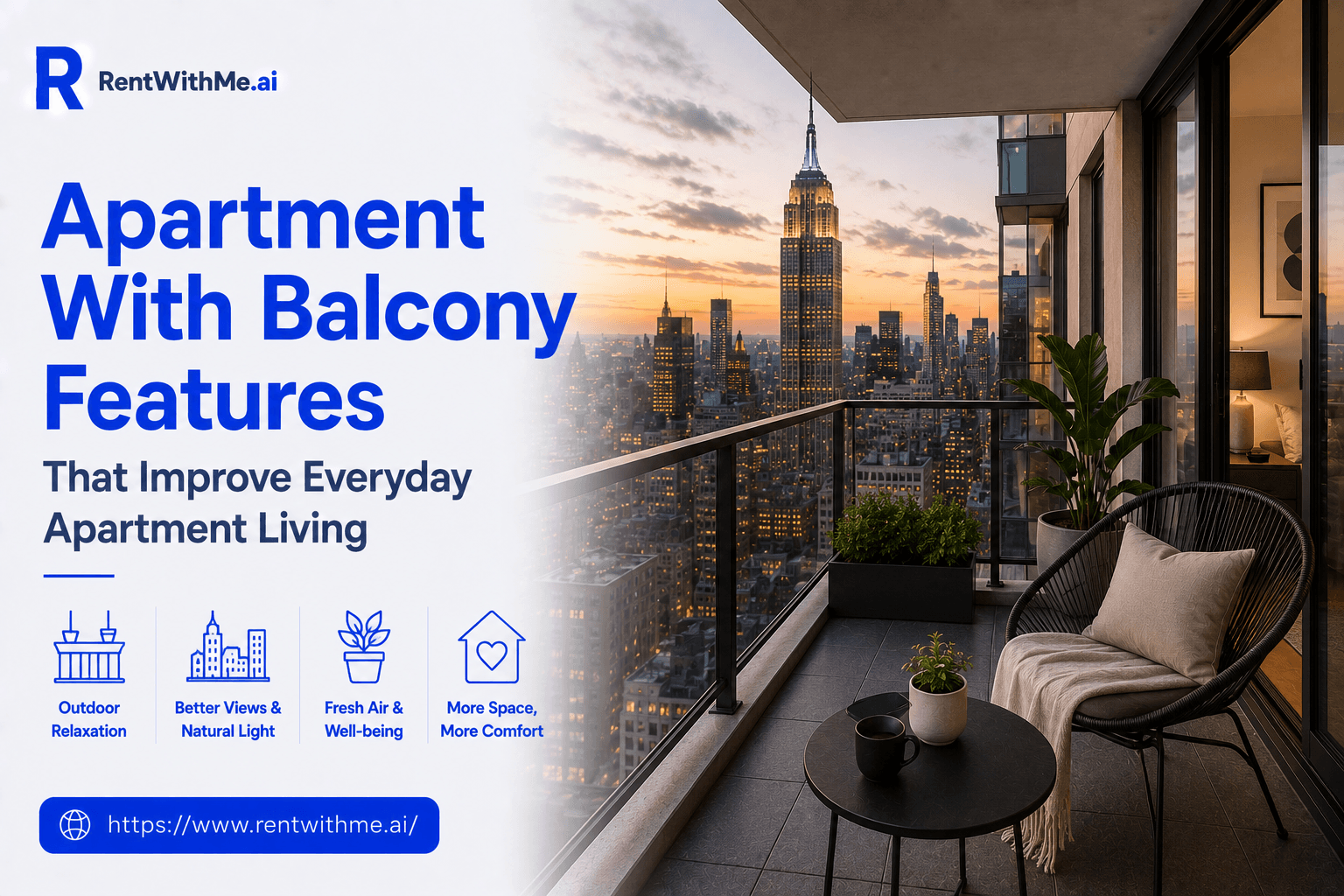
Apartment With Balcony Features That Improve Everyday Apartment Living
Introduction
A balcony can transform the way an apartment feels, especially in a dense city where private outdoor space is limited. Even a modest balcony can create a place to step outside, enjoy fresh air, grow a few plants, read in the morning, or simply take a break from being indoors.
For many renters, that extra space adds emotional and practical value. It can make a smaller apartment feel more open, improve the connection between indoor and outdoor living, and create a personal area that feels separate from the rest of the home.
However, not every balcony provides the same level of comfort or usefulness. Size, shape, orientation, privacy, exposure to wind, building height, and access from the apartment all influence whether the space becomes a meaningful part of daily life or something that is rarely used.
Safety and building rules matter just as much. A balcony may look attractive during a sunny afternoon tour, but restrictions on furniture, plants, grilling, decorations, pets, or other uses can change how valuable the space actually is.
Renters should therefore evaluate a balcony with the same care they use when comparing bedrooms, kitchens, storage, and building amenities. The best balcony is not necessarily the largest one. It is the one that fits naturally into the renter’s lifestyle and can be used comfortably throughout much of the year.
This guide explains the features that make a balcony more practical, comfortable, and valuable for everyday apartment living.

Why a Balcony Can Add Everyday Value to Apartment Living
Private outdoor space can change the experience of living in an apartment.
A balcony creates a convenient place to step outside without leaving the building. This can be especially valuable for renters who spend significant time at home or live in neighborhoods where nearby outdoor space is limited.
The psychological benefit can be just as important as the physical space.
Being able to open a door and move into a private outdoor area can make an apartment feel less confined. Natural light, fresh air, and an outdoor view may also improve the overall atmosphere of the home.
Balconies can support simple routines that add enjoyment to everyday life. A renter might drink coffee outside in the morning, read after work, care for plants, or spend a few quiet minutes outdoors before starting the day. The value comes from frequency.
An amenity used several times each week may contribute more to quality of life than a larger building feature used only occasionally.
Understanding the Difference Between Balconies, Terraces, and Private Outdoor Space
Rental listings may use several terms to describe outdoor areas. A balcony is usually a platform extending from or attached to the building and accessed directly from the apartment. It may be small or large depending on the property.
A terrace is often larger and may sit on a roof or setback portion of the building. Some terraces offer more flexibility for furniture and plants, although the exact design varies considerably.
Private outdoor space is a broader term. It can include balconies, terraces, patios, roof decks assigned to a unit, or other areas reserved for the renter’s use.
Do not rely on terminology alone. Two listings that both advertise balconies may offer dramatically different amounts of usable space. Always inspect the actual area and understand whether it is truly private, partially shared, or subject to building access rules.

Evaluating Balcony Size, Shape, and Usable Layout
Square footage does not tell the whole story. A narrow balcony may have enough area to look impressive in photographs while providing very little practical space for furniture.
Shape matters. A rectangular balcony often allows more flexible seating arrangements than an awkwardly angled space with structural columns or large mechanical elements.
Measure mentally how much room remains after adding the items you actually want to use. If you plan to place two chairs and a small table outside, imagine those items at realistic sizes instead of assuming everything will fit. Door swing deserves attention too.
An outward-opening door can reduce usable floor area, while a sliding door may preserve more space depending on the design. Walk onto the balcony during the tour.
Stand in different positions and imagine how the space would feel once furnished. A balcony should provide enough room to use comfortably rather than simply exist as an architectural feature.
How Natural Light and Outdoor Access Can Improve Daily Comfort
Balconies often influence the interior apartment as much as the outdoor area itself. Large balcony doors or windows may allow additional natural light into the living room or bedroom. This can make the apartment feel brighter and more open. The visual connection to the outdoors may also improve the sense of space, particularly in smaller apartments.
However, more sunlight is not always automatically better. Strong direct sun can increase indoor temperatures during certain times of the year. Renters should evaluate how the apartment responds to light throughout the day.
Consider which room connects to the balcony. Outdoor access from the living room often makes the space easier to use casually, while a balcony accessible only through a bedroom may feel more private but less convenient for entertaining. The best arrangement depends on how you expect to use the space.

Balcony Orientation, Sun Exposure, and Seasonal Use
The direction a balcony faces can influence how comfortable it feels at different times of day. Some balconies receive strong morning sun, while others become brightest later in the afternoon. Sun exposure can affect everything from temperature to plant selection.
A renter who enjoys breakfast outdoors may prefer different conditions from someone who wants shaded evening seating.Visit the apartment when sunlight is present if possible.
Ask yourself how long the balcony appears to receive direct sun and whether nearby buildings block or reflect light. Summer and winter conditions can differ significantly. A balcony that feels ideal in spring may become extremely hot during summer afternoons. Seasonal use should therefore be considered before deciding how much value to place on the space.
Privacy Considerations Between Neighboring Balconies
Private outdoor space does not always provide complete privacy. Some balconies sit very close to neighboring units, while others face directly toward windows across a courtyard or street. Stand near the railing and look around.
Consider what neighboring residents can see from their own balconies and windows. Side walls, partial partitions, and building orientation may improve privacy.
Open railings and closely spaced balconies can make the area feel much more exposed.
Privacy affects how often renters actually use the space.
A balcony that feels uncomfortable or overly visible may remain empty despite looking attractive in the listing.
Building rules may allow certain privacy solutions, but renters should verify what modifications or screens are permitted before planning them.

Safety Features Every Renter Should Inspect
Safety should always be evaluated carefully before considering appearance or decorative balcony features. Look carefully at railings, balcony doors, flooring, and the space’s overall physical condition.
Railings should appear secure, properly installed, stable, and consistently well maintained throughout. Visible damage, loose components, unusual gaps, or deterioration should be clarified before move-in.
The balcony floor should feel stable and provide adequate drainage during wet conditions. Standing water, damaged surfaces, or visible deterioration may require additional attention before renting.
Doors and locks should operate properly and provide reliable access and security consistently. Renters with children or pets should evaluate balcony openings and surrounding areas carefully.
Openings appearing ordinary to adults may create risks for smaller household members nearby. Consider these potential safety concerns carefully when inspecting the balcony before signing.
Do not make structural changes or install permanent barriers without receiving appropriate authorization. Safety solutions should remain consistent with building rules and applicable lease requirements.
Wind, Noise, and Weather Exposure at Different Building Heights
Higher floors often provide better views, but they can experience significantly stronger winds. Balconies feeling calm near street level may feel different several stories above ground.
Wind can affect furniture, plants, decorations, and overall balcony comfort throughout daily use. Lightweight items may require securing or avoidance depending on conditions and building rules.
Noise can also behave differently depending on the balcony’s location and building height. Some higher balconies feel quieter because they remain farther from busy pedestrian activity.
Other higher balconies may still receive substantial traffic, construction, or surrounding neighborhood noise. Weather exposure also deserves careful consideration throughout every season of the year.
Rain, snow, heat, and cold can determine how frequently balconies remain comfortably usable. A partially covered balcony may provide greater protection than one completely exposed outside.
Evaluate how the space behaves under ordinary city conditions throughout different weather patterns. This provides better insight than assessing the balcony only during perfect weather conditions.

Balcony Access From Living Rooms, Bedrooms, and Other Interior Spaces
Location inside the apartment directly influences how frequently residents actually use their balcony. Living-room balcony access makes outdoor space easier to incorporate into everyday routines comfortably.
You can step outside while reading, working, entertaining, or relaxing without crossing private rooms. This convenient access can make the balcony more practical for regular social activities.
Bedroom access creates a noticeably different experience that often feels quieter and more private. It may suit morning coffee or peaceful evening relaxation away from shared spaces.
However, guests may need to cross your bedroom when sharing the balcony socially. This arrangement can make entertaining less convenient when privacy remains an important priority.
Kitchen access can also provide useful convenience within certain apartment layouts and routines. Consider your intended balcony use carefully before deciding which access location works best.
A beautifully designed balcony may still feel inconvenient when access conflicts with your lifestyle. Choosing appropriate access helps ensure the outdoor space remains practical throughout everyday living.
How a Balcony Can Make a Small Apartment Feel Larger
Outdoor space can make an apartment feel noticeably larger and considerably less enclosed. This perceived expansion can improve how smaller interior rooms feel during everyday living.
Even without counting as interior space, balconies visually extend rooms beyond windows and doors. This visual connection can make compact apartments feel more open and spacious overall.
Furniture placement can strengthen this effect by improving the connection between indoor and outdoor areas. Keeping space near balcony doors open creates a stronger visual connection with outdoors.
Simple outdoor furniture can make balconies appear like natural extensions of interior living areas. Thoughtful furnishings can prevent the balcony from feeling like a separate unused platform.
However, renters should not choose tiny apartments solely because balconies make them appealing. Interior storage, bedroom size, kitchen function, and everyday movement remain equally important considerations.
The balcony should complement existing interior space rather than compensate for serious spatial limitations. A balanced apartment should provide functional interiors alongside useful and accessible outdoor space.

Evaluating Views Without Overpaying for Them
Views can strongly influence how much renters value balconies and private outdoor spaces. Open skylines, parks, water, courtyards, and neighborhood streets each create different viewing experiences.
A desirable view may improve daily enjoyment, especially when residents use balconies regularly. However, view premiums can substantially increase monthly rent within certain apartment properties.
Ask whether the view provides enough personal value to justify the additional price. The balcony’s overall quality may matter more than the scenery visible from it.
A comfortable, private balcony with modest neighborhood views may provide greater everyday usefulness. A tiny platform with dramatic skyline views may offer less practical value overall.
Also consider whether the current view could change during your future lease period. Future construction may alter sightlines in some neighborhoods and affect previously unobstructed views.
Renters should avoid treating an unobstructed view as permanently guaranteed without additional certainty. This consideration helps prevent overpaying primarily for scenery that could eventually change significantly.
Common Mistakes Renters Make When Evaluating Balcony Apartments
One common mistake is assuming private outdoor space automatically improves everyday apartment living. Balconies may be narrow, windy, noisy, exposed, or difficult to furnish comfortably.
Another mistake involves evaluating balcony space only during particularly pleasant or ideal weather. Conditions can change considerably during summer heat, winter cold, rain, and strong winds.
Renters also sometimes overlook building rules that directly affect how balconies are used. Restrictions may involve furniture, plants, decorations, storage, smoking, grilling, pets, or other activities.
Another common mistake is overlooking drainage when inspecting a balcony during apartment tours. Poor drainage can make balconies unpleasant after rain and potentially indicate maintenance concerns.
Some renters focus heavily on outdoor features while accepting major compromises inside apartments. A balcony should enhance a good home rather than distract from unsuitable interiors.

Comparing Balcony Value With Higher Rent
Private outdoor space often comes with a noticeable price premium for renters. The important question is whether the balcony provides enough value to justify it.
Compare two otherwise similar apartments before deciding whether the balcony deserves additional spending. If the balcony apartment costs more, calculate the annual difference before choosing.
Then consider how frequently you realistically expect to use the outdoor space. Frequent outdoor seating can provide substantial value for renters throughout suitable weather.
Someone rarely spending time outside may pay mainly for an attractive feature instead. In that situation, the practical benefit may not justify substantially higher rent.
Also consider alternatives that provide convenient outdoor access without requiring private balcony space. Shared rooftops, nearby parks, or neighborhood spaces may reduce private balcony importance.
The right decision ultimately depends on your lifestyle and expected outdoor-space usage. Consider practical habits rather than assuming every private balcony automatically deserves higher rent.
Benefits of Testing the Balcony Before Signing a Lease
A balcony should be experienced directly rather than simply viewed from inside. Step outside and spend enough time evaluating how the space actually feels.
Notice wind, noise, sunlight, privacy, railing height, flooring condition, and overall comfort carefully. These factors can significantly influence whether you will regularly enjoy using the balcony.
Close the balcony door and listen carefully for remaining exterior noise inside. Then open it and consider whether surrounding activity makes conversations difficult outside.
Look upward and downward to understand surrounding balconies and potential privacy concerns. Nearby balconies may create privacy issues or expose your space to falling debris.
Notice whether the balcony feels stable, comfortable, secure, and properly maintained overall. Several minutes outside can reveal details that listing photographs cannot show accurately.
Looking at Balcony Value Over the Entire Lease
Balcony value should be measured across different seasons and everyday household routines. Imagine realistically using the space throughout spring, summer, autumn, and winter months.
Consider how much furniture you would realistically maintain outside throughout those seasons. Also decide whether regular balcony cleaning fits comfortably into your normal routine.
Think carefully about your schedule and how frequently outdoor access would matter. Renters leaving early and returning late may use balconies primarily during weekends.
Someone working remotely may enjoy balcony access almost daily during suitable weather. Therefore, expected usage frequency should strongly influence how much value you assign.
The best balcony is not necessarily the most beautiful during an apartment tour. It should continue feeling practical and worthwhile several months after your move.
The next evaluation stage should examine how the balcony functions during regular use. Furniture, plants, rules, drainage, lighting, privacy, pets, weather, and maintenance influence usefulness.
These practical considerations determine whether balconies become genuine extensions of apartment living space. Otherwise, an attractive outdoor feature may remain largely underused throughout the entire lease.
Choosing Balcony Furniture That Fits the Space
Once balcony value is established, ensure the space supports your intended everyday use. Furniture choices matter because oversized pieces can make reasonable balconies feel unnecessarily cramped.
Start by measuring usable floor area carefully before purchasing any outdoor furniture pieces. Consider railings, door swing, projections, drains, and features reducing practical available space.
Compact furniture often works best when balcony dimensions or movement areas remain limited. Smaller pieces can provide comfort while preserving enough room for safe movement.
A bistro table, narrow bench, folding chair, or side table can work efficiently. Multifunctional furniture may also help compact balconies support several practical everyday purposes.
Avoid positioning furniture where entering or leaving through balcony doors becomes awkward. The balcony should remain easily accessible instead of becoming difficult outdoor storage space.
Consider how selected furniture materials handle regular exposure to changing outdoor weather conditions. Sun, rain, and temperature changes require different maintenance than typical indoor furniture.
Always follow building rules concerning outdoor furniture and other balcony furnishings carefully. Properties may restrict certain items for safety, appearance, maintenance, or operational reasons.
Creating Comfortable Seating Without Overcrowding
Comfort matters greatly, but adding more seating does not automatically improve balconies. Smaller spaces often feel better with fewer thoughtfully positioned and comfortable seating pieces.
Consider who will actually use the balcony regularly before selecting your seating arrangement. Individual renters may need only one comfortable chair and one compact surface.
Couples may prefer two compact seats arranged while preserving comfortable walking space nearby. Renters entertaining occasionally should consider flexible seating that can disappear when unnecessary.
Folding chairs can be stored when unnecessary, keeping balconies open during everyday use. Leave enough room for standing, turning, and safely accessing the balcony door.
The goal is creating an outdoor area that feels comfortable rather than overcrowded. Thoughtful seating should improve relaxation without reducing practical movement throughout the balcony space.
Using Plants and Greenery Responsibly on Apartment Balconies
Plants can make balconies feel noticeably more private, comfortable, and visually inviting. They can soften hard surfaces while adding natural elements to urban apartment environments.
However, plant choices should reflect actual conditions found throughout the specific balcony. Sun exposure, wind, temperature, and available space influence which plants can thrive.
Containers also require careful placement to maintain safety and practical balcony movement. Heavy pots limit rearrangement, while lightweight containers may become unstable during strong winds.
Water drainage deserves attention when maintaining plants and containers on apartment balconies. Avoid runoff affecting neighbors below or potentially damaging balcony flooring and surrounding surfaces.
Building rules may restrict hanging planters, railing containers, or potentially unsafe outdoor items. Choose greenery that improves your balcony without creating unnecessary maintenance or safety problems.
Understanding Building Rules for Decorating and Outdoor Items
Balconies may feel private, but they remain part of professionally managed residential buildings. Lease terms or building policies may regulate what residents place outside apartments.
Restrictions may cover grills, flames, storage, rugs, furniture, screens, plants, or lighting. Satellite equipment and other decorative items may also face specific building restrictions.
Do not assume common residential patio items are automatically permitted on apartment balconies. Ask about relevant rules before signing when outdoor use matters significantly to you.
These policies may address fire safety, structural concerns, drainage, appearance, or neighbor comfort. Understanding restrictions early prevents planning balcony features that property management ultimately prohibits.
Evaluating Balcony Flooring, Drainage, and Maintenance
Balcony flooring deserves the same careful inspection given to flooring inside apartments. Look for cracks, loose materials, stains, uneven surfaces, and possible water accumulation.
Drainage is particularly important because standing water can reduce practical balcony usability. Persistent water after rain may also indicate maintenance concerns requiring further clarification.
Locate visible drains and confirm they do not appear obstructed or poorly maintained. Avoid covering drainage areas with furniture, rugs, or planters that restrict water flow.
Outdoor flooring materials also influence how easily renters can maintain balcony cleanliness. Some surfaces sweep easily, while others collect dirt and outdoor debris more quickly.
Ask who holds responsibility for routine cleaning and other balcony maintenance requirements. Renters may handle cleanliness while structural repairs follow established building maintenance procedures.
Lease terms and building policies should clarify responsibilities for structural balcony maintenance issues. Understanding these responsibilities helps prevent confusion when repairs become necessary during tenancy.
Balcony Lighting and Evening Use
Lighting can determine whether balconies remain comfortable and practically usable after sunset. Some balconies include exterior fixtures that residents can control from inside apartments.
Other balconies depend mainly on surrounding building lights or nearby street illumination. Evaluate evening brightness when possible before deciding whether the balcony suits your routine.
Poor lighting can make outdoor areas feel less comfortable during evening hours. Excessively bright exterior lights can reduce privacy while creating unpleasant glare conditions.
If decorative lighting matters, confirm which lighting options the building permits beforehand. Renter-friendly battery options may work without requiring permanent electrical or structural modifications.
Permanent attachments or electrical connections should always comply with applicable property rules. Keep cords and equipment appropriately protected from rain and other weather exposure.
A well-lit balcony can become useful during evenings without requiring excessive decorative additions. Appropriate lighting should improve comfort while preserving safety, privacy, and practical outdoor use.
Privacy Screens and Renter-Friendly Solutions
Balcony privacy often becomes a significant concern shortly after renters move inside. Neighboring balconies and nearby windows can create direct sightlines into outdoor spaces.
Privacy screens, curtains, plants, or removable solutions may help depending on building policies. However, renters should confirm permitted options before installing anything on balcony structures.
Railing-mounted screens may face restrictions because of wind, appearance, or safety concerns. Freestanding plants or strategic furniture placement may provide simpler privacy alternatives for renters.
Consider privacy from inside the apartment when evaluating the balcony’s location and orientation. Living-room or bedroom balconies can increase interior visibility when window coverings remain open.
The strongest privacy solution improves comfort without blocking valuable natural light unnecessarily. It should also avoid introducing new safety concerns or violating building regulations.
Balcony Considerations for Pet Owners
Pet owners should never assume balconies are automatically safe environments for their animals. Railings, gaps, furniture, height, and door access may create significant risks.
Cats may climb or jump farther and higher than owners sometimes expect. Dogs may squeeze through openings or react unpredictably to surrounding activity below.
Never leave animals unattended simply because a balcony initially appears safely enclosed. Outdoor furniture can also provide animals with easier access to higher railings.
Any pet-safety modifications should follow applicable lease terms and established building rules. Unauthorized structural changes should never become necessary for safely using balcony spaces.
If appropriate safety requires unauthorized modifications, unsupervised pet use may remain unsuitable. Treat balconies as elevated outdoor areas rather than ordinary extensions of interior floors.
Managing Wind, Rain, Snow, and Seasonal Conditions
Weather conditions strongly determine how frequently balconies remain practical and comfortable for residents. Wind can become particularly strong on balconies located at higher building elevations.
Lightweight furniture, cushions, decorations, and planters may shift dangerously during stronger winds. Secure or remove these items according to weather conditions and building requirements.
Rain creates additional concerns involving drainage, furniture protection, and regular balcony maintenance. Water-resistant materials reduce upkeep, while cushions may require protected indoor storage instead.
Snow and ice can make balcony surfaces slippery, uncomfortable, and potentially hazardous. Follow building guidance regarding snow removal and avoid methods potentially damaging balcony surfaces.
Seasonal planning helps balconies remain useful without creating unnecessary risks or maintenance issues. Adjust outdoor items throughout the year according to changing weather and building guidance.
Creating a Simple Outdoor Dining Area
Even relatively small balconies can sometimes provide enough space for outdoor meals. Compact tables and chairs may support breakfast, coffee, or casual evening dinners comfortably.
Choose furniture that does not obstruct balcony doors or important walking paths nearby. Avoid arrangements requiring several items to move whenever you access the outdoor space.
Consider wind exposure and practical food service when planning an outdoor dining arrangement. Highly exposed balconies may feel less comfortable than partially sheltered spaces during meals.
Outdoor dining provides meaningful value when setup remains simple and consistently convenient. The area should encourage regular use rather than requiring substantial preparation each time.
Using a Balcony as a Remote-Work Break Space
Remote and hybrid workers can receive distinctive benefits from convenient private balcony access. The balcony does not necessarily need to function as an outdoor office.
Simply stepping outside between work tasks can provide a helpful break from indoors. This brief separation may improve how remote workers experience their home environment daily.
When working outside occasionally, consider glare, internet, noise, seating comfort, and temperature. These practical conditions determine whether temporary outdoor work feels productive and comfortable.
Keep laptop setups temporary enough to prevent office equipment from cluttering balcony areas. The strongest benefit may simply come from creating separation during working periods.
Even short outdoor breaks can create useful contrast between work and personal time. Balcony access can therefore support remote routines without becoming a permanent workspace.
Balcony Storage Without Turning the Space Into a Closet
Outdoor storage can seem particularly tempting for renters living in smaller apartments. However, excessive boxes and equipment quickly reduce a balcony’s practical living value.
Building policies may also restrict storage because of safety or appearance requirements. Structural considerations and fire regulations can further limit acceptable balcony storage arrangements.
When storage is permitted, keep outdoor items minimal, organized, and appropriately contained. Weather-resistant furniture with hidden storage may preserve appearance while adding practical flexibility.
Avoid storing items that leak, attract pests, block drainage, or blow away. Balconies should remain usable living spaces rather than becoming apartment overflow storage areas.
Evaluating Balcony Doors and Locks
The balcony door deserves more careful attention than many prospective renters typically provide. Open and close the door yourself while completing the apartment tour.
Make sure the door operates smoothly and locks securely without unnecessary effort. Sliding doors should move easily while appearing properly aligned within their tracks.
Check weather sealing carefully because poor seals can affect everyday interior comfort. Drafts, moisture, and exterior noise may enter apartments through poorly sealed balcony doors.
If operation feels difficult, ask whether maintenance will address problems before move-in. Balcony usefulness decreases substantially when its primary access point becomes inconvenient or unreliable.
Balcony Drainage After Heavy Rain
When possible, ask whether balconies have experienced drainage problems during heavy rainfall periods. Standing water can create slippery conditions while making outdoor furniture harder to maintain.
Drainage problems may also affect balcony surfaces and surrounding materials over extended periods. Look carefully for water stains near walls, drains, or balcony door thresholds.
These signs do not always indicate serious problems but deserve additional discussion. Renters should avoid modifying drainage systems or creating unauthorized makeshift repair solutions.
Structural drainage concerns should generally be reported through appropriate property management channels. Proper professional maintenance protects balcony surfaces while addressing underlying drainage problems correctly.
Questions to Ask During an Apartment Tour About the Balcony
A balcony tour should involve more than simply admiring the surrounding outdoor view. Ask practical questions explaining exactly how residents may use the balcony space.
Useful questions include:
- Is the balcony exclusively for this apartment?
- Are there rules about furniture or outdoor rugs?
- Are plants permitted?
- Can planters be attached to railings?
- Are grills or open flames prohibited?
- Are privacy screens allowed?
- Who handles structural balcony maintenance?
- How is drainage managed?
- Are there restrictions on lighting or decorations?
- Can pets use the balcony?
- Are there seasonal rules for snow or ice?
- Has the balcony had any recent maintenance issues?
- Does the building inspect balconies periodically?
Compare verbal answers with written policies whenever specific balcony issues affect your decision. Written rules can clarify restrictions that may otherwise remain uncertain before move-in.
The balcony remains part of your rental, so understand permitted usage beforehand. Clear expectations help prevent disappointment about outdoor activities after signing the lease.
Comparing Balconies During Apartment Tours
Two similarly sized balconies can deliver completely different levels of practical everyday value. One may provide strong sunlight, useful privacy, and a practical rectangular shape.
Another may face traffic, receive strong winds, and provide limited usable floor area. Similar dimensions therefore do not necessarily create equally functional outdoor living spaces.
Use consistent criteria when comparing balconies across different apartments and residential properties. Consider size, layout, privacy, views, sunlight, noise, wind, access, condition, and drainage.
Building rules should also influence how useful each balcony can realistically become. Do not rank balconies based entirely on appearance or impressive listing photographs.
The most photogenic balcony may not provide the easiest everyday outdoor experience. Practical conditions usually determine whether residents continue using balconies throughout their leases.
When a Small Balcony Can Be Better Than a Large One
Larger balconies may sound automatically superior, but practical quality matters more than size. Smaller balconies can provide excellent value when their layouts support comfortable everyday use.
Good privacy, pleasant sunlight, and direct living-room access can increase practical usefulness substantially. These qualities may make compact balconies more enjoyable than larger exposed terraces.
Larger terraces may experience stronger winds, require maintenance, or feel overly exposed nearby. More outdoor area may also encourage unnecessary furniture purchases and additional plant maintenance.
The better balcony is ultimately the one you will use consistently throughout tenancy. Usability should outweigh raw dimensions when comparing private outdoor spaces between apartments.
When Paying More for a Balcony Makes Sense
A balcony premium can make sense when outdoor space improves your everyday routine. Remote workers, plant enthusiasts, and residents valuing private outdoor time may benefit substantially.
Residents of compact apartments may also appreciate additional usable outdoor space more frequently. Balconies can improve natural light while creating stronger perceptions of interior openness.
Compare the annual price difference between balcony apartments and otherwise similar alternatives. Then estimate how frequently you realistically expect to use that private outdoor space.
A balcony used several times weekly may justify a moderate rental premium comfortably. Occasional use makes the same additional cost more difficult to justify financially.
When a Balcony May Not Be Worth the Extra Rent
A balcony provides limited value when practical conditions make regular use difficult. Strong winds, poor privacy, traffic noise, sunlight, or restrictive rules reduce enjoyment.
Lifestyle also matters when deciding whether private outdoor space deserves additional rental spending. Renters spending little time home may receive less benefit than remote workers.
Shared outdoor amenities can also change whether a private balcony premium seems worthwhile. Comfortable rooftops or courtyards may provide sufficient outdoor access without private balcony costs.
The decision should reflect realistic use rather than excitement experienced during apartment tours. A desirable feature only creates value when it supports your actual lifestyle consistently.
Balcony Maintenance as Part of Everyday Living
Private outdoor space creates another area requiring regular care and consistent household attention. Leaves, dust, debris, pollen, and weather exposure can gradually make balconies dirty.
Regular sweeping and light cleaning can help maintain the balcony’s overall condition. Follow building guidance carefully regarding appropriate water use during routine balcony cleaning.
Pouring large amounts of water onto balconies may affect neighbors below or drainage. Plant care can also create loose soil, runoff, and additional cleaning needs.
Suitable containers and tidy maintenance help protect your balcony and neighboring outdoor spaces. A balcony becomes easier to enjoy when maintenance remains simple and consistent.
Preparing for the Final Balcony Comparison
Balcony value should now be measured through practical use rather than appearance alone. Furniture fit, privacy, plants, drainage, lighting, weather, safety, rules, access, and maintenance matter.
The strongest balcony usually offers useful comfort while requiring relatively few practical compromises. It should feel safe, functional, comfortable, and manageable without requiring complicated modifications.
The apartment itself still remains the larger and more important rental decision. A great balcony should strengthen a suitable rental rather than conceal serious interior compromises.
The final comparison should include renter examples, questions, checklists, mistakes, and practical considerations. These factors help determine whether private outdoor space provides sufficient long-term rental value.
Real-Life Balcony Apartment Examples for Different Renters
Balcony value becomes clearer when considering how different renters would actually use one. Remote workers, couples, plant enthusiasts, and busy professionals may value balconies very differently.
The following fictional situations show why lifestyle should influence your acceptable balcony premium. Practical usage matters more than assuming every renter benefits equally from private outdoor space.
A Remote Worker Chose a Smaller Apartment With a Balcony
Nicole worked remotely most weekdays while comparing two apartments with similar monthly costs. One offered more interior space, while another provided a compact living-room balcony.
She realized private outdoor access would provide useful breaks throughout her regular workday. The balcony comfortably accommodated one chair and small table without becoming an office.
Nicole chose the balcony apartment because she expected regular and meaningful everyday use. Its value came from convenient environmental change rather than simply additional square footage.
A Couple Prioritized a Usable Layout Over a Bigger Balcony
Marcus and Ava toured a large balcony apartment offering impressive surrounding city views. Unfortunately, the balcony was narrow, windy, and lacked privacy from neighboring units.
Another apartment provided a smaller rectangular balcony fitting two chairs and one table. It also offered greater privacy and convenient direct access from the living room.
They selected the smaller balcony because its practical design offered greater everyday usefulness. Their experience shows usable dimensions and comfort can matter more than outdoor size.
A Plant Enthusiast Focused on Sunlight and Building Rules
David wanted an apartment supporting a modest and manageable collection of outdoor plants. He evaluated sunlight, wind exposure, drainage, and building rules instead of balcony size.
One building had attractive outdoor space but significantly restricted railing-mounted planter installations. Another allowed suitable freestanding containers and offered conditions better supporting his preferred plants.
David chose the second apartment because its balcony supported his intended gardening use. He avoided choosing a space that required questionable modifications or violated building rules.
A Busy Professional Decided the Balcony Premium Was Not Worth It
Melissa loved one balcony apartment, but its monthly rent was considerably higher overall. She worked long hours outside home and frequently traveled during weekends throughout the year.
After considering realistic usage, she expected the balcony to remain unused much of time. Melissa chose the lower-cost apartment and prioritized more useful interior space instead.
Her decision shows attractive amenities do not automatically justify higher ongoing housing expenses. Practical frequency of use should determine whether balcony premiums provide meaningful rental value.
Frequently Asked Questions About Apartments With Balconies
Balcony apartments create questions renters may overlook while evaluating ordinary interior apartment features. Understanding practical details helps determine whether private outdoor space improves everyday rental living.
Is a balcony worth paying higher rent for?
It can be worthwhile when regular use justifies the additional affordable monthly rent. Private outdoor space especially benefits remote workers, plant enthusiasts, and smaller-apartment residents.
However, balcony premiums become harder to justify when the outdoor area remains rarely used. Expected frequency should therefore guide how much additional rent you willingly pay.
Does a bigger balcony always provide more value?
No, because size alone does not determine practical usefulness or everyday balcony comfort. Shape, privacy, orientation, wind exposure, access, and building rules may matter substantially more.
A smaller rectangular balcony fitting comfortable seating can provide greater everyday practical usefulness. Larger but awkward outdoor areas may offer less value despite additional square footage.
Can renters decorate apartment balconies?
That depends entirely on applicable lease terms and specific building rules for balconies. Properties may regulate furniture, planters, lighting, rugs, privacy screens, and exterior attachments.
Confirm the relevant building policies before purchasing or installing outdoor decorative balcony items. Written restrictions can prevent unexpected problems after moving into your selected rental.
Can renters grill on an apartment balcony?
Do not assume grilling or related cooking equipment is permitted on apartment balconies. Fire requirements and building policies may restrict grills, flames, fuels, and related equipment.
Renters should follow applicable laws alongside all specific building policies governing balcony usage. Confirm permitted activities before planning any outdoor cooking arrangement within the rental property.
Can pets safely use balconies?
Pet owners should evaluate balcony safety carefully before allowing regular animal access outside. Railing gaps, climbing opportunities, furniture, height, and layout can create significant risks.
Pets should never be considered automatically safe simply because balconies appear properly enclosed. Supervision and permitted safety arrangements remain important for responsible balcony use with animals.
What should I inspect on a balcony before renting?
Inspect railings, flooring, drainage, doors, locks, privacy, noise, sunlight, wind, and maintenance. These factors strongly influence balcony safety, comfort, usability, and long-term practical value.
Also review building restrictions affecting how you intend to use the balcony regularly. Understanding limitations beforehand prevents disappointment after signing and moving into the apartment.
Does a balcony count as usable living space?
A balcony can increase apartment enjoyment without becoming enclosed interior residential living space. Renters should therefore evaluate outdoor and interior space as separate housing considerations.
This distinction prevents attractive balconies from distracting renters from insufficient indoor apartment space. Interior functionality should remain strong even when private outdoor space provides additional enjoyment.
Complete Balcony Apartment Evaluation Checklist
A consistent checklist makes comparing balcony apartments easier and reduces emotional decision-making considerably. It helps renters evaluate practical outdoor functionality instead of focusing mainly on views.
- Confirm that the outdoor area is private to the apartment.
- Inspect the balcony flooring and overall condition.
- Look carefully at railings and visible safety features.
- Test the balcony door and lock.
- Evaluate the usable width and depth.
- Consider realistic furniture placement.
- Check whether the door reduces usable floor space.
- Evaluate privacy from neighboring balconies and windows.
- Notice traffic and neighborhood noise.
- Consider wind exposure.
- Determine approximate sun exposure.
- Think about summer and winter conditions.
- Check visible drainage areas.
- Look for signs of standing water or staining.
- Ask about furniture restrictions.
- Review rules regarding plants and planters.
- Confirm whether privacy screens are permitted.
- Understand rules for lighting and decorations.
- Review pet-related restrictions where relevant.
- Ask about routine and structural maintenance.
- Consider how easily the balcony can be cleaned.
- Evaluate the room from which the balcony is accessed.
- Compare the balcony with shared outdoor amenities.
- Calculate any meaningful rent premium.
- Consider how frequently you will realistically use the space.
The goal is not finding a balcony performing perfectly within every evaluation category. Instead, identify features that matter most and ensure those areas perform strongly.
Expert Tips for Deciding Whether a Balcony Is Worth Higher Rent
Begin by separating the balcony’s emotional appeal from its recurring practical everyday value. A pleasant balcony tour can create an immediate positive impression during favorable weather.
Before letting that feeling influence your decision, imagine normal weekly balcony usage realistically. Consider ordinary workdays, weekends, weather changes, maintenance needs, and seasonal outdoor conditions.
Calculate the rent difference carefully between balcony apartments and genuinely comparable rental alternatives. A $150 monthly premium becomes $1,800 throughout a complete twelve-month lease.
A $300 monthly premium becomes $3,600 over the same twelve-month rental period. These annual figures make balcony value easier to compare against other housing improvements.
Ask what the extra spending actually provides throughout your typical weekly routine. Regular breakfast, reading, plants, relaxation, or work breaks may create meaningful value.
Compare balcony benefits with other improvements available within the same overall housing budget. Additional space, laundry, shorter commutes, or better neighborhoods may provide stronger practical value.
Finally, evaluate affordability separately from how desirable the private balcony personally feels. An amenity can remain attractive without becoming financially sensible for your particular budget.
Common Balcony-Related Rental Mistakes to Avoid
Private outdoor space can create excitement that causes renters to overlook practical concerns. One frequent mistake involves evaluating balconies mainly according to their impressive surrounding views.
Dramatic skylines may feel appealing while the balcony remains windy, narrow, or exposed. Practical comfort should therefore receive equal attention during every balcony apartment evaluation.
Another common mistake involves purchasing outdoor furniture before taking accurate balcony measurements first. Furniture often appears smaller online than after placement within compact outdoor rental spaces.
Renters also sometimes assume screens, planters, lights, and decorations are automatically permitted outside. Building policies should be reviewed before planning balcony modifications or decorative outdoor arrangements.
The table below highlights several common problems and better approaches.
| Common MistakeBetter Approach | |
|---|---|
| Choosing based mainly on the view | Evaluate comfort, layout, privacy, and usability |
| Assuming a large balcony is automatically better | Measure practical usable space |
| Ignoring wind conditions | Experience the balcony directly when possible |
| Buying furniture before measuring | Record dimensions before purchasing |
| Assuming decorations are permitted | Review building rules first |
| Blocking drainage with furniture or rugs | Keep drainage areas unobstructed |
| Ignoring balcony door condition | Test operation and locking |
| Overlooking seasonal conditions | Consider year-round exposure |
| Treating the balcony as unrestricted storage | Follow property rules and preserve usable space |
| Paying a large premium without estimating usage | Compare annual cost with realistic use |
Most balcony mistakes can be prevented during the apartment search before move-in begins. Careful evaluation reduces costly surprises after committing to the rental property.
Additional Ways to Make a Small Balcony More Useful
Small balconies usually benefit from simplicity rather than excessive furniture or complicated arrangements. Choose the single outdoor activity that matters most for your normal routine.
A balcony designed mainly for morning coffee can require very little outdoor furniture. Folding pieces can provide additional flexibility while preserving useful open space for movement.
A compact chair or movable table lets the balcony adapt without permanent crowding. Vertical visual interest can also improve smaller outdoor spaces when building policies permit.
Appropriately placed greenery can add character while preserving more valuable balcony floor space. Keep the balcony center relatively open whenever the layout reasonably allows it.
Clear walking areas make modest balconies feel more comfortable and easier to use. Avoid filling every corner because intentional empty space can improve perceived outdoor openness.
Creating a Balcony for Morning Use
Morning balcony routines can remain very simple while still providing meaningful everyday enjoyment. A comfortable chair and small table may support coffee, breakfast, or quiet time.
Sun orientation becomes particularly important for renters planning regular early-morning balcony use. Some renters enjoy morning sunlight, while others may strongly prefer cooler shaded conditions.
Temperature should also influence whether morning outdoor use remains comfortable throughout warmer seasons. Very bright balconies can become unpleasantly warm early during hotter summer months.
The best morning arrangement should require very little preparation before regular daily use. Complicated setups may gradually discourage renters from using outdoor space every morning consistently.
Creating a Balcony for Evening Relaxation
Evening balcony users should prioritize lighting, privacy, neighborhood noise, and comfortable seating arrangements. Street-facing balconies may remain active while courtyard balconies can feel noticeably quieter.
Comfortable seating usually provides more value than numerous purely decorative outdoor balcony items. One supportive chair can encourage longer use without occupying excessive valuable floor space.
Confirm permitted balcony lighting options with building management before installing decorative lighting products. Appropriate lighting can extend evening use while maintaining comfort, privacy, and building compliance.
Making Balcony Furniture Work Harder
Multifunctional furniture can provide meaningful advantages within relatively small private outdoor spaces. A compact bench may combine comfortable seating with permitted concealed outdoor storage.
A folding table can provide temporary dining or laptop space without blocking circulation. Stackable or folding chairs can accommodate occasional guests while preserving everyday balcony flexibility.
The most important consideration remains furniture stability under actual outdoor weather conditions. Furniture should suit wind, rain, sunlight, and other conditions affecting the balcony.
Do not choose outdoor pieces solely because they are lightweight and easily movable. Extremely lightweight furniture can create additional concerns during periods of stronger balcony winds.
Protecting the Interior Near the Balcony
Balcony usage can directly affect the interior room immediately beside the outdoor doorway. Rainwater, dirt, leaves, and outdoor debris can sometimes be tracked inside apartments.
A practical entry arrangement helps keep nearby interior flooring cleaner during regular balcony use. Inspect flooring near balcony doors for potential signs of previous moisture exposure carefully.
Keep door tracks appropriately clean and report problems rather than attempting structural repairs yourself. Curtains and blinds near balcony doors may receive substantial direct sunlight exposure.
Consider how indoor and outdoor spaces function together instead of treating them separately. This approach helps protect interior finishes while improving convenient everyday balcony access.
Balcony Safety for Households With Children
Families with young children should make balcony safety a major rental evaluation priority. Railings and barriers require careful inspection for gaps, damage, and climbing opportunities.
Adults should also consider whether outdoor furniture creates easier access to railing heights. Standard balcony configurations may not be appropriate for every child or household situation.
Supervision remains important whenever children have access to elevated private outdoor apartment spaces. Discuss additional protective needs with property management instead of making unauthorized structural modifications.
Balcony door access also deserves careful attention during the family’s overall safety evaluation. Families should understand how securely doors operate before choosing a balcony apartment.
A balcony can remain valuable for families when appropriate safety receives priority throughout use. Decoration and furniture choices should always remain secondary to secure outdoor conditions.
Balcony Considerations for Renters Who Entertain
Renters who enjoy hosting may view balconies as valuable additional social living areas. Consider how many guests can comfortably occupy the balcony without creating unsafe crowding.
Interior access becomes important when balconies are intended to support regular social gatherings. Living-room access usually integrates more naturally than balcony access through private bedrooms.
Building noise policies remain applicable even when residents use private outdoor balcony spaces. Consideration for neighboring residents should remain part of every balcony gathering or event.
Balconies do not need to accommodate large groups to provide meaningful entertaining value. Seating for several people can still introduce useful variety to smaller household gatherings.
Balcony Considerations for Remote Workers
Remote workers may benefit more frequently from balconies because they spend additional time home. However, using balconies as permanent outdoor offices is not always practical.
Sun glare can affect screens, while exterior noise may interrupt important professional calls. Weather changes can also make prolonged outdoor working arrangements unreliable throughout the year.
Many remote workers may therefore value balconies most as convenient short-break areas. Stepping outside between meetings can provide valuable separation during extended home working periods.
If occasionally working outside, choose furniture supporting temporary rather than permanent office use. Environmental change may provide greater benefit than attempting several hours of outdoor work.
Balcony Considerations for Couples and Roommates
Shared households should discuss expected balcony usage before purchasing furniture or planning decorations together. One resident may prefer plants while another values open seating and flexibility.
Roommates may view balconies socially while adjacent-bedroom occupants may prefer quieter outdoor use. Discussing expectations early can prevent overcrowding and unnecessary disagreements after moving.
Avoid allowing one person’s hobby or storage needs to dominate shared balcony space. Balconies usually work best when their purpose remains flexible for every household member.
Balcony Considerations for Older Adults
Older renters may prioritize stable flooring, easy access, comfortable seating, and manageable maintenance. Difficult thresholds or awkward steps can reduce how frequently balconies are used.
Strong wind can also make certain outdoor furniture arrangements feel uncomfortable or unstable. Smaller, easier balconies may provide more practical value than larger maintenance-intensive terraces.
Seating should prioritize everyday comfort and stability rather than visual appearance alone. The best balcony remains one supporting actual regular use throughout the rental period.
Comparing a Private Balcony With a Shared Rooftop
Some rental decisions involve choosing between private balconies and larger shared outdoor spaces. Private balconies provide immediate access without traveling elsewhere throughout the residential building.
Residents also avoid waiting for seating or sharing space with other building occupants. Shared rooftops may instead provide considerably more outdoor space and broader surrounding views.
Larger rooftop seating and amenities may offer features impossible on smaller private balconies. The tradeoff primarily involves privacy, convenience, and how frequently residents use outdoor space.
Renters wanting short outdoor breaks may use private balconies more frequently than rooftops. Residents preferring larger social environments may receive stronger value from shared rooftop spaces.
Compare outdoor options according to actual habits rather than assuming private automatically means better. The strongest choice depends on convenience, privacy, size, social preferences, and realistic usage.
When a Balcony Can Improve a Smaller Apartment
A balcony can provide significant value when an apartment has limited interior square footage. Large glass doors and outdoor views can make living areas feel more open.
The balcony can also create separate space for activities otherwise happening inside regularly. However, outdoor space should never replace essential interior functionality within the apartment.
Inadequate storage, tiny bedrooms, or insufficient living areas remain important interior limitations. A balcony alone cannot fully solve those fundamental problems within the apartment.
Compare the complete floor plan before deciding how much balcony space truly matters. Private outdoor space works best when enhancing an already functional and comfortable apartment.
When a Balcony Should Not Influence Your Decision Too Much
Some renters simply may not use a private balcony frequently during their lease. Limited balcony usage can significantly reduce the practical value of paying additional rent.
Frequent travel, outdoor maintenance preferences, or nearby parks may reduce balcony importance considerably. Climate conditions and exposure can further limit how regularly the balcony gets used.
An extremely windy or noisy balcony may remain empty throughout much of tenancy. Attractive appearance alone does not guarantee that outdoor space will provide practical value.
Avoid paying for an imagined lifestyle that differs from your actual daily routine. Apartment searches often encourage renters to picture idealized versions of themselves living there.
Choose apartment features based on current habits and realistic expectations for future routines. Practical usage should guide decisions more strongly than attractive but unlikely lifestyle possibilities.
Evaluating the Annual Cost of a Balcony Premium
Monthly balcony premiums can appear smaller than their true annual financial impact suggests. Annual calculations provide clearer perspective when comparing otherwise similar apartments with balconies.
Suppose one apartment costs $2,900 monthly while a comparable balcony apartment costs $3,100. The difference between those two apartments equals $200 in additional monthly rent.
Across twelve months, that balcony premium totals $2,400 when properties remain otherwise comparable. This calculation does not automatically make the higher-priced apartment a poor financial choice.
Frequent balcony use and strong outdoor preferences can justify additional housing costs reasonably. Regular usage may make the premium worthwhile for renters valuing private outdoor access.
The calculation simply makes the financial tradeoff easier to understand and evaluate clearly. Compare annual balcony costs with other financial priorities before making your final decision.
Final Advice Before Renting an Apartment With a Balcony
Treat the balcony as functional apartment space rather than merely a decorative bonus. Spend enough time outside during tours to understand actual conditions and comfort.
Evaluate wind, noise, privacy, sunlight, dimensions, drainage, railings, and balcony access carefully. Imagine realistic outdoor furniture placement instead of judging an empty balcony floor alone.
Ask about building rules before planning plants, screens, decorations, lighting, pets, or furnishings. Property restrictions can strongly influence whether your intended balcony setup remains realistically possible.
Consider seasonal conditions because balcony comfort can change significantly throughout the year. Pleasant spring weather may differ substantially from summer heat or winter conditions.
Calculate any meaningful balcony rent premium across the complete twelve-month lease period. Then decide whether your expected frequency of use reasonably justifies that additional cost.
Most importantly, compare balcony value with the complete apartment and its practical fundamentals. Location, affordability, layout, transportation, storage, and building condition should remain central priorities.
Conclusion
An apartment balcony can provide especially valuable private outdoor access within New York City. Stepping outside can offer fresh air, sunlight, plants, coffee, or relaxing breaks.
However, the actual benefit depends heavily on how usable the balcony remains daily. Outdoor space should support regular routines rather than simply appear attractive during tours.
Balcony size matters, but shape, privacy, sunlight, wind, noise, access, and drainage matter. Building rules can also strongly affect how comfortably residents use outdoor space.
A modest balcony with comfortable conditions may outperform a larger difficult outdoor area. Usability often creates more lasting value than impressive dimensions or dramatic balcony views.
Safety deserves equal attention when evaluating balconies before signing any rental agreement. Inspect railings, flooring, doors, locks, drainage, weather exposure, and household safety needs.
Renters with children or pets should evaluate these safety considerations especially carefully beforehand. Household needs can significantly influence whether balcony access remains appropriate and comfortably manageable.
Furniture and decorations should improve balcony usability without overwhelming limited available outdoor space. Simple seating, plants, and compact tables may create an enjoyable balcony extension.
Building rules remain important even when the balcony belongs privately to your apartment. Restrictions can affect grills, screens, planters, lighting, decorations, storage, and other outdoor items.
Understanding these limitations beforehand helps determine whether your intended balcony setup remains realistic. Written rules should guide planning rather than assumptions based solely on balcony appearance.
Renters should also evaluate balcony value from a practical financial perspective carefully. Significant balcony premiums should be annualized and compared with expected regular outdoor usage.
Remote workers, plant enthusiasts, or frequent balcony users may reasonably justify higher monthly rent. Renters spending little time home may receive stronger value from cheaper alternatives.
A balcony should never distract renters from the fundamentals of a suitable apartment. The rental still needs affordability, interior space, transportation access, and everyday functionality.
When those fundamentals are strong, a balcony can make apartment living more enjoyable. Realistic evaluation helps renters choose outdoor space delivering value beyond initial move-in excitement.