
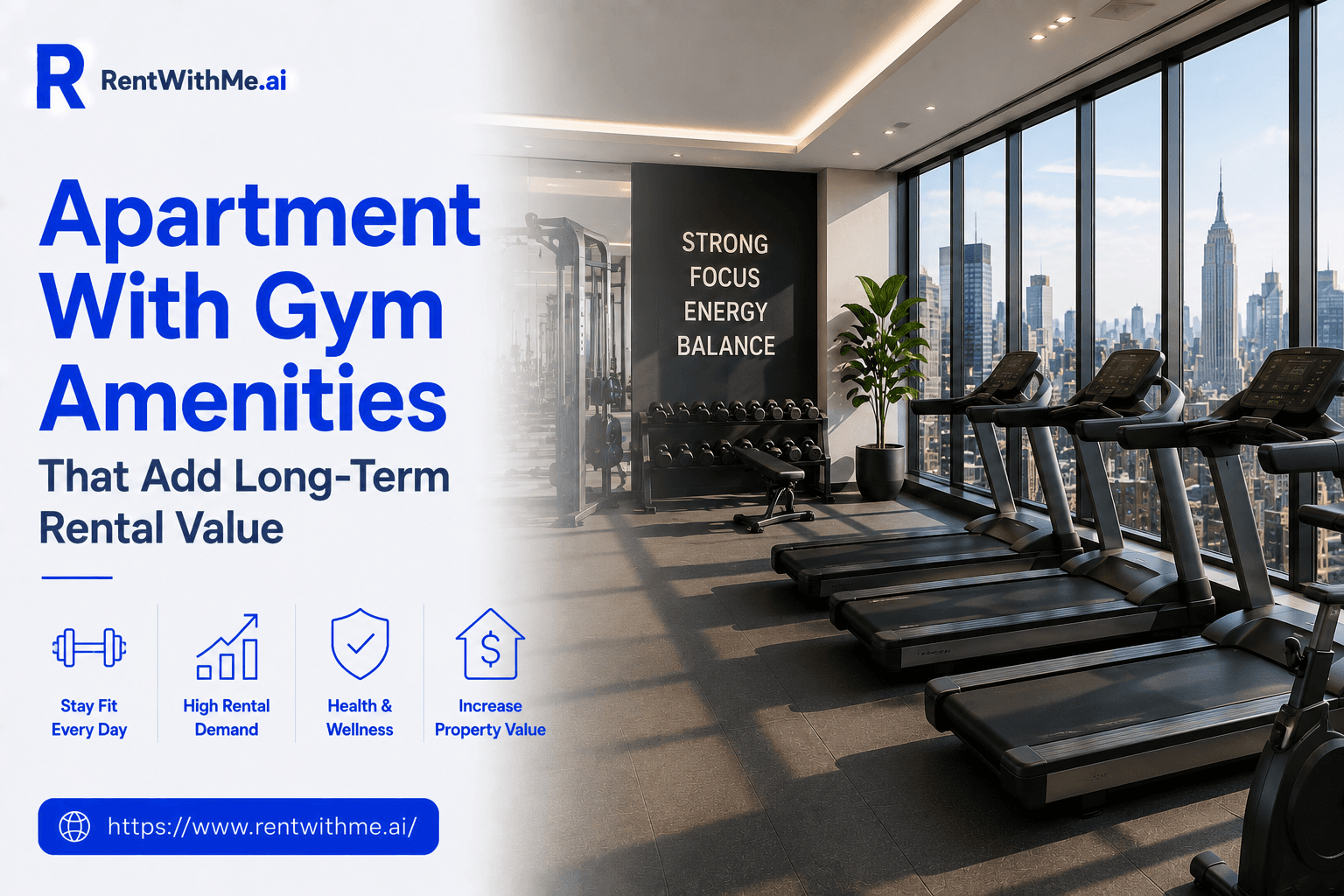
Apartment With Gym Amenities That Add Long-Term Rental Value
Introduction
An apartment gym can look like a luxury feature at first glance, but for the right renter it can provide meaningful long-term value. Having a fitness space inside the building can reduce travel time, simplify workout routines, and potentially replace the cost of an outside gym membership.
The actual value depends on how well the facility supports your needs. A polished fitness room with a few machines may look impressive during a tour but become frustrating if it is overcrowded, poorly maintained, or missing the equipment you use most often.
For regular gym users, convenience can be one of the strongest benefits. The ability to work out without leaving the building may make it easier to maintain a consistent routine before work, during lunch, or in the evening.
At the same time, renters should avoid paying higher rent simply because a building advertises a fitness center. Equipment quality, operating hours, cleanliness, ventilation, accessibility, noise, and long-term maintenance all influence whether the amenity remains useful after the excitement of move-in fades.
A good apartment gym should support the way you actually exercise. It should provide enough equipment, enough space, and enough reliability to remain practical throughout the lease.
This guide explains how to evaluate apartment gym amenities carefully so you can decide whether they add real rental value or simply increase the monthly price.
Why Apartment Gym Amenities Can Add Real Everyday Value
The main advantage of a building gym is convenience.
A traditional fitness membership may require walking, driving, taking public transportation, or planning a separate trip around your schedule. An in-building gym removes much of that friction. That convenience can make workouts easier to maintain.
Even a twenty-minute travel requirement can become a reason to skip exercise after a long day. When the gym is only an elevator ride away, the barrier to starting is much lower. Apartment gyms can also create flexibility.
You may be able to complete a short morning workout, exercise between remote meetings, or train later in the evening without adding a separate commute. The value becomes especially noticeable over time.
A facility used four or five times each week may contribute more to everyday quality of life than many larger amenities that residents use only occasionally.

Comparing In-Building Gyms With External Fitness Memberships
A building gym and a commercial fitness center serve similar purposes, but they often provide very different experiences.
Apartment gyms usually prioritize convenience. They may include basic cardio machines, free weights, resistance equipment, stretching areas, and functional training space.
Commercial gyms can offer a much larger range of equipment, classes, specialized training areas, saunas, pools, personal trainers, and other services depending on the facility. The better option depends on your workout routine.
If you mainly use a treadmill, stationary bike, dumbbells, and basic strength equipment, an apartment gym may meet nearly all of your needs. If you rely on heavy lifting platforms, specialized machines, group classes, swimming, or advanced training equipment, a building gym may not fully replace an outside membership.
The right comparison should therefore focus on what you actually use rather than the total number of amenities advertised.
Understanding Which Gym Features Matter Most to Renters
Not every gym feature provides equal value. Some renters care most about cardio equipment, while others prioritize strength training, open floor space, or stretching areas. Before apartment hunting, think about your regular workouts. Ask yourself which equipment you use every week and which features you rarely touch.
Important gym features may include:
- Cardio machines.
- Dumbbells and free weights.
- Resistance equipment.
- Benches and strength stations.
- Open functional training space.
- Stretching or mobility areas.
The exact combination matters less than whether the gym supports your real routine. A smaller facility with the right equipment can be more useful than a large gym filled with machines you never use.

Evaluating Equipment Variety, Condition, and Maintenance
Equipment condition is one of the most important things to inspect during a gym tour. Look at the machines closely. Worn cables, damaged upholstery, loose handles, malfunctioning displays, or equipment marked out of service can indicate inconsistent maintenance. Check whether there is enough variety for your needs.
A room with five treadmills and one small dumbbell rack may work well for runners but feel limiting for someone focused on strength training. Maintenance matters over the long term.
A gym can look excellent when a building first opens and decline quickly if repairs are slow or cleaning is inconsistent. Ask how broken equipment is reported and how quickly repairs are usually handled. The value of the amenity depends on whether the machines remain usable throughout your lease.
Gym Size, Layout, and Peak-Hour Crowding
Gym size should be evaluated relative to the number of residents using it. A compact facility may work perfectly in a small building. The same amount of equipment can feel inadequate in a large residential property.
Visit during a busier period when possible. Early mornings and evenings often provide a more realistic picture of demand. Observe whether residents are waiting for treadmills, benches, or strength equipment. Crowding affects more than convenience.
It can also reduce comfort, limit exercise choices, and make the space feel difficult to use. Layout matters too. Equipment should have enough separation to allow residents to move around safely without constantly interfering with one another. A well-designed smaller gym can feel more functional than a larger room with poor equipment placement.

Operating Hours and How They Affect Convenience
A building gym is only convenient when it is open during the times you want to exercise. Some fitness centers may operate around the clock, while others have limited hours. Ask about the current schedule before signing the lease. If you prefer early morning workouts, make sure the gym opens before your normal routine begins.
Late-night users should consider whether closing times create problems. Operating hours can also affect crowding. A gym with shorter hours concentrates more residents into the same available periods. Longer access may allow people to spread workouts throughout the day.
Do not assume that the gym’s hours will always match your schedule simply because it is inside the building.
Cleanliness, Ventilation, Lighting, and Overall Comfort
A gym can have excellent equipment and still feel unpleasant if the environment is poorly maintained. Cleanliness should be obvious during the tour.
Look at floors, benches, handles, mats, mirrors, and waste areas. A well-managed fitness center should appear consistently maintained rather than receiving attention only during leasing tours. Ventilation matters because exercise spaces generate heat and humidity.
A room that feels stuffy during a short visit may become uncomfortable during an intense workout. Lighting influences the experience as well. Bright, well-distributed lighting can make the gym feel more welcoming and easier to use.
Natural light can be another advantage, although it is not essential. Comfort affects consistency. If the space feels clean, well ventilated, and pleasant, you are more likely to use it regularly.

Balancing Higher Rent With Potential Fitness Membership Savings
One of the biggest questions is whether the gym justifies a higher monthly rent. Start by comparing the apartment with similar properties that do not include a fitness center.
If the gym apartment costs more, calculate the annual difference. Then compare that amount with the cost of your current or expected outside gym membership. Suppose the rent premium is $100 per month. That becomes $1,200 over twelve months.
If you would otherwise spend a similar amount on a commercial fitness membership, the building gym may provide strong value, especially when you also consider travel time.
However, if the rent premium is much larger than your outside membership cost, the financial argument becomes weaker. Convenience may still justify the difference, but the decision should remain intentional.
Calculating the Time Savings of an Apartment Gym
Time can be just as valuable as money. An outside gym may require ten or fifteen minutes of travel each way. That can add twenty to thirty minutes to every workout. If you exercise four times per week, the travel alone can consume several hours each month.
An apartment gym reduces that friction. You can move from your apartment to the fitness area quickly and return home immediately afterward. The time savings can make shorter workouts more practical too.
A twenty-minute exercise session may feel worthwhile when the gym is downstairs but inefficient when reaching the facility requires a separate trip. Over an entire lease, that convenience can become substantial.

Apartment Features That Matter to Regular Gym Users
Renters who exercise frequently may benefit from other apartment features that support their routine. In-unit laundry can be useful for handling workout clothing and towels.
A functional kitchen can make meal preparation easier for renters who follow structured nutrition routines. Elevator access may matter if the gym is located several floors away.
Storage space can also be useful for workout shoes, resistance bands, yoga mats, and other personal fitness equipment. Some residents may appreciate having the gym close enough to the apartment to return quickly between workouts and other tasks. The overall apartment should support the fitness routine rather than treating the gym as an isolated amenity.
Common Mistakes Renters Make When Evaluating Fitness Amenities
One common mistake is being impressed by appearance without checking usefulness. A gym may look modern while providing very little equipment variety. Another mistake is touring the facility only during a quiet period.
Peak-hour crowding can completely change the experience. Some renters also assume the gym will replace their outside membership without comparing equipment. They later discover that important machines or training areas are missing. Another common mistake is ignoring operating hours.
A gym that closes before your usual workout time offers limited convenience. Renters may also overlook maintenance. A facility with several broken machines can quickly lose value. Finally, some people pay a substantial rent premium for a gym they rarely use. The amenity only creates value when it becomes part of your actual routine.

Benefits of Testing the Gym Before Signing a Lease
A fitness center deserves more than a quick walk-through during your apartment tour. Spend enough time inside the facility to understand how the entire room feels.
Look carefully at equipment variety, cleanliness, layout, ventilation, available storage, and overall condition. If possible, visit during the period when you would normally exercise there.
This approach provides a much clearer picture of crowding and available exercise machines. Ask whether prospective renters can visit again when the initial tour seems unusually empty.
You should also compare the building gym carefully with nearby commercial fitness options. Another nearby gym may offer much better equipment at a reasonable membership cost.
Testing the amenity helps determine whether the additional rent premium is genuinely justified. This evaluation can prevent paying extra for a facility you rarely use.
Evaluating Whether the Gym Supports Your Actual Workout Style
A useful apartment gym should closely match your regular training habits and preferences. Your preferred exercises should determine which equipment and facilities matter most during evaluation.
Cardio-focused renters may prioritize treadmills, bikes, ellipticals, rowing machines, and their general availability. Strength-focused users may prioritize free weights, benches, cable machines, and resistance equipment.
People practicing yoga, mobility work, or functional training need sufficient open floor space. Adequate open space allows these workouts to remain comfortable, practical, and consistently accessible.
Some renters require very little equipment to maintain their regular exercise routines successfully. A treadmill, dumbbells, and mat area may provide enough equipment for consistent exercise.
Other renters may need considerably more specialized facilities for their preferred workout routines. Their training requirements may make a basic residential fitness center insufficient for regular use.
The apartment gym does not need to provide a comprehensive commercial fitness experience. It only needs to support workouts you realistically expect to perform there regularly.

When Apartment Gym Convenience Adds Long-Term Rental Value
The strongest gym amenities continue providing value well beyond the lease’s first few weeks. Convenience can encourage consistent exercise habits while making regular workouts easier to maintain.
Reliable equipment can reduce the need for maintaining a separate commercial gym membership. Good operating hours also make workouts easier to fit around changing personal schedules.
A well-maintained gym can remain useful even when your regular work routine changes. Remote workers may exercise during lunch, while office commuters may prefer mornings or evenings.
The facility can support different schedules as long as access remains consistently practical. Long-term value therefore comes from flexibility, reliability, convenience, and frequent overall use.
Looking Beyond the Gym Photos
Listing photographs usually present apartment fitness centers under their most attractive possible conditions. The space may appear professionally lit, perfectly clean, organized, and completely empty.
Actual everyday use can look considerably different once residents regularly occupy the facility. Machines may become crowded, equipment may shift, and maintenance quality can vary considerably.
Do not rely entirely on photographs when evaluating an important apartment fitness amenity. Inspect the gym personally and observe how the space actually functions for residents.
If the gym strongly influences your apartment decision, evaluate it as carefully as interiors. Give it similar attention to the kitchen, bedroom, building access, and other essentials.
Comparing Gym Value With Other Apartment Amenities
Renters often need to compare buildings offering very different packages of apartment amenities. One property may provide a stronger gym, while another includes different valuable features.
Another building may offer in-unit laundry, rooftop access, parking, or additional interior space. Rank every amenity according to how frequently you realistically expect to use it.
A gym used five times weekly may provide more value than occasional rooftop access. The opposite may apply for renters who rarely exercise indoors during their routine.
Avoid paying extra for extensive amenity lists simply because buildings appear more luxurious. The strongest rental value comes from features improving your actual daily routine consistently.
Looking at Gym Value Over an Entire Lease
Imagine how the gym might fit your routine six months after moving there. Consider whether you will continue using the facility regularly throughout the remaining lease.
Ask whether the available equipment will continue supporting your changing fitness needs comfortably. Consider whether operating hours will remain convenient after the initial excitement eventually fades.
These questions help separate genuine long-term usefulness from short-lived excitement about new amenities. A fitness center becoming part of weekly routines can provide meaningful continuing value.
A gym visited twice initially and ignored afterward rarely justifies substantial rent premiums. Long-term usefulness depends on equipment, access, maintenance, rules, management, and nearby alternatives.
Evaluating Cardio, Strength, and Functional Training Equipment
A building gym becomes more valuable when equipment supports several different exercise styles. Renters should consider whether the overall equipment mix supports varied training preferences effectively.
Look beyond machine counts and evaluate cardio, strength, mobility, and functional training options. A balanced facility can support changing routines without requiring another outside gym membership.
Cardio equipment is often the easiest part of a residential gym to evaluate. Treadmills, stationary bikes, ellipticals, and rowing machines can support many fitness levels comfortably.
Machine quantity becomes especially important when many residents exercise during similar busy periods. Too few machines can make otherwise excellent equipment inconvenient during regular peak hours.
Strength training equipment deserves equally careful attention during an apartment gym evaluation. Dumbbells, benches, cable systems, and resistance machines can create substantial training flexibility.
A compact residential gym can remain highly useful when strength equipment is thoughtfully selected. Variety matters less than whether available equipment actually supports your normal training routine.
Functional training space can provide additional flexibility for residents with broader exercise preferences. Open areas support mats, resistance bands, stretching, mobility work, and bodyweight exercises.
These spaces allow residents to exercise without constantly competing for larger dedicated machines. Functional areas can therefore expand the usefulness of even relatively small apartment gyms.
The ideal equipment mix ultimately depends on how you personally prefer to train. A runner may value cardio equipment more than extensive free-weight or strength options.
A strength-focused renter may care little about rooms filled primarily with treadmills. Choose the facility whose equipment best supports workouts you will realistically perform regularly.
Understanding Gym Rules, Guest Policies, and Age Restrictions
Apartment gyms usually operate according to specific rules established by building management. These policies may regulate hours, guest access, footwear, equipment use, and cleaning expectations.
Rules can also cover age restrictions and other safety requirements within shared facilities. Understanding these policies helps prevent assumptions about how the gym can actually function.
Ask whether residents are permitted to bring guests into the apartment fitness center. Some buildings allow guests, while others restrict access to approved occupants exclusively.
Guest policies can matter when exercise partners or visiting family members use facilities. Confirm the rules before assuming shared workouts will always be allowed inside.
Age restrictions can be especially important for families considering an apartment building gym. Younger residents may require adult supervision or may face specific equipment restrictions.
Some buildings may prohibit particular age groups from using fitness equipment entirely. Review these rules carefully before assuming children can freely use the facility.
A gym appearing family-friendly in photographs may operate under much stricter practical policies. Building rules can significantly affect whether the amenity suits your household’s actual needs.
Safety Features, Equipment Spacing, and Emergency Procedures
Fitness amenities should be evaluated for safety as carefully as they are for convenience. Look closely at spacing between machines and pathways throughout the workout area.
Residents should move comfortably without passing constantly through active exercise or equipment zones. Crowded layouts can reduce convenience and create unnecessary safety concerns during busy periods.
Strength equipment deserves particularly careful attention because surrounding clearance can influence safe movement. Benches, dumbbell racks, cables, and machines should allow adequate space between users.
Good organization reduces unnecessary crowding and helps residents use equipment more comfortably overall. Poor spacing can make even high-quality equipment difficult or unpleasant to use.
Emergency procedures are another practical consideration when evaluating a residential fitness facility. Ask whether emergency information and clearly accessible exits are provided for residents.
Residents should also have a practical way to contact building staff during emergencies. Some facilities may provide additional emergency equipment depending on their overall building setup.
Renters do not need to conduct formal safety inspections during apartment tours. However, obvious signs of poor layout or neglected equipment should receive careful attention.
Accessibility and Elevator Access to the Fitness Area
The gym’s location inside the building can strongly influence its everyday convenience. Direct elevator access can make regular workouts easier for many different residents.
A facility behind several stairways or long corridors may feel considerably less practical. This becomes especially important for renters with mobility needs or physical limitations.
If accessibility matters, evaluate the entire route between your apartment and fitness center. Check elevators, door widths, floor transitions, and general movement throughout shared spaces.
The gym itself should also provide enough room for comfortable movement around equipment. Physical accessibility should match the needs of people expecting to use the facility.
A building should not receive full credit merely because it technically includes a gym. Reaching the amenity should remain reasonably simple, practical, and comfortable for residents.
Locker Rooms, Showers, Water Stations, and Changing Areas
Some apartment gyms provide only workout equipment, while others include several supporting facilities. These additions may include locker rooms, showers, water stations, and changing areas.
Locker rooms can help residents change clothing before or after completing their workouts. This can be convenient when exercising immediately before leaving the building for work.
Showers can provide additional convenience, although many nearby residents may prefer their bathrooms. Their value depends largely on how residents realistically use the building facility.
Water stations provide a simple but useful convenience during regular exercise sessions. Easy hydration access reduces the need to carry everything directly from your apartment.
Changing areas may also benefit residents who exercise immediately before leaving the property. These spaces can improve convenience without significantly changing the underlying workout facility.
Evaluate supporting features according to how frequently you would realistically use them. Extensive extras provide limited financial value when your apartment already meets those needs.
Fitness Classes, Training Spaces, and Community Programming
Some buildings provide fitness services beyond equipment and open workout areas for residents. Group classes, yoga sessions, and wellness programs may be offered by certain properties.
Personal training arrangements or organized community activities may also exist depending on management. These services can add value for residents who prefer structured exercise experiences.
However, class availability can change during the course of a rental lease. Do not assume promotional offerings will remain unchanged unless clearly included in current programs.
Ask whether classes involve additional charges beyond standard rent or building amenity fees. Some programs operate through separate registration, pricing, or limited resident participation requirements.
Dedicated studio space can remain useful even when organized classes are unavailable. Residents may use it for stretching, yoga, mobility exercises, or bodyweight routines.
Open training areas can therefore retain practical value independent of scheduled community programming. Their usefulness depends on access, size, rules, and consistent overall availability.
Noise and Vibration From Gyms Near Residential Units
A building gym can create noise even for residents who never use it. Treadmills, weights, music, and equipment movement can generate recurring sound or vibration.
This concern becomes important when apartments sit directly above, below, or beside gyms. Nearby units may experience more noticeable disturbance during early or late workouts.
Ask where the gym is located relative to the specific apartment considered. If nearby, spend several quiet minutes listening carefully during your apartment tour.
Peak workout periods may produce considerably more noise than quieter midday visits. Treadmill vibration or dropped weights can travel differently depending on building construction.
Sound isolation quality therefore matters when fitness facilities share walls with residential units. A convenient gym loses value when repeated noise disrupts sleep or remote work.
Comparing Gym Quality With Nearby Fitness Alternatives
An apartment gym should always be compared with realistic nearby commercial fitness options. You may discover a stronger external facility located only several blocks away.
If another gym offers better equipment at reasonable pricing, apartment premiums deserve scrutiny. Paying considerably more for a modest residential facility may provide limited overall value.
The reverse can also be true when nearby fitness memberships are expensive or inconvenient. A simpler building gym may still support your routine adequately and consistently.
Compare travel time alongside membership pricing when evaluating outside fitness alternatives carefully. A gym ten minutes away adds extra travel time to every workout.
For frequent exercisers, building convenience can become valuable despite less sophisticated equipment. Remaining inside the property can remove transportation friction and support greater workout consistency.
Evaluating the Gym During Peak Hours
One effective evaluation method is visiting the gym during your expected workout period. Morning and evening usage can differ significantly from quiet midday conditions.
Count how many major machines are occupied while residents are exercising inside. Observe whether people wait for benches, treadmills, weights, or other popular equipment.
Notice how crowded open exercise areas become when several residents use them simultaneously. A spacious empty room can feel considerably smaller during busy workout periods.
Peak-hour observation shows whether the facility is truly convenient during realistic usage conditions. Availability matters less when your preferred equipment is routinely occupied when needed.
Evaluating Equipment Maintenance Over Time
Good fitness equipment requires consistent maintenance to remain safe, comfortable, and fully useful. During tours, look for machines visibly marked as unavailable or out of service.
One broken machine may not indicate a serious building-management or maintenance problem. Several inactive machines can suggest slower repair processes or inconsistent facility attention.
Ask how residents report broken equipment and receive updates about ongoing repairs. A clear reporting system often shows that management expects consistent resident facility usage.
Look closely at smaller maintenance details throughout the fitness room as well. Worn pads, missing accessories, loose attachments, or damaged handles reduce equipment usefulness.
A high-value residential gym should feel actively maintained rather than merely originally installed. Consistent maintenance strongly influences whether the facility remains useful throughout your lease.
Comparing Apartment Gym Costs With Commercial Memberships
A building gym may be included in rent or through broader amenity fees. Different properties may structure fitness access and charges in substantially different ways.
Renters should identify the complete financial cost associated with using the facility. Required amenity charges should be included when comparing overall housing expenses between apartments.
If Apartment A costs $200 more monthly, that difference equals $2,400 annually. When the gym is the primary difference, compare that premium with alternatives.
A nearby commercial membership may cost considerably less over the same yearly period. However, direct cost alone does not capture the full value of convenience.
If the outside gym costs $800 annually, travel time should also be considered. Twenty additional minutes per workout can become meaningful for frequent regular exercisers.
The best comparison considers both total financial cost and recurring time commitment. Building convenience may justify some premium even when external membership pricing is lower.
Gym Amenities for Remote Workers
Remote workers may use apartment fitness centers more because their schedules offer flexibility. A lunchtime workout becomes practical when the gym is only minutes away.
Flexible schedules may also help residents avoid crowded early morning or evening periods. This can increase the usefulness of a relatively modest residential fitness facility.
Remote workers should still consider whether nearby gym activity creates distracting apartment noise. Equipment vibration or music may affect concentration, meetings, or calls during workdays.
The strongest arrangement provides convenient fitness access without disrupting the home work environment. Location within the building therefore matters alongside equipment and operating-hour considerations.
Gym Amenities for Busy Professionals
Professionals with demanding schedules may value convenience more highly than broad equipment variety. A basic downstairs gym can be used more consistently than distant premium clubs.
Operating hours become particularly important when workdays begin early or finish unusually late. Extended access allows workouts to fit around unpredictable professional schedules more easily.
Changing spaces and showers may provide additional convenience for certain daily routines. These facilities can help residents exercise immediately before leaving for work elsewhere.
The amenity becomes most valuable when it reduces scheduling friction rather than adding complexity. Convenience can therefore outweigh equipment variety for many busy professional renters.
Gym Amenities for Families
Families should examine gym access policies carefully before treating fitness facilities as valuable. Younger residents may face supervision requirements or restrictions on equipment usage.
Some buildings may limit access entirely for children below certain specific ages. These policies can significantly affect how useful the amenity becomes for families.
Equipment variety may matter less than safe layouts and adequate open floor space. Adult household members may prioritize shorter convenient workouts near home instead.
Parents may value avoiding travel while completing regular workouts close to their apartment. However, child supervision remains important because residential gyms are shared exercise facilities.
A building gym should not automatically be treated as a family recreation space. Review all relevant rules instead of assuming children may accompany adults freely.
Gym Amenities for Older Adults
Older renters may prioritize accessibility, stable surfaces, clear pathways, and lower-impact exercise options. These features can matter more than extensive heavy free-weight training equipment.
Stationary bikes, treadmills, resistance machines, and stretching areas may provide greater practical usefulness. Controls should also feel accessible, understandable, and appropriate for intended residents.
Elevator access becomes especially important when fitness facilities are located on different floors. Comfortable temperature and good lighting also affect how welcoming the gym feels.
A smaller facility with appropriate equipment can outperform a larger specialized fitness center. Practical suitability matters more than size when matching amenities to actual exercise needs.
Understanding Amenity Fees and Access Charges
Some buildings advertise fitness centers without clearly explaining whether gym access is included. Renters should ask directly before assuming use comes with the base rent.
A property may charge separate amenity fees or require another registration arrangement. Understanding these costs is essential when comparing apartment options and monthly expenses.
Determine whether the charge is mandatory or optional for residents leasing apartments there. Mandatory fees reduce value when you do not expect to use the gym.
Optional access should be compared carefully with nearby commercial fitness memberships and alternatives. The complete monthly housing cost should always include every required recurring amenity charge.
Questions to Ask During an Apartment Tour About the Gym
A detailed fitness-center tour can answer important questions that listing photographs cannot reveal. Asking specific questions helps determine whether the gym provides practical, consistent resident value.
Useful questions include:
- Is gym access included in rent?
- Is there a separate amenity fee?
- What are the operating hours?
- Are guests allowed?
- Are there age restrictions?
- How often is the facility cleaned?
- How are broken machines reported?
- How quickly is equipment usually repaired?
- Does the gym become crowded during peak hours?
- Are there showers or locker rooms?
- Are fitness classes offered?
- Do classes cost extra?
- Is the gym accessible by elevator?
- Is there a water station?
- Where is the gym located relative to this apartment?
- Are there noise rules?
- Are personal trainers allowed to work with residents?
These questions help determine whether the gym functions well beyond marketing materials. Practical answers can reveal access, maintenance, cost, and convenience issues before signing.
Comparing Two Apartments With Different Gym Quality
Imagine comparing two apartments that are otherwise similar in most important respects. Their primary difference involves the quality and variety of available fitness facilities.
Apartment A has cardio machines, dumbbells, and a bench within a smaller gym. Apartment B provides a larger center with strength stations and studio space.
Apartment B costs more, so the added capabilities should justify that premium. The right choice depends on whether you would actually use those features.
A renter doing cardio and dumbbell workouts may receive similar value from Apartment A. A strength-focused renter may find Apartment B significantly more useful for training.
Avoid paying for fitness capabilities that exceed what your regular routine actually requires. Amenity value comes from usefulness rather than simply having more available equipment.
When a Smaller Gym Can Be Better
Larger gyms are not automatically more convenient or useful for every apartment resident. A compact facility can work extremely well when serving fewer total residents.
Smaller gyms may also feel quieter, less intimidating, and easier to navigate consistently. The most important factor is often the equipment-to-user ratio during regular periods.
A massive gym serving hundreds of apartments may experience significant crowding during peaks. A smaller facility serving fewer units may provide easier and faster equipment access.
Size should therefore be evaluated alongside building population, usage patterns, and equipment quantity. Practical access matters more than the total square footage of the fitness center.
When a Large Gym Adds Meaningful Value
Larger fitness centers can be worthwhile when additional space creates genuine training variety. Separate cardio and strength areas can reduce competition between residents using different equipment.
Open training areas can support stretching, mobility, functional movement, and floor exercises comfortably. More benches, machines, and dumbbell sets can also improve peak-hour workout efficiency.
Larger gyms may additionally include studio rooms or separate designated stretching areas. These additions create value when residents frequently use the different available exercise spaces.
The true benefit comes from capacity and versatility rather than overall physical size. Extra space matters most when it improves access, variety, and consistent workout convenience.
Equipment Cleanliness and Shared Etiquette
Fitness-center quality depends partly on how residents treat shared equipment and spaces. Look for wipes, towels, cleaning stations, or other building-supported sanitation systems nearby.
Observe whether exercise equipment appears reasonably clean, organized, and appropriately maintained overall. Clean environments make regular workouts more comfortable and encourage consistent resident use.
Shared etiquette also influences how convenient apartment fitness facilities feel during busy periods. Scattered weights or prolonged equipment occupancy can reduce access for other residents.
Management cannot control every individual behavior, but clear expectations can improve shared usage. Good organization and visible rules can help support a cleaner, calmer workout environment.
A clean, orderly gym generally feels more welcoming and easier to use regularly. Facility culture matters alongside equipment variety, building size, and overall amenity quality.
Ventilation and Temperature During Real Workouts
A comfortable gym should remain usable while residents are actively exercising inside it. Conditions can change considerably when several people use cardio equipment simultaneously.
Temperature often rises quickly during busy periods, especially in smaller enclosed exercise rooms. Proper ventilation becomes increasingly important when many residents are training at once.
Ask whether the fitness facility has dedicated or independently controlled climate systems available. If visiting during peak hours, notice whether conditions feel stuffy or excessively warm.
Comfort can directly influence workout quality and willingness to use the amenity regularly. An unpleasant gym may push residents toward other facilities despite its physical convenience.
Evaluating Mirrors, Flooring, and Functional Space
Small design details can significantly influence how functional a residential fitness center feels. Mirrors may support movement awareness while making compact spaces appear visually larger.
Gym flooring should appropriately support exercise equipment, movement, stability, and repeated resident use. Poor surfaces can affect comfort and the overall usability of training areas.
Open floor space is important for stretching, mobility, yoga, and bodyweight exercise routines. A room completely filled with machines can limit these activities considerably.
Evaluate the gym as a complete training environment rather than simply counting machines. Functional space, surfaces, visibility, and movement areas all contribute to long-term usability.
Equipment That May Matter Less Than You Think
Apartment gyms sometimes include unusual or specialized equipment because those machines photograph particularly well. However, attractive equipment does not necessarily mean renters will actually use it regularly.
A few reliable basics may provide greater value than numerous unfamiliar or specialized machines. Think carefully about the equipment you actually used during your last several months.
Your recent workout history can provide a practical guide for evaluating fitness equipment. Rental decisions become more accurate when based on real habits instead of aspirational plans.
Building Management and Long-Term Gym Quality
Management quality can determine whether a fitness amenity remains valuable throughout your entire lease. Equipment eventually requires maintenance, while floors and mirrors also need consistent professional cleaning.
Heating, cooling, lighting, and access systems also require regular attention from building management. Responsive management is more likely to preserve gym quality throughout your entire lease.
Observe carefully how management maintains the building’s other shared spaces and common areas. Their overall condition can reveal how consistently management generally maintains resident amenities.
A beautiful gym on move-in day provides limited value without continued building maintenance. Long-term gym quality depends heavily on consistent management attention after residents move in.
Preparing for the Final Apartment Gym Comparison
At this stage, evaluate the gym as part of the complete rental package. Equipment variety, capacity, maintenance, hours, accessibility, ventilation, safety, noise, fees, and crowding matter.
The most visually impressive fitness facility does not automatically provide the strongest value. A modest gym matching your routine can outperform an expensive premium fitness center.
A practical facility remaining available when needed can provide stronger long-term rental value. Premium features you rarely use should not automatically justify substantially higher monthly rent.
Your final rental decision should also account carefully for the apartment itself. Location, layout, rent, storage, laundry, transportation, and other everyday needs remain equally important.
Apply these factors to realistic renter situations before making your final property decision. Consider common questions, expensive mistakes, gym checklists, and realistic long-term rental value.
Real-Life Apartment Gym Examples for Different Renters
An apartment gym’s long-term value depends heavily on the renter actually using it. Two renters can tour identical facilities and reach completely different conclusions about value.
Realistic situations show why convenience, equipment selection, operating hours, and premiums matter together. These factors should be considered collectively rather than evaluated separately during rental decisions.
A Busy Professional Replaced an Outside Gym Membership
Kevin previously belonged to a commercial gym located fifteen minutes from his apartment. Traveling there and back added roughly thirty minutes to every completed workout session.
When moving, Kevin compared apartments with and without well-equipped building fitness facilities. The apartment gym included equipment supporting the workouts he regularly performed each week.
It offered treadmills, dumbbells, benches, cable equipment, and enough open functional training space. Kevin selected the apartment with the gym and canceled his commercial fitness membership.
The building gym offered fewer machines than his previous commercial fitness center overall. However, convenience made exercising consistently easier without requiring additional travel for every workout.
For Kevin, eliminating travel created greater value than accessing specialized equipment rarely used. His established workout habits made the convenient residential facility particularly valuable over time.
A Remote Worker Found Value in Off-Peak Access
Sophia worked remotely and normally preferred exercising around lunchtime during her regular workdays. This flexible schedule influenced how she evaluated the building’s relatively small fitness facility.
The apartment building had a relatively small gym, which initially concerned Sophia considerably. During an evening visit, she noticed several available machines were already being used.
Instead of immediately rejecting the property, Sophia asked about typical weekday afternoon usage. She returned during her normal workout period and found the facility almost empty.
The smaller gym worked extremely well because Sophia could avoid peak demand periods. Her flexible work schedule made the facility considerably more convenient than initially expected.
Sophia’s experience shows why crowding should reflect your personal schedule and expected usage. A single crowded visit may not accurately represent conditions during your preferred workout hours.
A Strength-Focused Renter Kept His Commercial Membership
Andre regularly completed strength-focused workouts requiring equipment beyond most residential fitness room offerings. His established routine made equipment variety especially important during apartment gym evaluations.
He toured a luxury apartment featuring an attractive and professionally designed residential fitness center. However, much of the available space was dedicated primarily to cardio equipment.
The strength area offered only modest dumbbells, benches, and basic resistance training equipment. Therefore, the convenient building gym could not fully replace Andre’s existing fitness center.
Andre treated the residential gym as secondary instead of justifying higher rent premiums. He kept his commercial membership because specialized strength equipment remained important for training.
He occasionally used the building gym for cardio sessions and lighter strength workouts. His commercial membership remained necessary for completing his primary strength-focused training routine effectively.
A Casual Exerciser Benefited From Basic Equipment
Lena wanted to exercise consistently but did not require any specialized fitness facility. Her usual routine included treadmill walking, light dumbbells, stretching, and occasional indoor cycling.
A compact apartment gym met Lena’s straightforward fitness needs exceptionally well each week. Because the facility was minutes away, she started exercising there several times weekly.
For Lena, a modest residential gym offered greater practical value than commercial facilities. Convenient access encouraged consistent exercise without requiring extensive equipment or additional travel time.
A Renter Chose Lower Rent Over a Premium Fitness Center
Michael toured a newer apartment building featuring an impressive and extensive fitness facility. The gym offered multiple training zones, cardio equipment, weights, studios, and premium features.
However, the apartment itself cost significantly more than another suitable nearby rental property. Michael exercised only once or twice weekly and already enjoyed regular outdoor running.
After calculating annual rent differences, Michael reconsidered how much the gym truly mattered. He realized the substantial premium supported an amenity he would rarely use enough.
Michael ultimately selected the lower-cost apartment rather than paying for premium fitness amenities. His actual exercise habits made the expensive fitness facility financially difficult to justify.
These examples demonstrate why gym value cannot depend on equipment counts or appearance. The best facility matches your workout habits, schedule, budget, and realistic usage frequency.
Frequently Asked Questions About Apartments With Gym Amenities
Apartment fitness centers can create several important questions throughout the rental search process. Understanding those answers makes comparing buildings and identifying genuine gym value considerably easier.
Is an apartment gym worth paying higher rent for?
An apartment gym can justify higher rent when it replaces another fitness membership. The value increases further when you expect to use the facility consistently.
Useful equipment, convenient operating hours, manageable crowding, and reliable maintenance strengthen overall value. These practical factors matter more than impressive photographs or extensive marketing descriptions alone.
Can an apartment gym replace a commercial fitness membership?
For many renters, a well-equipped apartment gym can replace commercial fitness memberships entirely. This depends primarily on whether available equipment supports their established regular workout routines.
Renters using cardio machines, dumbbells, benches, resistance equipment, and stretching areas may succeed. Those requiring specialized training equipment may still need an outside commercial fitness facility.
Are apartment gyms usually included in rent?
Gym access arrangements vary considerably between different apartment properties and building management structures. Some buildings include fitness access directly within the monthly rent residents already pay.
Other properties may charge separate amenity fees or structure fitness access differently altogether. Always confirm complete costs before comparing apartment gym value between different rental properties.
Should I visit the gym during peak hours?
Yes, especially when the fitness facility significantly influences your final apartment rental decision. Peak-hour visits can reveal crowding that quiet daytime tours might completely conceal.
A spacious midday gym may feel substantially different during busy mornings or evenings. Testing realistic workout periods provides a clearer picture of actual equipment availability.
What equipment should a good apartment gym have?
There is no universal equipment list because every renter has different fitness requirements. The strongest facility should support the exercises you realistically perform most often.
Balanced gyms often combine cardio machines, strength equipment, free weights, benches, and open space. Functional areas for stretching and mobility can further improve overall training flexibility.
What happens when gym equipment breaks?
Equipment repair procedures depend entirely on the building’s maintenance and management systems. Ask how residents report problems and how quickly management generally addresses repairs.
Broken machines remaining unavailable for extended periods can reduce smaller fitness rooms’ value. Consistent maintenance therefore matters considerably when the facility contains limited duplicate equipment.
Are apartment gyms available 24 hours?
Apartment gyms are not necessarily available twenty-four hours daily for resident fitness use. Operating schedules vary between properties and may include overnight access restrictions.
Renters exercising very early or late should verify operating hours before lease signing. Limited access can substantially reduce convenience for residents with unusual or changing schedules.
Can guests use an apartment gym?
Guest access policies vary considerably between buildings and individual residential fitness facilities. Some properties permit guests under defined conditions established by management or building rules.
Other buildings reserve fitness facilities exclusively for residents and other approved building occupants. Confirm guest policies before assuming friends or visitors can exercise alongside you.
Do apartment gyms have personal trainers?
Some buildings may provide classes, trainers, or other organized fitness programming for residents. However, renters should never assume these additional services are automatically included.
Ask whether outside trainers are permitted and whether fitness programming requires additional payment. Understanding these rules prevents unexpected restrictions or expenses after signing your lease.
Complete Apartment Gym Evaluation Checklist
A structured checklist prevents attractive fitness centers from overshadowing important practical rental concerns. Consistent evaluation also makes comparing gym amenities across different properties considerably easier.
Use the following points when comparing apartment gyms:
- Confirm whether gym access is included in rent.
- Ask about mandatory or optional amenity fees.
- Check operating hours.
- Determine whether access is available every day.
- Review guest policies.
- Ask about age restrictions where relevant.
- Inspect cardio equipment.
- Inspect free weights and strength equipment.
- Check whether there are enough benches.
- Look for functional training space.
- Evaluate stretching and mobility areas.
- Inspect equipment condition.
- Look for machines marked out of service.
- Ask how equipment problems are reported.
- Evaluate cleanliness.
- Check ventilation and temperature.
- Review lighting quality.
- Observe equipment spacing.
- Check elevator and accessible routes.
- Ask about locker or changing facilities.
- Check for showers if they matter to you.
- Look for convenient hydration options.
- Ask whether fitness classes are offered.
- Determine whether classes cost extra.
- Visit during your expected workout time if possible.
- Evaluate peak-hour crowding.
- Determine the gym’s location relative to the apartment.
- Consider potential noise or vibration.
- Compare the facility with nearby commercial gyms.
- Calculate any meaningful annual rent premium.
- Decide whether the equipment matches your actual routine.
- Estimate how often you will realistically use the facility.
No building needs to perform perfectly across every gym evaluation category listed above. Your actual training needs should determine which categories deserve the greatest attention.
Someone needing treadmills and basic weights can receive excellent value from modest facilities. Specialized training programs may require equipment that smaller residential gyms cannot reasonably provide.
Expert Tips for Deciding Whether a Building Gym Is Worth Higher Rent
Begin with your current fitness behavior rather than routines you hope to develop. Established habits provide a more reliable foundation for evaluating apartment fitness amenities realistically.
Consider how often you exercised during the previous several months before apartment hunting. Also identify which machines and equipment you consistently used during those workouts.
This history provides stronger guidance than imagining a completely different post-move fitness lifestyle. Rental decisions should reflect realistic behavior instead of ambitious plans unlikely to continue.
Next, calculate the complete financial difference between apartments with comparable overall characteristics. This reveals how much additional annual spending the fitness amenity actually requires.
Suppose Apartment A costs $3,000 monthly without access to an apartment fitness center. Apartment B costs $3,150 monthly and includes access to its building gym.
If both apartments are genuinely comparable otherwise, the annual difference equals exactly $1,800. That figure provides a clearer basis for evaluating the gym’s financial value.
Compare the annual apartment premium directly with your current outside fitness membership expenses. This calculation helps determine whether replacing that membership meaningfully offsets higher apartment costs.
If your membership costs $100 monthly, canceling it saves $1,200 every year. You can then evaluate whether remaining costs reasonably reflect the added convenience.
Time savings also deserve careful consideration when comparing residential and commercial fitness options. Convenience can provide meaningful value even when direct financial savings appear relatively modest.
A twenty-minute round trip repeated four times weekly adds considerable travel time annually. An in-building fitness facility can eliminate much of that recurring travel commitment.
However, convenience offers limited value when available equipment cannot support your regular workouts. Equipment suitability should remain essential when deciding whether to cancel commercial gym memberships.
Do not cancel an excellent membership solely because your apartment provides basic equipment. Three treadmills and limited dumbbells cannot support every renter’s specialized fitness requirements.
Common Gym-Related Rental Mistakes to Avoid
Fitness centers are visually impressive amenities and therefore easy to overvalue during tours. Attractive design can distract renters from practical questions about access, equipment, and costs.
One common mistake involves assuming larger gyms automatically provide better equipment availability. Large facilities serving hundreds of apartments can still become crowded during popular periods.
Another common mistake involves failing to calculate mandatory amenity fees and related costs. A seemingly included gym may become expensive once required building charges are added.
Renters may also focus heavily on machine quantities while overlooking overall equipment variety. Numerous cardio machines offer limited value for residents primarily performing strength-focused training.
Maintenance represents another frequently overlooked issue when renters evaluate apartment fitness facilities. Broken or poorly maintained equipment can quickly reduce an otherwise attractive gym’s usefulness.
The table below summarizes common mistakes and stronger approaches for evaluating apartment gyms. These comparisons can help renters focus on practical value rather than appearance alone.
| Common MistakeBetter Approach | |
|---|---|
| Judging the gym mainly by appearance | Evaluate equipment you actually use |
| Touring only when the facility is empty | Check expected workout hours |
| Assuming access is included in rent | Confirm all required fees |
| Ignoring operating hours | Compare hours with your routine |
| Counting machines without checking variety | Evaluate cardio, strength, and open space separately |
| Overlooking broken equipment | Ask about maintenance procedures |
| Assuming the gym replaces an outside membership | Compare equipment before canceling |
| Ignoring nearby commercial gyms | Compare cost, quality, and travel time |
| Forgetting potential apartment noise | Check the gym’s location within the building |
| Paying for an aspirational routine | Base value on realistic usage |
Most gym-related problems can be identified before renters sign their apartment lease. Careful tours and targeted questions can reveal whether facilities provide genuine practical value.
A marketing-focused gym may appear impressive without supporting your actual regular fitness routine. Evaluating equipment, costs, access, and maintenance can prevent expensive rental mistakes later.
Additional Ways to Get More Value From Apartment Fitness Amenities
Moving into a building with a gym does not guarantee consistent facility use. Convenience becomes valuable only when the amenity fits naturally within your regular routine.
Creating a realistic exercise schedule can turn the building amenity into genuine value. Choose workout periods fitting naturally into your schedule rather than forcing inconvenient sessions.
If evenings become crowded, experiment with mornings, lunchtime, or other quieter available periods. Flexible timing can make even relatively small apartment fitness centers significantly more useful.
Learn what equipment the facility provides before purchasing additional personal workout equipment yourself. You may discover the residential gym already supports most of your regular routine.
Keep smaller workout items organized so preparing for exercise remains quick and straightforward. Easier preparation can make downstairs workouts more convenient and encourage consistent facility usage.
The easier starting a workout becomes, the more valuable the gym can feel. Convenience should reduce barriers between deciding to exercise and actually beginning your workout.
Building a Routine Around Gym Convenience
One major apartment gym advantage is that workouts do not always require long sessions. Minimal travel makes shorter exercise periods considerably more practical during busy everyday schedules.
A brief morning cardio session can fit naturally before other daily responsibilities begin. Strength training after work can also happen without creating another major scheduling commitment.
Consistency often contributes more to amenity value than the duration of individual workouts. Frequent shorter sessions can provide greater practical benefit than occasional lengthy gym visits.
A renter using a modest gym four times weekly receives substantial practical value. Someone visiting an extraordinary facility twice monthly may receive considerably less overall benefit.
Treat convenience as an opportunity to remove unnecessary friction from regular exercise habits. The apartment gym should make fitness easier to incorporate into ordinary daily life.
Using the Apartment Gym for Short Workouts
Short workouts represent one of the most overlooked benefits of residential fitness facilities. Minimal travel allows brief exercise sessions to become practical during otherwise busy days.
Travel time can make fifteen-minute commercial gym visits feel inefficient and inconvenient. That problem largely disappears when the fitness facility is directly downstairs.
Residents can use treadmills briefly, perform strength exercises, stretch, and return home quickly. These shorter sessions require less planning than traveling elsewhere for comparable workouts.
This flexibility can become especially valuable during busy workdays or personal schedules. The apartment gym need not replace every longer workout to provide meaningful value.
Combining an Apartment Gym With Outdoor Exercise
Renters do not necessarily need to choose between indoor gyms and outdoor exercise. Both options can complement each other and support a more flexible fitness routine.
Someone enjoying outdoor running might use building facilities for strength training sessions instead. The gym can also provide cardio alternatives when weather conditions become unpleasant outside.
Cyclists may rely more heavily on apartment fitness facilities during colder seasonal periods. This flexibility can increase the gym’s usefulness throughout an entire annual rental cycle.
Rather than expecting one facility to handle every possible fitness requirement, identify gaps. Consider whether the apartment gym effectively fills important gaps within your existing routine.
Combining an Apartment Gym With a Commercial Membership
Some renters may receive the strongest overall fitness value by using both facilities. Each gym can serve different purposes within a broader and more flexible routine.
The apartment gym can support convenient weekday workouts without requiring additional regular travel. A commercial facility may provide specialized equipment, programming, or classes unavailable inside buildings.
This approach works particularly well when the outside fitness membership remains reasonably affordable. However, renters should calculate total combined costs before maintaining both fitness options.
Higher rent plus an expensive commercial membership may reduce apartment gym financial value. Paying twice for overlapping fitness capabilities can make the residential amenity less worthwhile.
The combination works best when each fitness facility serves a clearly distinct purpose. Complementary benefits can justify both costs when neither facility completely replaces the other.
Apartment Gym Value During Bad Weather
Weather can significantly increase the usefulness of an in-building fitness center for residents. Rain, snow, extreme temperatures, and other conditions make outside gym travel less appealing.
With a building gym, residents can often exercise without taking another outdoor trip. That convenience can help maintain workout consistency during periods of unfavorable weather conditions.
This benefit may feel especially noticeable in New York throughout changing seasonal conditions. A merely convenient gym during pleasant weather can become significantly more valuable later.
Apartment Gym Value for New York Renters
New York renters often make housing decisions around time, transportation, space, and convenience. An in-building gym can remove another destination from an already busy daily routine.
For commuters, this can mean exercising before work or immediately after returning home. Remote workers can often use the same facility during quieter daytime periods instead.
The amenity may also reduce dependence on conveniently located commercial gyms elsewhere nearby. This can simplify routines involving home, work, transportation, and regular fitness activities significantly.
However, New York renters should remain especially attentive to any additional rent premium. Housing already consumes substantial budgets, so fitness amenities should provide genuine recurring value.
Gym Amenities and Long-Term Rental Satisfaction
Long-term rental satisfaction often comes from features that remove small recurring daily inconveniences. A gym inside the building can provide exactly that kind of practical convenience.
There is no separate commute, and workouts require less preparation throughout busy schedules. Exercise can fit more easily into smaller openings available throughout the day.
Over several months, these repeated advantages can accumulate into meaningful practical benefits. The gym may become especially valuable when residents use the facility consistently.
The opposite can also happen when equipment breaks or overcrowding becomes persistent. Long-term value therefore depends strongly on reliable and practical everyday facility performance.
How Building Management Influences Fitness Center Value
A gym is not a static amenity because equipment and systems require attention. Machines experience wear, while cleaning demands change according to regular resident facility usage.
Heating, cooling, lighting, access systems, and other building components also require ongoing maintenance. Management quality therefore plays an important role in preserving fitness center value.
A responsive property team can keep equipment operational and maintain pleasant workout conditions. Poor management can allow even an expensive fitness center to deteriorate noticeably.
Observe the condition of other common areas carefully while touring the building. Hallways, elevators, lounges, and shared spaces reveal broader management and maintenance standards.
When a Premium Apartment Gym Is Worth the Cost
A premium fitness center may justify higher rent when several conditions align properly. You should expect regular use, while equipment should match your established training style.
The facility should meaningfully reduce or replace other fitness expenses you currently pay. Capacity also matters because regular crowding can reduce otherwise excellent amenity value.
A premium gym accessible during preferred workout periods provides stronger practical long-term value. Additional features matter only when they support activities you genuinely perform regularly.
The strongest premium gym realistically replaces fitness services you would otherwise purchase elsewhere. That replacement can help justify higher rent when regular usage remains consistent.
When a Basic Apartment Gym Is Enough
Many renters require far less fitness equipment than they initially believe necessary. Basic machines and open space can still support surprisingly broad workout routines.
A treadmill, stationary bike, adjustable bench, dumbbells, resistance equipment, and stretching space suffice. These basics can support cardio, strength, mobility, and general fitness activities effectively.
Basic gyms can become particularly valuable when they serve smaller residential buildings. Lower resident demand may make compact facilities easier to access during busy periods.
The important question is not whether the facility looks exceptionally luxurious overall. It is whether you can complete important exercises without unnecessary waiting or compromise.
When an Apartment Gym Is Not Worth Paying Extra For
Some situations make a building gym provide very little additional financial value overall. The clearest example occurs when you do not expect to use it regularly.
Renters preferring outdoor exercise, specialized studios, sports, or commercial clubs may benefit little. Residential equipment can become irrelevant when preferred fitness activities happen elsewhere consistently.
Poor equipment selection provides another reason the facility may offer limited value. A gym unable to support your routine may become only an occasional backup.
Crowding can reduce value further because waiting weakens the convenience advantage significantly. A substantial rent premium should therefore be justified through regular and practical usage.
Comparing Gym Value With In-Unit Laundry, Outdoor Space, and Other Amenities
Renters often choose between amenity combinations rather than deciding about features individually. One apartment may have an excellent gym but offer no in-unit laundry.
Another property may provide laundry and a balcony but only basic fitness facilities. Ask which features affect your routine most frequently throughout a normal week.
Someone exercising five days weekly may reasonably prioritize stronger building fitness facilities. Another renter doing frequent laundry but rarely exercising indoors may decide differently.
Amenities should be ranked according to personal usefulness rather than perceived prestige alone. Strong marketing appeal does not necessarily create the greatest quality-of-life improvement for residents.
Evaluating the Entire Apartment Beyond the Gym
A great fitness center cannot compensate for an apartment that functions poorly overall. Rent, location, commute, space, storage, light, and building condition still deserve priority.
Avoid accepting an uncomfortable layout simply because the gym appears exceptionally impressive. Likewise, do not stretch your housing budget for equipment available elsewhere nearby.
The fitness center should strengthen an apartment already meeting your most important requirements. It should complement the rental package rather than excuse larger lifestyle compromises.
Think of the gym as one useful component within the complete rental experience. Fundamental housing needs should remain more important than any single building amenity.
Creating Your Final Gym Value Comparison
When narrowing your search, compare fitness amenities using the same practical evaluation criteria. Record rent, amenity fees, gym hours, equipment quality, crowding, and nearby alternatives.
Include travel time and outside membership costs you would otherwise continue paying. These details make the comparison more realistic than judging facilities through appearance alone.
Then estimate how frequently you genuinely expect to use each available fitness center. Sixteen monthly workouts can create significantly more value than only two visits.
Also consider whether the building gym can meaningfully reduce recurring transportation time. Amenity value includes financial savings, convenience, time efficiency, and realistic everyday usefulness.
Final Advice Before Renting an Apartment With a Gym
Inspect the fitness center with the same attention given to the apartment itself. Modern-looking equipment does not automatically mean the facility will meet your needs.
Walk through your normal workout mentally while examining machines, weights, benches, and space. Check operating hours, peak demand, required fees, and maintenance procedures carefully.
Consider the gym’s location relative to the apartment, especially regarding potential vibration. Nearby commercial facilities should also be compared before assigning the amenity financial value.
Most importantly, base your decision on realistic behavior rather than hoped-for future habits. Regular exercisers may gain enormous value from removing friction through convenient building access.
If you rarely exercise, avoid assuming the amenity alone will create lasting consistency. Paying a substantial premium for an aspirational routine can become financially inefficient.
Conclusion
An apartment gym can provide meaningful long-term rental value through convenience and consistency. Its strongest benefits often come from accessibility rather than especially luxurious fitness equipment.
Regular gym users may gain significant value by eliminating repeated travel and preparation time. Shorter workouts can become easier to schedule during demanding workweeks and busy routines.
Financial savings may strengthen this value when residential access replaces commercial gym membership. Part of higher rent may be offset by eliminating another recurring fitness expense.
Still, renters should evaluate the complete financial cost before assigning premium gym value. Attractive facilities do not automatically justify hundreds of additional dollars every month.
Equipment selection matters equally because fitness amenities should support workouts residents actually perform. Cardio, strength, weights, benches, and functional areas should match your regular training.
Operating hours, cleanliness, ventilation, accessibility, and crowding determine whether that equipment remains practical. Strong equipment loses value when access becomes inconvenient or unreliable during normal use.
Maintenance may be the most important long-term factor influencing continued facility usefulness. Broken or poorly maintained equipment quickly reduces an initially impressive fitness center’s value.
Building management therefore matters because consistent service helps preserve amenity quality over time. Responsive maintenance, regular cleaning, and clear rules support dependable resident fitness experiences.
Renters should also compare building gyms with realistic nearby commercial fitness alternatives. A high-quality nearby facility may reduce the importance of an expensive residential gym.
In other neighborhoods, convenient downstairs equipment can eliminate substantial recurring travel and membership costs. The correct comparison depends on available alternatives and your regular exercise schedule.
Personal routine should ultimately guide whether a residential fitness amenity provides meaningful value. Remote workers may appreciate off-peak access, while busy professionals value flexible operating hours.
Casual exercisers may find basic equipment entirely sufficient for their regular fitness activities. Specialized athletes may require equipment unavailable in most residential fitness centers and gyms.
A residential gym does not need to satisfy every possible fitness goal available. It only needs to perform the specific role you expect from the amenity.
The apartment itself should always remain the foundation of your final rental decision. Affordability, location, layout, transportation, building quality, and everyday comfort should remain priorities.
These fundamentals should not be sacrificed simply to obtain premium fitness facilities. When already strong, however, the right gym can become exceptionally useful over time.
Carefully evaluate equipment, costs, hours, crowding, maintenance, accessibility, and realistic workout habits beforehand. This process separates genuinely valuable fitness amenities from attractive but unnecessary marketing features.
That distinction ultimately creates long-term rental value throughout the full lease experience. The best gym consistently makes staying active easier without creating unnecessary housing costs.