
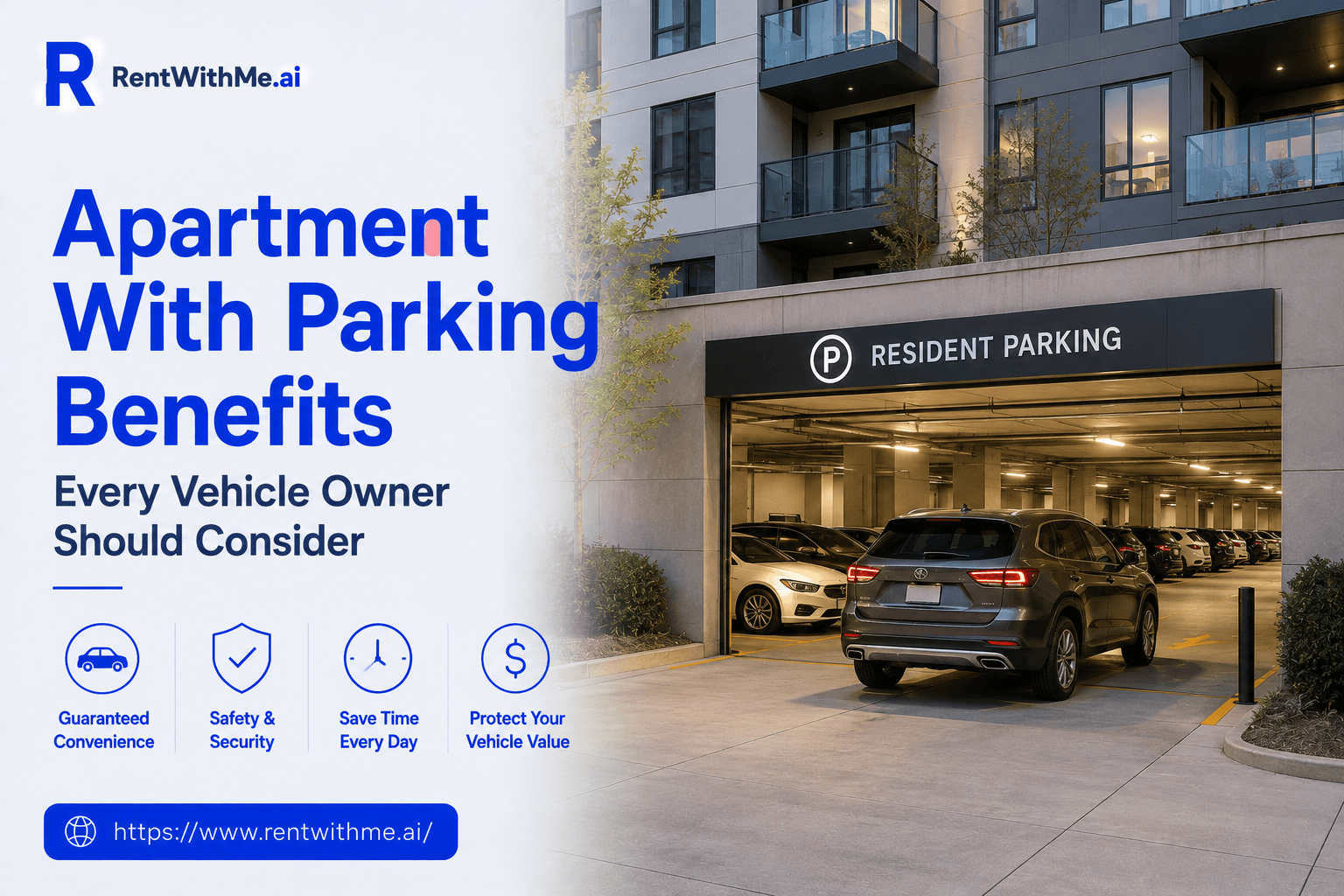
Apartment With Parking Benefits Every Vehicle Owner Should Consider
Introduction
For renters who own a vehicle, parking can be much more than a convenience. It can affect daily routines, monthly expenses, vehicle security, weather exposure, commuting time, and even how practical an apartment feels after move-in.
In a city like New York, where parking availability can vary dramatically from one neighborhood to another, finding an apartment with a reliable parking option may save considerable time and stress. However, the word parking in a listing can mean many different things.
One property may include an assigned space in the monthly rent, while another may offer optional garage parking for an additional fee. Some buildings provide outdoor lots, covered parking, valet service, or spaces with limited availability.
Vehicle owners should therefore evaluate parking with the same care they use when comparing rent, location, and apartment size. A convenient space can provide significant value, but only when it fits the vehicle, budget, schedule, and long-term needs of the renter.
This guide explains the most important benefits and tradeoffs of renting an apartment with parking. It also shows what drivers should inspect before signing a lease so they can avoid hidden problems and make a more informed housing decision.

Why Parking Can Be a Major Apartment Feature for Vehicle Owners
A dedicated parking option can simplify everyday life in ways that become more noticeable over time. Without reliable parking, drivers may spend several minutes or longer searching for a legal space after every trip. That inconvenience can become especially frustrating after work, during bad weather, or when carrying groceries and other items.
Dedicated parking can also make departures more predictable. Instead of leaving extra time to walk several blocks to a parked vehicle, renters know exactly where their car is located.
This predictability can matter for commuters, parents, healthcare workers, business owners, and anyone with a schedule that requires regular driving.
Parking may also reduce exposure to some street-related risks, depending on the type of facility. A controlled garage or private lot can offer a different environment from open curbside parking.
The overall value depends on how frequently you drive. Someone who uses a vehicle every day may place far more importance on parking than a renter who drives only occasionally.
Understanding the Difference Between Included, Assigned, Reserved, and Paid Parking
Parking terminology can be confusing because similar phrases do not always mean the same thing.
Included parking usually means the cost of a parking arrangement is incorporated into the rental terms, although renters should still confirm exactly what is provided.
Assigned parking generally means a specific space is designated for your vehicle. This can be useful because you know where you are expected to park every time.
Reserved parking may function similarly, but the exact rules depend on the property. Some buildings reserve spaces by number, permit, vehicle registration, or another system. Paid parking means the space requires an additional recurring charge beyond apartment rent. The fee may be mandatory, optional, or subject to availability.
Some properties also provide unassigned resident parking. In those situations, residents may have permission to park in a lot without receiving a guaranteed specific space. Always ask what the parking arrangement actually includes before treating it as a rental benefit.

Comparing On-Site Parking With Street Parking
Street parking can sometimes reduce housing costs, but it may also create uncertainty. Availability can change based on time of day, neighborhood demand, street cleaning, construction, temporary restrictions, events, or weather-related conditions.
On-site parking provides more predictability because the vehicle remains connected to the residential property. Depending on the building, this may reduce the time spent searching for parking after each trip.
However, on-site parking is not automatically better in every situation. A poorly designed lot, narrow garage, difficult entrance, or expensive monthly fee can reduce the value of the arrangement. Street parking may still be practical in neighborhoods with consistent availability.
Vehicle owners should compare both options realistically. Consider how long you expect to spend searching for street parking, how far you may need to walk, whether local parking rules are manageable, and how often you actually drive.
The best choice is the one that supports your actual routine without creating unnecessary cost.
Evaluating Parking Convenience During Daily Commutes
Parking should be evaluated as part of the full commute. If you drive to work regularly, consider how quickly you can reach your vehicle from the apartment and how easy it is to enter or exit the property.
A parking garage located directly beneath the building may provide significant convenience. A remote lot several blocks away may offer less practical value even if it is technically considered part of the property. Traffic flow around the entrance matters too.
A garage exit onto a heavily congested street can add time to the commute, especially during morning rush hour. A difficult left turn or narrow driveway may create repeated frustration. Test the parking setup during the time you expect to leave or return when possible.
A garage that seems easy to navigate on a quiet afternoon may become more challenging when many residents are entering or exiting at the same time. Daily convenience is usually more important than how impressive the parking facility looks during a tour.

Understanding Security, Lighting, and Access Control
Vehicle owners should evaluate the overall security environment of any parking facility. Look at lighting, entry systems, gates, garage doors, cameras, and how easily unauthorized vehicles or pedestrians can enter.
A secured garage may use key fobs, remotes, access cards, license plate systems, or another control method. Ask how residents enter and what happens if an access device is lost or stops working.
Lighting matters because renters often enter or leave parking areas early in the morning or late at night. Dark corners, poorly illuminated stairwells, or isolated areas may make the facility less comfortable to use.
Security cameras can provide additional monitoring, but renters should not assume cameras eliminate all risk. Ask whether the property has rules for vehicle storage, valuables left inside cars, and reporting incidents.
The goal is to understand how the parking area is managed rather than assuming any private facility is automatically secure.
Considering Garage, Covered, and Outdoor Parking Options
Different parking types offer different advantages. A fully enclosed garage can provide protection from rain, snow, direct sun, and some forms of weather exposure. It may also reduce the amount of time spent clearing a vehicle during winter conditions.
Covered parking provides some protection while remaining more open than a garage. It can help shield vehicles from precipitation and direct sunlight depending on the design.
Outdoor parking is usually simpler and may cost less, but vehicles remain more exposed to weather, debris, temperature changes, and other environmental conditions. Garage parking can also introduce practical limitations.
Clearance height, narrow ramps, tight turns, small spaces, and structural columns can make some garages difficult for larger vehicles. Evaluate the actual space rather than choosing a parking type based only on the label.

Balancing Parking Costs With Monthly Rent
Parking should be included in your total housing budget. A lower apartment rent can become less attractive if parking requires a large additional monthly payment. Conversely, a higher-rent apartment that includes parking may provide better overall value.
Calculate the complete monthly housing cost before comparing properties. Include rent, parking, utilities, transportation, insurance, and other recurring expenses that affect your budget.
Then compare what the parking fee actually saves you. If street parking would require frequent paid garages, parking tickets, additional commuting time, or long walks, a dedicated space may justify its cost.
If you rarely drive and street parking is consistently available, paying a substantial monthly fee may provide little value. Parking decisions should therefore be based on usage rather than assumption.
Apartment and Building Features That Matter for Drivers
Drivers should evaluate more than the parking space itself. Building access between the apartment and parking area can affect convenience every day. Elevators, stairways, covered walkways, and direct garage connections may make a significant difference.
Package loading and grocery unloading also deserve attention. A garage close to an elevator or building entrance can simplify carrying heavy items. Some properties provide temporary loading zones that help residents move belongings between vehicles and apartments.
Storage may matter as well. Drivers who keep seasonal equipment, car-care supplies, bicycle racks, or other vehicle-related items may benefit from additional building storage where permitted. The overall building layout should make vehicle use easier rather than creating extra steps.

Common Mistakes Renters Make When Evaluating Parking
One common mistake is assuming that parking listed in an advertisement is automatically included in the rent. Always verify whether there is an additional charge.
Another mistake is failing to confirm whether the space is guaranteed. Some properties provide parking only on a first-come basis. Vehicle owners also sometimes forget to test whether their car actually fits comfortably in the space.
Large SUVs, trucks, vans, or vehicles with roof accessories may face issues with garage clearance or narrow stalls. Another common error is ignoring the route between the apartment and parking facility.
A technically available space may be inconvenient if it requires walking outdoors several blocks or navigating difficult stairs. Some renters also overlook parking rules, permit requirements, guest policies, towing procedures, or restrictions on overnight parking.
These details can become expensive or frustrating if they are discovered only after move-in.
Benefits of Testing the Parking Setup Before Signing a Lease
The best way to understand a parking arrangement is to experience it. If possible, ask to see the actual space you would use rather than a representative example.
Drive into the garage or lot if the property allows it. Notice entrance width, ramp slope, turning radius, clearance, visibility, and traffic flow. Try parking the vehicle. A space that appears adequate when empty may feel very different once neighboring vehicles are present. Walk from the parking area to the apartment.
Count the number of doors, stairways, elevators, or outdoor sections involved. Imagine making the same trip while carrying groceries in bad weather. Also test the exit. Make sure leaving the property is straightforward and does not depend on difficult maneuvers. A ten-minute parking test can reveal issues that photographs and listing descriptions will never show.

Looking at Parking as Part of Your Entire Housing Decision
Parking should improve the apartment experience rather than dominate it.
A great garage cannot compensate for an apartment that is too expensive, poorly located, or uncomfortable. At the same time, a beautiful apartment may become frustrating if parking is consistently difficult. The strongest choice balances housing quality, location, vehicle access, and total monthly cost. Think about how often you drive today and whether that routine may change during the lease. A new job, longer commute, family change, or different vehicle could alter how valuable parking becomes.
The next stage of evaluation should therefore focus on the details that determine whether a parking setup remains practical over time. Lease rules, permits, guest parking, vehicle dimensions, weather protection, EV charging, security systems, maintenance responsibilities, and parking costs all deserve careful review before you make a final decision.
Understanding Parking Rules, Permits, and Lease Terms
Once you know that an apartment offers parking, the next step is understanding exactly how you are allowed to use it. Parking policies can be surprisingly detailed, and overlooking a small rule may create unnecessary inconvenience after move-in.
Start by determining whether parking is included in the apartment lease, covered by a separate agreement, or offered through another arrangement. If there is an additional monthly charge, confirm the amount, payment schedule, and circumstances under which that cost can change according to the agreement and applicable rules.
Ask whether your space is assigned or whether residents can use any available space. An assigned space usually provides greater predictability, while an unassigned lot may depend on availability at the time you return home.
Vehicle registration requirements are also common. A property may require residents to provide license plate information, vehicle descriptions, parking permits, stickers, or other identifying details.
Read rules regarding where permits must be displayed and what happens if one is lost or damaged. A simple administrative mistake can sometimes create towing or enforcement problems.
Parking rules may also address vehicle condition. Some properties restrict long-term storage, unregistered vehicles, commercial vehicles, oversized vehicles, trailers, motorcycles, or vehicles undergoing repairs.
Never assume that renting an apartment automatically gives you unlimited use of the parking area.
The written agreement should tell you what rights and responsibilities come with the space.

Confirming Whether Your Parking Space Is Guaranteed
The phrase “parking available” deserves careful attention.
It does not necessarily mean that every resident receives a guaranteed space. A building might have fewer spaces than apartments, maintain a waiting list, or offer parking only when another resident gives up a spot. Ask specifically whether a space will be available when your lease begins.
If parking is essential to your decision, try to have the arrangement clearly reflected in the appropriate rental documentation rather than relying only on an advertisement or casual conversation. Also determine whether the parking space remains yours for the entire tenancy.
Some buildings may assign spaces differently over time or manage parking through separate agreements. Understanding the arrangement before move-in reduces uncertainty later.
If the property cannot guarantee parking, evaluate what you would do when no space is available. Street parking, nearby garages, or other alternatives may exist, but their cost and convenience should become part of your apartment comparison.

Evaluating Guest and Visitor Parking Options
Resident parking may solve your everyday vehicle needs without helping visitors. If friends, relatives, caregivers, contractors, or other guests regularly visit your apartment, guest parking can become an important consideration. Some properties provide designated visitor spaces. Others require guests to use street parking, nearby commercial garages, or temporary permits.
Ask whether visitors must register their vehicles. A guest who parks in the wrong location could potentially face enforcement under property rules, so understanding the process before someone arrives can prevent problems. Time limits may apply as well. A visitor area intended for short stays may not allow overnight parking.
Guest parking becomes especially important for households that receive frequent visitors or depend on family members for transportation and support. Even if you rarely host guests, knowing the rules makes occasional visits easier to manage.
Considering Vehicle Size, Garage Clearance, and Space Dimensions
One of the easiest parking mistakes to avoid is assuming that every standard-looking space will accommodate your vehicle comfortably. Vehicle width and length vary considerably. Larger SUVs, pickup trucks, vans, and vehicles with accessories can require substantially more room than compact cars.
Garage clearance creates another concern. Roof racks, cargo boxes, bicycle carriers, and taller vehicles may approach or exceed height restrictions in some facilities.
Do not evaluate only whether the vehicle technically fits. You need enough room to open doors, enter and exit comfortably, turn through ramps, and maneuver around neighboring vehicles, walls, columns, and structural features. If you expect to change vehicles during the lease, consider future dimensions too.
A parking space that works perfectly for a compact sedan may become inconvenient if you later purchase a larger vehicle. Whenever possible, inspect the actual space with the vehicle you plan to park there.
Why Turning Radius and Garage Layout Matter
Parking dimensions tell only part of the story. A large parking stall can still be difficult to use when it is positioned beside a structural column or at the end of a narrow driving aisle.
Drive through the garage slowly if the property permits a test. Notice tight corners, steep ramps, blind turns, low ceilings, speed bumps, and areas where vehicles traveling in opposite directions must pass each other. Pay attention to the entrance and exit as well.
A narrow garage opening located directly beside a busy sidewalk may require additional caution. Similarly, a steep ramp can feel very different depending on your vehicle. Daily repetition makes minor inconveniences more noticeable. A difficult maneuver performed once during a tour may seem manageable, but doing it twice every day can become frustrating.
Weather Protection and the Value of Covered Parking
Weather protection can be one of the most noticeable benefits of apartment parking.
An enclosed garage may reduce exposure to rain, snow, ice, direct sunlight, and falling debris. This can make departures easier and reduce the amount of weather-related preparation required before driving. Covered parking can provide some of the same benefits without fully enclosing the vehicle.
Outdoor spaces generally provide less protection, although they may be easier to enter, more spacious, and less expensive. New York weather makes this comparison particularly relevant.
During winter conditions, covered parking may reduce the need to clear snow or ice from the vehicle. During hot periods, shade can reduce direct sun exposure depending on the parking structure and time of day. Weather protection should still be treated as one factor among many.
A convenient outdoor assigned space may provide greater everyday value than an enclosed garage that is difficult to navigate or located far from the apartment.
EV Charging Availability and Future Vehicle Needs
Electric vehicle ownership adds another dimension to apartment parking. If you currently drive an electric vehicle, determine whether the property provides charging equipment and whether residents are actually permitted to use it.
Do not assume that visible charging stations guarantee unrestricted access. Ask how charging is scheduled, billed, and managed. Determine whether chargers are shared among residents or connected to specific parking spaces. Availability matters as much as installation.
A building with only a small number of charging spaces may create competition during popular charging periods. If you do not currently own an electric vehicle, charging availability may still be worth considering if you expect to change vehicles during a longer tenancy.
However, do not pay a substantial premium for a feature you are unlikely to use unless the apartment provides enough other benefits to justify the cost. Technology and building policies can evolve, so confirm current details directly rather than relying on older listings.
Security Cameras, Gates, Lighting, and Building Access
Parking security should be evaluated as a complete system rather than one isolated feature. Cameras can help, but lighting, access control, visibility, entrances, and procedures also matter.
Walk through the parking area carefully during your apartment tour and observe conditions. Look for poorly lit corners, hidden spaces, damaged gates, or unnecessarily open doors.
Ask how residents normally enter and exit the parking facility each day. Key fobs, remotes, codes, electronic gates, and similar systems can control access effectively.
Each access system should also include procedures for lost or malfunctioning devices. Understanding those procedures can prevent unnecessary problems when an access device suddenly fails.
Consider the complete route between your vehicle and the building’s residential entrance carefully. Vehicle access may be controlled while pedestrian routes remain exposed, inconvenient, or poorly designed.
No parking facility can completely prevent theft, vehicle damage, or other unexpected incidents. Vehicle owners should still follow sensible security practices and applicable insurance requirements consistently.
Parking Lot and Garage Maintenance Responsibilities
A well-maintained parking facility can make everyday vehicle ownership considerably easier for renters. Inspect pavement, drainage, lighting, markings, signage, gates, doors, and overall cleanliness carefully.
Potholes and damaged surfaces can make parking uncomfortable and may worsen without maintenance. Their condition can also provide useful clues about the property’s general maintenance standards.
Drainage deserves close attention in outdoor lots and lower-level parking garages especially. Standing water can create inconvenience and may indicate maintenance problems requiring further investigation.
Ask who handles snow removal from shared driving and parking areas when relevant. Also clarify whether renters must keep individual spaces clean and free from stored items.
Vehicle repairs may also be restricted within residential garages and parking areas entirely. Some properties prohibit oil changes, mechanical work, washing, or similar activities on-site.
Review the parking rules before assuming routine vehicle work is allowed there. Understanding these restrictions early can prevent inconvenience after you have already moved in.
Understanding Towing and Parking Enforcement Policies
Private residential parking usually operates under specific enforcement procedures and building rules. Unauthorized vehicles, invalid permits, restricted parking, or occupied assigned spaces may trigger towing.
Read all applicable parking rules carefully before relying on your assigned space regularly. Understand what happens when another vehicle is parked where your vehicle belongs.
Residents should generally follow established property procedures rather than resolving enforcement disputes themselves. Knowing the correct process can reduce conflict and unnecessary delays when problems occur.
Guest vehicles deserve particular attention because buildings may require permits or advance registration. Make sure you understand those procedures before visitors arrive and attempt to park.
Also ask what happens when your usual parking permit becomes temporarily unavailable unexpectedly. Knowing that process can prevent minor access problems from becoming significant inconveniences later.
Comparing Parking Costs With Alternative Transportation Options
Vehicle owners should periodically evaluate whether dedicated parking continues making financial sense overall. Parking fees represent only one part of the total cost of vehicle ownership.
Insurance, fuel, charging, maintenance, registration, tolls, and other expenses also affect budgets. Together, these costs can make driving a substantial monthly household financial commitment.
For some renters, dedicated parking remains essential because they drive to work regularly. Others may need vehicles for destinations that are difficult to reach otherwise.
For renters driving infrequently, the parking premium may provide less recurring practical value. Compare total vehicle expenses with realistic transportation alternatives that could meet your needs.
This does not mean giving up your vehicle is automatically the better choice. The goal is understanding what parking convenience costs and whether that value feels worthwhile.
Comparing Common Parking Arrangements
Different parking arrangements suit different renters.
| Parking TypeMain AdvantagePotential Tradeoff | ||
|---|---|---|
| Assigned garage space | Predictability and weather protection | Higher monthly cost |
| Assigned outdoor space | Guaranteed location and easier access | Greater weather exposure |
| Covered parking | Partial weather protection | May still be open to outdoor conditions |
| Unassigned resident lot | Flexibility within the property | Space may not always be in the same location |
| Street parking | May avoid a building parking fee | Availability can be unpredictable |
| Nearby commercial garage | Useful when building parking is unavailable | Separate location and potentially higher cost |
The best option depends on your vehicle, budget, neighborhood, driving frequency, and preferences. Your tolerance for uncertainty should also influence which arrangement provides the greatest value.
Do not assume the most expensive parking option automatically provides the strongest value. A simpler arrangement may work better when it matches your actual driving routine.
Questions to Ask During an Apartment Tour With Parking
Parking deserves its own dedicated portion of every apartment tour involving vehicle ownership. Do not wait until the end and simply ask whether parking exists.
Important questions include:
- Is the parking space guaranteed?
- Is parking included in rent or charged separately?
- Will I receive an assigned space?
- Can I inspect the actual space?
- Are there vehicle size or height restrictions?
- How do residents enter and exit the parking facility?
- Are guest spaces available?
- What permits or registration information are required?
- Are there restrictions on overnight guests?
- Does the property offer EV charging?
- How are charging costs handled?
- What happens if another vehicle occupies my assigned space?
- Are there rules about vehicle repairs or washing?
- How is snow removal handled where applicable?
- Are motorcycles or additional household vehicles permitted?
- What happens if my parking access device is lost?
After asking these questions, compare answers with applicable written parking or rental documents. Verbal explanations provide context, but important usage and financial terms require written confirmation.
Testing the Parking Setup at Realistic Times
Parking conditions can change significantly throughout different periods of an ordinary day. A nearly empty weekday garage may feel completely different during evening resident arrivals.
If parking strongly influences your decision, consider visiting during busier periods when practical. Observe entrance traffic and whether vehicles regularly queue while entering or exiting facilities.
For unassigned lots, evening visits may reveal a more realistic availability picture. Street parking should also be tested during times residents normally return home.
Several empty daytime spaces reveal little about typical evening parking availability in practice. A realistic test usually provides better information than one convenient apartment-tour snapshot.
Evaluating Grocery and Package Convenience
Parking becomes especially valuable when transporting groceries, packages, equipment, or children’s belongings regularly. Measure the distance between your likely parking space and the apartment entrance carefully.
Direct garage-to-elevator access can make carrying heavy household items substantially easier each week. Outdoor lots separated by doors or stairs may create more effort repeatedly.
Ask whether resident carts are available when the building provides this convenience. Loading areas can also simplify moving large purchases, deliveries, or household equipment temporarily.
Even when assigned parking sits farther away, nearby loading areas can improve convenience. Small practical advantages become more valuable when repeated throughout every ordinary week.
Considering Multiple Vehicles in One Household
Households with multiple vehicles need additional planning before committing to an apartment lease. Do not assume one included space means another parking spot will be available.
Ask whether residents can rent additional spaces and whether waiting lists currently exist. If only one vehicle fits on-site, determine realistic alternatives for the second vehicle.
Street parking or nearby garages may work, but include their expense and inconvenience. These costs should remain part of the broader apartment comparison before signing.
Decide which household vehicle benefits most from the dedicated assigned parking space available. A frequently used commuter vehicle may deserve predictable access more than occasional-use vehicles.
The household should understand the complete parking arrangement before completing the apartment lease. Clear planning prevents frustration after both vehicles need dependable parking at the same time.
Parking Considerations for Remote and Hybrid Workers
Remote and hybrid work can significantly change how renters value dedicated apartment parking. Someone driving less frequently may find premium parking increasingly difficult to justify financially.
However, secure predictable parking can become valuable when vehicles remain unused for longer periods. The best choice depends on driving frequency and realistic alternative parking availability nearby.
Hybrid workers should also consider the specific days they still commute regularly. Guaranteed parking may remain valuable when those mornings involve limited time and busy schedules.
Evaluate parking using your current routine while allowing reasonable flexibility for likely future changes. Work arrangements can shift, so parking should remain practical without creating unnecessary expense.
Parking and Long-Term Vehicle Plans
A rental lease may continue longer than your current vehicle ownership plans. Consider whether you expect larger vehicles, electric vehicles, or additional household cars later.
A parking facility barely fitting your current vehicle may become inconvenient after upgrading. Similarly, limited EV charging may matter if your next vehicle becomes electric.
Do not overestimate speculative future needs, but consider realistic changes during the lease. Long-term flexibility can make one parking arrangement more useful than another comparable option.
Building a Complete Monthly Vehicle Budget
Parking should never be evaluated separately from the rest of vehicle ownership expenses. Consider the complete monthly cost of maintaining car access from your apartment.
That may include parking, insurance, fuel, electricity, tolls, maintenance, and registration-related expenses. Other recurring vehicle costs should also remain part of your overall household budget.
Then compare those expenses with how much practical value the vehicle provides regularly. Some households require driving for work, family responsibilities, or difficult transportation routes.
Others primarily keep vehicles for occasional convenience rather than essential daily transportation needs. Understanding the complete cost can clarify how much apartment parking is actually worth.
This approach becomes especially helpful when comparing properties with very different parking arrangements. The lowest apartment rent may not create the lowest total transportation expense overall.
Preparing for the Final Parking Comparison
Parking should now be viewed as part of the complete rental experience overall. The strongest setup combines predictable access, reasonable security, suitable dimensions, and manageable costs.
Rules should also align with your normal driving habits and household expectations. Guest policies, charging, weather protection, maintenance, and loading access may add meaningful value.
The apartment itself should remain equally important throughout the final comparison process. Excellent parking should never justify accepting housing that fails your essential residential requirements.
Likewise, an attractive apartment should not excuse parking arrangements creating constant daily frustration. Both the residence and vehicle setup need to function together comfortably.
Applying these factors to realistic situations can make the final decision much easier. Consistent comparison also prevents one attractive parking feature from dominating broader housing priorities.
The next stage should examine examples, common questions, mistakes, and complete evaluation criteria. Bringing those factors together helps renters choose parking that supports long-term apartment satisfaction.
Real-Life Apartment Parking Examples for Different Vehicle Owners
Parking needs vary significantly between different renters and household driving patterns over time. Daily commuters, occasional drivers, EV owners, and multi-car households may value parking differently.
The following examples show how cost, convenience, and practicality influence apartment decisions differently. Each renter evaluates parking based on personal routines rather than one universal standard.
A Daily Commuter Chose an Assigned Garage Space
Jason drove to work five weekdays and wanted predictable vehicle access every morning. He compared two apartments offering similar rent but very different parking arrangements.
One depended entirely on street parking, while another offered assigned garage parking separately. After testing evening street parking, Jason found searches could add twenty minutes regularly.
He chose garage parking because predictability and time savings justified the additional cost. The decision made both morning departures and evening returns significantly easier each day.
An Occasional Driver Avoided an Expensive Parking Premium
Sophia owned a vehicle but worked remotely and drove only occasionally each month. One apartment offered premium garage parking for a substantial additional monthly charge.
Another property had practical nearby street parking without the same dedicated parking premium. Because Sophia drove infrequently, the garage provided limited recurring value for her lifestyle.
She chose the lower-cost apartment and preserved monthly flexibility for other important priorities. Her decision shows parking value should reflect realistic usage rather than perceived convenience.
An Electric Vehicle Owner Prioritized Charging Access
Daniel expected to keep his electric vehicle throughout a multi-year rental lease period. He compared buildings carefully based on charging availability, billing, and reliable resident access.
One property had several chargers but lacked a clearly organized resident-use system. Another provided structured charging access connected directly with assigned resident parking spaces.
Daniel selected the second property because predictable long-term convenience mattered more than lower rent. Reliable charging became an important practical part of his vehicle and housing routine.
A Family Needed Space for a Larger Vehicle
Maria and Kevin owned a larger SUV and considered an apartment with underground parking. Instead of assuming compatibility, they tested the actual garage before committing to lease.
One available space was difficult to enter because of a nearby structural column. The property showed them another space offering better clearance and more comfortable turning room.
That simple test prevented a parking inconvenience they would otherwise experience every day. Their example shows why inspecting the actual assigned space matters before signing.
These examples show parking value depends on vehicles, schedules, and household financial priorities. No single parking arrangement provides the strongest value for every renter equally.
Frequently Asked Questions About Apartments With Parking
Vehicle owners often share similar questions when comparing apartment parking arrangements and costs. Understanding those questions early can make property comparisons clearer and more financially realistic.
Is apartment parking always included in rent?
No, apartment parking is not always included within the advertised monthly rental amount. Some properties charge separately, while others include parking within broader rental arrangements.
Parking may also be optional, assigned, unassigned, or limited by current availability. Always confirm the actual parking structure before signing any rental or parking agreement.
Is assigned parking better than unassigned parking?
Assigned parking offers greater predictability because one specific space remains designated for you. This arrangement can reduce uncertainty when returning home during busy evening periods.
Unassigned parking may still work well when properties maintain enough spaces for residents. However, renters should evaluate real availability during the times they normally need parking.
Should I pay more for garage parking?
That depends on driving frequency, weather concerns, budget, neighborhood conditions, and vehicle needs. Daily drivers may receive substantial value from predictable protected parking and easier access.
Occasional drivers may receive much less practical value from the identical parking premium. Compare annual costs with realistic usage before deciding whether garage parking feels worthwhile.
How do I know whether my vehicle will fit?
Inspect the actual parking space whenever possible before committing to the apartment. Check width, length, clearance, ramps, columns, turning radius, and door-opening space carefully.
Is EV charging an important apartment feature?
EV charging can be very important for current or future electric vehicle owners. Confirm availability, billing, access procedures, and whether charging spaces remain practical for residents.
What should I ask about guest parking?
Ask whether visitor spaces exist and whether guests need parking permits beforehand. Confirm allowed parking duration and whether overnight guest parking is permitted within property rules.
What if another vehicle parks in my assigned space?
Follow the property’s established enforcement process rather than handling the issue yourself. Ask about procedures before moving so you know exactly whom to contact later.
Complete Apartment Parking Evaluation Checklist
Use this checklist when comparing apartments that offer different parking arrangements and conditions. Reviewing each item consistently can make final property comparisons more practical and reliable.
- Confirm whether parking is actually available.
- Determine whether the space is guaranteed.
- Verify whether parking is included in rent.
- Identify all additional parking charges.
- Confirm whether the space is assigned or unassigned.
- Inspect the actual parking space when possible.
- Test whether your vehicle fits comfortably.
- Check garage height clearance.
- Evaluate turning radius and ramp design.
- Walk from the parking space to the apartment.
- Review lighting and access-control systems.
- Ask about cameras and security procedures.
- Understand guest parking rules.
- Review permit or registration requirements.
- Ask about towing and enforcement policies.
- Confirm weather-related maintenance responsibilities.
- Evaluate snow removal where relevant.
- Ask about EV charging availability.
- Understand charging costs and access.
- Review restrictions on repairs or vehicle washing.
- Consider whether a second household vehicle can be accommodated.
- Evaluate loading and grocery convenience.
- Compare parking costs with street or commercial alternatives.
- Consider future vehicle size or charging needs.
- Read parking terms in the written rental documents.
A checklist helps renters compare properties using consistent standards instead of general impressions. One garage may look better initially while another provides stronger everyday functionality overall.
Expert Tips for Choosing the Best Parking Setup
Start by considering how often you actually drive during a typical week. Daily drivers usually gain more value from predictable parking than occasional weekend drivers.
Measure the complete routine instead of evaluating only the parking space itself. Consider reaching the vehicle, leaving, returning, and carrying belongings between parking and home.
Inspect the actual stall whenever possible because garage spaces can vary substantially. Columns, neighboring spaces, walls, and structural features can change everyday usability significantly.
Think realistically about your specific vehicle dimensions and normal driving requirements today. Compact cars and larger SUVs can require very different clearance and turning space.
Evaluate security without assuming private garages eliminate all vehicle-related risks completely. Lighting, controlled access, and professional management can improve the overall parking environment.
Finally, compare parking expenses against the convenience your specific routine actually receives. A premium makes sense only when its practical value fits your budget comfortably.
Common Parking-Related Rental Mistakes to Avoid
Many parking problems begin because renters make assumptions before signing their leases. Careful verification can prevent recurring inconvenience after residents have already moved into buildings.
One common mistake is interpreting “parking available” as meaning parking is guaranteed. Those phrases can describe very different arrangements depending on availability and property rules.
Another mistake is failing to inspect the actual parking space before signing. Columns, walls, or neighboring spaces can make technically adequate stalls surprisingly difficult.
Some renters inspect the garage carefully but overlook the building’s vehicle exit. Difficult driveways or congested streets can create repeated frustration during ordinary trips.
Others underestimate guest parking needs or learn permit requirements only after problems. Understanding visitor procedures beforehand can prevent warnings, towing, or other enforcement issues.
The table below summarizes several avoidable parking mistakes and stronger evaluation approaches. Use these comparisons to identify potential problems before committing to the rental.
| Common MistakeBetter Approach | |
|---|---|
| Assuming parking is included | Confirm all costs in writing |
| Assuming a space is guaranteed | Verify availability before signing |
| Not testing vehicle fit | Inspect and test the actual space |
| Ignoring garage clearance | Check height and accessory limits |
| Overlooking guest rules | Review visitor parking procedures |
| Paying for premium parking you rarely use | Compare cost with driving frequency |
| Ignoring future EV needs | Consider charging availability |
| Not reading enforcement rules | Understand permits and towing procedures |
Most parking problems can be prevented through careful tours and clear written information. Confirming costs, access, restrictions, and space details before signing can reduce surprises.
Additional Ways to Reduce Parking Stress and Vehicle Expenses
Parking convenience matters, but practical habits can simplify ownership after moving as well. Small organizational choices can reduce repeated stress around everyday parking and vehicle access.
Keep parking permits, access cards, and garage remotes in consistent designated locations. Replacing lost devices can be inconvenient and may involve additional property charges.
Avoid leaving valuables visible inside your vehicle even within controlled parking facilities. Sensible security practices remain important regardless of gates, cameras, or building access systems.
Maintain your vehicle regularly so mechanical issues do not disrupt shared garage operations. Understand procedures for emergencies, towing, or roadside assistance before problems unexpectedly occur.
Combine driving trips whenever practical to reduce unnecessary transportation expenses over time. Fewer trips can lower fuel, charging, toll, and maintenance costs throughout ownership.
Review your total vehicle budget periodically because transportation expenses can change significantly. Parking, insurance, maintenance, fuel, charging, and other costs may shift during leases.
If driving becomes less important, premium parking may eventually provide insufficient practical value. Reassessing your transportation routine can reveal opportunities to reduce unnecessary monthly expenses.
Parking Considerations for Families
Families often place greater value on convenient and predictable vehicle access overall. Everyday household items can make longer walks between parking and home inconvenient.
Car seats, strollers, groceries, school supplies, and sports equipment require practical loading space. Direct garage-to-elevator connections can therefore provide meaningful value for many families.
Loading zones can also make errands, deliveries, and larger household tasks easier. Convenient temporary access may matter even when assigned parking sits farther away.
Parents should consider whether parking spaces allow vehicle doors to open safely. Helping children enter or exit requires more clearance than simply parking the vehicle.
The best family parking arrangement supports storage, loading, and ordinary transportation routines consistently. Practical access can matter more than premium finishes elsewhere in the parking facility.
Parking Considerations for Older Adults and Renters With Mobility Needs
Parking distance can become particularly important for older adults and mobility-conscious renters. The complete route should be evaluated rather than simply confirming garage availability.
Look carefully at stairs, elevators, ramps, thresholds, and transitions between parking and home. Each additional obstacle can affect convenience when carrying belongings or moving regularly.
Covered routes may provide additional comfort during rain, snow, heat, or cold. Weather protection can become especially useful for renters who move more carefully outdoors.
Do not judge accessibility only by whether the property includes dedicated parking. The entire path from vehicle to apartment should comfortably support the renter’s needs.
Potential future mobility changes may also matter when choosing longer-term housing arrangements. Reasonable flexibility can make one parking setup more sustainable over several lease periods.
Parking Considerations for Remote and Hybrid Workers
Remote workers may drive less frequently than renters commuting to offices daily. Reduced driving can lower the value of premium parking convenience over time.
However, less frequent driving may increase the importance of reliable long-term vehicle storage. Predictable access and well-maintained surroundings matter when cars remain parked for days.
Hybrid workers should evaluate parking according to their actual current office schedules. Guaranteed spaces may still help when commuting days are particularly stressful or busy.
Avoid paying according to an older routine that no longer matches usage patterns. Parking value should reflect current driving frequency while allowing reasonable flexibility for changes.
Comparing Parking With Public Transportation Access
Some renters must choose between stronger parking access and better public transportation options. These transportation systems should be evaluated together rather than treated as separate considerations.
Excellent transit access may reduce how frequently you need to use your vehicle. Conversely, limited transportation options can make reliable dedicated parking substantially more valuable.
If you drive mainly on weekends, premium garage parking may provide limited value. Strong transit for work can reduce the importance of highly convenient daily vehicle access.
If your job requires regular driving, dependable parking may outweigh nearby subway access. The best housing choice should reflect your complete transportation routine and priorities.
When Paying More for Parking Can Make Sense
A parking premium can make sense when it repeatedly solves meaningful everyday problems. Daily drivers may save considerable time by avoiding regular street-parking searches entirely.
Covered or enclosed parking can also reduce inconvenience caused by difficult weather conditions. Weather protection may provide recurring value for drivers using vehicles every day.
Secure, accessible garages can help renters returning late or carrying heavy belongings frequently. EV owners may also value reliable charging enough to justify additional parking expenses.
The most important consideration remains frequency and how often each benefit gets used. Everyday advantages can justify higher costs more easily than rarely used conveniences.
When Street Parking May Be the Better Choice
Street parking can remain practical in neighborhoods where availability is relatively dependable. Renters who drive infrequently may save significantly by avoiding monthly building parking charges.
Test street parking during realistic evening, weekend, and high-demand periods before deciding. Daytime availability may not represent conditions when most neighborhood residents return home.
Understand local signage, restrictions, alternate-side rules, and other applicable parking requirements carefully. Free parking loses convenience when vehicles require frequent movement or long searching periods.
The right choice ultimately depends on your tolerance for uncertainty and recurring effort. Some renters value savings more, while others prefer predictability enough to pay extra.
Thinking About Parking During Move-In and Move-Out
Parking arrangements can significantly affect both move-in and move-out logistics for renters. Ask whether loading zones, temporary access procedures, or moving vehicle restrictions apply.
Garage spaces may not accommodate moving trucks because of height or size limitations. Understanding clearance beforehand can prevent difficult surprises on your scheduled moving day.
Personal vehicles can simplify multiple moving trips when convenient parking remains available nearby. Easy temporary access can reduce carrying distances and repeated unloading complications considerably.
Move-out procedures deserve similar planning because parking access may end with tenancy. Confirm when permits, remotes, keys, or access cards must be returned properly.
These details are easy to overlook until the final moving day approaches. Early planning can make both arrival and departure significantly smoother and less stressful.
Planning for Vehicle Emergencies
Parking arrangements should also support unexpected situations involving disabled or damaged vehicles. Ask what happens when your vehicle becomes immobile within the garage facility.
Some properties may have specific procedures for towing or roadside assistance access. Garage entrances and clearances can determine whether service vehicles can enter safely.
Keep important roadside assistance information available so you can respond quickly when needed. Prepared contact information can reduce delays during already inconvenient vehicle emergencies.
If your vehicle blocks another resident, contact property management as quickly as possible. Clear communication can help resolve access issues while following established building procedures.
Emergency planning rarely determines which apartment you choose during the rental search. However, understanding procedures beforehand can prevent significant confusion when unexpected problems eventually happen.
Creating Your Final Apartment Parking Comparison
When your search narrows, compare each property’s parking features using consistent criteria carefully. Record cost, type, security, distance, vehicle fit, guest rules, and charging options.
Include weather protection, major restrictions, access procedures, and other features affecting usage. Then compare those parking factors with the apartment’s broader advantages and disadvantages.
A slightly less convenient garage may be acceptable when the apartment performs better. Parking needs should be strong enough without necessarily winning every comparison category available.
Likewise, an excellent apartment may become frustrating when parking creates daily complications. Repeated parking problems can eventually outweigh attractive interior features or convenient building amenities.
Rank each parking feature according to how frequently you will realistically use it. Daily assigned parking deserves more weight than guest spaces used only occasionally.
Final Advice Before Renting an Apartment With Parking
Do not treat parking as a simple yes-or-no feature on rental listings. Confirm availability, cost, location, assignment, and whether your vehicle fits comfortably.
Inspect the parking setup personally whenever possible before making the final rental decision. Test entrances, exits, ramps, stalls, clearances, and the route back home.
Review all written parking rules carefully before agreeing to the rental arrangement. Permit requirements, guest policies, towing, charging, and restrictions can affect everyday use.
Compare the complete monthly parking cost with how often you actually drive. Convenience should provide enough recurring value to justify whatever additional expense is required.
Finally, consider how your vehicle and transportation needs may change during tenancy. Flexible parking arrangements can remain useful even when household routines evolve over time.
Conclusion
Apartment parking can provide significant value, but availability alone does not guarantee convenience. A strong arrangement should fit your vehicle, routine, budget, and everyday transportation needs.
Good parking should offer predictable access and remain financially manageable throughout the lease. It should also support everyday loading, unloading, guest needs, and vehicle security considerations.
Parking types provide different combinations of convenience, protection, cost, and overall flexibility. Garages, outdoor spaces, covered parking, resident lots, streets, and commercial facilities differ substantially.
Vehicle owners should carefully evaluate physical design before committing to any arrangement. Clearance, dimensions, ramps, lighting, turning space, and walking routes influence everyday usability.
Written parking rules deserve equal attention because they control important practical expectations. Understand permits, guests, enforcement, charges, restrictions, and any separate parking agreement beforehand.
Security and weather protection can add considerable value for renters driving frequently. These benefits may matter even more when vehicles remain parked for extended periods.
EV charging represents another increasingly important consideration for many current vehicle owners. Long-term renters may also value future charging flexibility during their expected tenancy period.
Most importantly, parking should remain part of the complete apartment decision overall. Convenient parking cannot compensate for housing that is unaffordable or otherwise unsuitable.
Similarly, a great apartment can become frustrating when parking creates repeated daily problems. Housing quality and transportation practicality need to work together for long-term satisfaction.
Carefully balancing rent, location, apartment quality, transportation, and parking improves decision-making considerably. This broader approach helps vehicle owners choose housing that supports everyday routines effectively.
The best parking arrangement makes arriving, storing the vehicle, and leaving feel simple. Detailed tours, questions, written terms, and future planning support more confident rental decisions.