
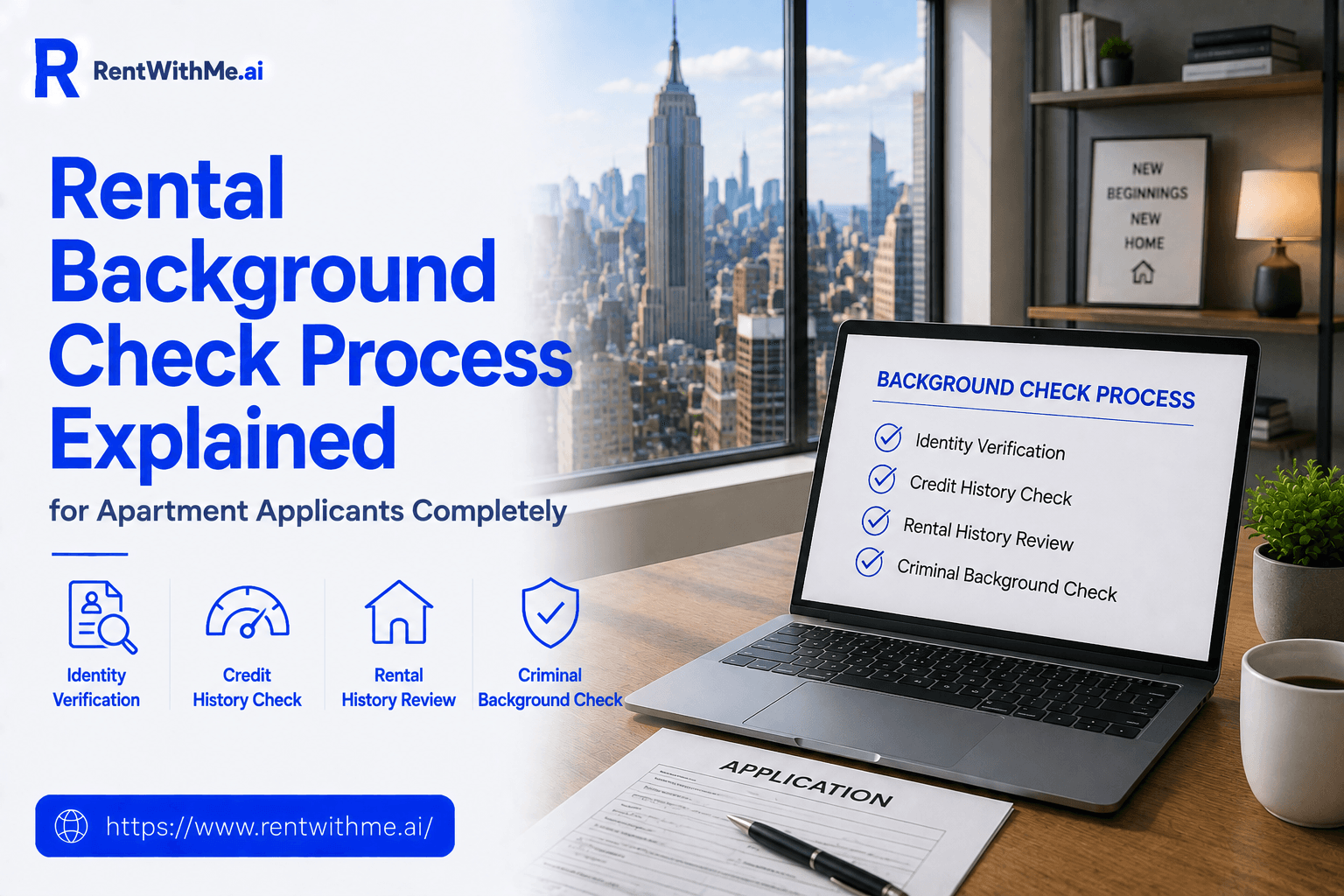
Rental Background Check Process Explained for Apartment Applicants Completely
Introduction
Finding the right apartment is only the first step in the rental journey. Before handing over the keys, most landlords and property management companies carefully evaluate each applicant to determine whether they meet the property’s leasing requirements. One of the most important parts of this evaluation is the rental background check.
For many apartment seekers, the words “background check” create unnecessary anxiety. Applicants often wonder what information landlords can see, how the process works, whether past mistakes will affect approval, and how long the screening will take. Understanding the process before you apply can remove much of this uncertainty.
A rental background check is designed to help landlords make informed leasing decisions while giving qualified applicants an opportunity to demonstrate financial responsibility, rental reliability, and overall preparedness. It is only one part of a much broader application review that typically includes income verification, employment confirmation, rental history, and credit evaluation.
This guide explains the rental background check process from beginning to end. Whether you are applying for your first apartment or relocating to a new home, understanding each stage will help you prepare stronger applications, avoid common mistakes, and improve your chances of receiving approval.
Why Rental Background Checks Matter in the Apartment Application Process
Renting an apartment involves a significant financial commitment for both the tenant and the landlord. Property owners want confidence that the person signing the lease will meet their obligations throughout the rental term.
A rental background check helps landlords verify important information before approving an application. Rather than relying solely on details provided by the applicant, the screening process confirms information through professional verification services and publicly available records where legally permitted.
Background checks also create consistency in the leasing process. Property managers often follow established screening procedures for every applicant, helping them evaluate applications fairly according to their internal policies and applicable housing laws.
For renters, understanding why background checks are performed makes the process feel far less intimidating. Instead of viewing the screening as an obstacle, applicants can recognize it as a routine part of apartment leasing.
What Is a Rental Background Check?
A rental background check is a screening process used by landlords or professional tenant screening companies to review information relevant to an apartment application. The screening typically begins only after the applicant provides written authorization. Without proper permission, landlords generally cannot obtain many of the reports used during tenant screening.
The purpose of the background check is not simply to approve or reject applicants based on one factor. Instead, it provides additional information that helps landlords evaluate the overall strength of an application alongside employment, income, rental history, and financial qualifications.
Depending on the property’s screening policies, the report may include identity verification, address history, rental records, publicly available court records where legally permitted, and other information relevant to the leasing decision. Every landlord may use a different screening provider, which means the exact contents of the report can vary from one property to another.

When the Background Check Takes Place During the Rental Application Timeline
The rental background check usually occurs after you have submitted a completed apartment application along with all required supporting documents. Before ordering the screening report, leasing staff often review your application to confirm that it is complete. They verify that required documents such as identification, proof of income, employment information, and signed authorization forms have been received.
Once your application enters the formal review stage, the landlord or tenant screening company begins gathering information from approved sources. During this period, other verification activities such as employment confirmation, rental history verification, and credit review may also occur simultaneously.
A typical apartment screening process often follows this sequence:
- Submit the apartment application.
- Provide required documents and screening authorization.
- Complete identity and income verification.
- Rental background check is performed.
- Additional employment, rental, and financial reviews are completed.
- Landlord evaluates the complete application and makes a leasing decision.
Although each property follows its own procedures, understanding this timeline helps applicants know what to expect after submitting an application.
Why Landlords and Property Managers Perform Background Checks
Every landlord wants to minimize risk while selecting reliable tenants. A rental background check provides additional confidence that the information contained in the application is accurate and complete. It also helps property managers identify any issues that may require additional clarification before a lease is approved.
Rather than focusing on one isolated detail, landlords generally evaluate patterns that help them understand an applicant’s overall reliability. They consider how the background screening fits alongside employment verification, financial qualifications, and previous rental experience.
Many property management companies also rely on standardized screening procedures to ensure applications are reviewed consistently. Following established screening practices allows them to make informed decisions while maintaining a structured approval process.
Applicants who provide accurate information from the beginning often experience fewer delays because the background report is more likely to match the information already submitted.

What Information Is Commonly Included in a Rental Background Check
Many renters assume a background check only searches for criminal records, but the screening process is often much broader. Depending on the property’s policies and applicable laws, the report may include several categories of information that help landlords better understand the applicant’s rental history and identity.
The following table summarizes information that may commonly appear during a rental background check.
| Background Check Component | Purpose During Screening |
|---|---|
| Identity verification | Confirms applicant identity |
| Address history | Reviews previous residential addresses |
| Rental history | Confirms previous tenancy information |
| Public court records where permitted | Provides legally available public information |
| Eviction records where legally permitted | Reviews previous eviction history when applicable |
| Identity consistency | Confirms application information matches official records |
Not every apartment community reviews every category listed above. Screening procedures vary depending on the landlord, property management company, screening provider, and applicable local, state, and federal laws.
Background Check vs Credit Check vs Rental History Verification
Many apartment applicants mistakenly believe these three terms describe the same process. In reality, each serves a different purpose during tenant screening. A rental background check provides a broader review of information relevant to the application. A credit check focuses specifically on financial history and credit management, while rental history verification involves contacting previous landlords or reviewing prior tenancy records.
Each review answers different questions for the landlord. Together, they provide a more complete understanding of the applicant before a leasing decision is made.
For example, an applicant may have excellent income and credit while still requiring rental history verification to confirm previous lease performance. Likewise, a first-time renter with limited rental history may still present a strong application through stable employment, sufficient income, and organized documentation. Understanding the distinction between these screening methods helps applicants prepare the appropriate documents for each stage of the approval process.
Documents Applicants Should Prepare Before a Background Check
Being organized before apartment hunting makes the entire application process considerably smoother. Although the background check itself is completed by the screening provider, landlords usually request supporting documents that help verify the information submitted in your application. Preparing these documents in advance allows you to respond quickly if additional verification is needed.
Common documents landlords may request include:
- Government-issued photo identification.
- Recent pay stubs.
- Employment verification letter.
- Recent bank statements.
- Previous landlord contact information.
- Signed background check authorization.
Providing complete, accurate documentation demonstrates professionalism while reducing unnecessary delays. Applicants who prepare these records before applying often move through the screening process more efficiently.

Common Misconceptions About Rental Background Checks
Many renters worry about background checks because they misunderstand how the process actually works. One common misconception is that a single issue automatically results in an application being denied. In reality, many landlords review the complete application rather than relying on one isolated factor. Employment, income, rental history, credit information, and supporting documentation all contribute to the final decision.
Another misconception is that background checks only focus on criminal records. Most rental screenings involve multiple forms of verification that help confirm the accuracy of the application rather than searching for reasons to reject applicants.
Some renters also assume they have no opportunity to address questions that arise during screening. In many situations, landlords request clarification or additional documentation before reaching a final decision.
Understanding how rental background checks actually work helps applicants prepare with greater confidence. Once the screening has been completed, the next stage focuses on how landlords interpret the results, what common issues may affect apartment approval, how applicant rights are protected, how background check errors can be corrected, and what practical steps renters can take to improve their chances of receiving a positive leasing decision.
How Landlords Interpret Rental Background Check Reports
Once the background screening has been completed, the landlord or property manager reviews the report alongside the rest of your application. The report is not typically evaluated on its own because it represents only one part of the overall tenant screening process.
Property managers usually compare the screening results with the information you provided in your application. When the details match and supporting documents are complete, the application often moves forward more efficiently. If differences appear between your application and the background report, the landlord may request clarification before making a final decision. A simple discrepancy involving an address, employment dates, or personal information does not automatically result in a denial if it can be explained and verified.
Most landlords are looking for consistency, accuracy, and reliability rather than perfection. Applicants who provide honest and complete information from the beginning generally experience a smoother review process.

Common Issues That May Delay or Affect Apartment Approval
Every landlord establishes their own screening standards, so there is no universal list of issues that automatically determine whether an application will be approved.
However, certain situations commonly require additional review because landlords may need more information before they feel comfortable making a leasing decision. These situations often involve inconsistencies, missing documentation, or questions about previous rental experiences.
Examples of situations that may require additional review include:
- Incomplete application information.
- Missing supporting documents.
- Differences between application details and screening results.
- Previous eviction records where legally considered.
- Unverified employment or income.
- Limited rental history requiring additional references.
Experiencing one of these situations does not necessarily mean your application will be denied. In many cases, providing accurate documentation or additional explanations allows the review process to continue successfully.
What Happens If You Have a Criminal Record or Previous Eviction
Applicants often worry that a criminal record or a previous eviction automatically prevents them from renting an apartment. In reality, the review process is usually more individualized than many people expect.
Landlords must follow applicable federal, state, and local housing laws when evaluating applicants. Depending on the property’s policies and legal requirements, certain records may be reviewed differently, and landlords often consider the specific circumstances surrounding an applicant’s history rather than relying on a single factor.
If questions arise during the screening process, some landlords may request additional information or documentation before making a final decision. Honest communication and complete supporting records can help provide valuable context when appropriate.
Applicants should avoid assuming that every landlord follows identical screening standards. Different apartment communities may evaluate similar situations differently based on their leasing policies and legal obligations.
Applying for an Apartment With Limited Rental History
First-time renters frequently worry that having little or no rental history will make apartment approval difficult. Fortunately, many landlords understand that everyone rents their first apartment at some point. Instead of focusing solely on previous rental experience, they often evaluate employment stability, income, financial responsibility, references, and the overall quality of the application.
Applicants without prior rental history can strengthen their applications by providing organized documentation and demonstrating financial preparedness. Employment verification, steady income, savings, and professional references often help compensate for limited rental experience.
Some applicants may also choose to apply with a qualified guarantor if the property’s policies allow it. This can provide additional financial assurance while helping first-time renters establish their rental history. Preparation and honesty remain two of the strongest advantages for applicants entering the rental market for the first time.

Applicant Rights During the Rental Background Check Process
Rental background checks are subject to laws designed to protect applicants throughout the screening process. Before a background check is performed, applicants are generally asked to provide written authorization. This ensures they understand that screening will occur as part of the apartment application process.
Applicants also have important rights regarding the accuracy of information used during screening. If incorrect information appears in a report, there are established procedures for requesting corrections through the appropriate reporting agency.
Understanding your rights helps you participate confidently throughout the application process. Knowing what information may be reviewed and how it is obtained creates greater transparency between applicants and landlords. Being informed also allows you to respond more effectively if additional documentation or clarification becomes necessary.
Common Background Check Errors and How to Correct Them
Although professional screening companies work to provide accurate reports, mistakes occasionally occur. Errors may involve outdated personal information, incorrect address history, records belonging to someone with a similar name, or other reporting inaccuracies. Reviewing your records before apartment hunting can help identify potential concerns early.
The following table summarizes several common issues and appropriate responses.
| Common Background Check Issue | Recommended Action |
|---|---|
| Incorrect personal information | Request a correction from the reporting agency |
| Incorrect address history | Provide accurate documentation for verification |
| Record belonging to another individual | Submit a formal dispute with supporting identification |
| Outdated information | Request review if correction is appropriate |
| Missing supporting records | Provide updated documentation to the landlord |
| Inconsistent application information | Clarify the discrepancy promptly |
Correcting errors before submitting apartment applications helps ensure landlords evaluate accurate information rather than outdated or incorrect records.
How Long Rental Background Checks Usually Take
One of the most common questions applicants ask is how long the background screening process will require. The answer depends on several factors, including the screening company, the landlord’s review procedures, the completeness of the application, and how quickly third parties respond to verification requests.
Some background reports are completed relatively quickly, while others require additional time if employment verification, rental references, or public record searches must be completed before the report is finalized.
Applications that include complete documentation often move through the review process more efficiently because fewer follow-up requests are necessary. Patience is important during this stage because the background check is only one component of the broader apartment approval process.
What Applicants Should Do While Waiting for Results
Waiting for an apartment decision can feel stressful, particularly when you are eager to secure a new home. Continue monitoring your email and phone regularly in case the leasing office requests additional documentation or clarification. Responding promptly helps prevent unnecessary delays and demonstrates professionalism throughout the application process.
Avoid making significant changes to your application information while the review is underway unless absolutely necessary. If your employment, contact information, or financial circumstances change, notify the landlord as soon as possible.
Keep copies of every document you submitted and remain available to answer questions if they arise. Staying organized allows you to respond quickly and confidently throughout the remainder of the approval process.
Other Factors Landlords Consider Beyond the Background Check
Although background screening is an important part of apartment approval, it is rarely the only factor landlords evaluate. Property managers typically review income, employment stability, credit history, rental references, financial documentation, and the overall completeness of the application before making a final decision. Each piece of information contributes to a more comprehensive understanding of the applicant.
Applicants with organized documentation, reliable income, professional communication, and consistent information across every document often create stronger overall applications. These qualities help reinforce confidence throughout the review process.
The final leasing decision usually reflects the complete picture rather than the background report alone. Once the screening has been fully evaluated alongside the rest of the application, the final stage focuses on real-world rental scenarios, frequently asked questions, a complete background check preparation checklist, expert approval strategies, common mistakes to avoid, and practical guidance that helps prospective renters navigate the apartment application process with confidence.

Rental Background Check Examples in Different Applicant Scenarios
Every apartment applicant has a unique financial and rental history. Because of this, landlords often evaluate applications individually rather than expecting every applicant to have the same qualifications.
The following examples illustrate how different situations may be reviewed during the rental background check process. These examples are for educational purposes and should not be viewed as guaranteed outcomes since every property follows its own screening policies.
Example 1: First-Time Renter
A recent college graduate applies for their first apartment after accepting a full-time job. They have no rental history but provide employment verification, recent pay stubs, bank statements, and strong personal references.
Although the applicant lacks previous landlord references, the landlord may view the stable income and complete documentation positively. Many apartment communities regularly approve qualified first-time renters who meet their financial requirements.
Example 2: Applicant With Strong Rental History
An applicant has rented apartments for several years and has consistently paid rent on time. Previous landlords provide favorable references, and employment has remained stable for several years.
This type of application often moves smoothly through the review process because multiple areas of the application support one another. A positive rental history can strengthen overall confidence in the applicant.
Example 3: Applicant With Limited Credit History
A young professional recently entered the workforce and has not yet established an extensive credit profile. However, they earn sufficient income and maintain stable employment.
Rather than focusing solely on limited credit history, some landlords may evaluate the complete application, including employment, savings, and other financial qualifications.
Example 4: Applicant Who Needs Additional Documentation
During screening, the landlord notices an inconsistency in previous address information. The applicant quickly provides additional documentation explaining the discrepancy.
Prompt communication helps prevent unnecessary delays and demonstrates responsibility throughout the application process. These examples highlight an important point. Apartment approvals are usually based on the overall strength of the application rather than a single factor. Being organized, honest, and responsive often contributes to a smoother experience.
Frequently Asked Questions About Rental Background Checks
Many apartment applicants have similar questions before authorizing a background check. Understanding the answers can reduce uncertainty and help you prepare for the application process.
Do all landlords perform rental background checks?
Many professional property management companies and individual landlords conduct some form of tenant screening, although the exact process varies from one property to another.
Some landlords use comprehensive screening companies, while others perform more limited verification depending on the size of the property and their leasing policies.
Can I refuse a rental background check?
Applicants generally have the right to decline authorization. However, because the background check is often a required part of the application process, declining authorization may prevent the landlord from continuing the review. Always read the authorization forms carefully before providing consent.
How can I prepare before applying?
Preparation begins well before submitting an apartment application. Review your personal information, gather supporting documents, verify employment records, organize proof of income, and ensure your application is complete before submitting it.
Will every background check contain the same information?
No. Different screening providers and landlords may include different categories of information depending on company policies and applicable laws. The contents of a screening report can vary based on the property, location, and legal requirements governing tenant screening.
Can mistakes appear on a background report?
Although screening companies work to maintain accuracy, errors can occasionally occur. If you believe information is inaccurate, contact the appropriate reporting agency promptly and follow its dispute procedures to request corrections.
Complete Rental Background Check Preparation Checklist
Preparing before apartment hunting helps reduce stress and improves your overall application experience.
Use this checklist before submitting your next rental application.
- Review your identification documents.
- Organize proof of income.
- Collect recent pay stubs.
- Prepare employment verification.
- Gather previous landlord contact information.
- Review your rental history.
- Check your credit information.
- Keep bank statements available if requested.
- Read every application carefully before signing.
- Respond promptly to landlord requests.
Completing these tasks ahead of time helps avoid last-minute delays. Applicants who stay organized often find the screening process more manageable because they can quickly provide any additional information requested by the leasing office.
Expert Tips to Improve Your Apartment Approval Chances
Although every landlord uses different screening standards, there are several practical steps that can strengthen your application regardless of where you apply. Begin by submitting complete and accurate information. Missing documents, inconsistent details, and incomplete applications are among the most common reasons additional follow-up becomes necessary.
Respond to landlord communications as quickly as possible. Delayed responses can slow the approval process, especially when multiple applicants are competing for the same apartment. Maintain organized financial records throughout your apartment search. Having recent pay stubs, bank statements, employment verification, and identification readily available demonstrates preparation and professionalism.
Be honest throughout the application process. Attempting to hide information is more likely to create problems than addressing questions directly when they arise. Apply only for apartments that realistically fit your financial situation. Choosing properties whose qualification requirements align with your income can significantly improve your likelihood of approval.
Common Mistakes Apartment Applicants Should Avoid
Many rental applications encounter delays because of avoidable mistakes rather than serious background issues.
Understanding these common errors can help you submit a stronger application from the beginning.
| Common Mistake | Better Approach |
|---|---|
| Submitting incomplete applications | Review every section before submitting |
| Providing outdated documents | Use recent and accurate documentation |
| Entering incorrect personal information | Double-check all details carefully |
| Delaying responses to landlord requests | Reply promptly with requested information |
| Applying before gathering documents | Prepare everything in advance |
| Assuming every landlord uses identical standards | Review each property’s qualification requirements |
Avoiding these mistakes helps create a smoother experience for both applicants and leasing staff. Small details often make a meaningful difference when several qualified applicants are competing for the same apartment.
How to Prepare for a Smooth Rental Application Experience
Successful apartment applications usually begin long before you submit the paperwork. Start by researching apartments that match both your budget and qualification requirements. Understanding a property’s income standards, documentation requirements, and application procedures allows you to prepare everything in advance.
Create a digital folder containing commonly requested documents so they are available whenever needed. This simple step saves valuable time when you find an apartment you want to apply for quickly. Review your personal information carefully before completing each application. Consistency across identification documents, employment records, rental history, and financial information helps reduce unnecessary questions during the screening process.
Remain patient throughout the review period. Some applications move quickly, while others require additional verification before a final decision can be made. Professional communication also plays an important role. Responding courteously, answering questions honestly, and providing requested documentation promptly helps establish a positive impression throughout the leasing process.
Final Advice for Prospective Apartment Renters
A rental background check should not be viewed as something to fear. Instead, think of it as a routine step that helps landlords verify information while selecting qualified tenants.
Preparation remains your greatest advantage. Organized documentation, accurate information, stable financial records, and timely communication all contribute to a stronger application regardless of the apartment you choose. It is also important to remember that every landlord follows different screening procedures. Comparing your experience with someone else’s may create unnecessary concern because approval standards vary from one property to another.
If questions arise during the screening process, remain calm and respond with complete and accurate information. Many issues can be resolved through additional documentation or clarification. The more informed you are about the rental background check process, the more confident you will feel when applying for your next apartment.
Conclusion
A rental background check is one of the most important stages of the apartment application process because it helps landlords verify information and evaluate applicants responsibly. While the process may initially seem complicated, understanding each step makes it far easier to navigate with confidence.
From submitting your application and authorizing the screening to providing supporting documentation and responding to follow-up requests, every stage contributes to the landlord’s overall evaluation. Rather than focusing on one individual factor, most property managers consider the complete picture, including employment, income, rental history, financial qualifications, and the information contained in the background report.
Applicants who prepare in advance are often in the strongest position. Organizing important documents, reviewing personal information for accuracy, understanding your rights, and communicating professionally throughout the process can help reduce delays and create a smoother application experience.
It is equally important to remember that no two apartment communities follow exactly the same screening procedures. Policies, qualification standards, and review methods vary among landlords, making honesty, preparation, and consistency essential regardless of where you apply.
Whether you are renting your first apartment or searching for your next home, understanding the rental background check process allows you to approach every application with greater confidence. By knowing what to expect and preparing thoroughly, you can reduce uncertainty, avoid common mistakes, and improve your chances of successfully securing the apartment that best fits your needs.